
Quick Take
- Uncovered how 99% of African grey populations vanished from Ghana due to trapping.
- Confronted challenges in origin identification using microbiome profiling as a biological passport.
- Exposed a policy trap where captive breeding actually normalized the ownership of endangered birds.
- Navigated forensic hurdles using DNA sequencers to generate evidence during real-time seizures.
On the glowing screen of a smartphone, an African grey parrot correctly identifies a color, cracks a joke, or mimics a laser beam with uncanny precision. Within seconds, the video racks up millions of views, followed by a flood of comments all asking the same question: “Where do I get a bird like that?“
This is the “TikTok effect.” Charismatic avian influencers have transformed one of the world’s most intelligent species into a high-status, must-have accessory. However, viral fame also has a dark side. For every pampered avian star, countless others are snatched from the wild or churned out of “mills” to feed an insatiable and illegal global demand.
This crisis lends a sharp urgency to National Bird Day on January 5. While intended to celebrate the wonder of birds, the day now also serves as a vital call to action, urging us to look past those charming 30-second video clips and confront the industry’s grim reality.

To better understand the human and avian cost, A-Z Animals spoke with Amanda and Cameron Poulsen, the founders of Rocky Mountain Avian Rescue. Their Utah-based nonprofit began from a simple but powerful mission: to serve a purpose greater than themselves. However, it quickly evolved into a regional haven as they witnessed an overwhelming surge in bird neglect and abandonment. “We couldn’t look away,” the Poulsens explain, noting that their organization rose to meet a need far greater than they ever intended.

Amanda and Cameron Poulsen are the founders of Rocky Mountain Avian Rescue.
©Courtesy of Amanda Poulsen of Rocky Mountain Avian Rescue – Original
The Economics of Extinction
Sobering global data mirrors the Poulsens’ local experiences. For criminal syndicates, wildlife trafficking is a “low-risk, high-reward” business. Unlike smuggling drugs or weapons, bird trafficking often carries light legal penalties despite staggering profit margins. A local poacher in the Democratic Republic of Congo (DRC), for instance, might receive as little as ten dollars for a bird that eventually sells for thousands on the international black market.
The World Parrot Trust, a leading international conservation group, shared vital insights with A-Z Animals regarding this crisis and noted that the illegal trade now affects millions of birds annually. Some species, like the African grey parrot, have seen population declines of up to 99 percent in parts of their native range. Together, these perspectives reveal a heartbreaking truth: humanity is driving the “must-have” pet of the moment to the brink of extinction.
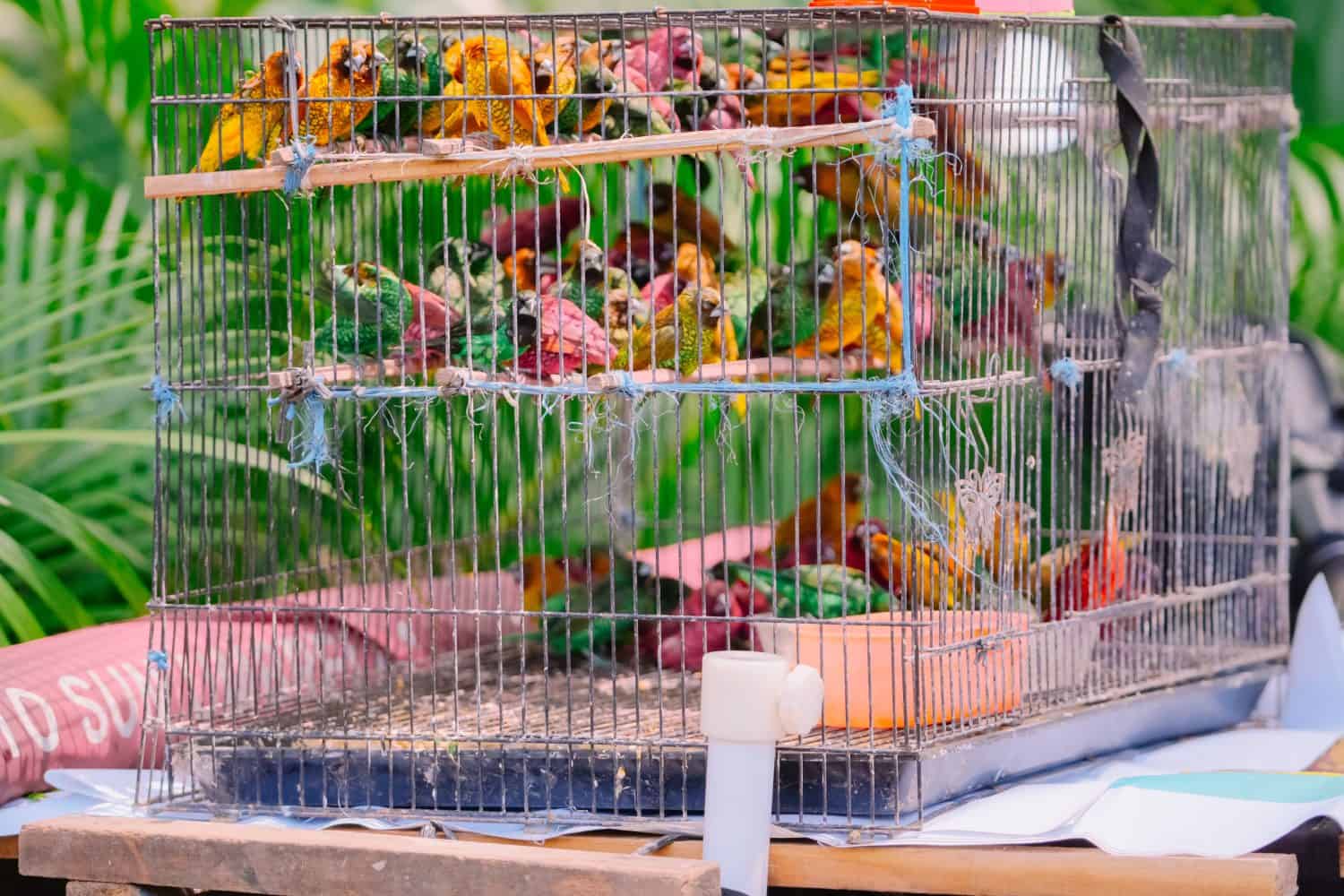
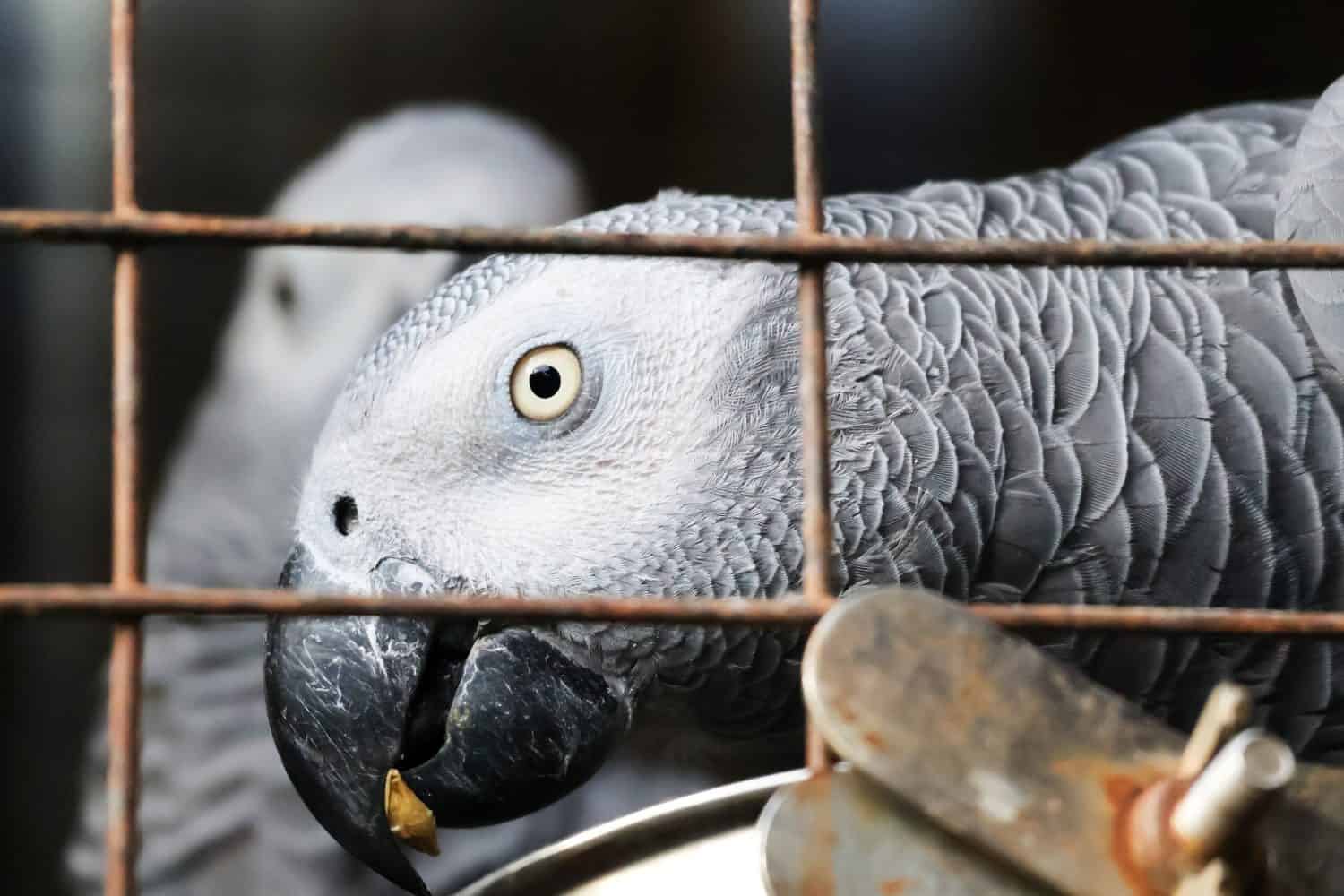
In the black market, poachers treat birds as cargo and pack them into overcrowded containers.
©purnomorpl/Shutterstock.com
From Brutal Journey from Rainforest to Retail
The journey from a wild rainforest to a high-end pet shop is not a simple trip — it is a brutal ordeal for the birds. Poachers use devastatingly effective methods to trap wild flocks. For example, poachers often tether tame birds to branches as “decoys” to lure the wild birds down. Some trappers coat branches in thick, sticky resins, ensnaring the birds the moment they land. Once caught, traffickers shove the parrots into tiny, unventilated wooden crates with no regard for their comfort or well-being.
The toll is catastrophic. Experts estimate that 75 to 90 percent of these birds die before they even reach a buyer. Many birds succumb to suffocation, dehydration, or extreme stress. The impact on wild populations is just as devastating. In Ghana, the illegal trade has wiped out 90 to 99 percent of African greys, while similar catastrophic declines have been reported in other parts of their range.
Recent data from the IUCN and BirdLife International confirm that parrots are now one of the most threatened groups of birds on the planet. About 28 percent of parrot species are at risk of extinction. While habitat loss certainly plays a role, the illegal pet trade remains the primary driver pushing these intelligent creatures toward a total collapse in the wild. Nearly a third of parrot species are threatened, with illegal trade and poaching being major contributing factors.
Wildlife Identity Theft
To move birds across borders, traffickers use sophisticated “laundering” techniques to bypass international bans. They hide African grey parrots inside legal shipments of less-regulated birds, often burying them in crates of green parrots so customs agents do not notice the grey feathers hidden underneath.
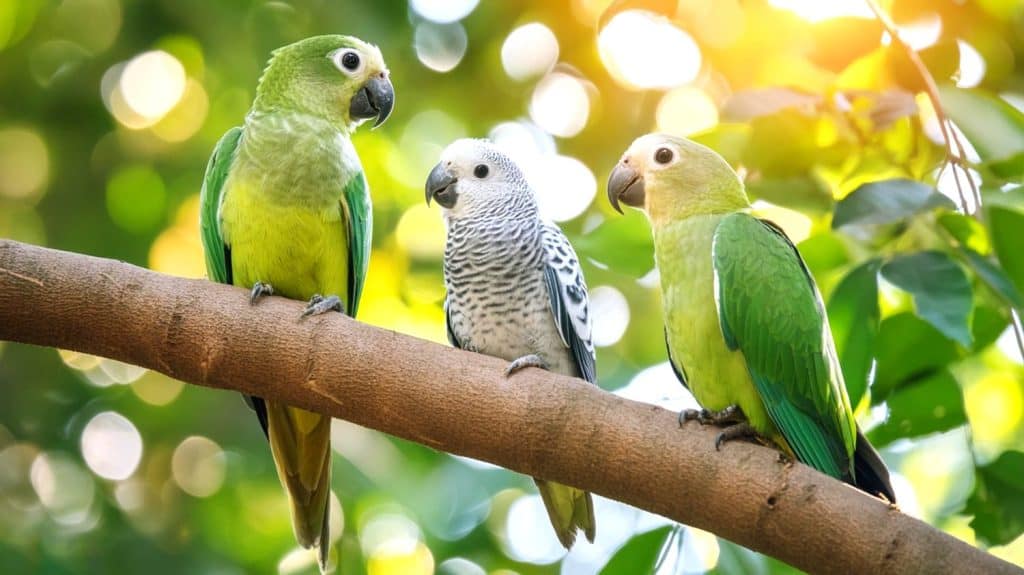
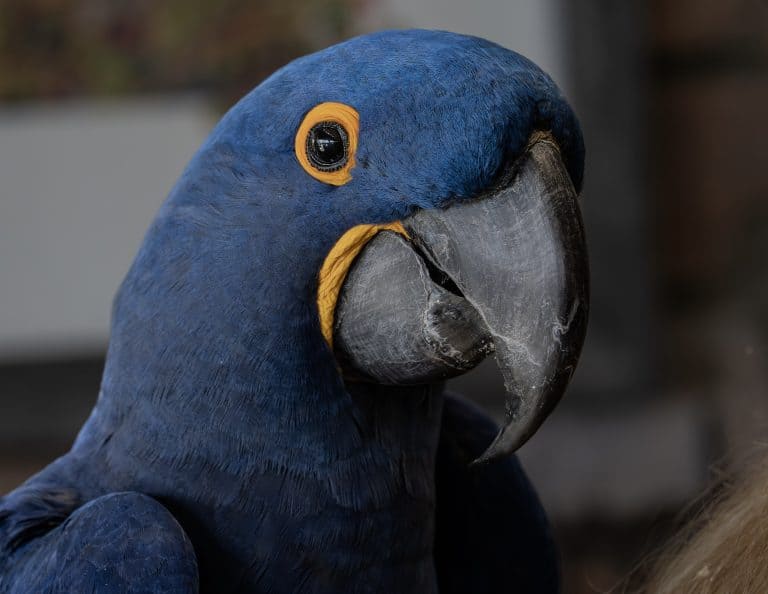
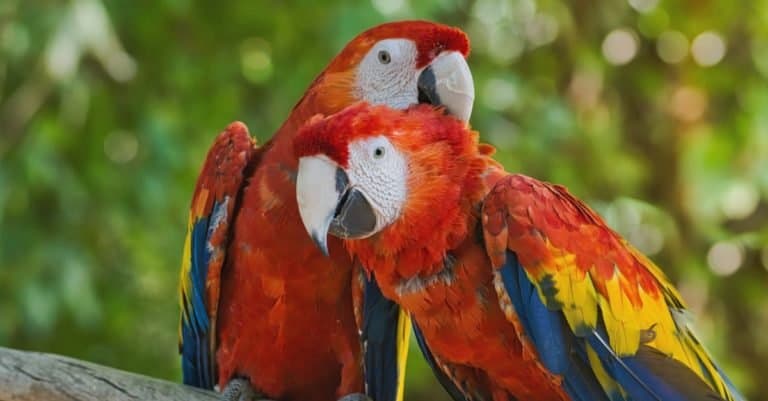
The illegal bird trade often targets brightly colored parrots like macaws, parakeets, cockatoos, Timneh parrots, and Amazona parrots.
©Habib CREATIVE/Shutterstock.com
Since the 2016 international ban on trading wild African grey parrots, traffickers use fraudulent permits to claim that their wild-caught birds are “captive-bred.” Syndicates also use major transit hubs like Istanbul to move wildlife via regular commercial flights. This allows them to blend their illicit cargo into the massive global supply chain and hide it in plain sight.
The biggest red flag is how easy it is to buy a bird. If someone always has babies available and doesn’t ask the buyer any questions, that is a huge warning sign. Ethical breeders care deeply about where their birds end up.
Amanda and Cameron Poulsen, founders of Rocky Mountain Avian Rescue
Behind the “Bred in Captivity” Lie
A common question arises, “Why not just breed them in captivity?” While it may sound logical, this strategy has created a “policy trap” that is actually accelerating the crisis.
Wild-caught birds dominated the trade in 1990, but by 2020, the industry had shifted to trading over 500,000 captive-bred parrots. Even more startling is the 4,000 percent increase in registered breeding facilities for endangered species from 2016 to 2022.
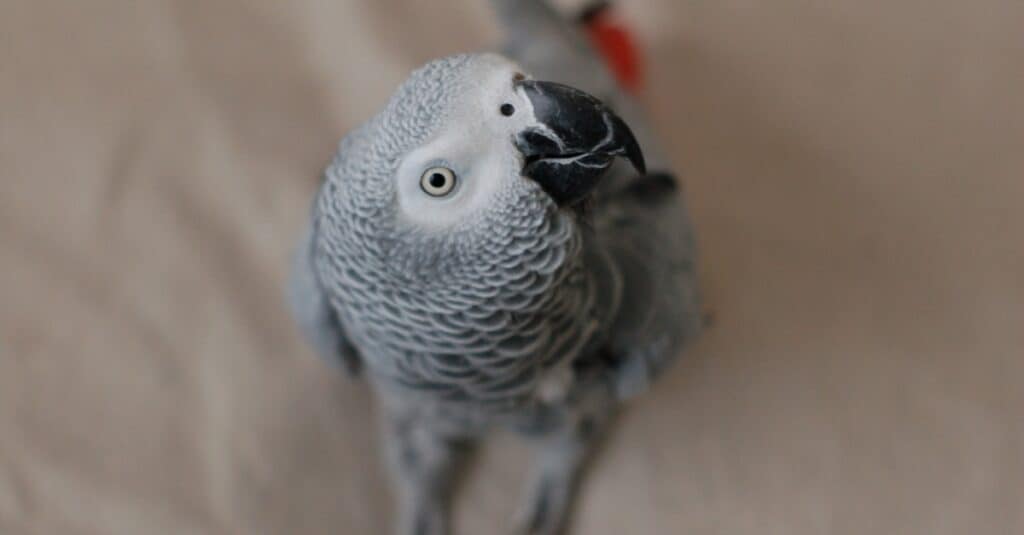
By the time a parrot reaches a store, its wild origins have been erased by a trail of fake documents and hidden crates.
©iStock.com/Lilly Nonamaker
Rather than protecting wild populations, this massive influx of captive-bred birds has “normalized” owning an endangered species. When endangered species are seen everywhere as pets, it keeps demand high. High-end collectors then seek out “wild-caught” birds, believing them to be more “authentic.”
Laundering and the Reality of “Mill” Birds
Commercial breeding also provides a perfect cover for illegal activity. In hubs like South Africa — the world’s top exporter of African grey parrots — there are ongoing concerns and investigations into legal farms being used to launder poached birds. Because there are thousands of legal bird farms, criminals can easily hide or “launder” stolen wild birds among farm-raised ones.
While commercial breeders keep the profits, governments and charities must pay the massive costs of policing fraud and caring for rescued birds that can live for 60 years. Beyond the physical burden, there is also a profound emotional toll on birds born into captive-breeding mills.
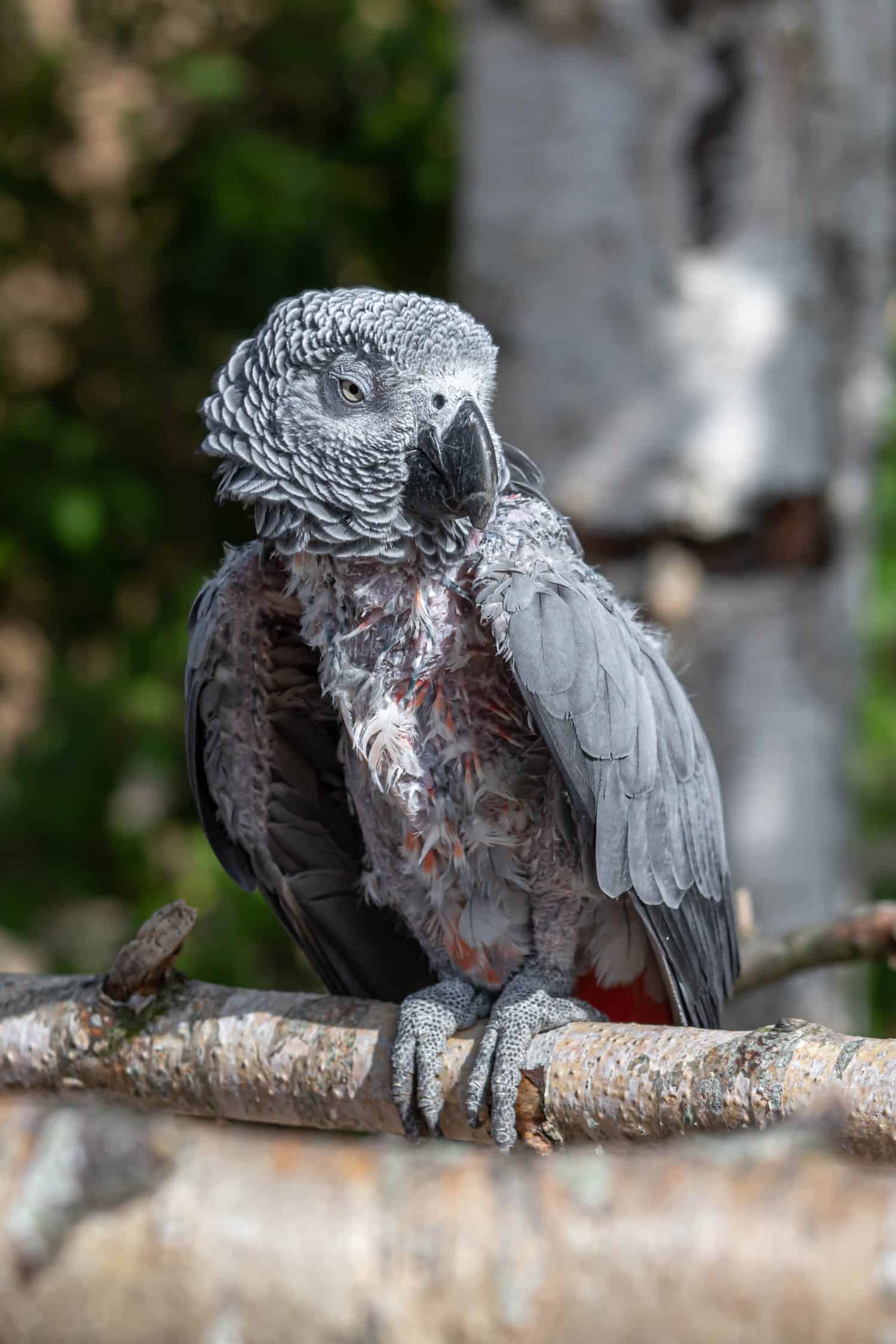
Parrots often pull out their own feathers as a coping mechanism. They may do so when feeling boredom, stress, loneliness, depression, anxiety, or living in poor conditions.
©Ian Fox/Shutterstock.com
“One of the hardest things we see at Rocky Mountain Avian Rescue is birds that have lost their spark,” explain Amanda and Cameron Poulsen. “The ones that don’t know how to play, that don’t trust hands, and ones that don’t even know they’re allowed to exist outside a cage. You can tell that they were treated like products, not living beings. Spotting ‘mill’ birds is obvious and heartbreaking.”
“The biggest red flag is how easy it is to buy a bird,” the Poulsens explain. “If someone always has babies available and doesn’t ask the buyer any questions, that is a huge warning sign. Ethical breeders care deeply about where their birds end up.”
How to Spot a “Bird Mill”
The Poulsens emphasize that while ethical breeders exist, “mill” operations prioritize profit over the welfare of the animal. Here are red flags to watch for:
- Easy availability: “The biggest red flag is how easy it is to buy a bird,” say the Poulsens. “If someone always has babies available and doesn’t ask the buyer any questions, that is a huge warning sign.”
- The “No Questions” sale: Ethical breeders interview potential buyers. Beware of sellers who are ready to hand over a bird without asking about your experience, cage size, or avian vet plans; they view the bird as a product for profit, not as a living being. The Poulsens explain, “Ethical breeders care deeply about where their birds end up.”
- Restricted access: If a breeder does not allow you to see where they raise the birds or meet the parent birds, they may be hiding unsanitary or overcrowded conditions.
- Lack of records: Legitimate breeders provide clear hatch dates and health records. Mill birds often only have vague histories or “laundered” paperwork.
Striking Back with Science
As traffickers get smarter, forensic tools are evolving to catch them. The most significant breakthrough is microbiome profiling. Researchers have discovered that a parrot’s gut bacteria acts like a biological passport.
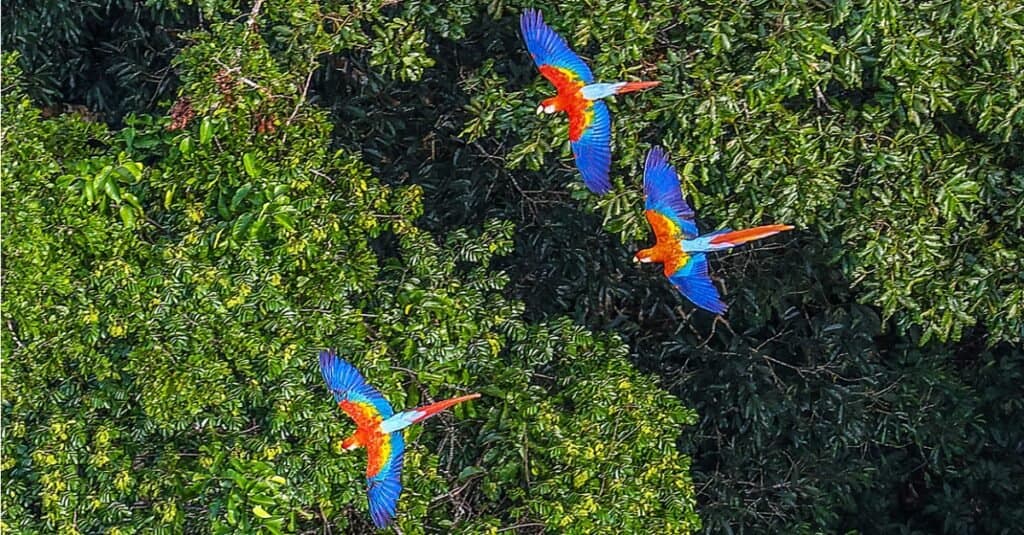
Wild macaws may fly up to 15 miles a day.
©iStock.com/RICARDO STUCKERT
Wild birds in the rainforest eat a diverse diet of wild nuts, fruit, and bark, creating a specific bacterial “fingerprint.” Parrots raised on commercial breeding farms, in contrast, eat a very narrow, standardized diet, resulting in a completely different bacterial profile.
By analyzing a simple fecal sample, investigators can now distinguish between a wild-caught bird and a captive-bred one in real time. Paired with the MinION — a smartphone-sized DNA sequencer — local teams can now generate forensic evidence directly at the scene of seizure, rather than waiting months for the results.
A Historic Victory in the Congo
On July 31, 2025, the Democratic Republic of Congo (DRC) signed Ministerial Decree 956, granting “total protection” to the African grey parrot. It is now a criminal offense to capture, possess, or sell the species nationwide. This victory has already led to the rescue of over 500 parrots and the successful release of dozens back into the wild.
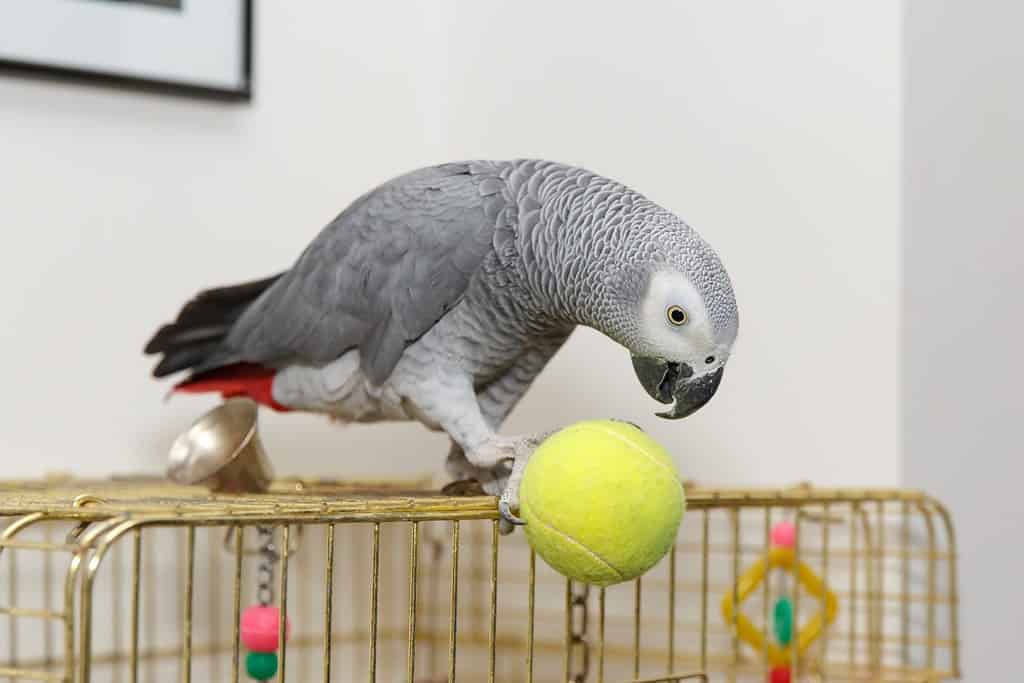
African grey parrots are some of the most intelligent animals on Earth.
©GaevoyB/Shutterstock.com
A Wild Soul in a Small Cage
Parrots are not “pets” in the traditional sense. They are highly intelligent, social beings with the mental complexity of a young child. In their natural habitat, African grey parrots fly miles across the rainforest every day. They spend their time solving complex puzzles to find food and socializing in their large, intricate family flocks.
When people keep these birds in a home, that same intelligence and sociality can become a challenge. If their intense social and mental needs are not met, they often struggle with destructive behavior, loud screaming, and self-mutilation (such as plucking out their own feathers).
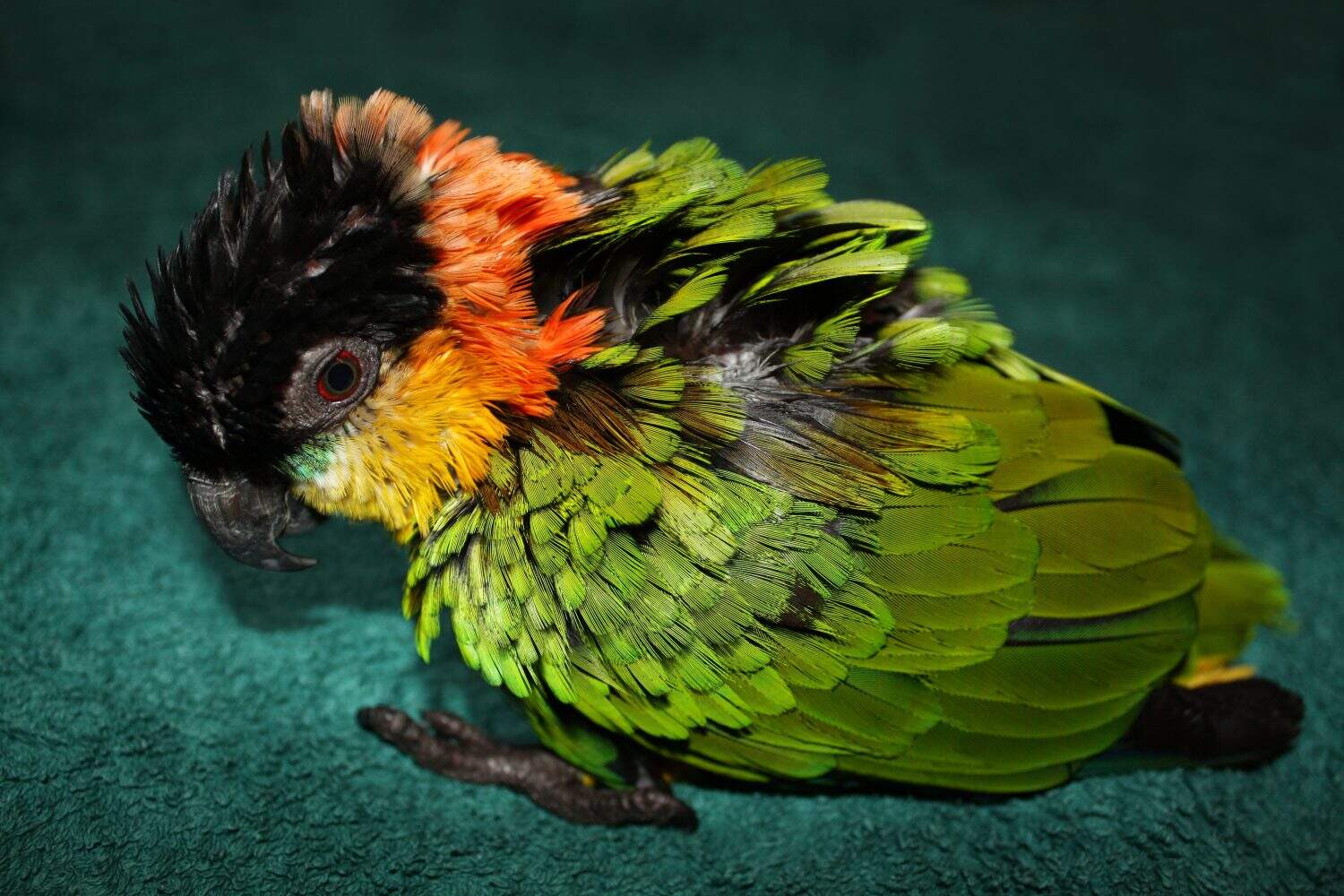
If a parrot’s feathers are perpetually puffed or ruffled, it is often a red flag for a serious health condition.
©Noheaphotos/Shutterstock.com
Parrots are also notoriously hard to care for. African greys have a lifespan of up to 60 years, and some individuals may live even longer, making them a lifelong commitment that often outlives their owners. As a result, owners pass many birds from home to home until they eventually end up in overcrowded rescue centers that struggle to keep up.
The Poulsens explain, “Birds are long-lived animals with complex needs. They’re not impulse pets, gifts, or for first-time pet owners.”
How You Can Help
Much of our fight against illegal trade happens through our digital habits and consumer choices. As the Poulsens explain, “Education and slowing down the process saves lives.”
Think Before You “Like”
An easy way to fight against the illegal trade is by simply being a conscious consumer of content. That is, think before you “like” a post on social media. Don’t help the algorithm normalize exotic pets. Avoid liking or sharing “cute” videos of endangered species in homes unless the content comes from a reputable sanctuary or educator.
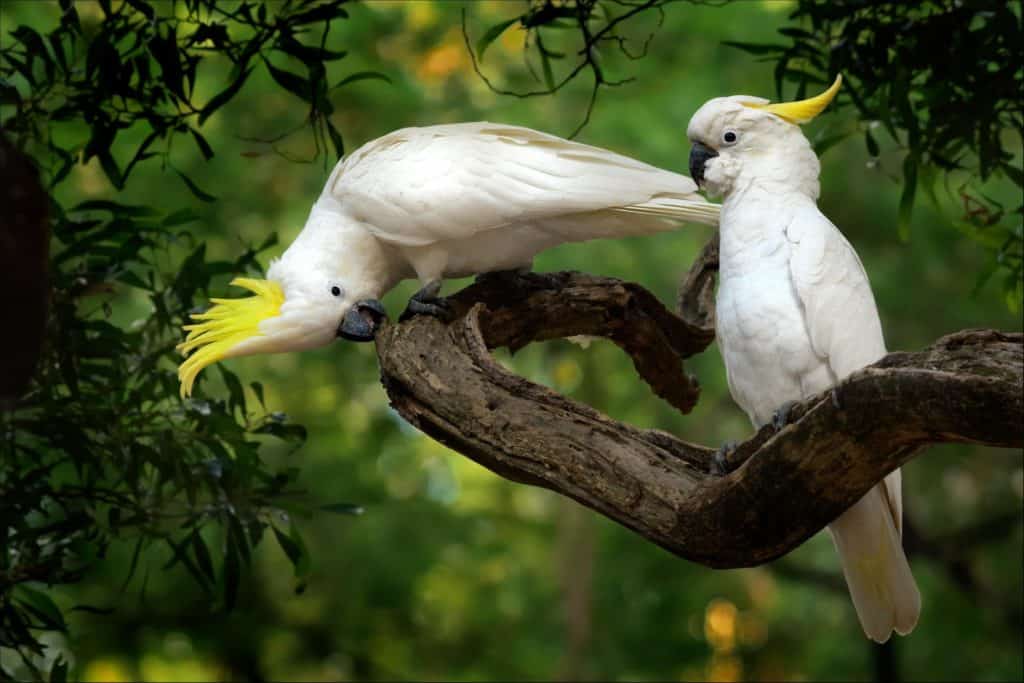
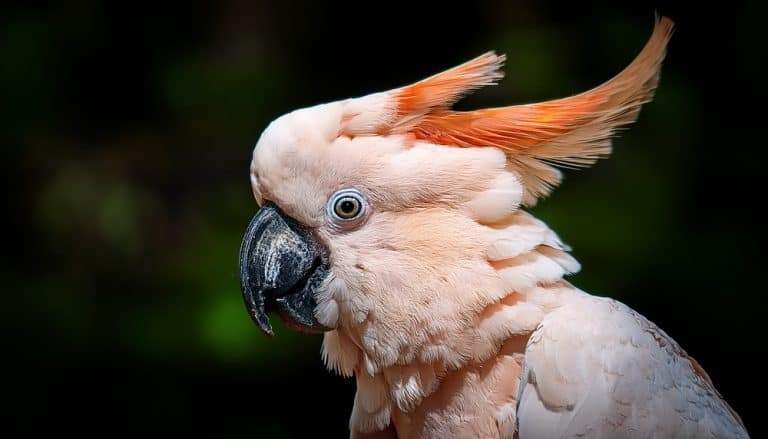
Yellow-crested cockatoos are Critically Endangered due to habitat loss and overharvesting for the illegal pet trade.
©iStock.com/phototrip
“The biggest red flag is how easy it is to buy a bird,” the Poulsens explain. “If someone always has babies available and doesn’t ask the buyer any questions, that is a huge warning sign. Ethical breeders care deeply about where their birds end up.”
Support Verified Conservation
Organizations on the front lines need resources to save confiscated birds. Groups like the World Parrot Trust (WPT), the Lukuru Foundation, and the Libassa Wildlife Sanctuary are on the ground saving lives through first responder training, rehabilitating, and nursing birds back to health so they can return to the wild.
You can also support initiatives like the United for Wildlife Transport Taskforce. This pushes airlines and shipping companies to adopt zero-tolerance policies toward wildlife trafficking, which closes off many of the trade routes smugglers use.
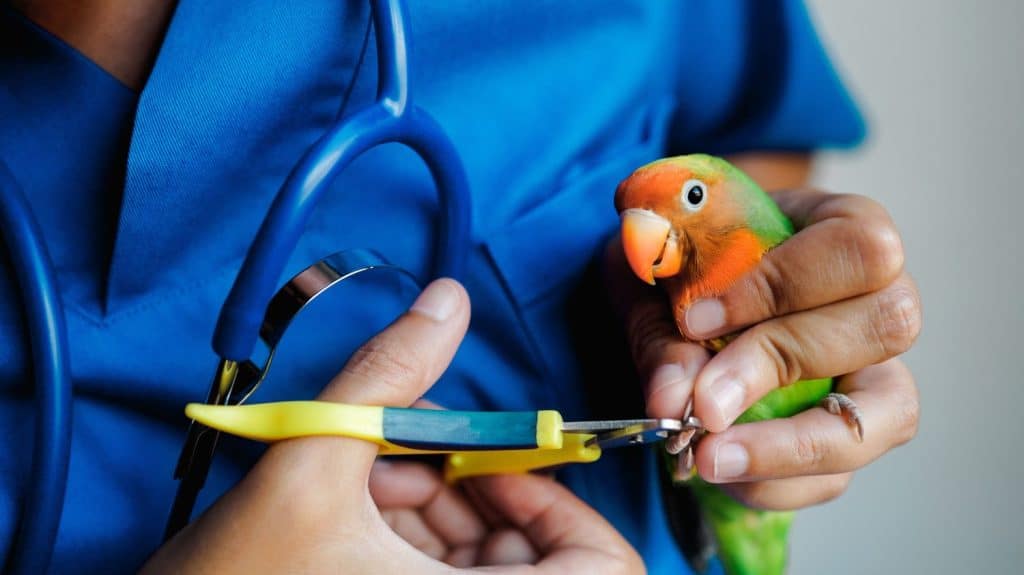
Because birds naturally hide illnesses and injuries, you should take them to an avian vet for regular checkups.
©Nuva Frames/Shutterstock.com
Adoption
If you are truly ready for the 60-year commitment, look to local rescues rather than pet stores. Thousands of birds are waiting for homes. Choosing a rescue bird ensures you are not fueling the demand that poachers are so eager to fill. “‘Adopt, Don’t Shop’ is powerful because it reduces the demand for the unethical breeding and illegal trafficking,” the Poulsens explain. “Every bird adopted through a rescue is one less bird fueling that system.”
Report Suspicious Sales and Share the Truth
If you spot an endangered bird for sale on social media, don’t just scroll past — report it to the Coalition to End Wildlife Trafficking Online to help shut down digital poachers.
You can also use your own platform to expose the grim reality of this illegal industry. By sharing a single fact — like the heartbreaking reality that nine out of 10 birds may die during transport — you can change minds and save lives. On January 5, National Bird Day, you can support bird populations worldwide by joining the global conservation effort. Share educational posts to help spread awareness and advocate for those who cannot speak for themselves.