
It is not every day that an animal once believed to be extinct suddenly reappears. Yet, that is exactly what happened with the subalpine woolly rat — a creature nearly as long as a yardstick! This massive rodent, thought to be lost for decades, was recently rediscovered in the misty mountains high above Papua New Guinea. The species’ rediscovery is important not just for its own survival, but also because it shows that even with today’s advanced technology, a vast amount of Earth’s biodiversity has yet to be discovered.
Return of the Subalpine Woolly Rat

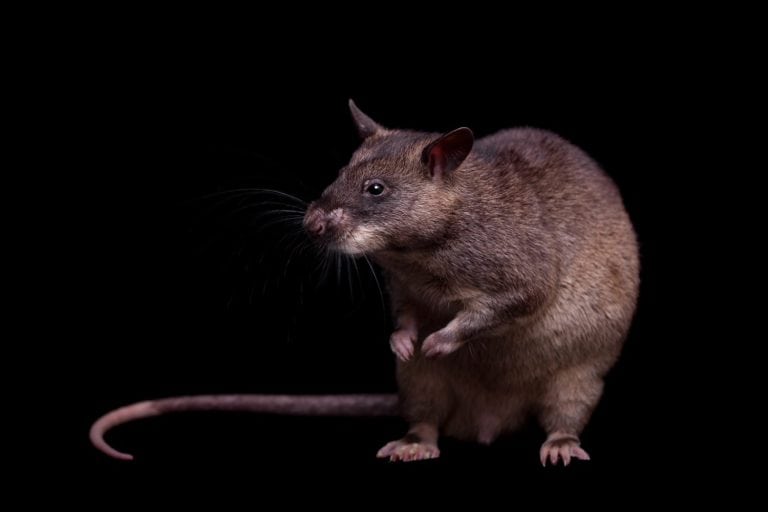
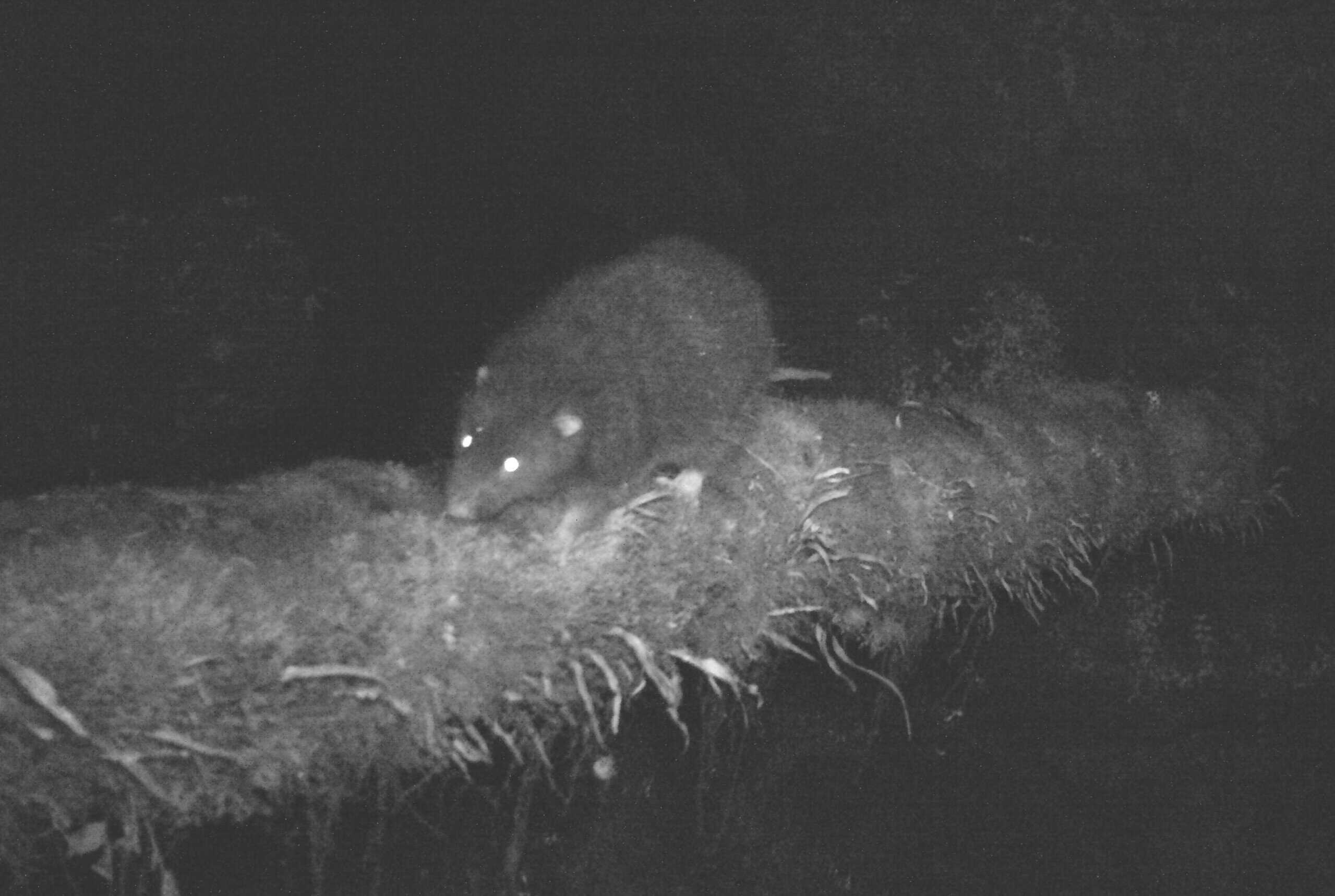
Both male and female subalpine woolly rats have reddish brown hair on their chests.
©Archive of František Vejmělka, Biology Centre CAS – Original
The subalpine woolly rat (Mallomys istapantap) is a truly massive rodent. Reaching up to 2.5 feet long (from nose to tail) and weighing around 4 pounds, it is among the largest rats in the world. It is also the largest rat in Australia and Oceania. This enormous creature lives only on Mount Wilhelm in Papua New Guinea. Historically, scientists had just a few museum specimens, which were officially identified as this species in 1989. In the thirty years that followed, no one documented a living individual. Many researchers believed the subalpine woolly rat had gone extinct. However, the species was brought back from the brink of presumed extinction by a young graduate student, František Vejmělka, from the Czech Academy of Sciences and the University of South Bohemia.
Vejmělka collaborated with local tribes in Papua New Guinea, who accompanied him during a six-month ecological survey of the region. The results were later published in Mammalia (2025). Vejmělka credited this important breakthrough to the traditional knowledge of local hunters, who guided him through the nearly inaccessible terrain where he finally encountered a subalpine woolly rat. Not only did he see one of these elusive creatures, but he also obtained the first-ever photos and videos of the subalpine woolly rat in the wild, and even caught a few rats to take biometric measurements. This vital research provided important new insights into the rats’ diet, behavior, and parasites.
Hiding in the Highlands

Mount Wilhelm is the highest mountain in Papua New Guinea and is a very challenging climb.
©František Vejmělka, originally published in: Vejmělka, F. (2025). First scientific observation of the largest Sahulian rodent, Mallomys istapantap, in the wild. Mammalia. – Original
Despite being one of the world’s largest rats, the subalpine woolly rat is incredibly difficult to find. This secretive creature is found only on Mount Wilhelm in Papua New Guinea. It lives in rugged habitats at elevations of 10,500 to 12,140 feet above sea level. Spotting one of these rats in the wild is extremely challenging, even for the most determined biologists. These massive rats can weigh up to 4.5 pounds and stretch 2.5 feet long — nearly the length of a yardstick! Thick, woolly fur covers their large bodies, helping keep them warm in their cold, high-altitude environment.
Over the past five million years or so, subalpine woolly rats have evolved in isolation, facing little competition in their habitat. This isolation has allowed them to grow much larger than many of their relatives and to become perfectly adapted to their unique surroundings. Researchers attribute this striking increase in size to “island gigantism,” a natural process in which isolated species evolve larger bodies when predators are absent and food is abundant.
Despite their formidable size, however, subalpine woolly rats are strictly vegetarian. They use their powerful, sharp front teeth to chew on plants. With their 3-inch-long paws, these nocturnal rats climb through tree branches at night to search for food. During the day, they rest in burrows or high up in the trees.
Conservation Status
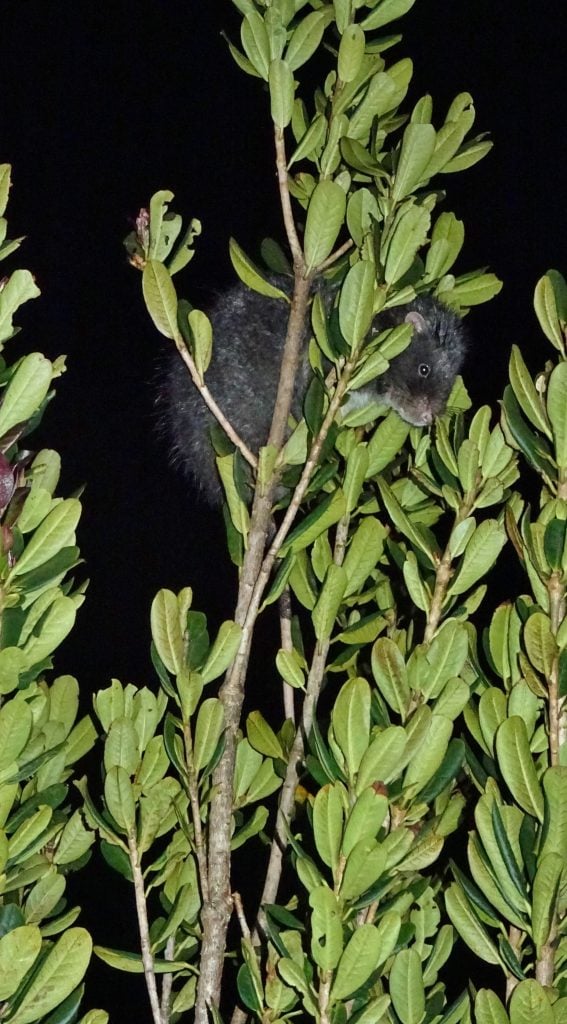
Subalpine woolly rats mainly eat plants like ferns in their high mountain habitats.
©František Vejmělka, originally published in: Vejmělka, F. (2025). First scientific observation of the largest Sahulian rodent, Mallomys istapantap, in the wild. Mammalia. – Original
Despite earlier fears that the subalpine woolly rat was extinct, the IUCN Red List still classifies it as a species of ‘Least Concern.’ However, this classification is based on outdated and limited information, ignoring recent discoveries and population trends. As a result, the true conservation status of this unique rat remains uncertain.
However, accurately estimating the wild population of these rats is extremely difficult due to their elusive nature and remote habitat. In addition, the rat’s future is precarious because it depends exclusively on thick rainforest habitat within a very small geographic area. Subalpine woolly rats are highly vulnerable to threats such as climate change and mining, which could alter or destroy their fragile high-altitude ecosystem.
The decades-long mystery of the subalpine woolly rat reminds us that the natural world still holds many secrets, and that even with all our scientific progress, we do not yet fully understand the world’s vast biodiversity.