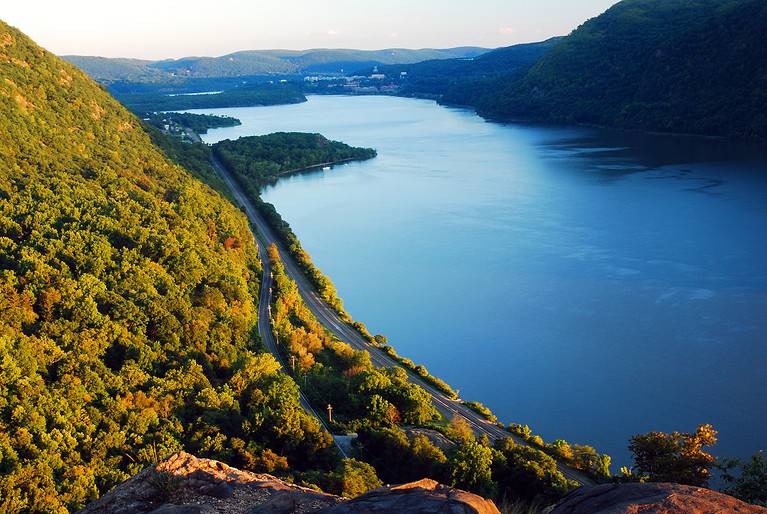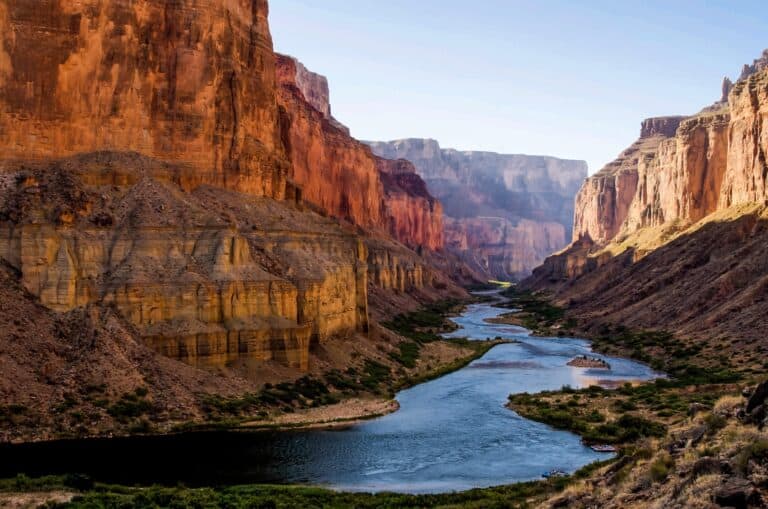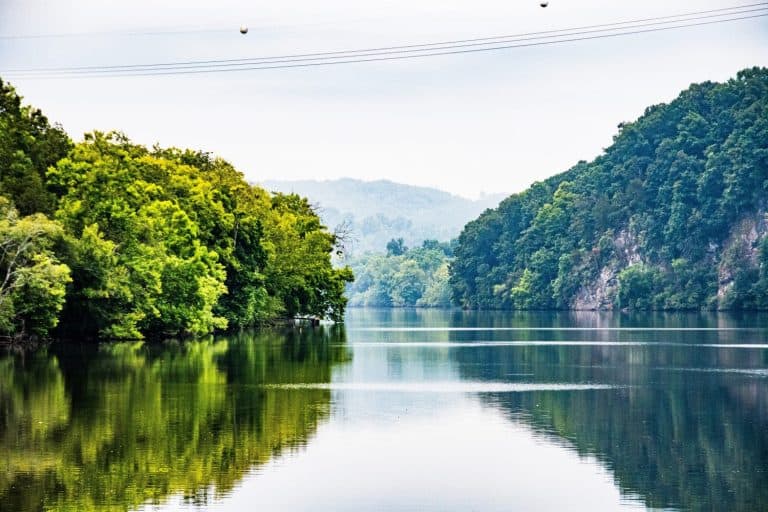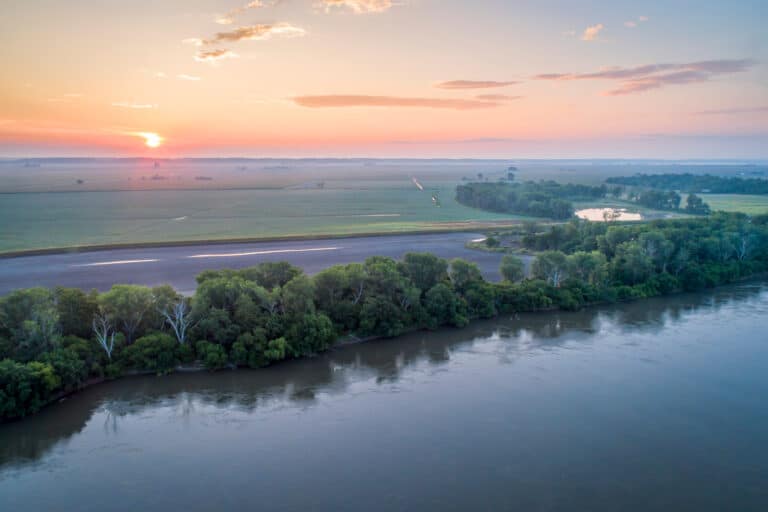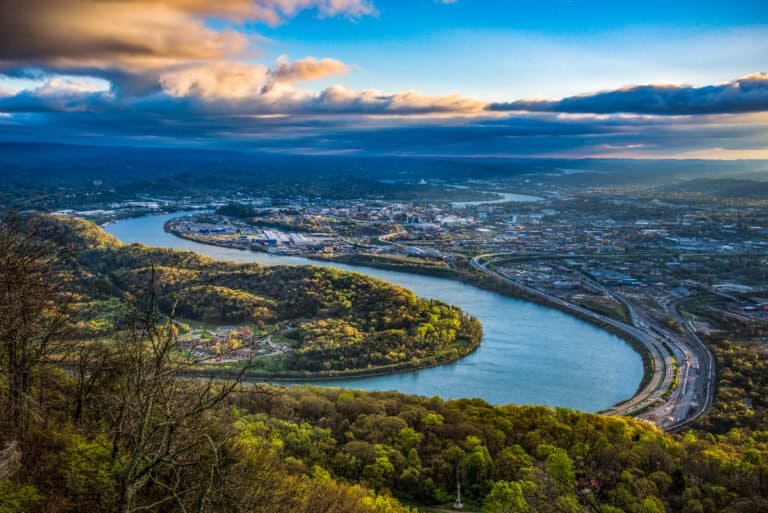

The St. Lawrence River is one of North America’s great natural treasures, moving water from the Great Lakes to the Atlantic Ocean. Spanning over 740 miles, the river’s vast network of wetlands, islands, bays, and channels supports vital habitats for over 80 freshwater fish species and countless other wildlife. It draws millions of annual visitors who marvel at giant sturgeon, elusive muskie, and the remarkable diversity found in its sprawling ecosystem. This living waterway is renowned for world-class sportfishing and as a sanctuary for rare and iconic species.
Lake Sturgeon (Acipenser fulvescens)
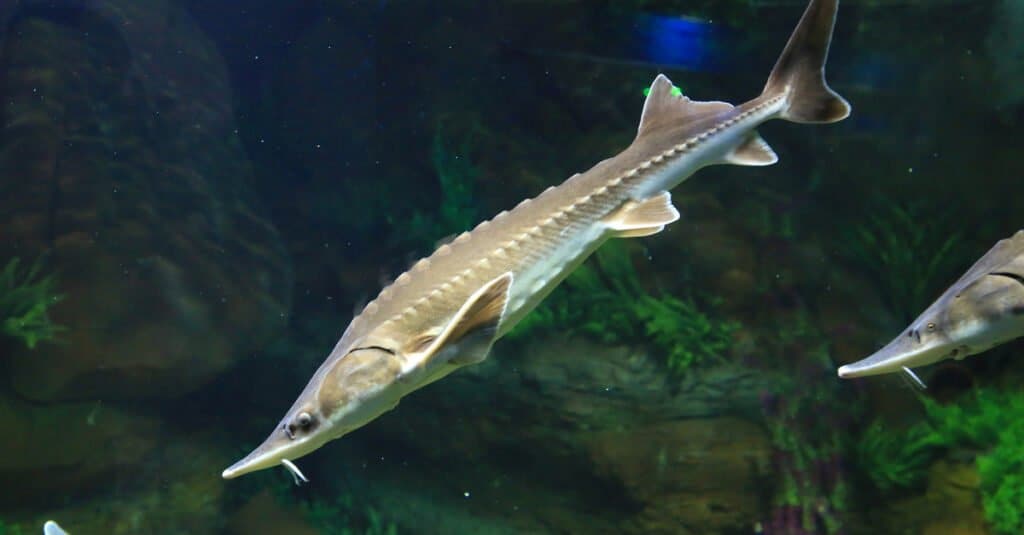
Lake Sturgeon (Acipenser fulvescens)
©Geermy/Shutterstock.com
The lake sturgeon is an ancient giant of the St. Lawrence, with broad, flat snouts, armored bodies, and the ability to live more than a century. Some adults can reach lengths of six feet and weigh over 200 pounds, making them the largest freshwater fish in the river. Visitors seeking these prehistoric fish flock to May and June spawning runs, when sturgeon move into river shallows. They feed mostly on small invertebrates along the bottom and are rarely seen outside spawning times.
Muskellunge (Esox masquinongy)
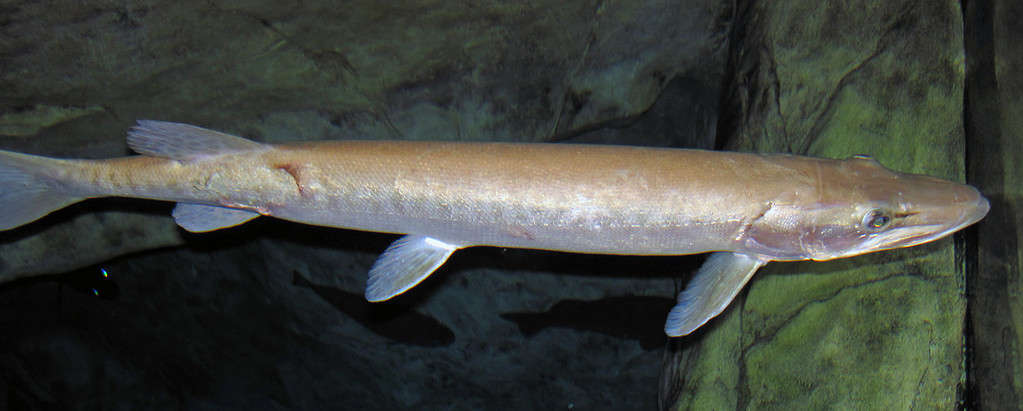
Muskellunge (Esox masquinongy)
Often called “the fish of ten thousand casts,” muskellunge—or muskie—are known for elusive behavior and extraordinary size. The St. Lawrence River is a hotspot for trophy muskie, with specimens over 50 inches and 40 pounds caught every year. Summer and fall bring the best chances, with muskies patrolling deep weed beds, rocky ledges, and drop-offs. Fall is peak season, as cooling waters trigger feeding frenzies. Spotting or landing a muskie is a unique thrill, and their predatory nature helps shape the river’s fish communities.
Northern Pike (Esox lucius)
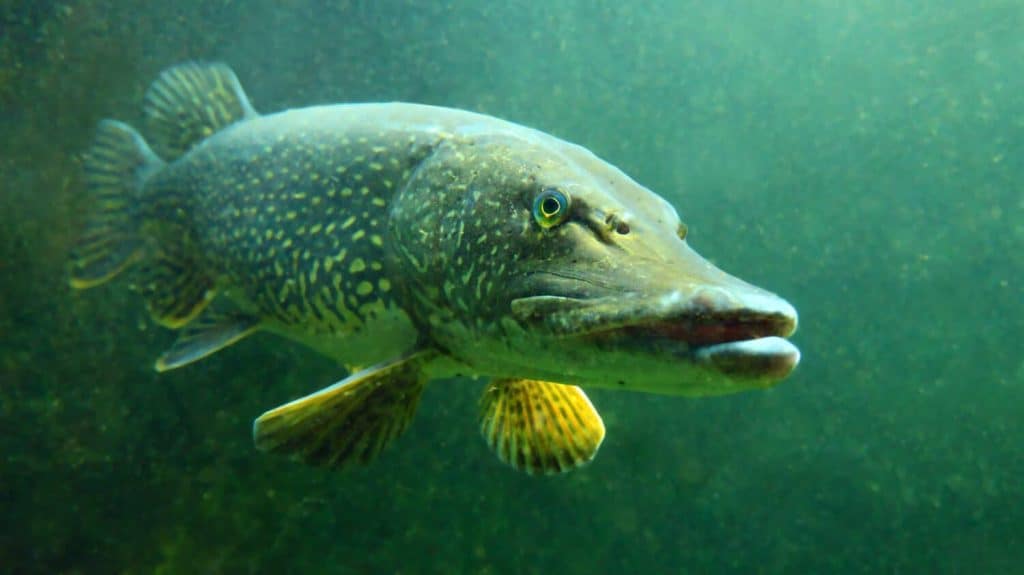
Northern Pike (Esox lucius)
©Kletr / Shutterstock.com
Formidable predators, northern pike have torpedo-shaped bodies, toothy grins, and distinct green-and-yellow markings. Pike frequent marshes, bays, and slow-moving backwaters, often hiding near underwater plants. They hunt fish, frogs, and occasionally small mammals, with ambush tactics that are dramatic and efficient. Pike are visible throughout spring and early summer and are a favorite target for anglers. Their presence enhances the river’s reputation as a big-fish destination.
Smallmouth Bass (Micropterus dolomieu)
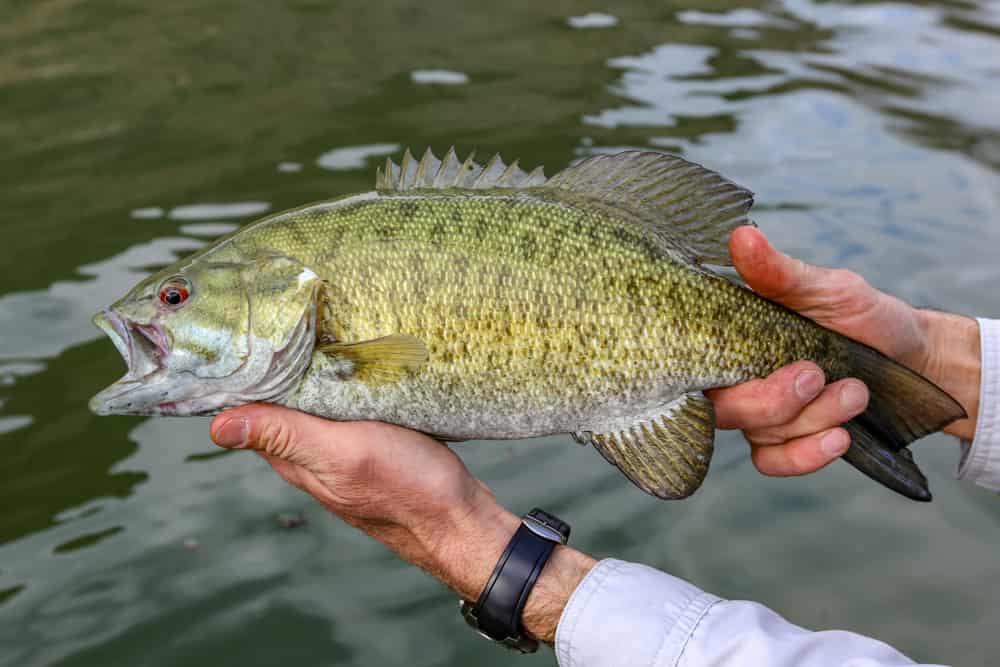
Smallmouth Bass (Micropterus dolomieu)
©CSNafzger/Shutterstock.com
Game fish enthusiasts flock to the St. Lawrence for smallmouth bass, well-known for their fighting spirit and abundance. These fish prefer rocky shorelines, islands, and deep structures. Bass are active all summer, with peak fishing in June and July. They feed on crayfish, insects, and small fish and are easily observed by snorkelers or waders in clear water. Their aggressive surface strikes are a highlight for anglers and make smallmouth bass one of the river’s most popular sportfish.
Walleye (Sander vitreus)
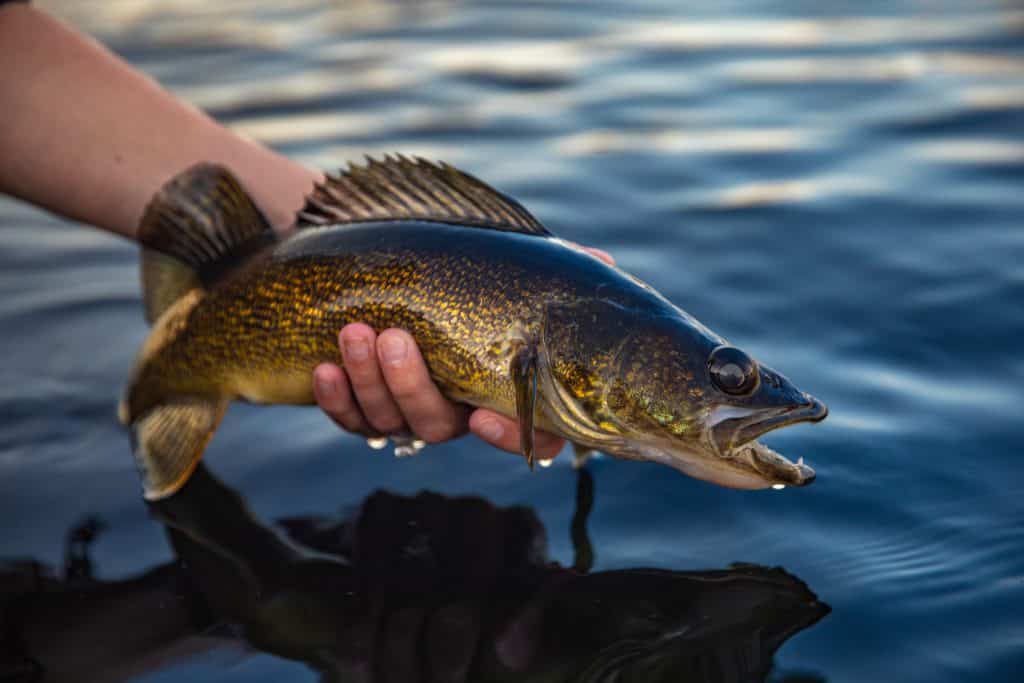
Walleye (Sander vitreus)
©Harlan Schwartz/Shutterstock.com
The Walleye is popular among anglers. In spring, walleye gather in shallow river sections to spawn, making them easier to spot and catch. Twilight and night are the best times to watch or fish for walleye, whose large eyes are bright in low light. Walleye remain active into fall, swimming in deep pools and rocky drop-offs. Their presence supports major recreational fisheries and is a reminder of the river’s varied aquatic life.
Yellow Perch (Perca flavescens)
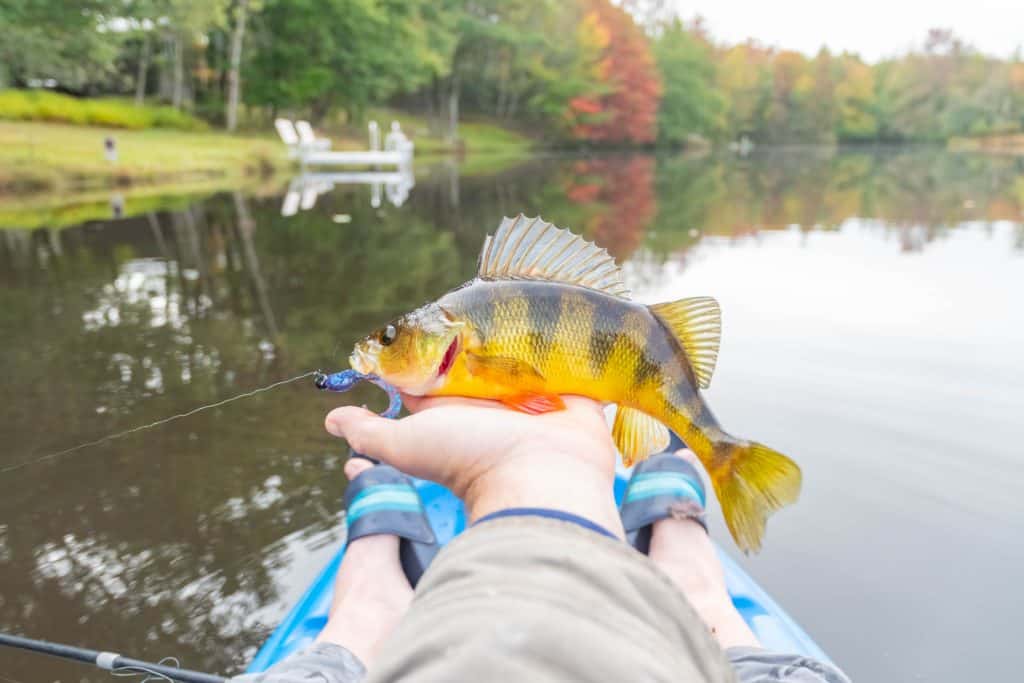
Yellow Perch (Perca flavescens)
©michasekdzi/Shutterstock.com
This fish thrives in nearly every section of the St. Lawrence, forming important links in river food chains and supporting both commercial and recreational fisheries. Yellow perch have orange fins and black stripes on their backs. They like to school near docks, weed beds, and gentle shores. Perch spawn in spring and are visible in shallow areas, but feed and travel in groups all year long. Their role as prey for larger fish sustains the river’s vibrant fishing culture.
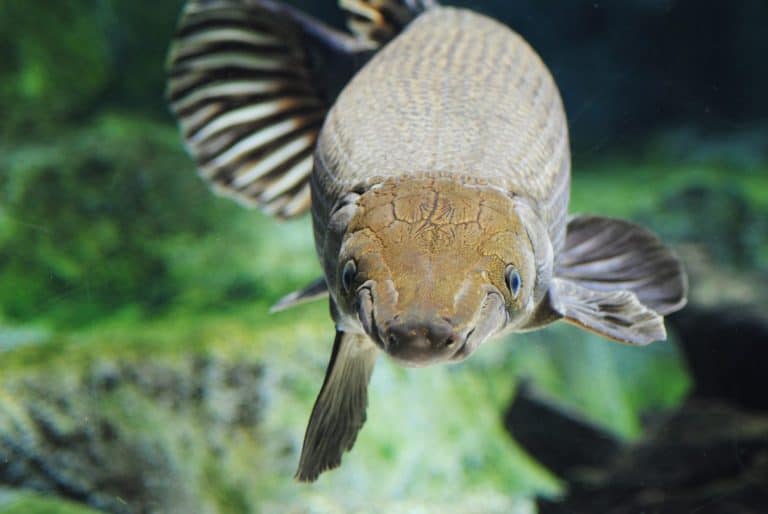
Bowfin (Amia calva)
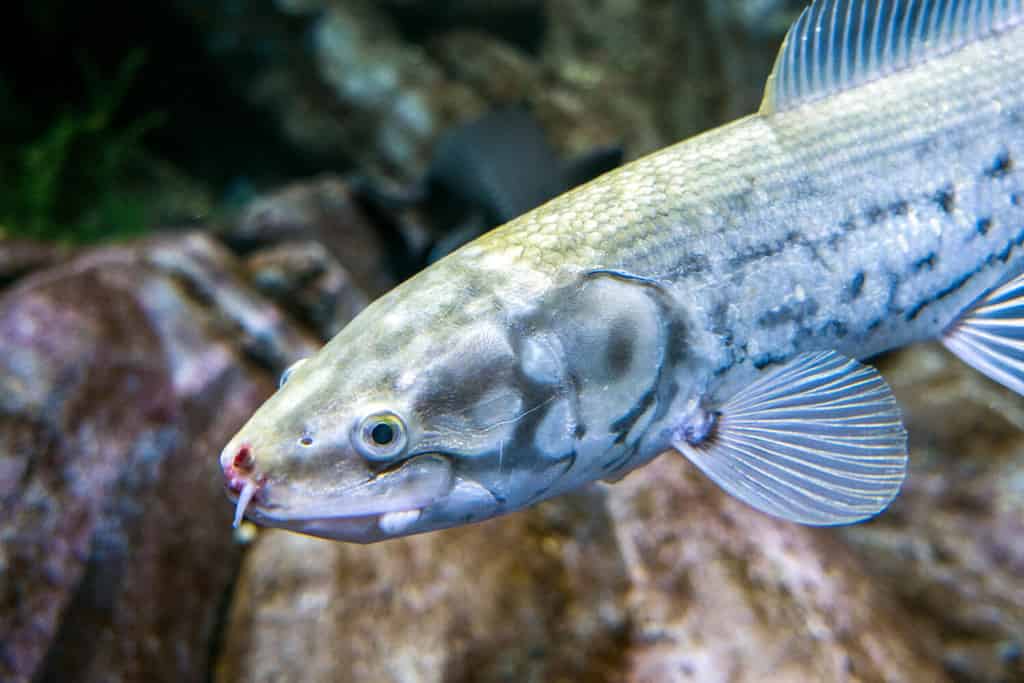
Bowfin (Amia calva)
©Miroslav Halama/Shutterstock.com
Sometimes called “living fossils,” bowfin have long, thin bodies, glassy eyes, and powerful jaws. Often lurking in marshy, weedy water, bowfin tolerate warm and stagnant water better than most species. They are active from late spring through early autumn, often surfacing to gulp air. Bowfin feed on fish, insects, and amphibians, and their primal battles with anglers make for exciting stories. Their unique adaptations help them survive fickle river conditions.
Chain Pickerel (Esox niger)
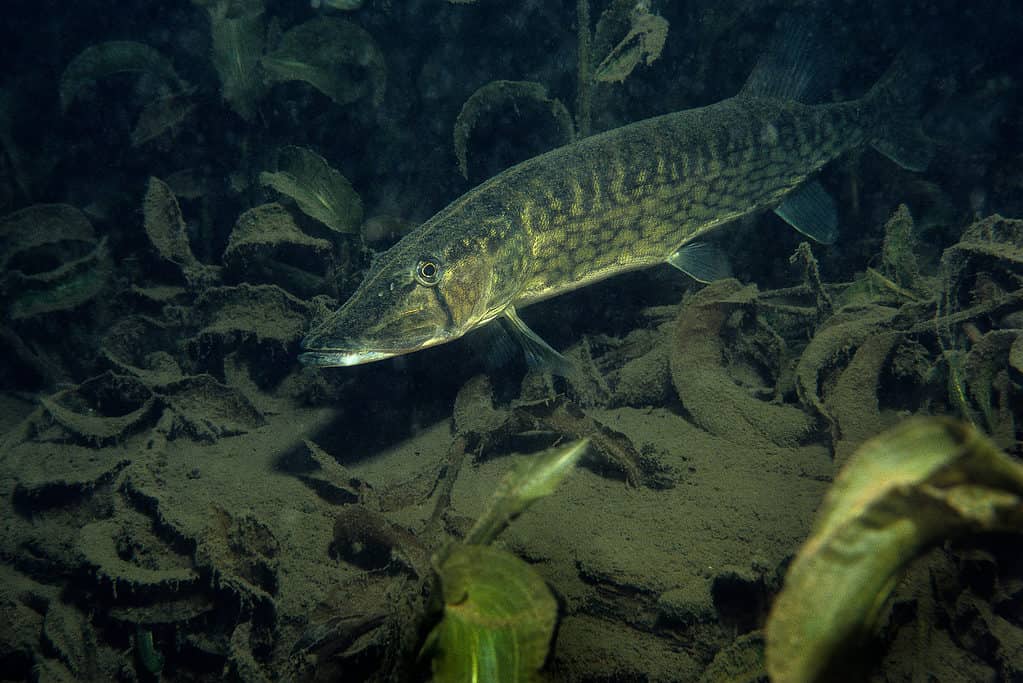
Chain Pickerel (Esox niger)
©RLS Photo/Shutterstock.com
Smaller cousins of pike and muskie, chain pickerels are easily spotted by their markings and slender bodies. These fierce predators haunt shallow bays and slow tributaries, ambushing prey below lily pads and other overhanging cover. Spring and early summer are the best times to view them as they spawn and hunt with vigor. Their fast strikes add excitement for those exploring the river.
Longnose Gar (Lepisosteus osseus)
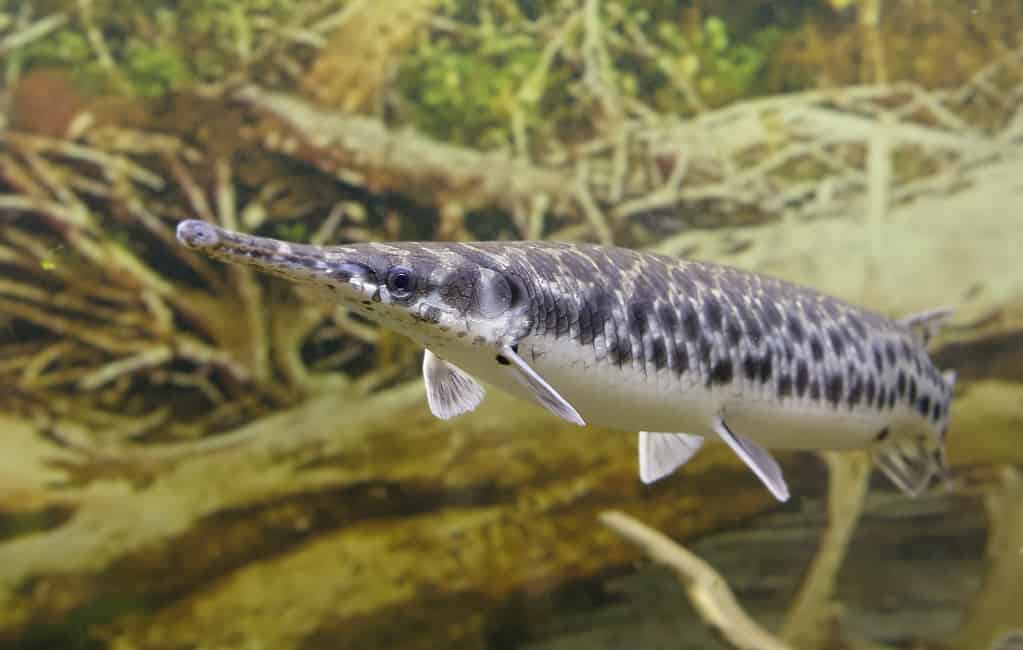
Longnose Gar (Lepisosteus osseus)
©iStock.com/User10095428_393
The longnose gar looks positively prehistoric, with a slender body, armored scales, and tooth-filled beak. Gar bask near the surface along slow-moving reaches and slack-current bays, especially in late spring and summer. Their air-gulping and sunning behaviors make them easier to spot than catch. Gar feed on schooling fish and occasionally amphibians, helping keep populations balanced. Observers often see gar rolling above submerged logs on warm afternoons.
Rock Bass (Ambloplites rupestris)
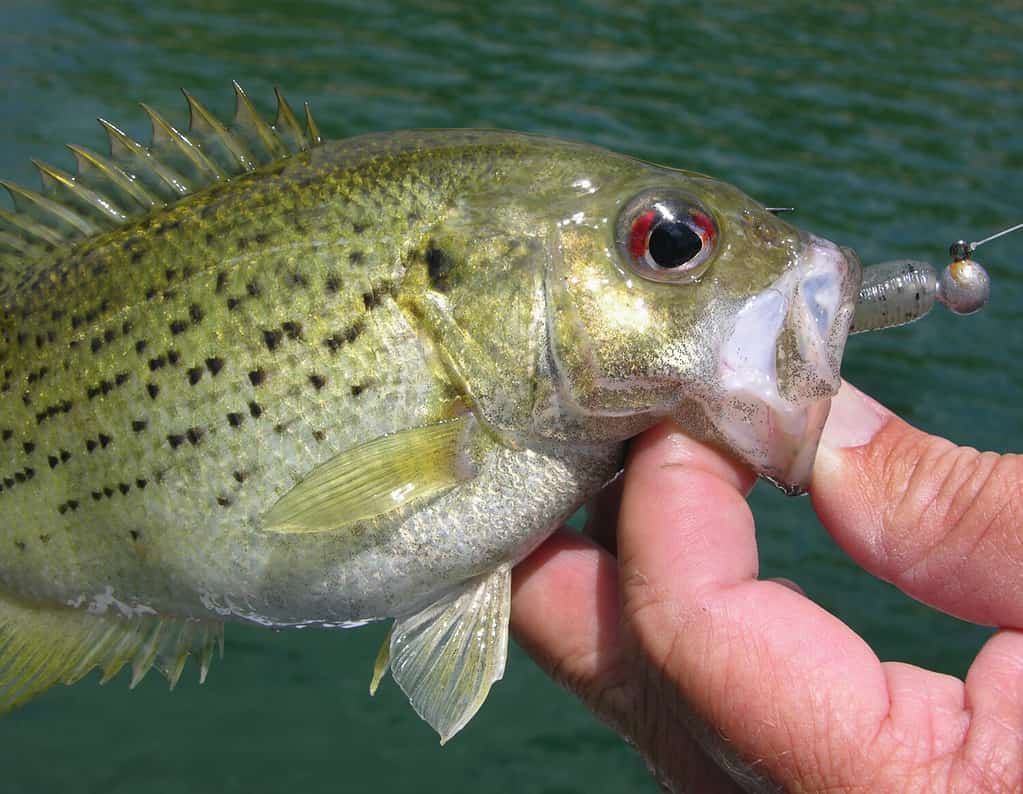
Rock Bass (Ambloplites rupestris)
©Steve Brigman/Shutterstock.com
This chunky, red-eyed fish frequents rocky points, submerged timber, and river bends. Active in the heat of summer, groups of rock bass can be observed darting among stones and feeding on insects and small crustaceans. Their wide habitat range makes them common sights for waders and kayakers. Rock bass are popular among younger anglers for their accessibility and willingness to bite.
American Eel (Anguilla rostrata)
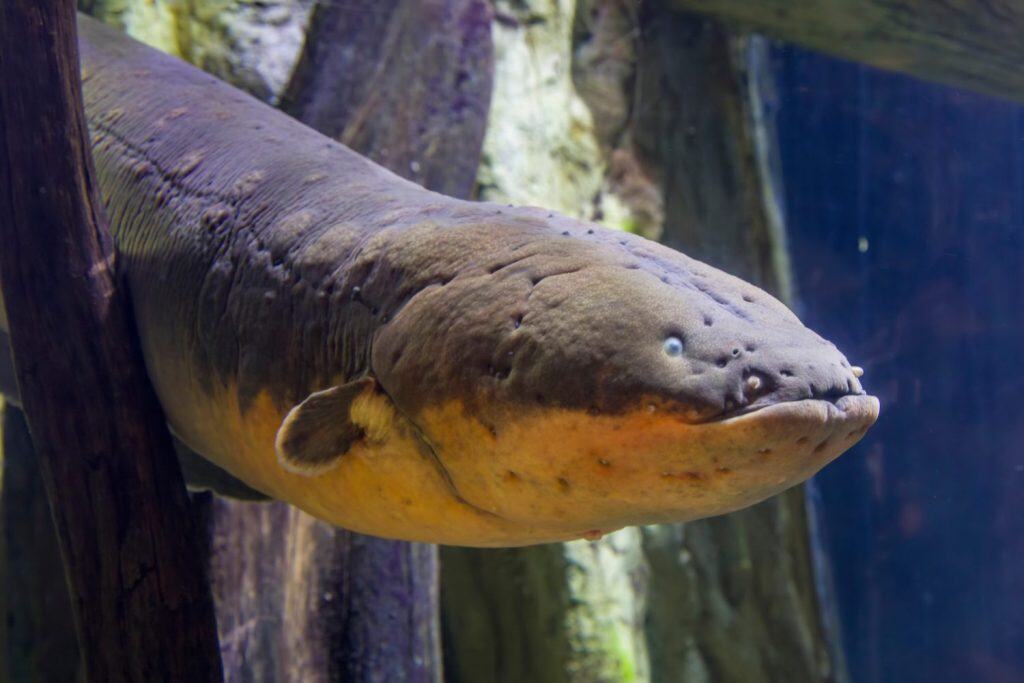
American Eel (Anguilla rostrata)
©Danny Ye/Shutterstock.com
Creepy though some people find them, American eels are marvels, migrating thousands of miles from freshwater tributaries to the Atlantic to spawn. Eels can be seen sliding up marshy banks and over stones, particularly at night or during rain-swollen flows in summer. They feed on insects, fish, and snails, supporting both river and oceanic food webs. Eels’ mysterious lifecycle intrigues naturalists and adds global significance to the St. Lawrence ecosystem.
White Sucker (Catostomus commersonii)
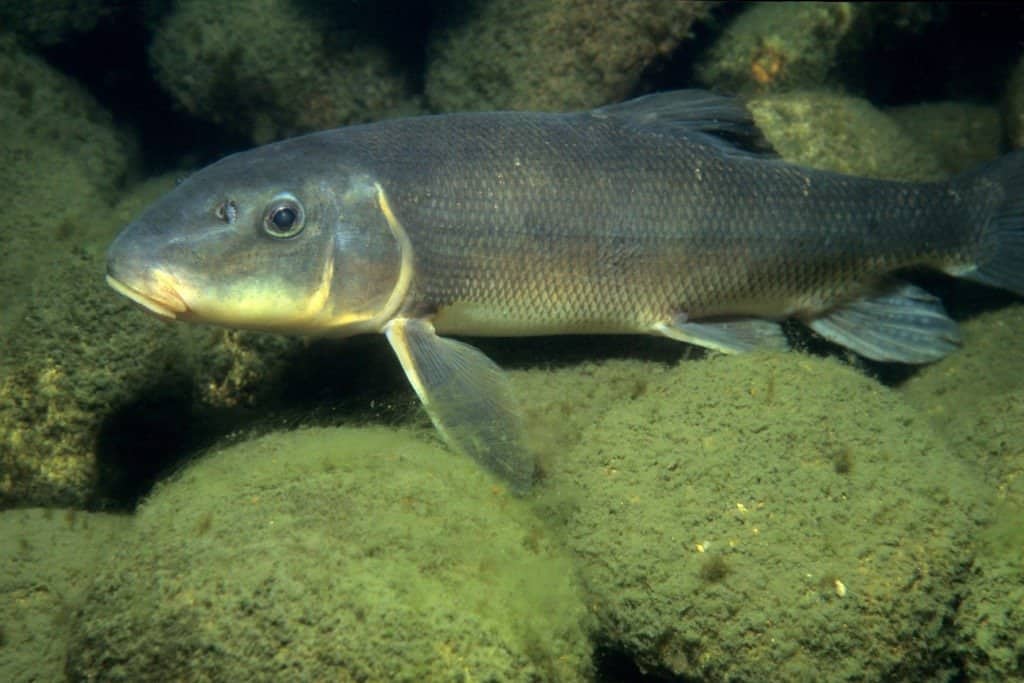
White Sucker (Catostomus commersonii)
©RLS Photo/Shutterstock.com
These camouflaged fish are common river residents, feeding on algae and detritus along sandy and silty bottoms. Early spring brings spawning aggregations, where suckers can be spotted crowding shallow riffles and creek mouths. Otherwise, their understated colors and habits make them less visible to casual observers. Suckers play a key part in the river’s nutrient cycling, cleaning up debris and supporting larger predators.
Black Crappie (Pomoxis nigromaculatus)
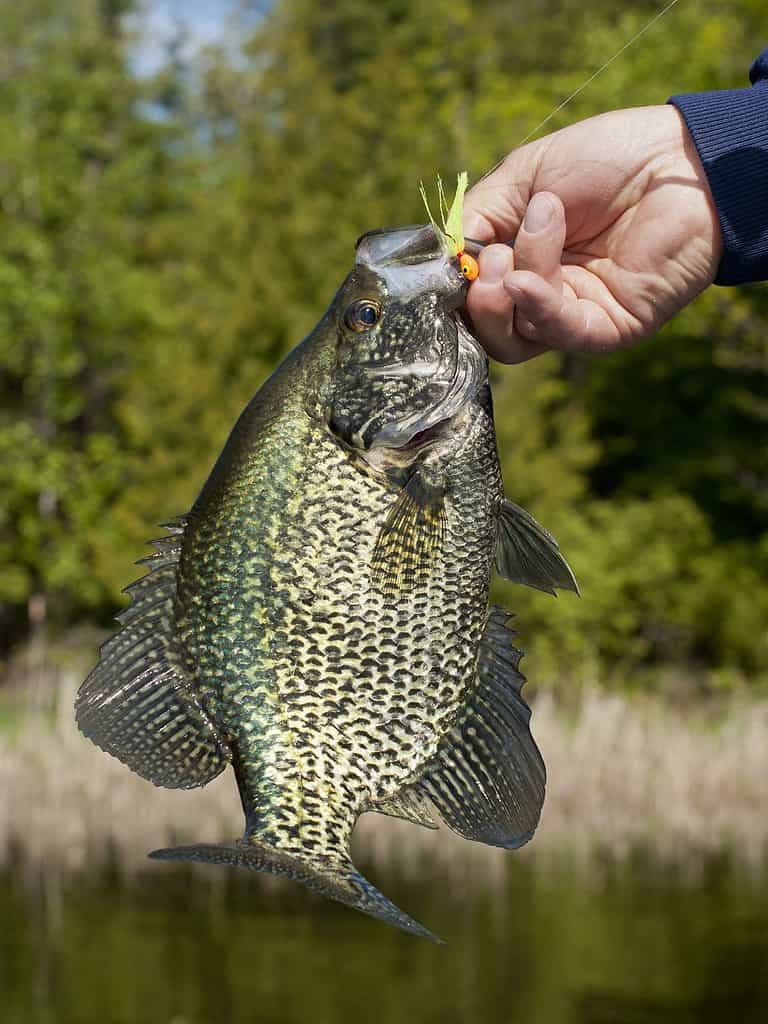
Black Crappie (Pomoxis nigromaculatus)
©Steve Oehlenschlager/Shutterstock.com
These fish form tightly-knit schools, gathering near submerged brush, piers, and islands. They’re active from spring through fall but are easiest to see during spawning when vivid males protect nests in shallow coves and bays. Crappie feed on insects and small fish, and their sparkling dark-speckled bodies dazzle in sunlight. Anglers appreciate their taste and abundance, while naturalists admire their social behaviors.
Painted Turtle (Chrysemys picta)
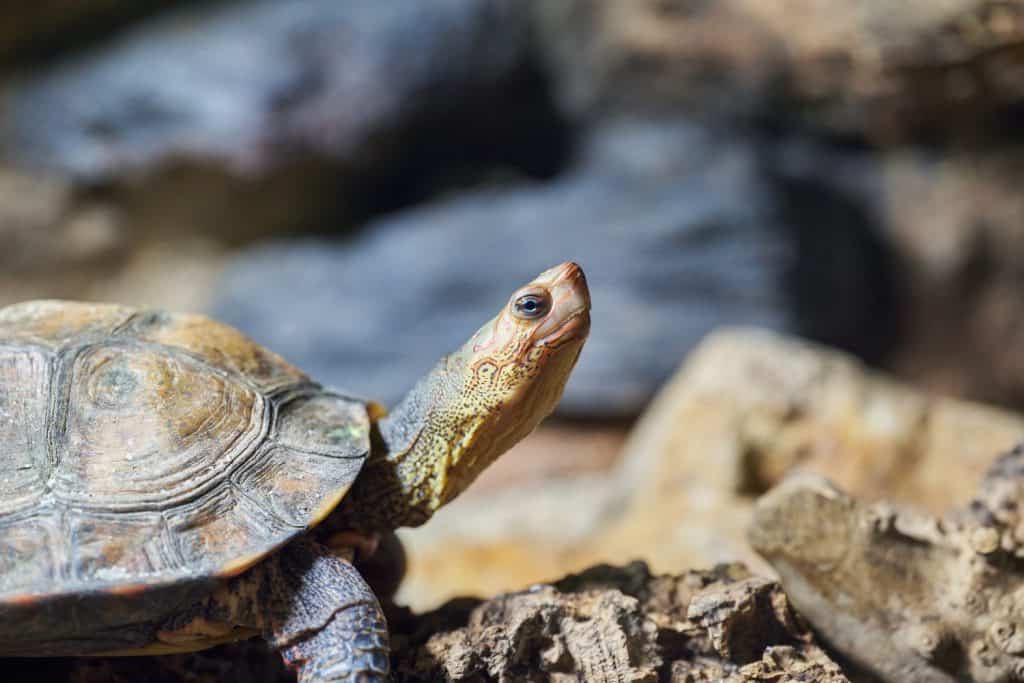
Painted Turtle (Chrysemys picta)
©OvidiuGG/Shutterstock.com
Among the river’s most common aquatic reptiles, painted turtles love to bask on logs and rocks whenever sunlight breaks through. Spring and summer are optimal for viewing them in quiet backwaters and edges of wetlands. These turtles feed on aquatic plants, insects, and occasional carrion. Their calm nature and striking red and yellow shell markings make painted turtles favorites for kids and wildlife photographers alike.
Belted Kingfisher (Megaceryle alcyon)
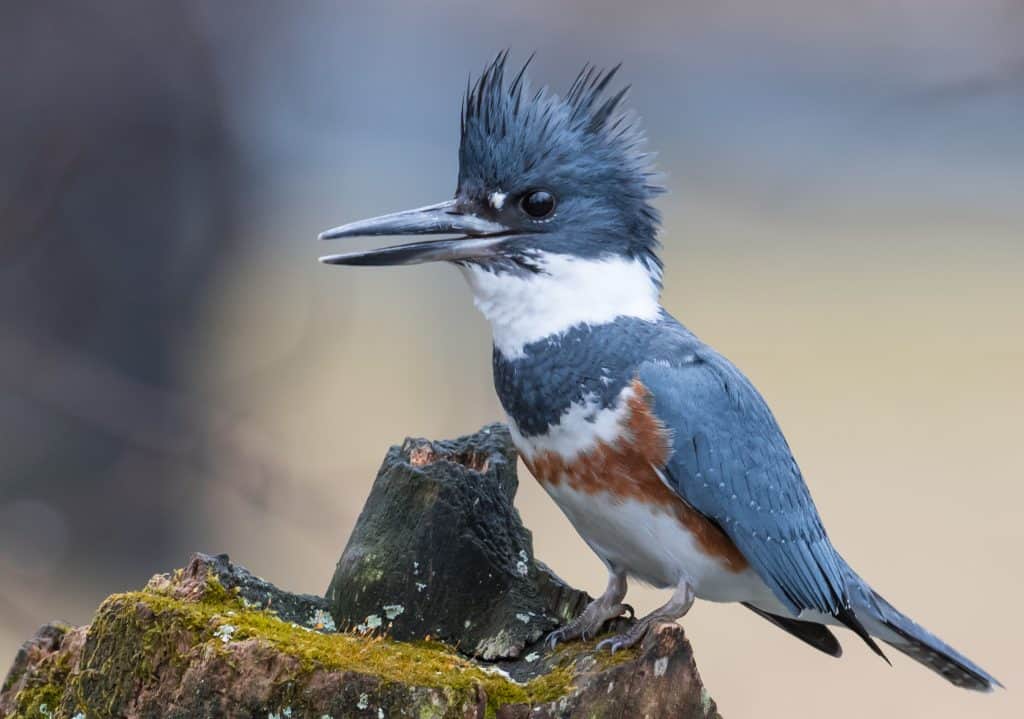
Belted Kingfisher (Megaceryle alcyon)
©Harry Collins Photography/Shutterstock.com
Though not a fish, the belted kingfisher deserves mention as one of the river’s most visible freshwater bird hunters. With unmissable crests and raucous chattering calls, kingfishers patrol shorelines all summer, diving from perches for fish and crayfish. Early mornings provide prime viewing at stream mouths, wetlands, and bays. Kingfishers’ presence testifies to the abundance and health of the St. Lawrence’s aquatic communities.
Life in Every Current
The St. Lawrence River is an unparalleled haven for freshwater wildlife, where ancient sturgeon, trophy muskie, and countless others thrive side by side in dynamic habitats. Every visit—whether paddling, casting, or exploring the banks—offers glimpses of this waterway’s enduring vitality. Species great and small help sustain the river’s legacy, forging a living link between continents and generations.