
Tennessee is preparing for a historic event that could eventually be cause for celebration. The Tennessee Wildlife Resource Agency (TWRA) just announced plans to reintroduce a species of animal that has been missing from its ecosystems since 1994: the red-cockaded woodpecker.
Reestablishing populations of red-cockaded woodpeckers will require collaboration among multiple organizations. This task is challenging because their historic habitats must be restored before the birds can be released. As David Hanni, TWRA Bird Conservation Coordinator, explains, “Repopulating the red-cockaded woodpecker faces two main challenges: first, restoring and maintaining sufficient habitat to support a viable population; and second, locating enough individuals to successfully reestablish the species in Tennessee.”
The plan includes using controlled burns to restore the understory of pine forests to their historic appearance. Groups of birds will be released into the renewed habitats and monitored to see if they start breeding and successfully rearing young.
At the Tennessee Biodiversity Summit, Josh Campbell, chief of the biodiversity division of the Tennessee Department of Environment & Conservation, said, “It’s going to be a challenge just to go and get the birds and put them in those cavities. Somebody’s going to have to climb 30, 40 feet in the air, carve a hole, and put in an insert before climbing back down.”
Red-Cockaded Woodpeckers
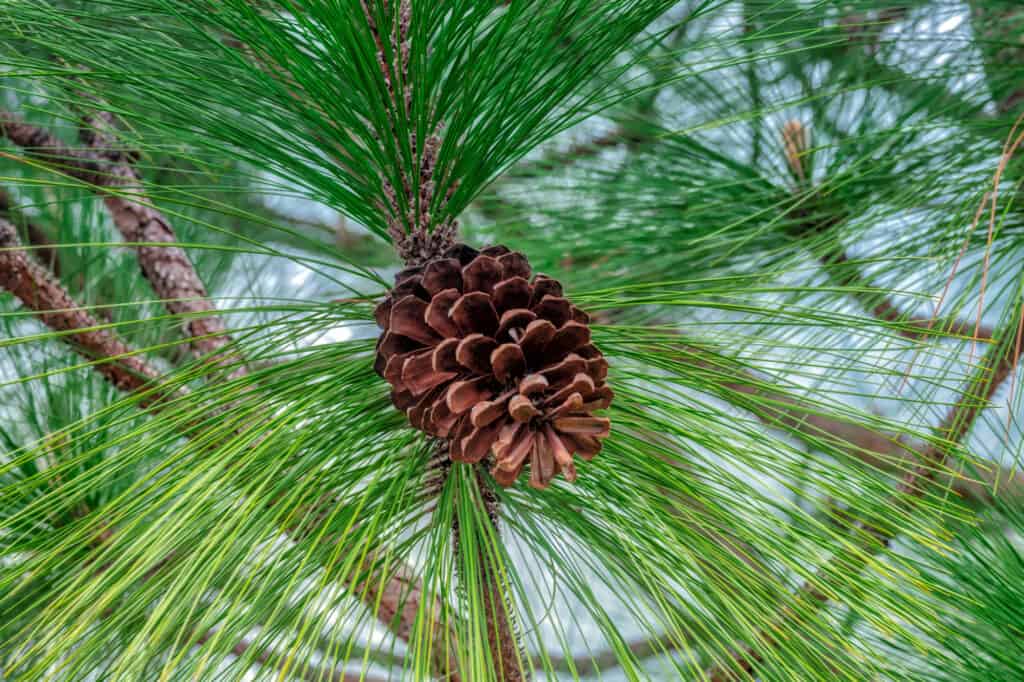
Longleaf pines require fire to open their cones and let the seeds out.
©Danita Delimont/Shutterstock.com
Red-cockaded woodpeckers (Leuconotopicus borealis) used to be common in the Southeast, relying on vast swathes of pine forest dominated by either longleaf or shortleaf pine. The U.S. Forest Service Southern Research Station estimated that longleaf pine forests once spanned 60-90 million acres, serving as one of the most ecologically important habitats.
Pine forests evolved to be fire-adapted and would have frequently burned in wildfires before human colonization led to fire suppression. Natural forest fires clear the forest floor of debris, leaving a prairie-like, grassy cover. Fire stimulates pines and other plants to flower and release seeds. When the cones of longleaf pine trees are exposed to heat, the glue-like resin melts, allowing the cones to open and drop seeds. Although they look quite bare to the untrained eye, longleaf pine forests host exceptional biodiversity. A study published by the U.S. Forest Service found more than 40 vascular plants in a sample of just one square meter of forest floor, with higher species richness in areas that regularly burned.
Woodpecker Life History
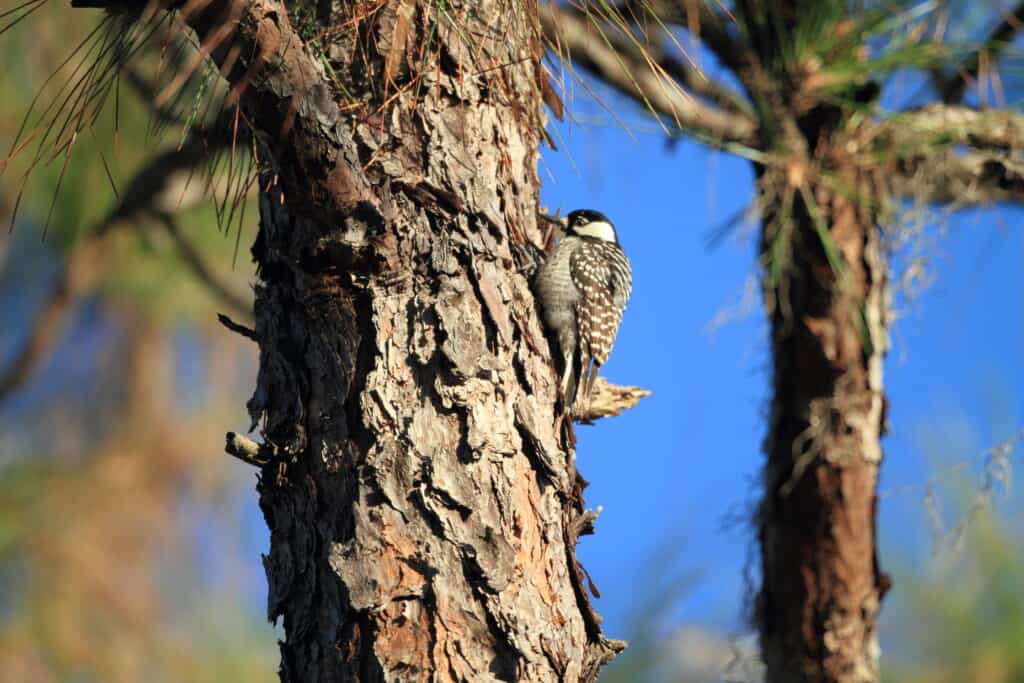
A red-cockaded Woodpecker in Florida pokes around for insects with its sharp beak.
©feathercollector/Shutterstock.com
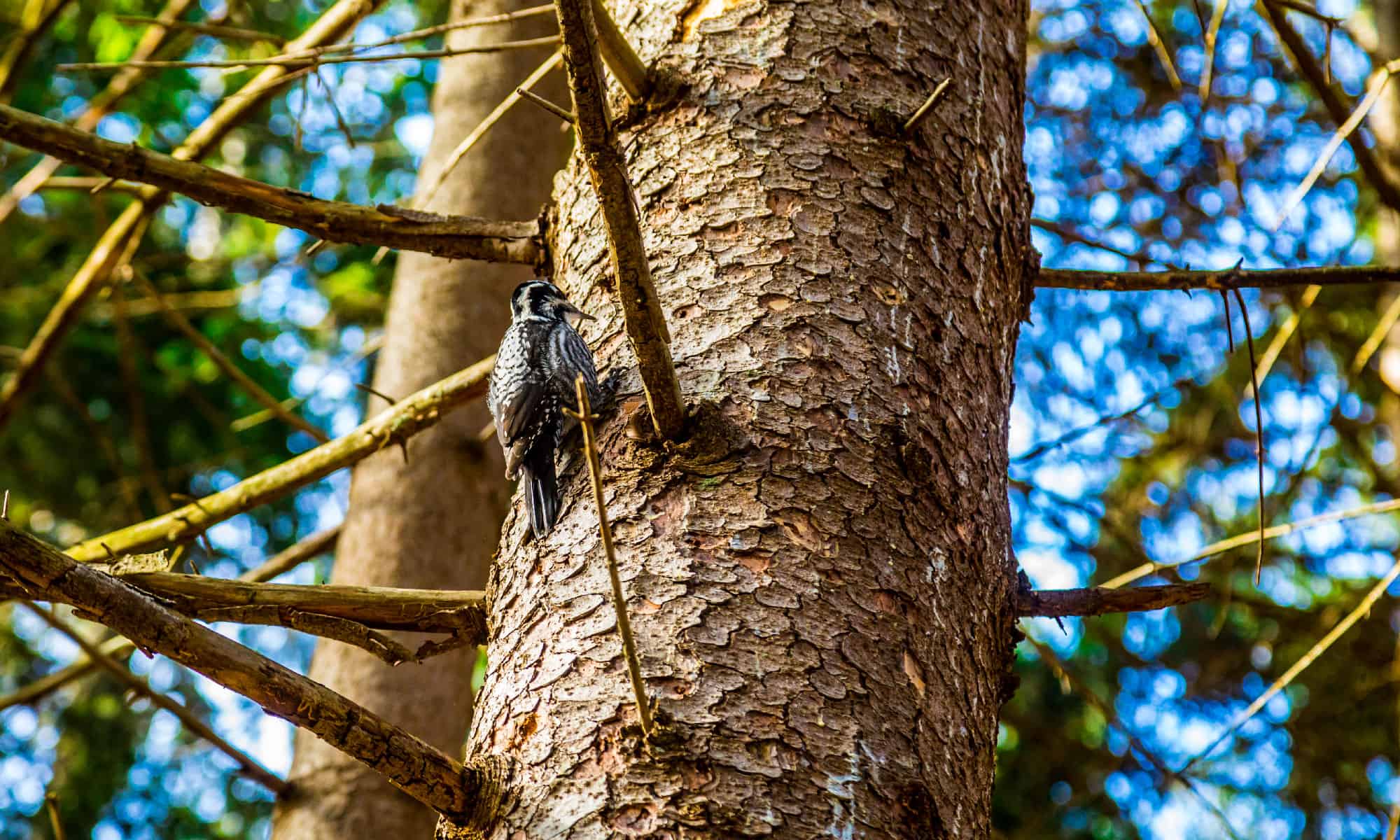
Red-cockaded woodpeckers depend on pine forests to supply their needs for several aspects of their life history. With their sharp beaks, these woodpeckers peel off flaky pine bark and use their sticky tongues to grab insects hiding underneath. Older, bigger trees are favored, likely because they contain more insect prey. Slash pines and loblolly pines are also used, and red-cockaded woodpeckers may need up to 80 hectares of intact habitat (nearly 200 acres) to maintain their breeding groups, according to the U.S. Fish and Wildlife Service.
The most popular foods for a red-cockaded woodpecker are arthropods (insects and other animals with a hard exoskeleton): ants, beetles, spiders, crickets, etc. Nestlings mostly eat arthropods, whereas adults incorporate plant foods in their diets, such as pine seeds, wild cherries, and fruits from the blackgum tree.
Woodpecker Breeding
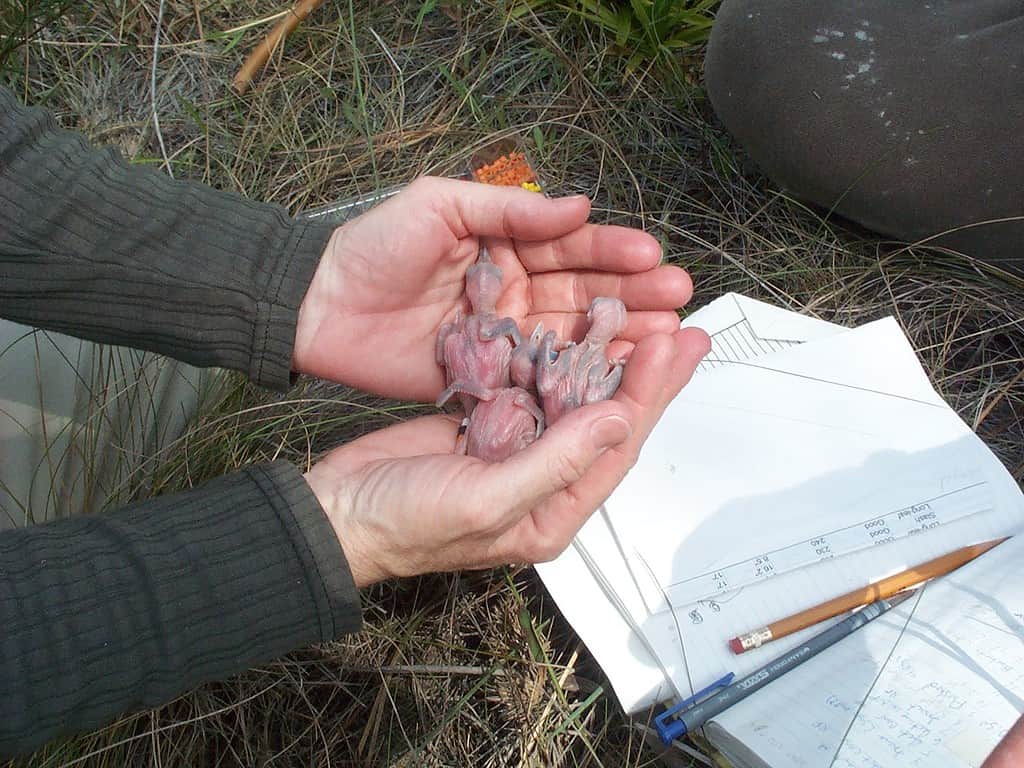
When red-cockaded woodpeckers hatch, they are naked, blind, and helpless.
©Bureau of Land Management / Public Domain – Original / License
Red-cockaded woodpeckers nest in large pines that are old enough—80 to 100 years old—to be infected with a fungus that weakens their heartwood. The nesting pair takes advantage of the softened wood to excavate nesting cavities, each of which may take a year or two to build. From a lumber harvest point of view, this red heart fungus (Porodaedalea pini) should be eliminated, whereas from a woodpecker’s perspective, it’s an essential part of their habitat.
Red-cockaded woodpeckers also rely on pine tree sap to repel predators from their nests. By excavating “resin wells” in their nesting trees, they keep sap flowing out, making it difficult for rat snakes and other predators to enter the nest cavity. Pine resin is noxious and dangerous, in that it can stick and dry on an animal’s body. These woodpeckers are adapted to use resin to their advantage while avoiding it getting stuck on their feathers.
Young red-cockaded woodpecker females tend to disperse from their nests and set up homes elsewhere, but some of the males stay and help their parents raise additional broods of offspring. A breeding group, therefore, consists of the mated pair and several adult helpers. Cleaning waste from the nest cavity and foraging for insects to feed the hatchlings requires a group effort. The clan of woodpeckers will work daily on continuing to excavate the resin wells and otherwise defend their territory from intruders.
Woodpecker Status
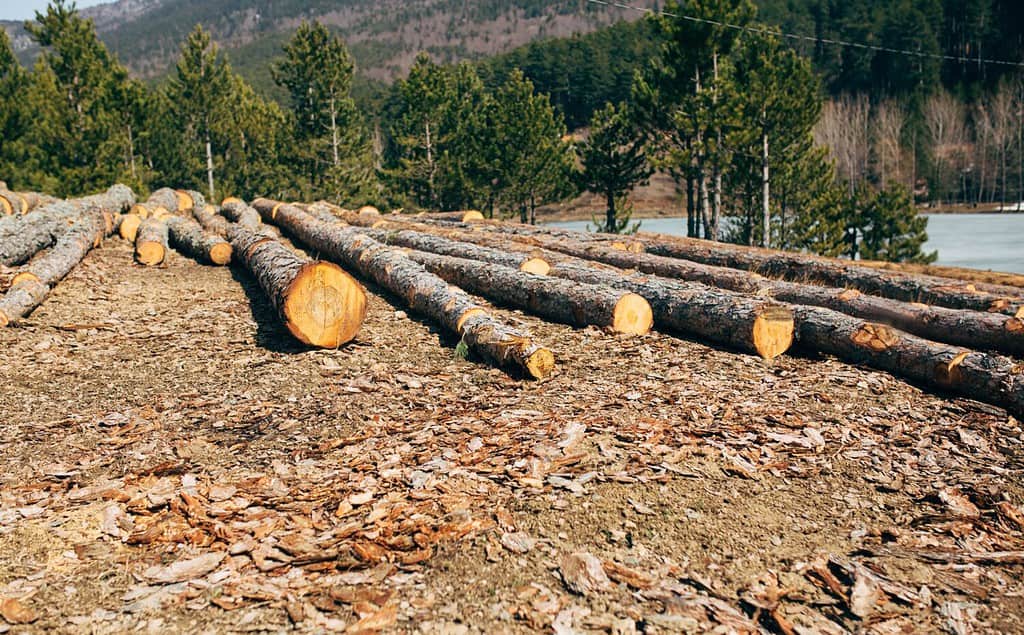
Conversion of pine forests for timber or other uses has threatened red-cockaded woodpeckers.
©Olenaduygu/Shutterstock.com
Despite their historic abundance, the red-cockaded woodpecker is currently listed as Near Threatened on the IUCN Red List and was downlisted from endangered to threatened under the U.S. Endangered Species Act in October 2024. Their current status of Near Threatened reflects a pretty small population that “is precautionarily assumed to be in slow decline based on known threats and local trends.” Today’s combined populations are estimated to contain between 10,000 and 15,000 mature individuals, distributed across approximately 7,800 clusters in 11 states.
A host of human-caused threats has led to the decline of red-cockaded woodpecker populations. Foremost is the conversion of their pine barren habitat, whether for farming, logging, or construction, which has dwindled to about 3 percent of its original extent.
“Historical logging of large pines and the suppression of natural fire have drastically reduced the availability of suitable habitat, making it insufficient to support healthy populations of the species,” Hanni says.
Today, suitable habitat exists only in isolated patches, like small islands, so in many parts of their original range, red-cockaded woodpeckers have disappeared. Even in cases where the open pine forests have been spared, factors like invasive species and fire suppression weaken their suitability for red-cockaded woodpeckers.
Historical logging of large pines and the suppression of natural fire have drastically reduced the availability of suitable habitat, making it insufficient to support healthy populations of the species.
David Hanni, TWRA Bird Conservation Coordinator
Conservation Actions

In addition to building Raptor aircraft, the Tyndall Air Force base has been restoring and monitoring habitats for red-cockaded woodpeckers.
©U.S. Air Force photo by Tech. Sgt. Mike Ammons/public domain – Original / License
Monitoring of red-cockaded woodpeckers showed a steep decline from 1970 – 2014, as their habitats were plowed under in the waves of suburban development. However, as it was increasingly recognized that regular, prescribed burning was needed to maintain the ecological value of open pine forests, the woodpeckers benefited. In swaths of land protected in wildlife refuges or military bases, red-cockaded woodpecker populations increased by up to 50 percent from 1994-2002.
For example, Air Force lands have proved to be a refuge for red-cockaded woodpeckers, according to a new study. As of 2020, Air Force bases harbored 585 potential breeding groups. At Eglin Air Force Base, Florida, breeding groups have increased from 184 to 507 since 1994. Said Brigadier General Scott Cain, “For the past 30 years, the Eglin Natural Resources Office, known as Jackson Guard, has been effectively using fire and numerous forestry techniques, such as drilling artificial cavities and translocation of juveniles, to ensure mission success. My thanks go out to our partners in the U.S. Fish and Wildlife Service, without whom we could not have achieved this goal.”
Cultivating More Pines
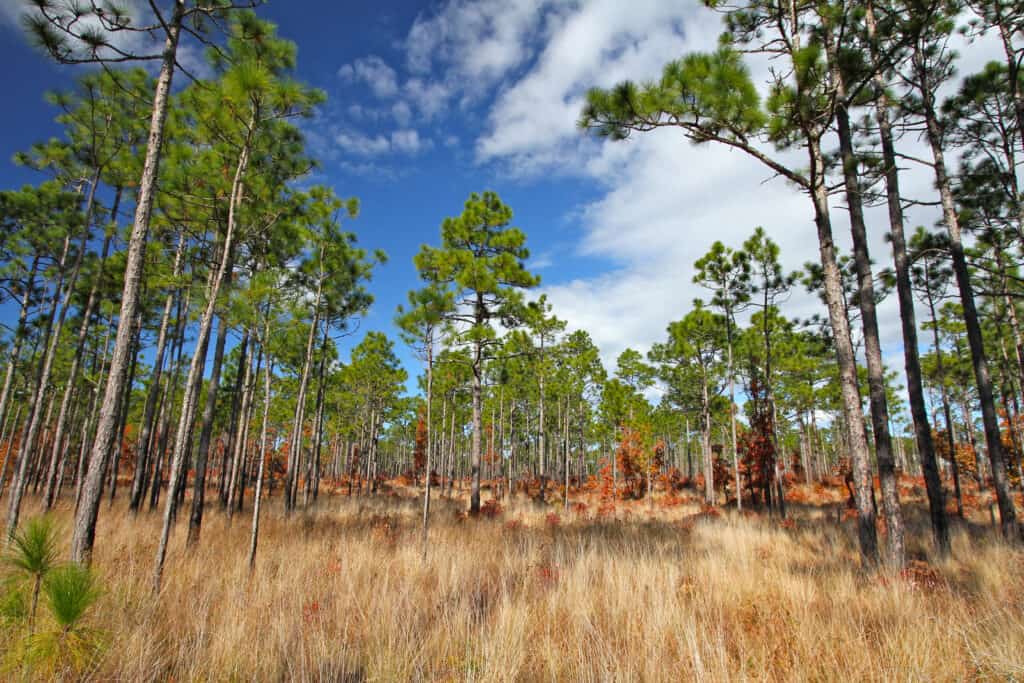
Longleaf pine plantations, if maintained, can become a habitat for native species.
©Ryan McGurl/Shutterstock.com
Efforts to restore pine forests partly rely on growing nursery pines that can be planted to renew pine barren habitats. A nonprofit called the LongLeaf Alliance, for example, has partnered with a North Carolina State University tree improvement program to provide “a reliable source of improved planting material of longleaf pine trees selected for broad adaptability, disease resistance, and a variety of economically important traits,” according to a recent press release. Some of the target traits, such as trunk strength, are important to red-cockaded woodpeckers. Ironically, other traits, like disease resistance, may prevent the red heart fungus from infecting the trees, which could reduce suitable nesting sites for the woodpeckers.
Conservation inevitably faces balancing human needs (in this case, for healthy trees and lumber) with the needs of other species, which makes it all the more exciting that Tennessee is investing resources in recovering the woodpeckers.
Red-Cockaded Woodpecker Recovery in Tennessee
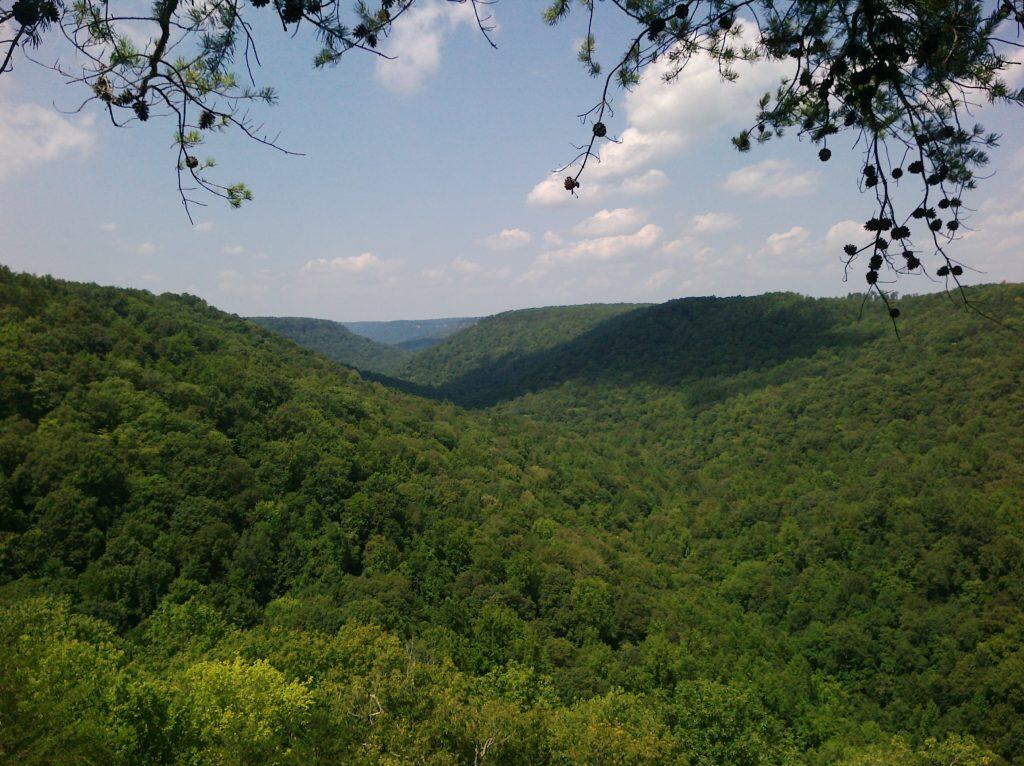
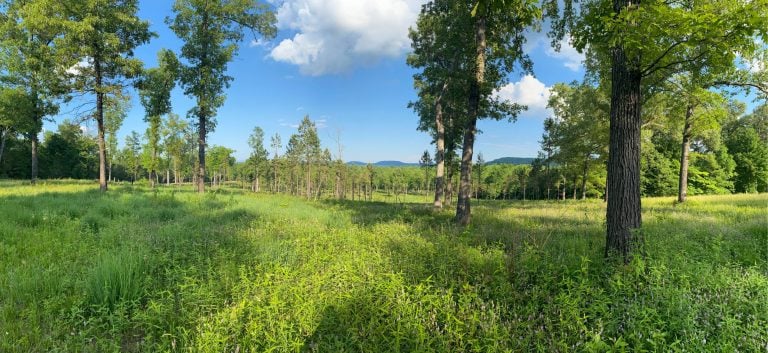
The Savage Gulf natural area will serve as a restoration and release site for red-cockaded woodpeckers.
The last red-cockaded woodpecker known in Tennessee was seen in 1994 in the southeast corner of the state in the Cherokee National Forest, where it abuts North Carolina. The just-launched conservation plan aims to reestablish red-cockaded woodpeckers in Tennessee. In partnership with the Tennessee Department of Environment & Conservation (TDEC) and the U.S. Fish and Wildlife Service (USFWS), the Tennessee Wildlife Resources Agency will oversee the plan to reintroduce the birds to places where they have a chance of getting a foothold.
The state is restoring about 1,200 acres of habitat within the Savage Gulf State Park (south-central Tennessee), designated for the reintroduction of the bird. The initiative began as a habitat restoration project to support the threatened white fringeless orchid, but it has since become a launchpad for woodpecker recovery. Reintroducing fire to the pine forest landscape will help bring back the prairies and savannas that were lost from these ecosystems. The plan is to release a set of red-cockaded woodpeckers obtained from other states by 2028.
Said Tennessee Governor Bill Lee, in a video announcement about the plan, “The return of the Red-cockaded woodpecker is not just a biological milestone, it’s a triumph of collaboration for all Tennesseans… This is conservation at its best, and a promise kept to the land, the people, and future generations of Tennesseans.”
Restoration Benefits to Other Species
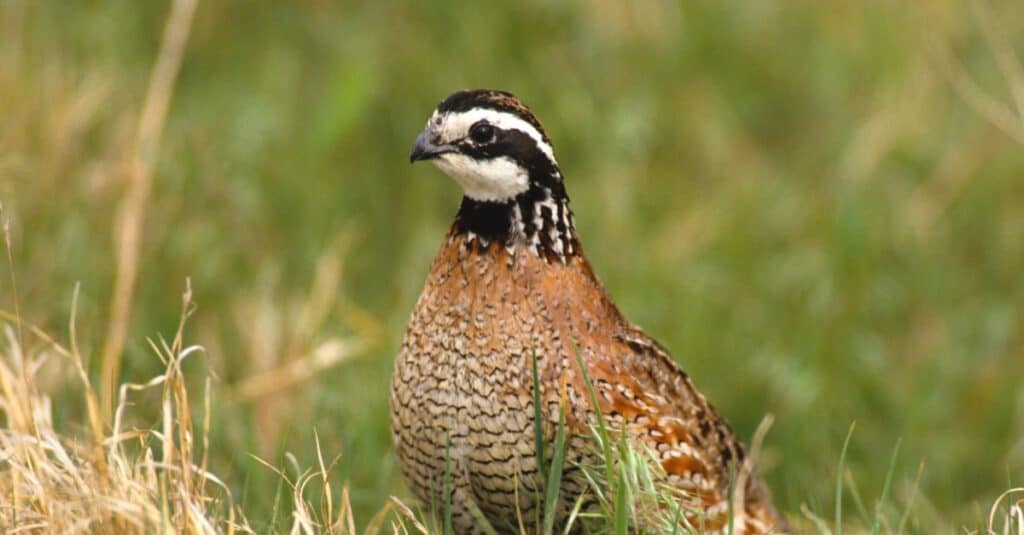
Bobwhite quails forage for insects in the tall grasses of longleaf pine forests.
©iStock.com/twildlife
Restoration of open pine forests will benefit other species as well. For example, bobwhite quail (Colinus virginianus) used to be common across the southeast U.S., roaming around in flocks and making their distinct “bob-bob-bob” calls. The degradation of its forest and meadow habitats has caused Northern Bobwhite populations to decline by about 3.1 percent per year, resulting in a cumulative decline of approximately 81 percent between 1966 and 2019. Like red-cockaded woodpeckers, bobwhite quail eat pine seeds, as well as beetles, centipedes, and other arthropods that they’d find on the ground.
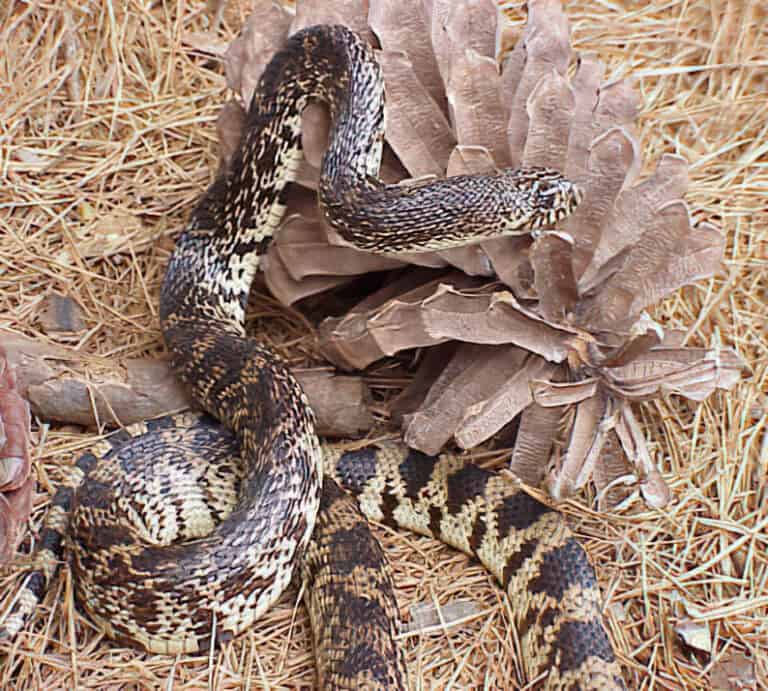
Red-cockaded woodpeckers have a significant impact on southern pine ecosystems and are considered “keystone species” because they shape the ecosystem in ways that benefit other native species. In a study published in the Texas Journal of Science, researchers found that red-cockaded woodpeckers are the main species that excavates cavities in their ecosystems. The cavities “tend to be in high demand by other species,” such as fox squirrels, screech owls, kestrels, and wood ducks, as well as northern pine snakes that prey on woodpecker eggs. Indeed, 24 species of vertebrate animals are known to use red-cockaded woodpecker cavities.
Seeing Red-Cockaded Woodpeckers

Spotting a red-cockaded woodpecker these days requires patience and attentiveness.
©n.k.junky/Shutterstock.com
These days, you are lucky to see any red-cockaded woodpeckers. As an intern for the Conservancy of Southwest Florida, I watched them in the Florida pine barrens about forty years ago, in areas that are now converted for upland development for homes or businesses. Even then, it was exciting to see one in action, since they are a relatively small species, recognizable by their black caps, narrow white eyebrows, large white cheek patches, and the male’s red “cockade” (tiny red line) that sets them apart from other woodpeckers in the Southeast.
These days, your best chance of seeing one is to look in large swaths of protected land in the Southeast, such as national forests and wildlife refuges. Washes of shiny sap flowing down tree holes are a sign that red-cockaded woodpeckers are present, plus their rapid, raspy churt-churt calls.