
Quick Take
- Rio already has a legion of fans worldwide despite almost no one having seen him yet, and his name hints at exactly why expectations are sky-high. Discover Rio's debut →
- The diplomatic chain of events that started panda lending in 1941 was far stranger and more covert than the friendly gesture it's remembered as. Trace the strange origins →
- Breeding giant pandas outside China is so rare that only a handful of countries have ever pulled it off, and one Southeast Asian nation's record dominates all the others. Meet the exclusive club →
A rare event is about to take place at Indonesia’s Taman Safari Zoo: for the first time in three years, a giant panda has been born at a zoo facility outside of mainland China. Officially named Satrio Wiratama and nicknamed Rio, the giant panda cub will make his public debut in late May 2026.
The birth of a giant panda anywhere is significant, given the species’ vulnerable population. However, a giant panda being born in Indonesia is especially noteworthy. It’s a boon for Indonesian tourism, a win for conservation, and a reinforcement of the efficacy of China’s panda diplomacy program. Rio’s arrival also adds Indonesia to an exclusive club of Southeast Asian countries that have successfully bred giant pandas. Let’s learn more about little Rio, his stats, and what the Indonesian Taman Safari Zoo is doing to prepare for his entrance on the worldwide stage.
Meet Satrio Wiratama
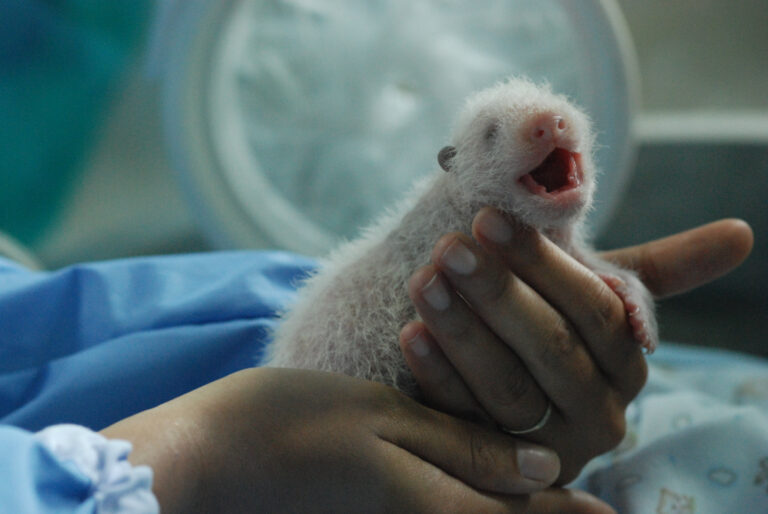
In early to mid-December 2025, news stories started making waves across the web: a giant panda was born at a zoo in Indonesia. Zookeepers named him Satrio Wiratama and gave him the nickname Rio. Born in November 2025 to parents Hu Chun and Cai Tao, Rio was the offspring of two pandas loaned to the Indonesian facility by China as part of its “panda diplomacy” strategy. This makes Rio the only giant panda to have been born outside of mainland China in at least three years.
Now, Taman Safari Indonesia, located in Cisarua, Bogor, has announced that Rio will make his public debut at the end of May 2026. Although only a few photos of the young panda have been released online, Rio has already gained a legion of fans eagerly awaiting his official debut. He has big shoes to fill, as his name, Satrio Wiratama, translates to “brave and noble warrior.”
Panda Diplomacy
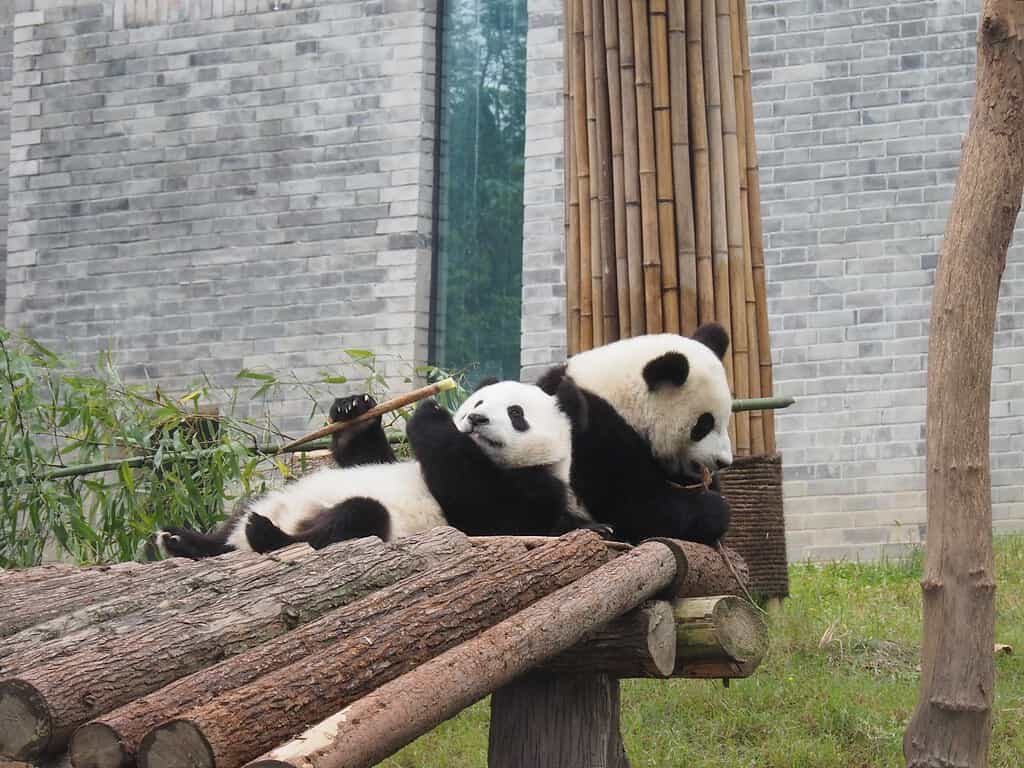
Beginning in the early 1940s, China began sending giant pandas to zoos and other facilities across the world as a diplomatic strategy.
The early recorded history of giant pandas is murky at best. There are only trace mentions of them in ancient records, but their formidable size and striking black-and-white appearance are unmistakable. In the last century, giant pandas have become one of the most potent and enduring symbols of Chinese culture. This was, no doubt, reinforced by the process of panda diplomacy. In 1941, politician and socialite Soong Mei-ling (also known as Madame Chiang) kicked off the process during the Second Sino-Japanese War.
As a dramatic gesture of gratitude to the United States for helping China during the Japanese siege, Madame Chiang arranged for two pandas to be captured in the wild, rehabilitated, and transported to the United States. The pandas were first shipped to Hong Kong, then the Philippines, before finally reaching the U.S. Five months and a national contest later, the pandas were named Pan-dee and Pan-dah and were housed at the Bronx Zoo.
So began a near-century of panda diplomacy. Since this initial gift, China has given dozens of giant pandas to zoos across the world. Even so, successful breeding outside of the country is rare. With the arrival of Rio, Indonesia joins the small list of Southeast Asian countries that have successfully bred giant pandas. These include three cubs in Malaysia and one giant panda cub in Singapore. It should be noted, however, that China’s panda diplomacy strategy comes with conditions for the recipient countries. Since 1984, China has opted for a leasing policy instead of outright gifting.
An Exclusive Club
Despite million-dollar-per-year leasing agreements, China’s panda diplomacy mission has been successful, especially in Southeast Asia. Breeding, in particular, is no easy feat for giant pandas, but some countries in this region have succeeded. Singapore received a pair of pandas in 2012, which were housed in a specially constructed, climate-controlled enclosure. It took years of breeding efforts, including artificial insemination, before the pair produced Le Le in 2021. However, two and a half years later, the young panda returned to China.
Malaysia has undoubtedly been the most successful when it comes to giant panda breeding. A pair named Feng Yi and Fu Wa arrived at the region’s giant panda breeding center in 2014 and have since produced three cubs naturally. All of them have since returned to China.
For Indonesia, the birth of Rio marks a significant conservation milestone. It also commemorates 60 years of diplomatic relations between it and China. With the buzz Rio has already generated on social media, Indonesia expects to see a boost in tourism, particularly from visitors to the Taman Safari facility.
Little Rio’s Debut
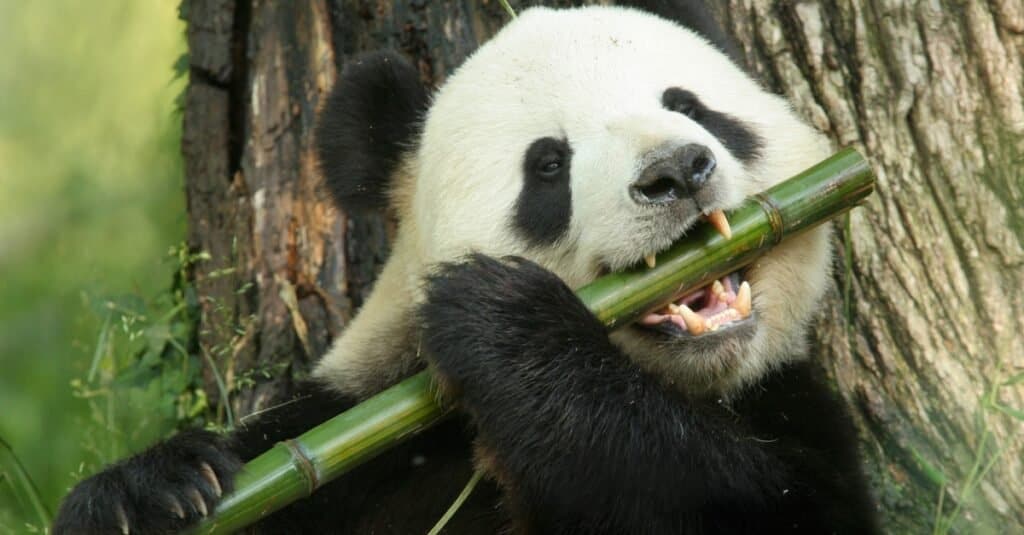
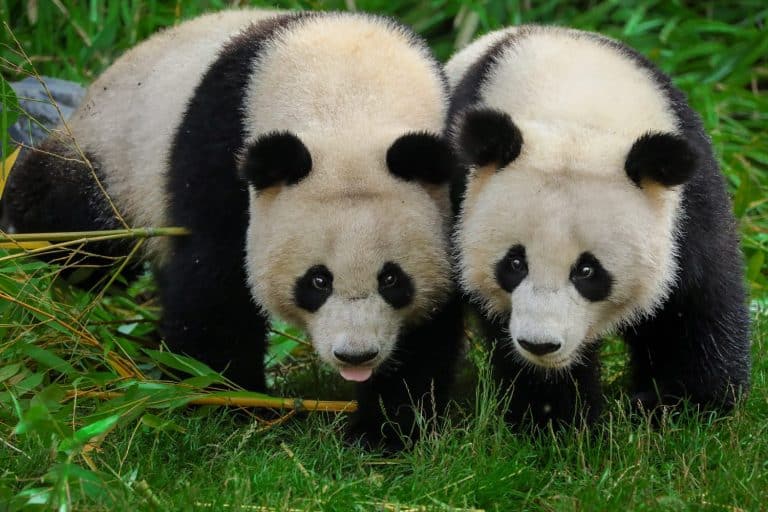
Rio will be housed in a specialized facility designed for the needs of giant pandas.
©Bryan Faust/Shutterstock.com
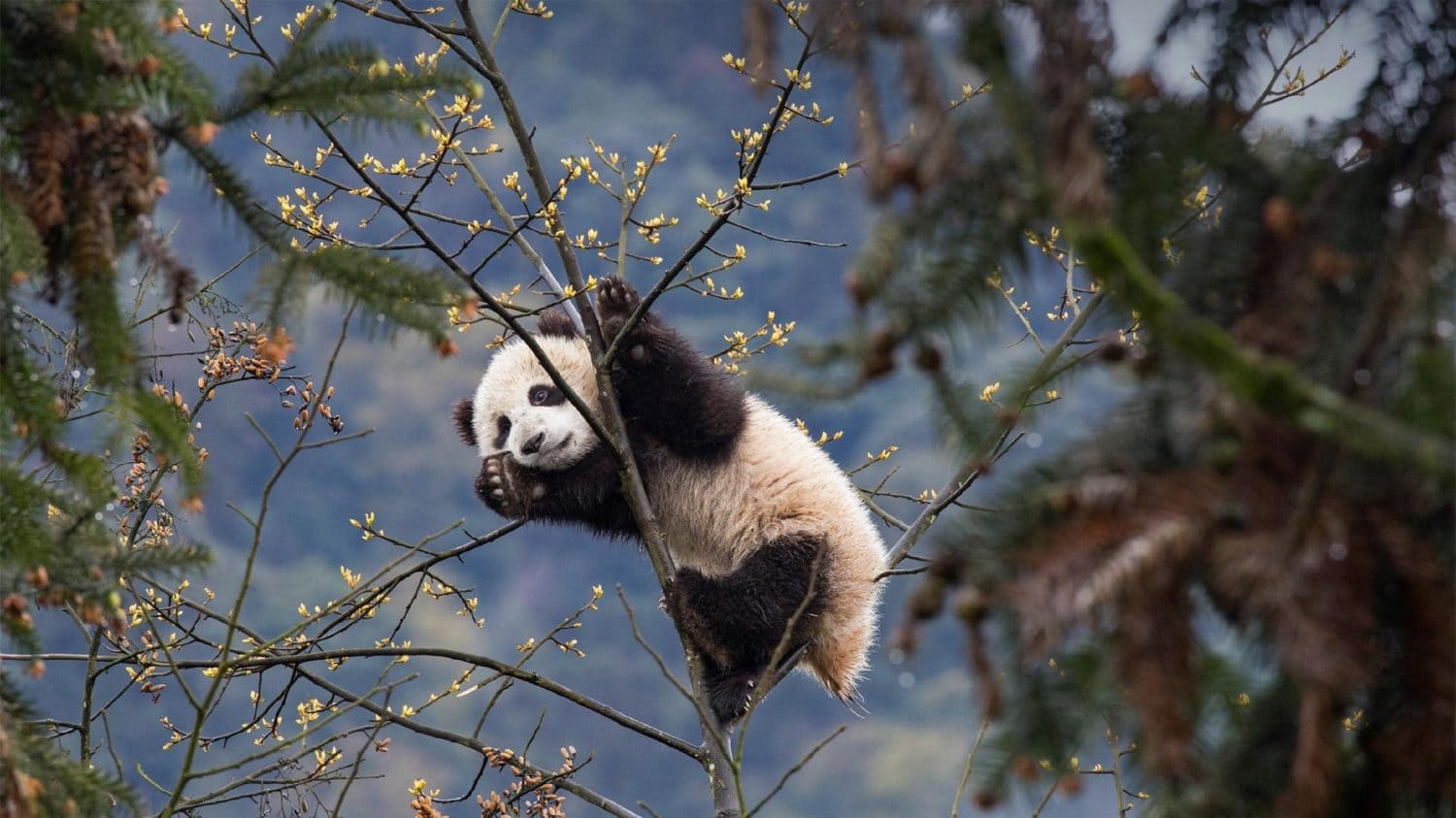
Though Rio has yet to show his face to the world, the zoo he resides in has released some details about the giant panda cub. Rio is currently five and a half months old and weighs a healthy 11+ kilograms. According to Taman Safari veterinarian Bongot Huaso Mulia, Rio is still nursing but is very active and learning to climb. The zoo plans to house Rio in a specialized highland habitat crafted for the needs of giant pandas. Fans will also likely get to see Rio while his coat still retains its youthful reddish hue.