
Quick Take
- A rare jaguar was recently documented in southern Arizona, hinting that these big cats are slowly returning to parts of their old U.S. range.
- The sighting shows that jaguars still depend on connected wild corridors between Mexico and Arizona to travel, hunt, and find new territory.
- Protecting these corridors and planning land use carefully can support jaguar recovery while helping people, pets, and wildlife share the landscape more safely.
A newly documented jaguar in southern Arizona suggests that this powerful cat is slowly reclaiming parts of its historic U.S. range. At the same time, the sighting highlights how fragile that return remains. Long-term recovery depends on open, protected corridors between Arizona and northern Mexico. Researchers recorded the animal in late 2025, adding another data point to a pattern of rare but increasingly frequent sightings. These observations reflect conservation progress in Mexico while also exposing ongoing pressures from habitat loss, climate shifts, and expanding border infrastructure in the Sky Island borderlands.
A Brief History of Jaguars in Arizona

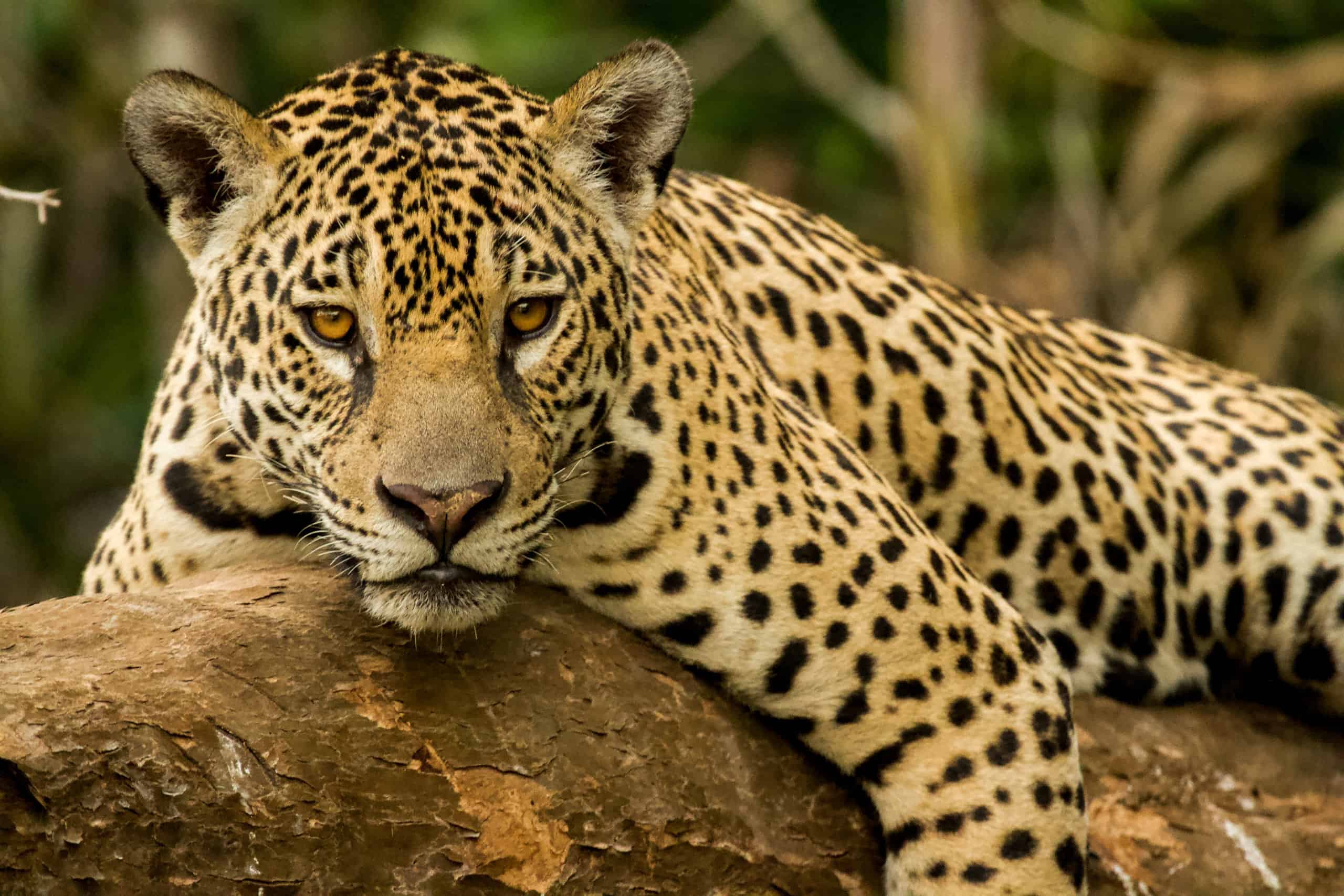
Until the middle of the 20th century, jaguars still hunted in Arizona.
©fotomak/Shutterstock.com
Jaguars once ranged across much of southern Arizona and New Mexico. By the mid-20th century, people had largely eliminated them from the United States. Predator control programs supported by federal and state agencies encouraged the killing of large carnivores. Ranchers and hunters also targeted jaguars to protect livestock and game species. Habitat changes accelerated that decline. Grazing, farming, road construction, and growing towns broke apart the connected landscapes jaguars needed. By the time conservation laws gained traction, the species had nearly vanished north of the border.
A Rare Visitor
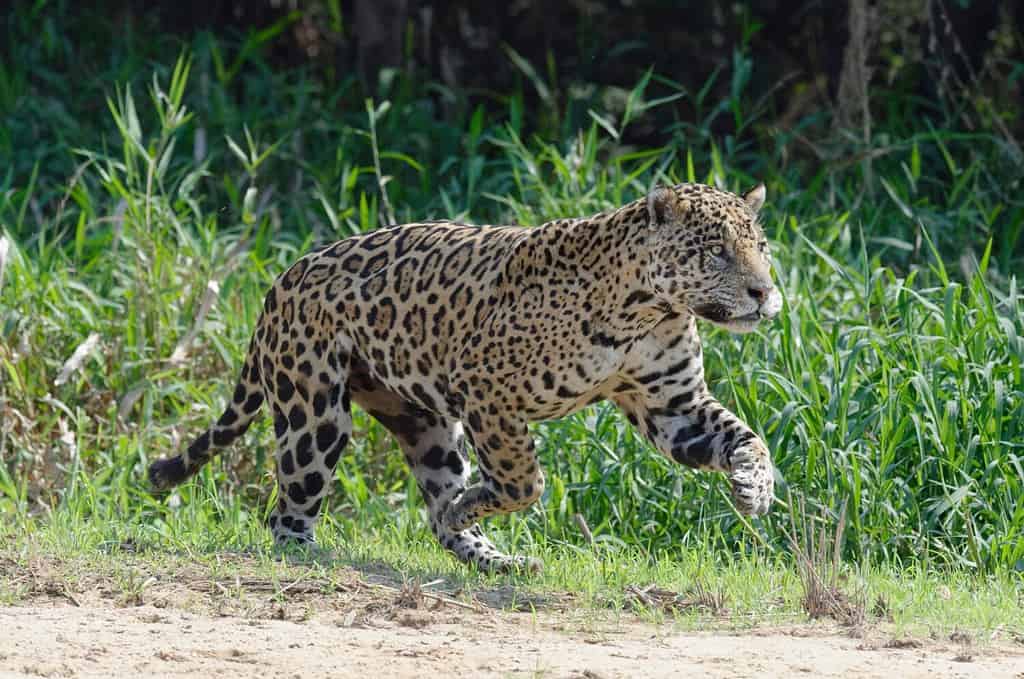
Individual jaguars can be distinguished by the unique pattern of their coats.
©imageBROKER.com/Shutterstock.com
In November 2025, a remote camera at a watering site in southern Arizona captured clear images of a jaguar. By comparing its unique rosette (spot) patterns with those of previously identified animals, researchers confirmed that the animal had not appeared in any prior records from the region. Scientists at the University of Arizona’s Wild Cat Research and Conservation Center identified the cat as the fifth distinct jaguar documented in southern Arizona over roughly the past 15 years. Each of those animals crossed north from Mexico, and all were male.
The Sky Islands and Why They Matter
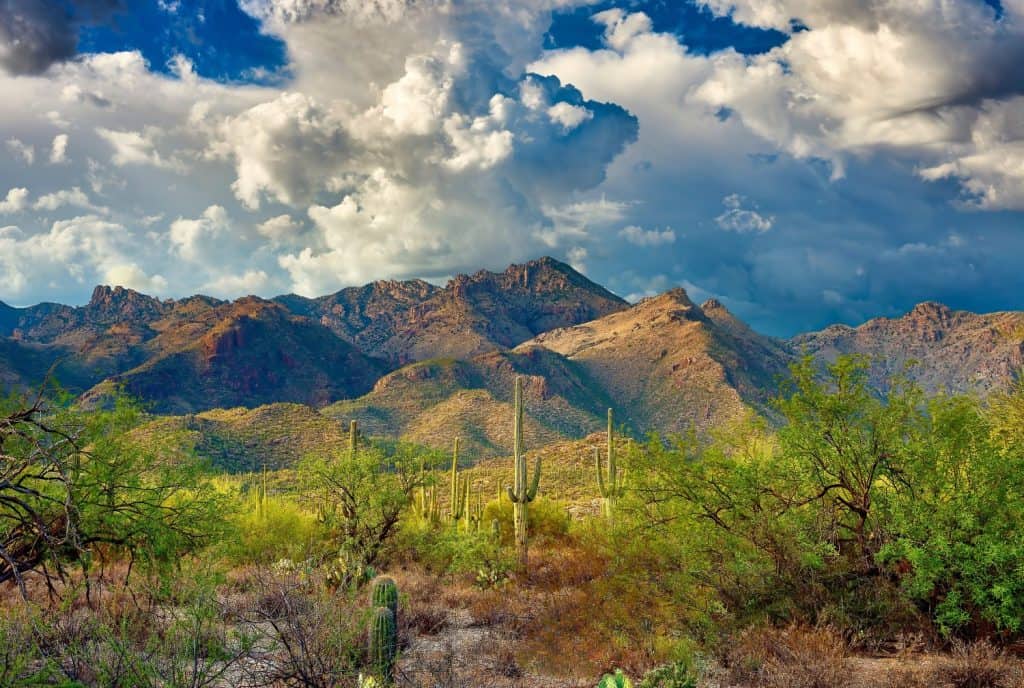
The Santa Catalina Mountains are part of the Sky Islands range.
©Wirestock Creators/Shutterstock.com
The Sky Islands form a chain of isolated mountain ranges stretching across southern Arizona and northern Mexico. These ranges rise from desert lowlands into cooler forests and woodlands. For wide-ranging animals, they offer cover, water, and prey within an otherwise harsh landscape. Wildlife can use the forested canyons and oak-pine slopes to find shelter from heat and human activity. Riparian corridors and desert grasslands connect one range to the next, allowing stealthy movement without crossing long stretches of open terrain. The Sky Islands, therefore, function as a biological bridge between established breeding populations in Sonora, Mexico, and potential habitat in the United States.
Water, Prey, and the Limits of Habitat
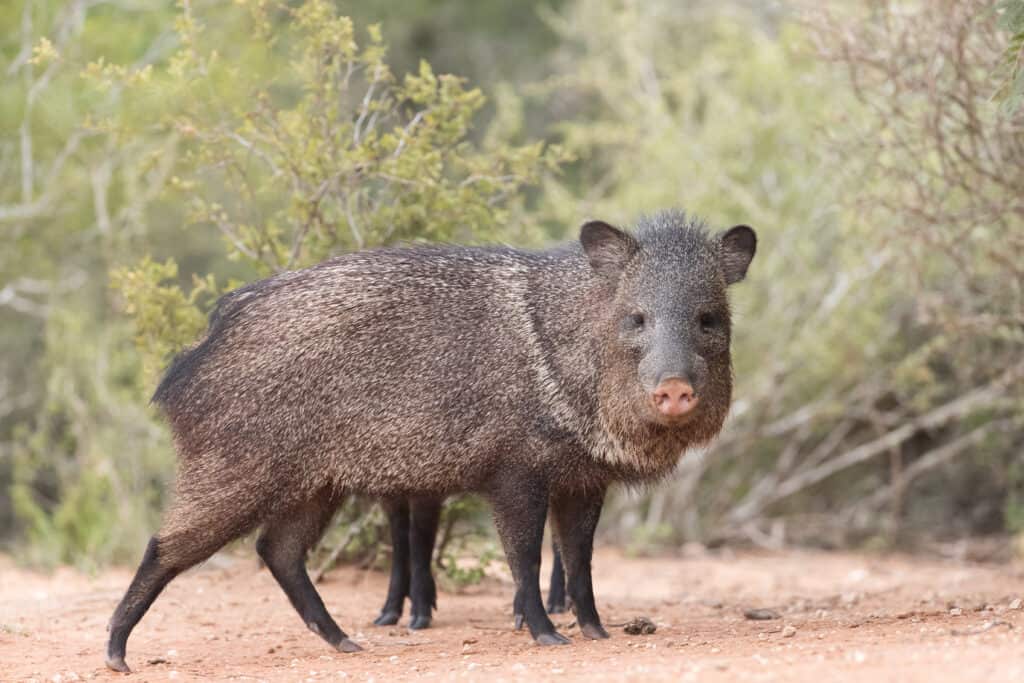
The javelina is a good food source for jaguars.
©Dennis W Donohue/Shutterstock.com
Southern Arizona sits at the extreme northern edge of jaguar habitat. Survival there depends on a narrow set of conditions. Jaguars need reliable prey, access to water, and enough cover to move without constant human contact. Deer, javelina, and other medium-sized mammals provide food in the Sky Islands. Water remains the most limiting factor. Drought and rising temperatures strain natural springs and seeps. Artificial stock tanks, originally built for cattle, now serve as important water sources for wildlife.
Recognizing this need, agencies and conservation groups have improved water infrastructure on public lands. Efforts within Coronado National Forest and surrounding areas focus on maintaining drinkers and ponds along key corridors. These resources help jaguars and other species move across the borderlands during dry periods, reducing the risk of dehydration and conflict.
Corridors, Connectivity, and Cross-Border Movement
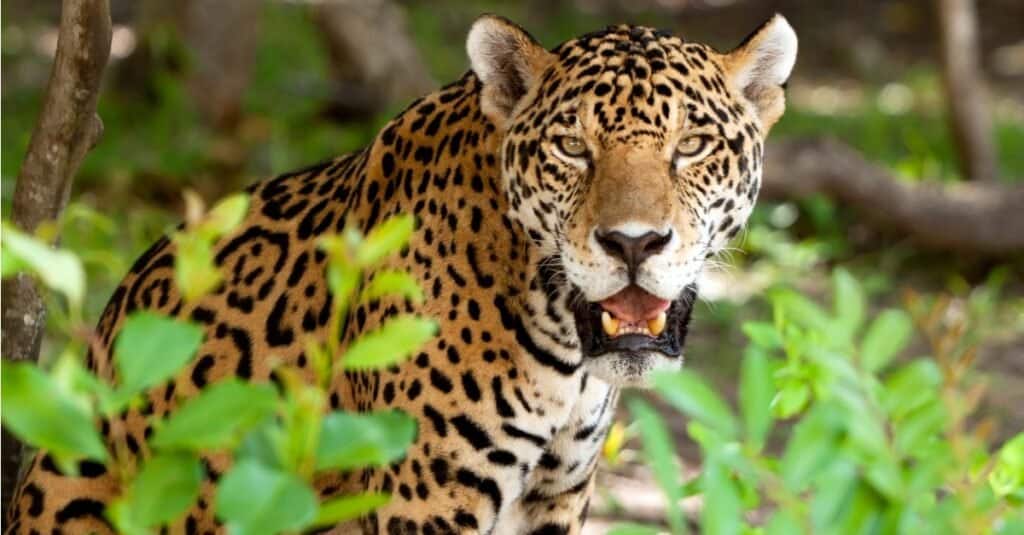
Jaguars prefer to stay under the cover of vegetation rather than move out in the open.
©iStock.com/Patryk_Kosmider
The 2025 sighting underscores the importance of intact corridors between Sonora and Arizona. Jaguars do not move through isolated habitat patches. They require connected routes that allow safe passage across large distances. Biologists working on initiatives such as Borderlands Linkages have mapped priority corridors based on terrain, vegetation, water availability, and development pressure. These pathways connect the Sky Islands with the northern Sierra Madre, creating a network that supports long-distance movement.
Several corridors, including the Patagonia–Santa Rita and Three Canyons linkages, have gained partial protection through conservation easements and land purchases. These efforts aim to keep routes open for jaguars, mountain lions, and black bears. As fencing and walls harden much of the border, remaining open corridors become increasingly critical for genetic exchange and population health.
Policy Decisions

Border barriers intended to manage immigration also disrupt the ability of wildlife to migrate over the border.
©U.S. Customs and Border Protection / Public Domain – Original / License
The appearance of a new jaguar carries clear implications for policy and planning. In recent years, regulators revised critical habitat designations for jaguars under the Endangered Species Act. A 2024 rule reduced the area officially recognized as habitat in southern Arizona. The continued use of these landscapes by dispersing males raises questions about those decisions. Evidence from camera traps suggests that jaguars still depend on areas now excluded from formal protection.
The sighting also intensifies debate over waiving environmental laws for border barrier construction, as each new segment can undo decades of corridor planning. Border infrastructure presents a particularly serious challenge. Walls, fencing, and patrol roads narrow or sever wildlife routes. In some areas of the Sky Islands, long stretches of wall already disrupt movement. Scientists warn that continued construction could trigger cascading effects for species that rely on cross-border travel, including jaguars attempting to reenter their former habitat.
How Arizonans View the Jaguar’s Return
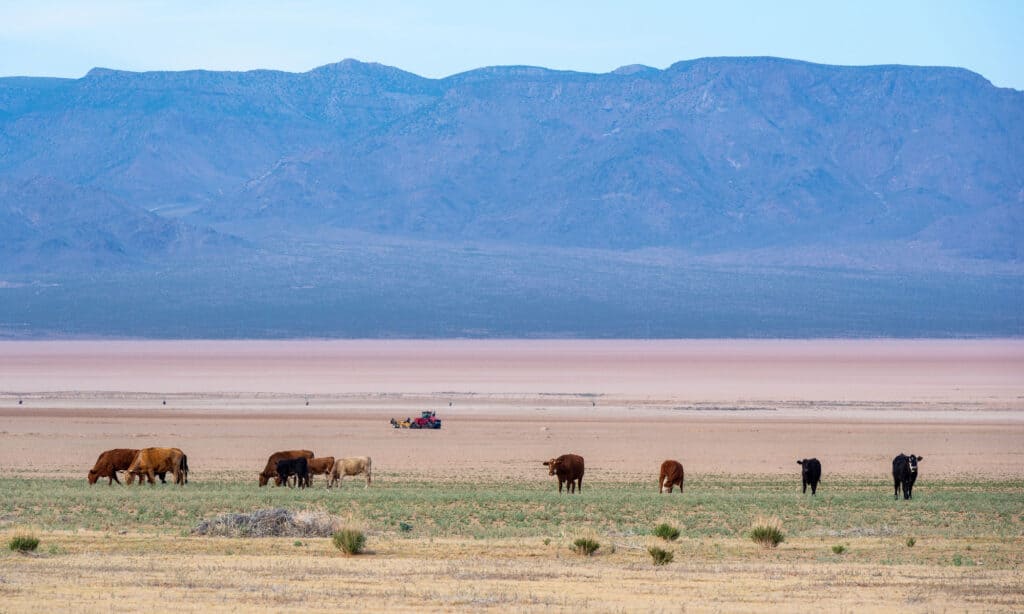
Arizona ranchers are not as keen to see big cats return to the environment as some people in urban and suburban areas, who are unlikely to encounter them.
©iStock.com/Gregory Clifford
Public reaction to jaguar sightings in Arizona remains divided, shaped less by fear of the animal and more by disagreement over land use and governance. In urban and suburban areas, many residents view the jaguar as part of the region’s natural heritage and support science-based monitoring. For these communities, the animal’s rare appearance draws interest rather than concern. Many people also see the reappearance of such an exotic species as a hopeful sign that the environment is recovering in some areas, which contrasts with the typically negative news we hear about environmental issues.
Rural residents and ranching communities often express more skepticism. Although conflicts with jaguars in Arizona are essentially nonexistent, opposition centers on worries about federal regulation, land-use limits, and border infrastructure. For these groups, the jaguar represents potential policy consequences rather than a direct safety issue.
State wildlife agencies generally take a cautious stance, emphasizing monitoring over active recovery and noting the absence of a breeding population. Federal agencies recognize jaguars under the Endangered Species Act but have taken inconsistent positions on habitat protection. As a result, Arizona largely allows jaguars to pass through while avoiding firm commitments about long-term return.
What Does This Mean for Residents and Pet Owners?

Though jaguars are not widespread enough to be a serious danger to Arizonans, other predators are reason enough to make sure to keep your dog leashed.
©thka/Shutterstock.com
For people living near Arizona’s Sky Islands, the jaguar’s return is such a rare and infrequent occurrence, it does not change everyday safety for residents, hikers, or pet owners. Jaguars in Arizona avoid people and move through remote terrain, making encounters extraordinarily unlikely and requiring no new precautions.
However, the news can be a reminder to reinforce habits that already make sense because of far more common predators such as cougars, coyotes, bobcats, and birds of prey. Keeping small pets indoors at night, securing livestock, removing attractants like pet food, and leashing dogs on trails help reduce risk.
The 2025 jaguar sighting in southern Arizona signals a small but meaningful sign of resilience, showing that a species once thought gone from the United States is still testing the edges of its former range. Its future depends on choices made now, including border infrastructure, habitat corridors, climate adaptation, land-use planning, and local community decisions in the areas these cats must cross. While the sighting does not guarantee recovery, it confirms that a path north still exists. Keeping that path open will determine whether jaguars return as rare visitors or become lasting residents.