
Quick Take
- People in cities and suburbs are encountering wildlife more frequently due to development, climate change, and habitat loss.
- Culling can be surprisingly counterproductive, while prevention, coordination, and humane management make it easier to co-exist.
- Neighborhoods can lower risk by removing food sources, protecting pets, and planning with wildlife in mind.
Human-wildlife encounters are happening more and more often in cities and suburbs across America. These encounters are changing how people think about their safety and daily routines when living near natural spaces. Reports of wild hogs moving through neighborhoods in Eagle Pass, Texas, and a large black bear sheltering beneath a house in Altadena, California, raise alarm for many people. As a result of habitat loss, climate pressure, and land-use change, encounters that once felt rare now occur regularly in many regions. Residents need to understand why more encounters with urban wildlife are happening and how to respond in ways that protect people, pets, livestock, and the wild animals themselves.
Two Headline Encounters
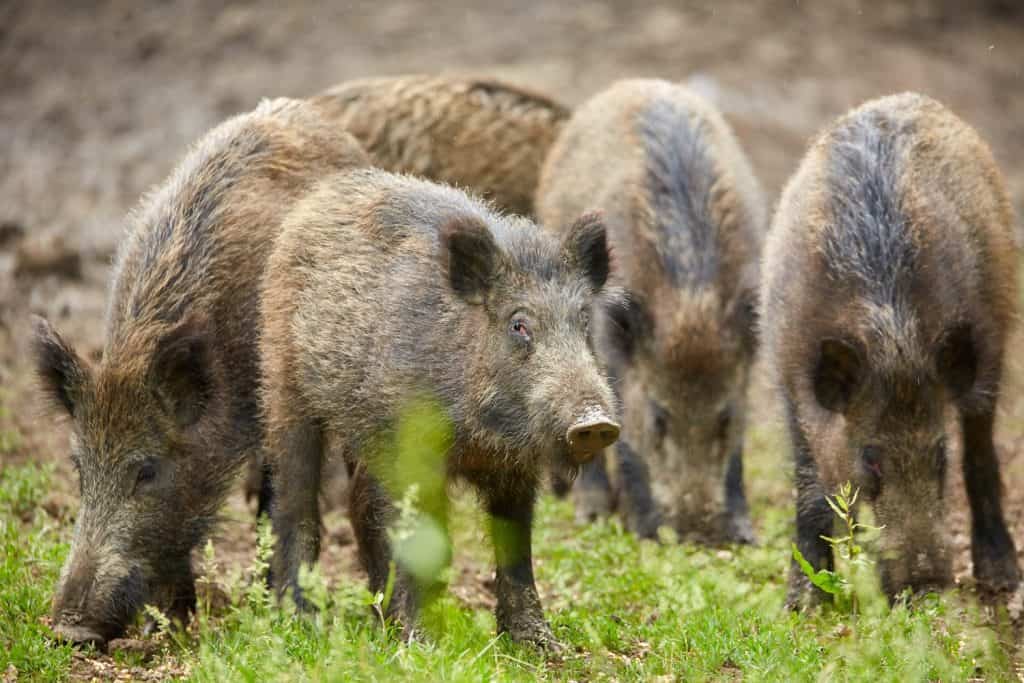
Wild hogs are an invasive species found in most U.S. states.
©Slatan/Shutterstock.com
In late 2025, police in Eagle Pass warned residents after wild hog sightings increased inside city neighborhoods near the Rio Grande. Officers urged residents to keep a distance from the animals and avoid attempts to scare them away. Police also reminded the public that discharging firearms within city limits violates local law. Officials linked the hog activity to seasonal movement and encouraged residents to report sightings. This approach allowed trained professionals to coordinate trapping and removal, rather than forcing residents into risky encounters.
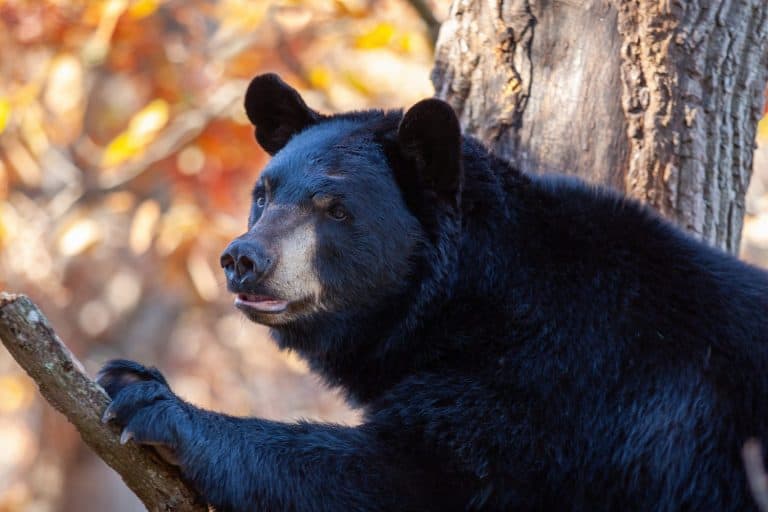
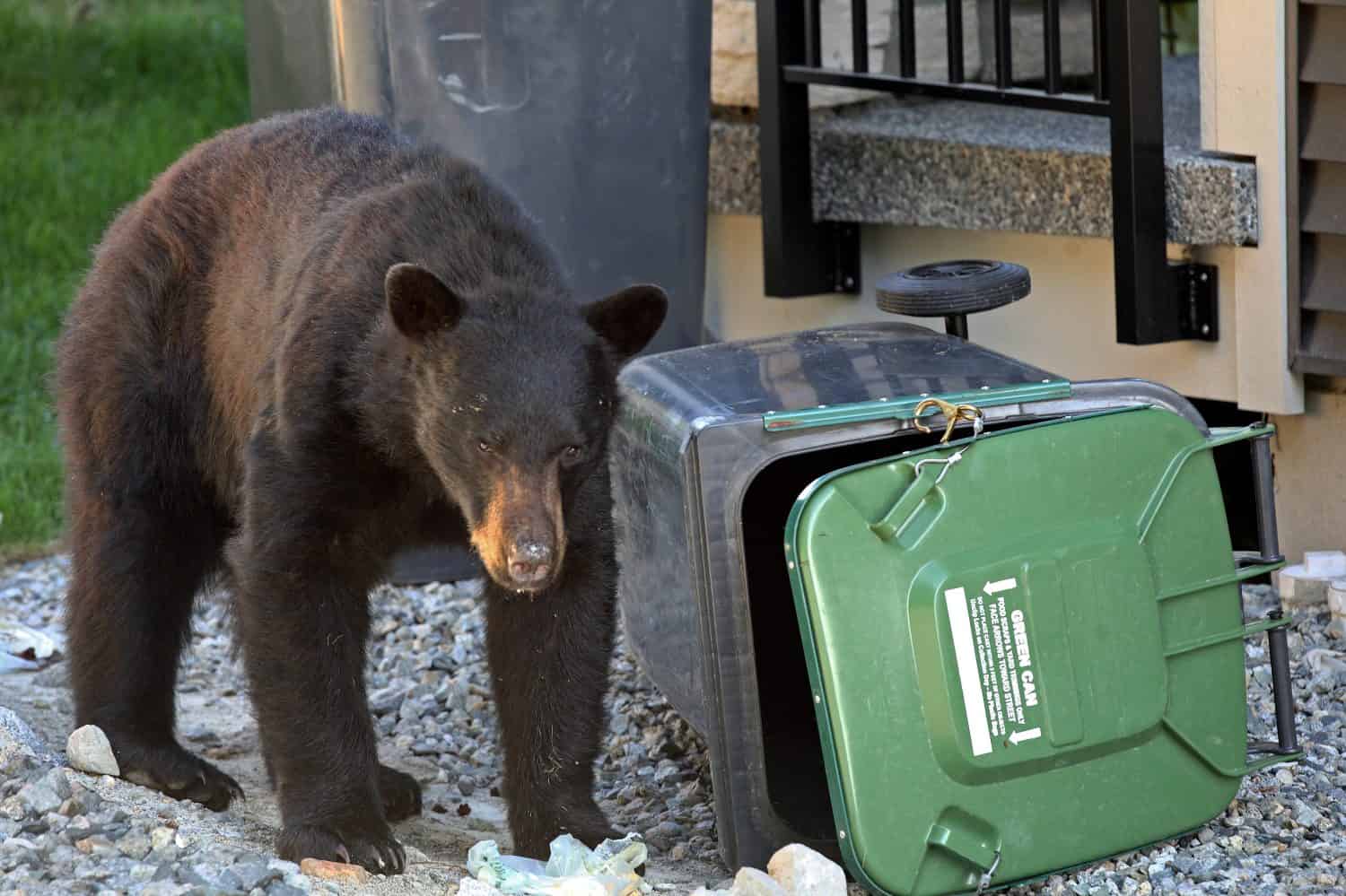
During the same period, a homeowner in Altadena discovered a black bear weighing roughly 500 to 550 pounds living beneath his house. The crawlspace provided insulation and protection similar to a natural den. California wildlife officers monitored the bear for several days while preparing a nonlethal response if the animal refused to leave. The incident drew attention because it occurred in a quiet residential area rather than a remote forest.
From Isolated Stories to a Broader Pattern
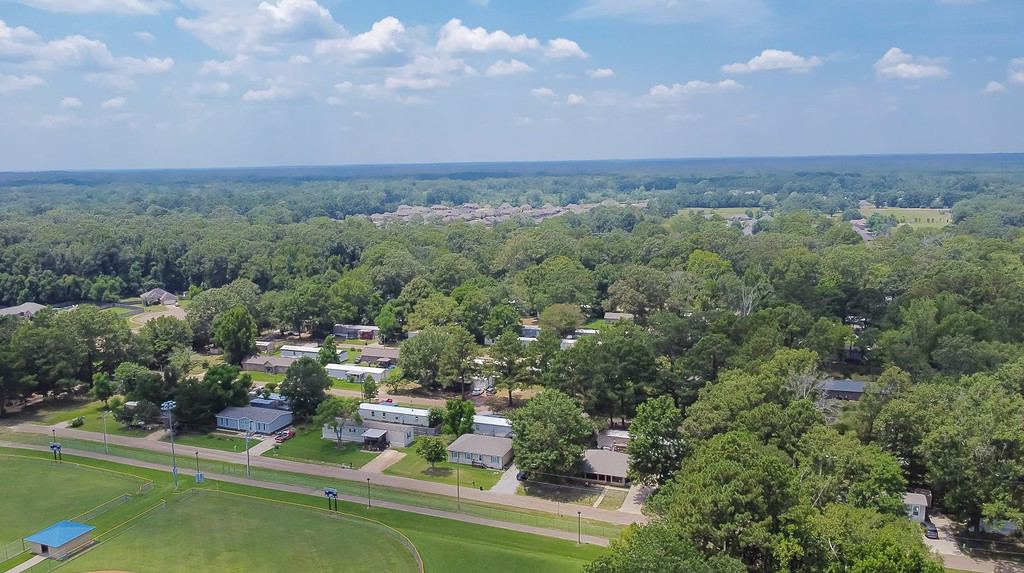
Suburban developments often have trees and landscaping that shelter wildlife passing through.
©Trong Nguyen/Shutterstock.com
These incidents reflect widespread ecological and social trends rather than isolated events. Urban wildlife now uses human-dominated spaces for shelter, movement, and food. Roads, homes, and landscaped corridors intersect with animal travel routes that once passed through an uninterrupted habitat.
As animals adapt to these conditions, communities must reconsider how they define neighborhood boundaries. Wildlife no longer stays outside developed areas. Animals now move through yards, beneath houses, and along city corridors. These changes challenge long-held assumptions about the separation between human space and wildlife habitat.
Why Encounters Are Increasing
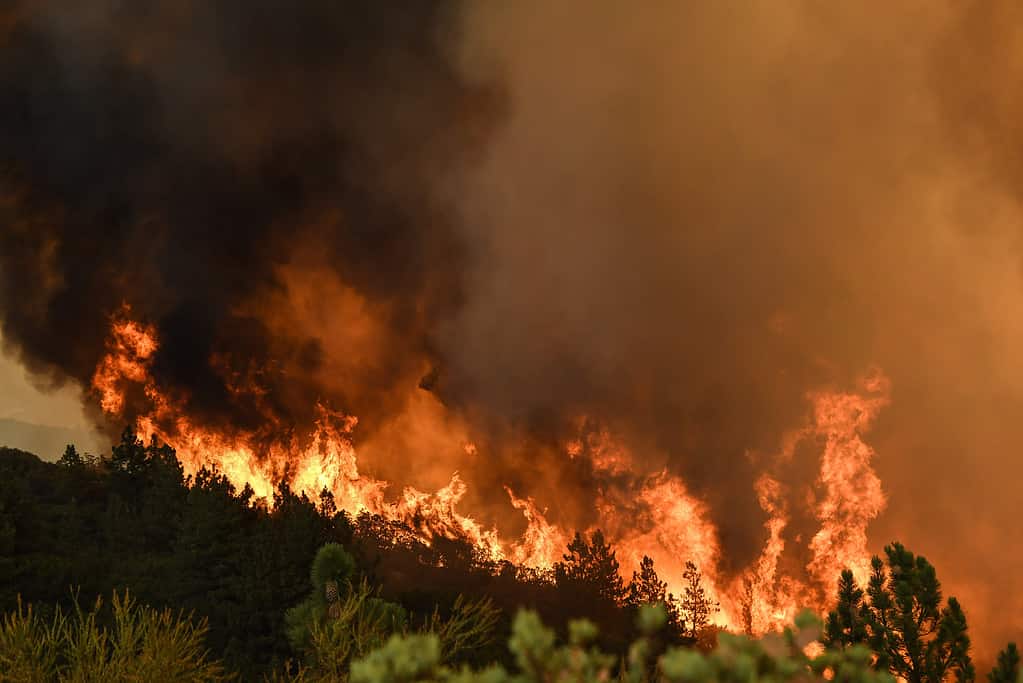
Wildfires destroy habitat and sometimes displace animals into areas of human development.
©Cy Phenice/iStock via Getty Images
Several forces push people and wildlife into closer contact across the United States. Development fragments habitat and reduces the size of natural areas. Animals cross roads, subdivisions, and farms to find food, water, and mates. Agriculture and infrastructure divide landscapes that once supported wide animal movement. At the same time, creeks, greenbelts, and parks function as travel corridors within developed areas. Lawns, gardens, trash containers, and outdoor pets provide reliable food sources.
Climate change adds pressure by altering vegetation, water availability, and seasonal cues. Some species shift their ranges toward cooler regions or higher elevations. Others move closer to towns where irrigation, shade, and shelter remain available during drought and heat.
Wildfires and extreme weather events also displace wildlife. Large fires remove cover and food across wide areas within days. Displaced animals seek shelter wherever protection exists, including suburbs and residential neighborhoods.
Wild Hogs as Invasive Neighbors
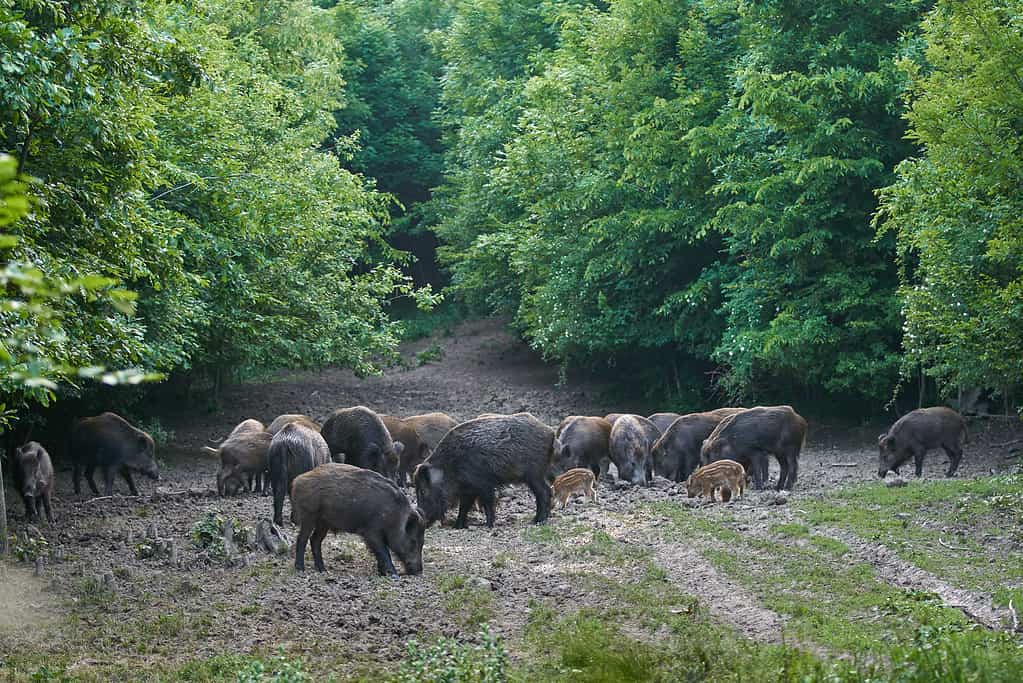
Wild pigs can multiply rapidly when food is abundant.
©iStock.com/xalanx
Feral hogs, also called wild hogs or wild pigs, rank among the fastest-spreading invasive species in the United States. They descend from escaped domestic pigs and imported wild boar. Their reproductive capacity allows populations to grow quickly when food is abundant.
Hogs damage crops, destroy lawns, and degrade ecosystems through rooting and wallowing. In Texas, hogs now occupy rural, exurban, and suburban landscapes. Sightings in areas like Eagle Pass and in North Texas neighborhoods near rivers and greenbelts now occur regularly.
Cities increasingly rely on licensed trappers and coordinated state and federal programs to manage hog populations. Officials discourage residents from confronting animals directly. Uncoordinated actions increase danger without reducing long-term population levels.
Bears Along the Wildland Boundary
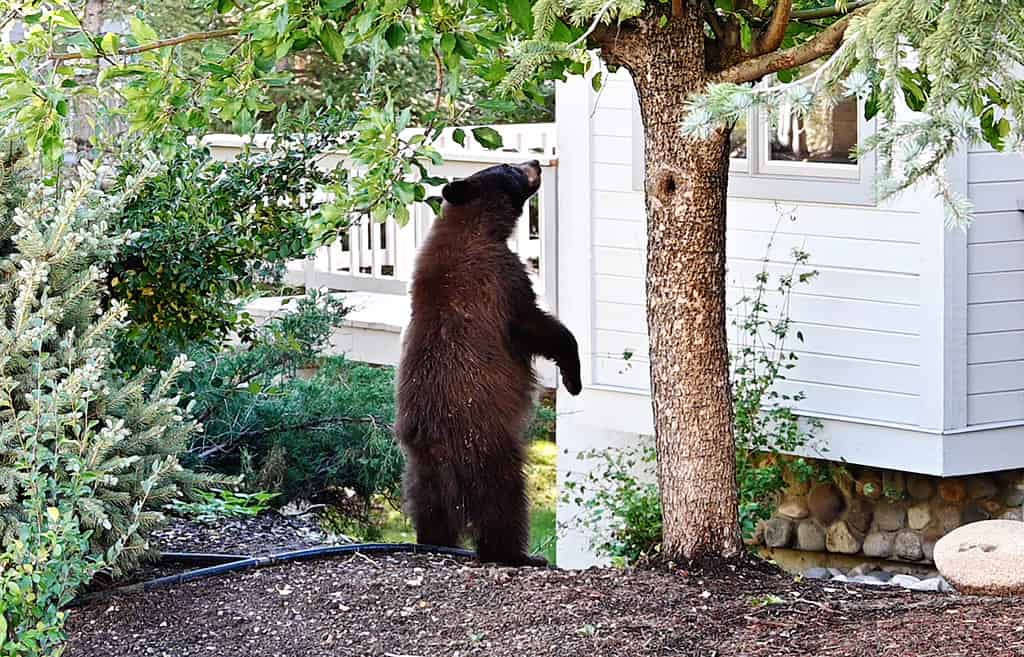
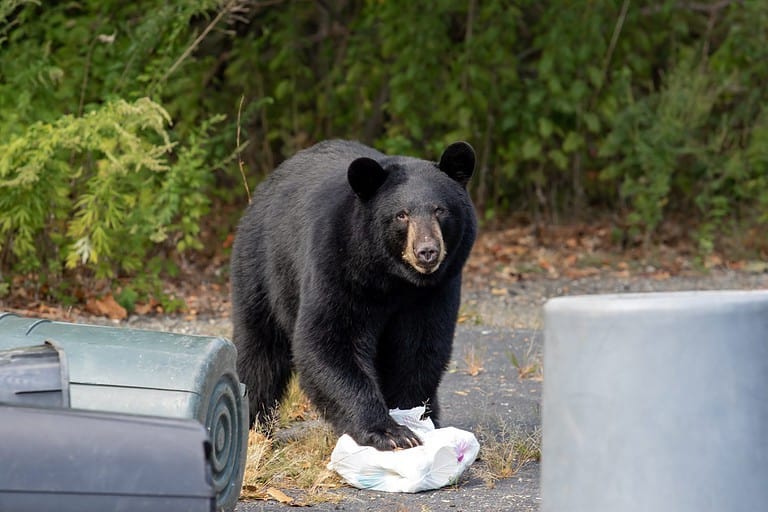
Sometimes the smell of food attracts black bears to break into homes with open windows or doors.
©steverts/iStock via Getty Images
Black bears in California and other western states demonstrate a different pattern of adaptation. In foothill communities like Altadena, homes sit close to undeveloped land and canyon systems. Bears have visited trash bins and fruit trees in these areas for decades.
Recent wildfire activity has changed the frequency and intensity of these visits. Fires reduce natural food sources and shelter. Bears move into the remaining cover, which may include residential structures. Crawlspaces, decks, and sheds offer insulation similar to natural dens.
Wildlife officers often monitor bears before intervening. Agencies prefer voluntary movement whenever possible. Relocation carries risks and does not guarantee that bears will avoid developed areas in the future.
Risks for People and Animals
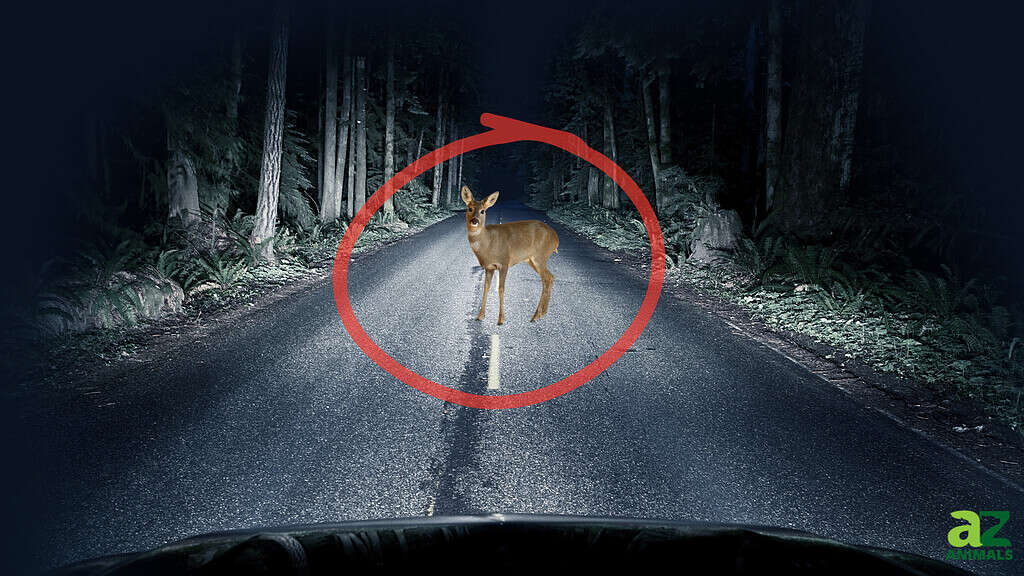
Car accidents are one of the dangers of increased wildlife in suburban areas.
©welcomia/ via Canva.com
Most urban wildlife encounters do not cause injury, but risks vary by species and context. Feral hogs cause extensive property damage and can injure people or pets when threatened. Bears usually avoid people, but animals that den near homes can pose danger when startled in confined spaces such as garages or crawlspaces.
For pets, risks extend beyond direct encounters with wildlife. Hybridization between coyotes and free-roaming domestic dogs has been documented in areas where their ranges overlap. Supervising pets outdoors and ensuring dogs are spayed or neutered reduces conflict and the birth of unwanted hybrids with unpredictable characteristics.
Disease Risks in Shared Environments
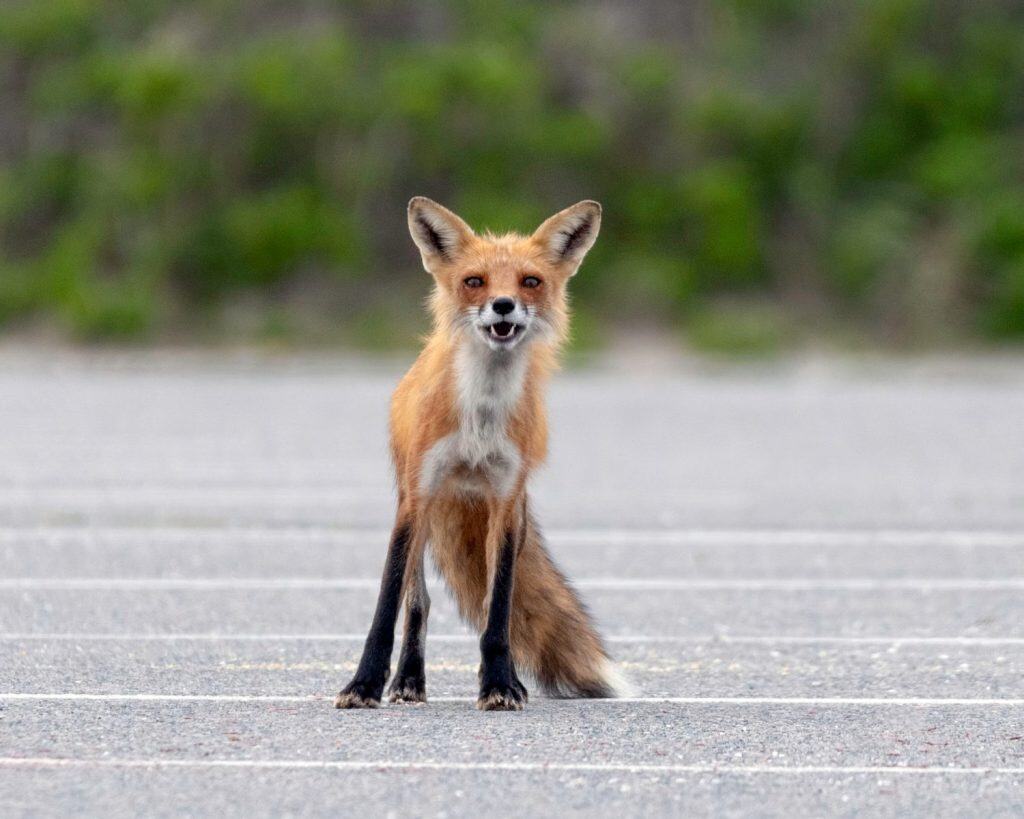
Foxes and other wild animals can spread pathogens to people and domestic animals.
©Desha Utsick/Shutterstock.com
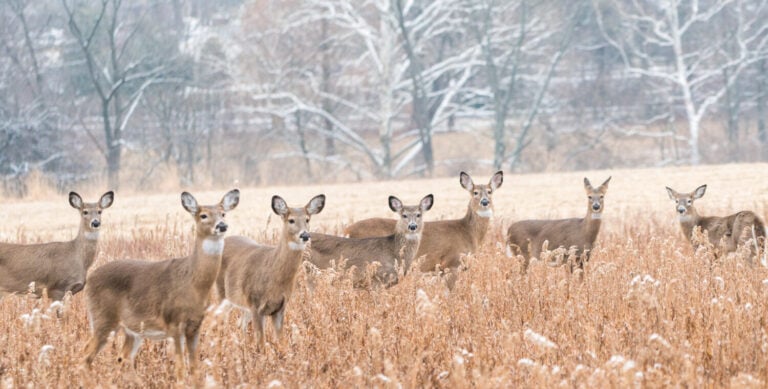
Wild animals carry diseases that can spread to people, pets, and livestock. Feral hogs can transmit brucellosis, leptospirosis, and swine influenza. Raccoons commonly carry rabies and roundworm parasites. Coyotes and foxes can transmit rabies and mange. Deer can spread ticks that carry Lyme disease and other pathogens. Birds of prey may carry avian influenza strains that threaten domestic poultry.
These diseases can infect livestock, pets, or humans through contact with bodily fluids or contaminated soil and water. Vaccination, supervision, and routine veterinary care reduce the risk of disease exposure. Managing attractants and limiting contact between urban wildlife and domestic animals also lowers transmission risk.
Humane Prevention at Home
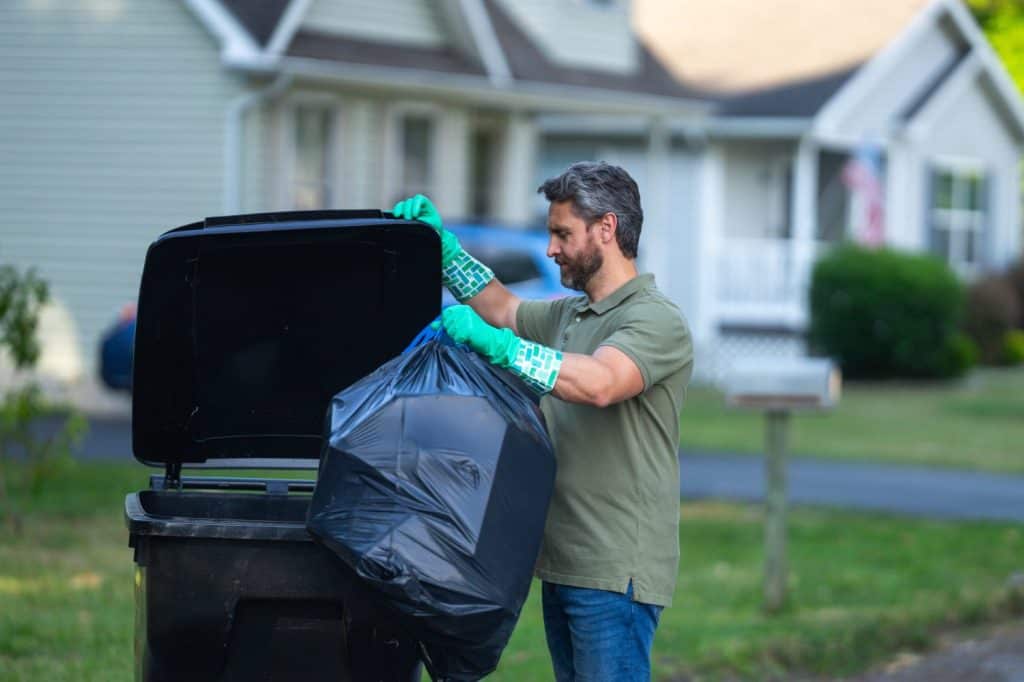
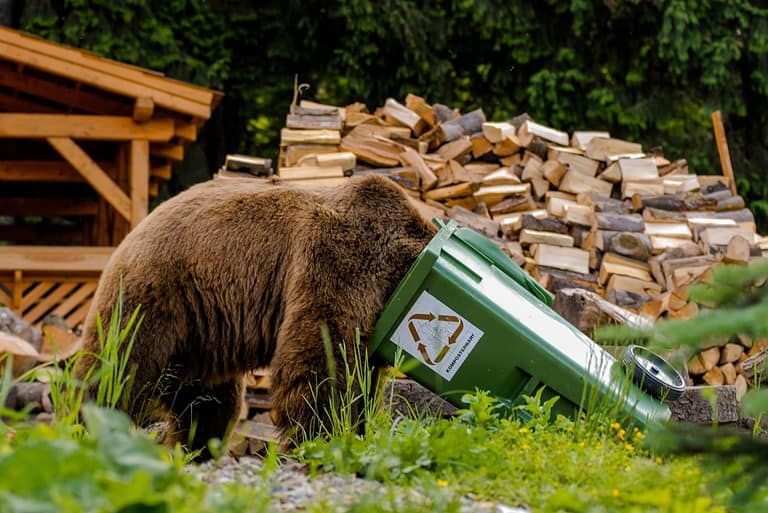
Trash cans with securely fastening lids are an essential preventative step.
©Volodymyr TVERDOKHLIB/Shutterstock.com
Residents can reduce wildlife conflicts at home by removing attractants and keeping calm, predictable routines. Securing garbage, compost, and recycling; putting bins out shortly before pickup; and removing pet food, birdseed, and fallen fruit all help eliminate easy meals that invite repeat visits. Thoughtful use of fencing and lighting can help, as long as it does not trap animals in enclosed spaces. When wildlife does appear, experts recommend keeping a safe distance and avoiding attempts to scare or approach animals, as this increases risk. Reporting sightings helps professionals track patterns and respond safely.
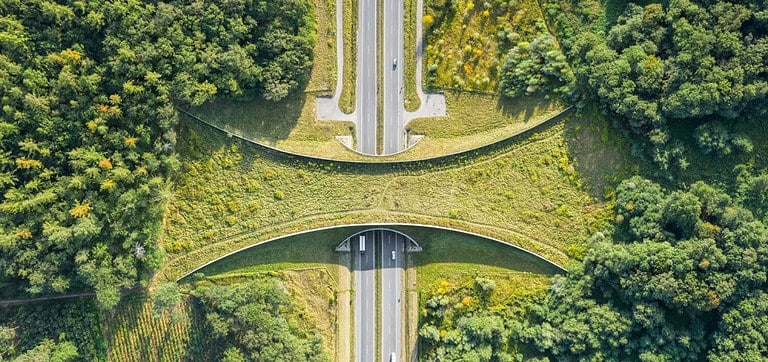
Long-term success depends on coordination beyond individual yards. Community land-use decisions matter, especially preserving connected habitat corridors so animals can move without crossing dense housing and limiting development in high-risk fire zones. Local governments, homeowner associations, and wildlife agencies can work together to share information, educate residents, and clarify response protocols. Regional coordination strengthens outcomes, as cross-property programs consistently outperform isolated efforts. Transparent planning builds trust and keeps public support steady over time.
Understanding an Evolving Landscape
Encounters in places like Eagle Pass and Altadena show how quickly the boundary between human and animal spaces is shifting, driven by climate disruption, invasive species, and ongoing development. Adapting means pairing acceptance with responsibility, such as securing attractants, preventing disease spread, and supporting humane management. As landscapes change, stories of hog alerts and crawlspace bears signal adjustment rather than crisis, reflecting how communities learn to share space in a changing environment.