
Quick Take
- Octopuses match colors with stunning precision, but evidence suggests they may not actually see colors the way you'd expect. Explore the color paradox →
- More than half an octopus's neurons aren't in its brain, a fact that changes everything about how it thinks and acts. See the distributed brain →
- Octopuses can open containers, solve mazes, and recall lessons, yet scientists still debate whether they truly plan ahead. Discover their cognitive limits →
- Their camouflage isn't driven by hormones like most animals, and the real mechanism behind it makes the process almost impossibly fast. See the nerve-driven mechanism →
The octopus rarely stays the same shape or color for long. In the wild, its ability to disappear against a shimmering coral or jagged rockface continues to baffle even the most experienced marine researchers. These creatures transform their appearance not only in an instant, but with a precision that seems logic-defying.
Continue reading
How Octopuses Seem to Vanish
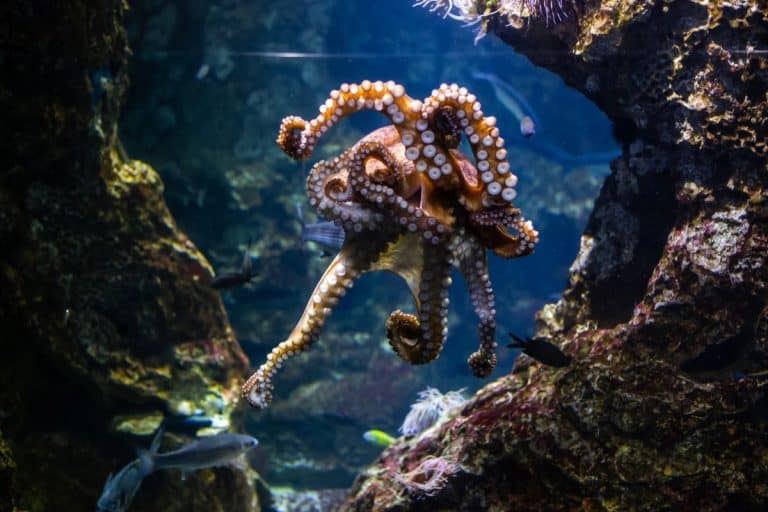
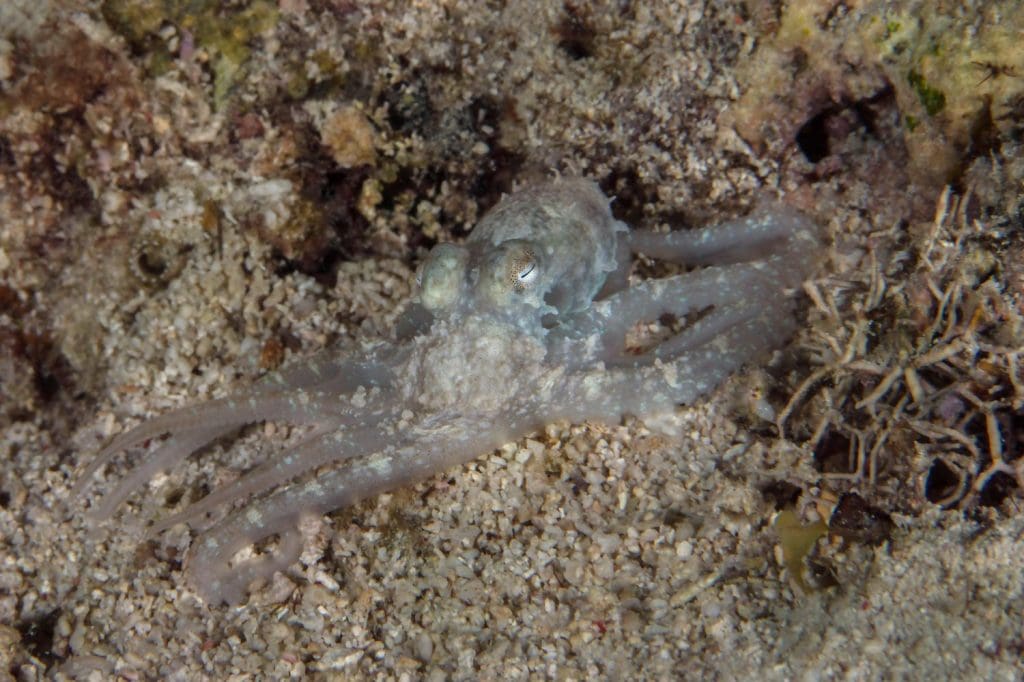
Octopuses possess a camouflage that borders on the miraculous. Specialized cells in their skin, called chromatophores, allow them to shift color, contrast, and patterns in just milliseconds. This rapid transformation lets them merge seamlessly with their environment: matching the speckles of sand, the blobs of coral, or the play of sunlight on stone.
©SergeUWPhoto/Shutterstock.com
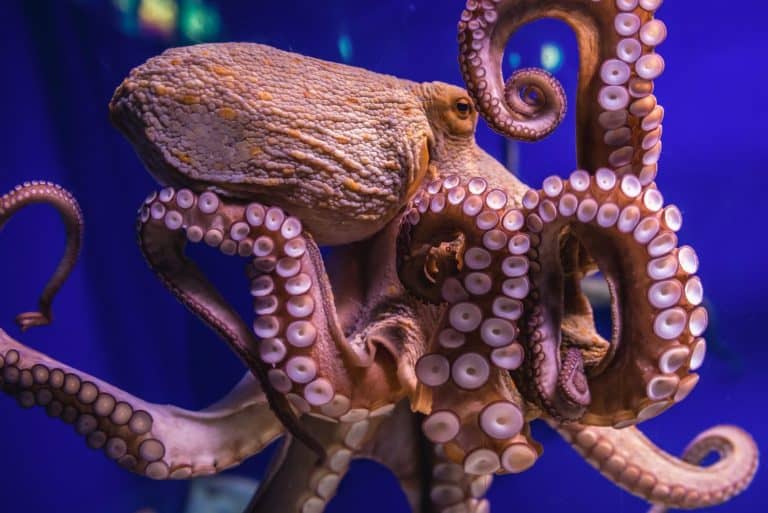
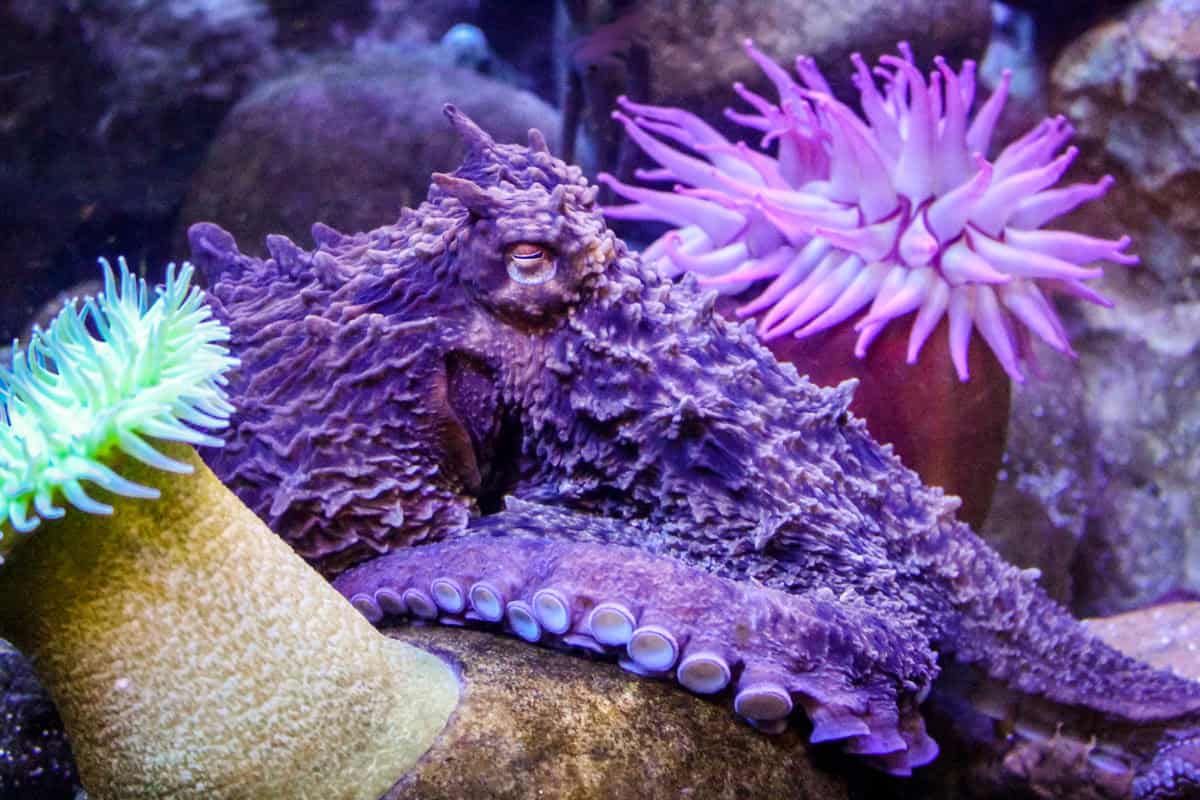
The illusion doesn’t stop at color. Muscular structures beneath their skin can alter the octopus’s texture, sprouting bumps or smoothing out ridges to mimic anything from rough rock to soft anemone. The effect leaves predators, and scientists, searching in vain for the creature just moments ago in plain sight.
The Nervous System Behind Instant Camouflage
This camouflage operates with almost unbelievable speed. Experimental studies confirm that the octopus’s nervous system directly controls these physical changes. While most animals rely on slow-moving hormones to shift their appearance, the octopus uses nerves to react in real time to what’s around it. Threat or opportunity, the animal adjusts instantly, an evolutionary advantage few can rival.
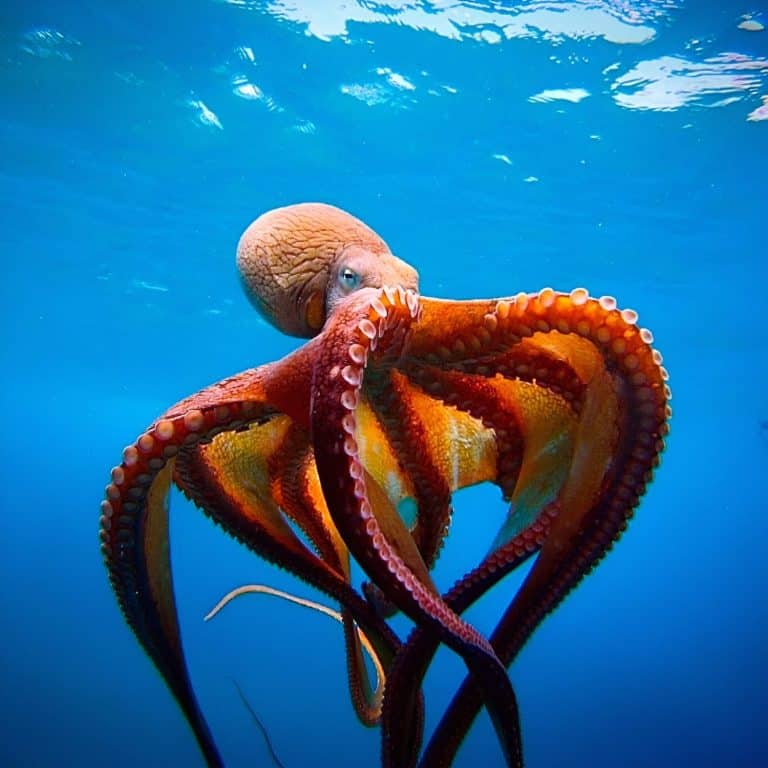
Beneath this, the octopus’s brain displays an unusual organization. Its nervous system is highly decentralized: more than half its neurons are located not in the head but throughout its flexible arms. Each limb can not only move independently, but also manipulate objects with surprising dexterity and autonomy. This gives the animal an almost alien way of interacting with the world, simultaneously sensing, thinking, and acting along eight arms at once.
Memory, Learning, and the Limits of Octopus Intelligence
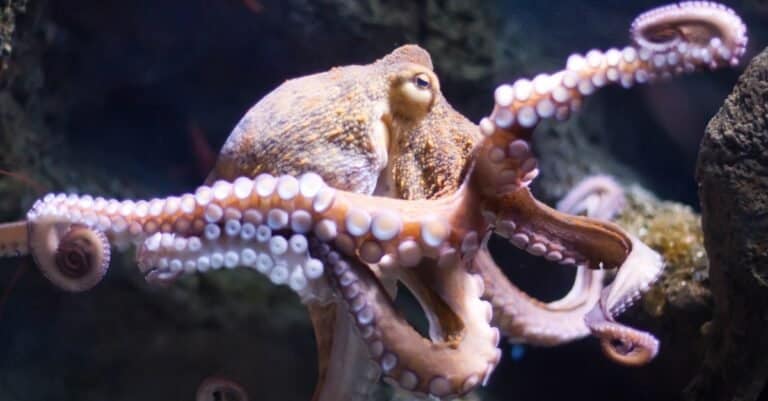
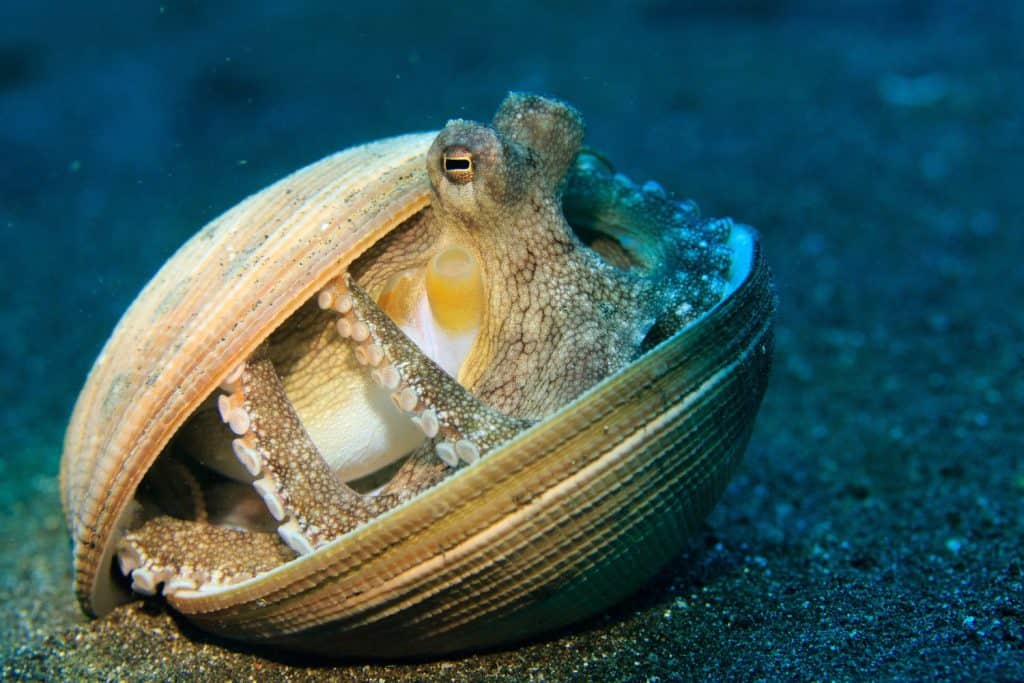
Laboratory research continues to uncover even more layers to their mystery. Octopuses have shown they can learn associations, linking a certain stimulus to a reward or a risk, and recalling that lesson later. Sometimes, they demonstrate problem-solving skills: opening containers, navigating mazes, or working toward a goal with purpose rarely seen outside mammals or birds.
©Oksana Maksymova/Shutterstock.com
While scientists continue to debate whether octopuses truly plan ahead, their flexible behavior suggests a sophisticated cognitive world. No one disputes their advanced behavioral plasticity, the ability to adapt quickly to a changing environment or unexpected challenge.
A Sensorial Riddle: How Do They Do It?
Despite these advances, octopus camouflage remains a puzzle. The animal adjusts its patterns and shapes with astonishing accuracy, yet evidence suggests its vision is limited in color perception. This raises a paradox still under exploration in laboratories worldwide: How does a creature that may not discern colors so precisely still match them to its backgrounds with such skill?
The answer is not yet clear, and the process between perception and perfect disguise remains one of the ocean’s more elegant secrets. Ongoing research is aimed at unraveling the sensory mechanisms at play.
Changing the Way We See Intelligence
The octopus’s combination of sensory control and adaptive behavior has made it a focus for scientists trying to redefine animal intelligence. In every sudden transformation and deft manipulation, these animals reveal strategies for survival shaped over millions of years beneath the waves. Their existence challenges our understanding of what it means to perceive, to learn, and to adapt, in ocean life and beyond.