
Quick Take
- Two-thirds of an octopus's neurons aren't in its brain, a fact that changes everything about how we understand intelligence. Explore the decentralized brain →
- Octopus blood runs blue for a specific survival reason that goes far deeper than mere biology. Discover blue blood science →
- A company is about to open the world's first commercial octopus farm, and scientists say it raises an ethical problem no one saw coming. Unpack the ethical problem →
- Over 142,000 people have signed a petition against something most of us eat without a second thought. See the petition details →
Inky the octopus made headlines in New Zealand after slipping out of his aquarium tank, dragging himself across the floor, squeezing through a 50-meter drain pipe, and returning to the ocean where he belonged. The story gripped animal lovers and spotlighted the intelligence and curiosity that make octopuses unlike any other marine creatures. But while Inky’s escape captured imaginations, it also raised unsettling questions about how humans treat these remarkable animals both in captivity and in the wild.
Unmatched Intelligence Under the Waves
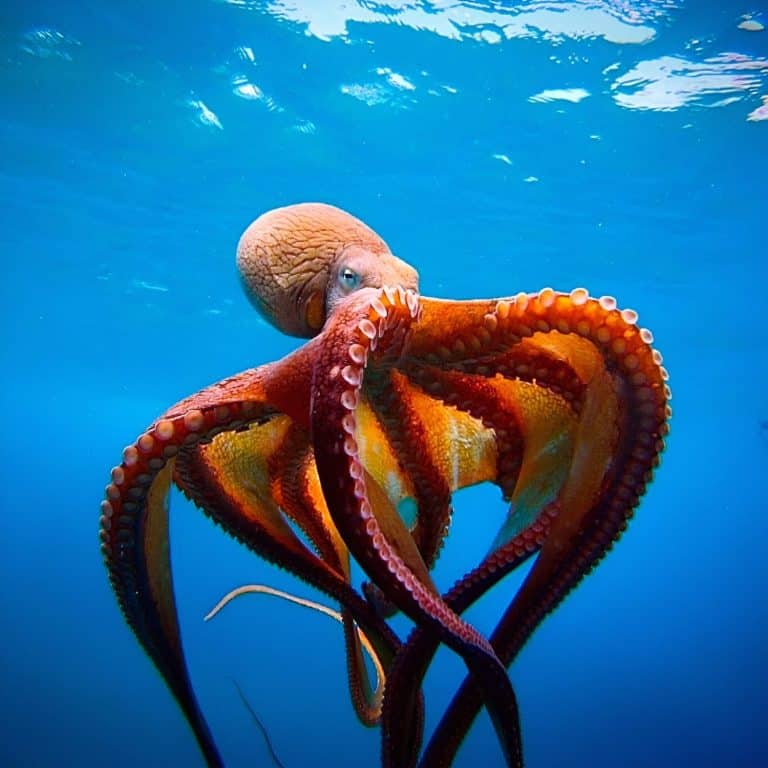
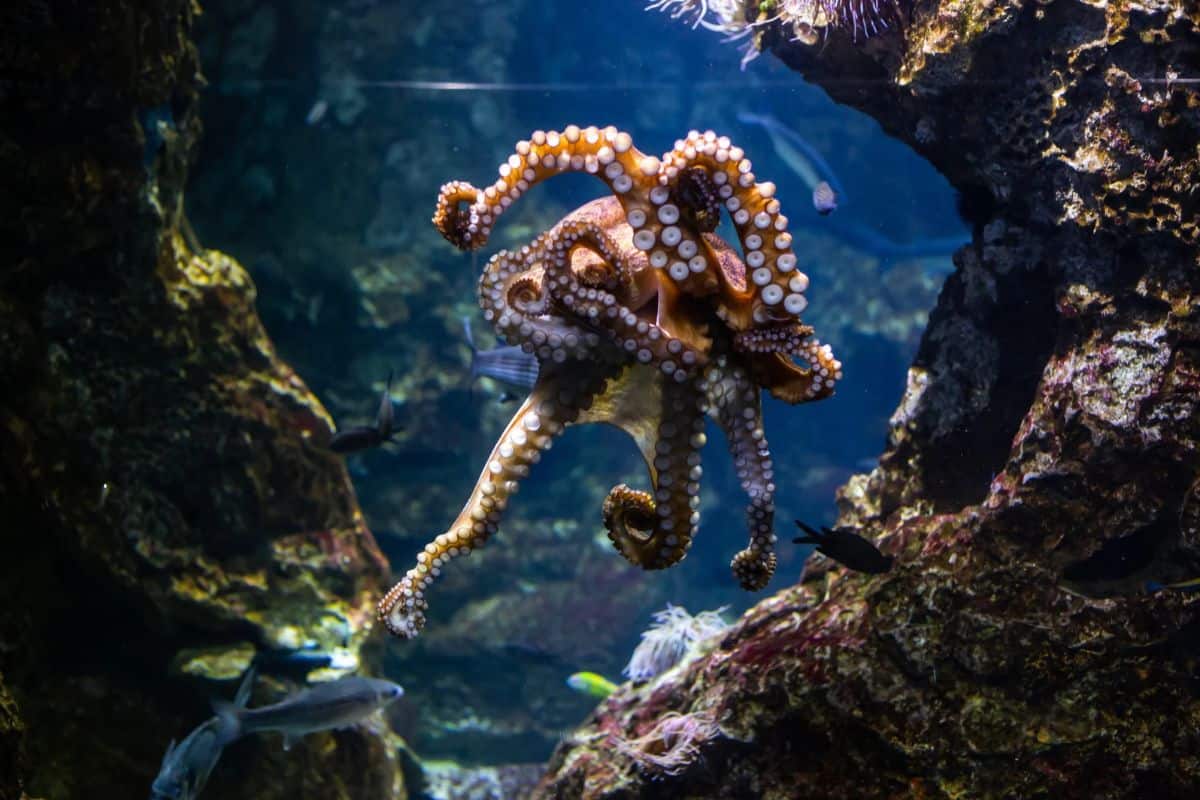
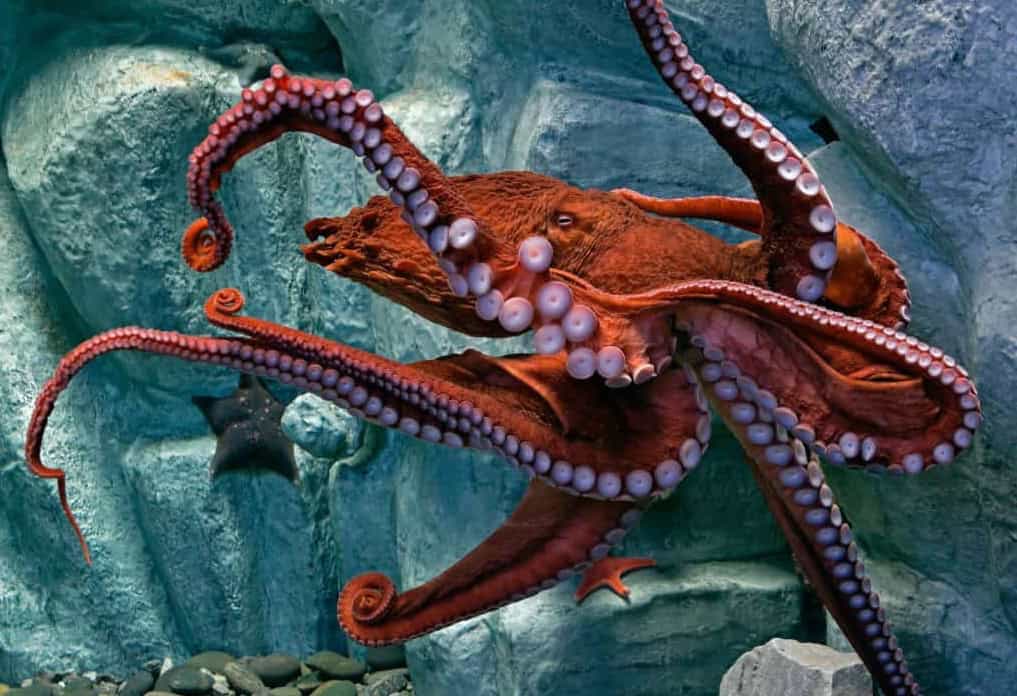
Octopuses are often considered the world’s most intelligent invertebrates. Their large brains mark them as outliers in their class, but what really sets them apart is the way their nervous system works. Nearly two-thirds of their neurons are found not in their heads but in their arms, allowing each limb to operate with a degree of independence. This decentralized design means octopuses are expert multitaskers, quickly analyzing sensory information and responding to new situations in real time.
©Tennessee Aquarium
Unlike fish or mammals, octopuses are marine mollusks, members of the cephalopod class. Their creativity is beyond dispute: they use found objects as tools, stack stones outside their dens, and can even manipulate their environment to ward off predators. These traits come together to create a creature capable of adapting to nearly any challenge the ocean presents.
The Blue-Blooded Marvel
If three functioning hearts sound extraordinary, that’s just the beginning. Two hearts pump blood to the gills, while a third sends it to the rest of the body. Their blood runs blue, not red, a result of copper-based hemocyanin instead of our iron-based hemoglobin. This adaptation allows octopuses to move oxygen efficiently through their bodies, even in the cold, low-oxygen waters where they so often dwell.
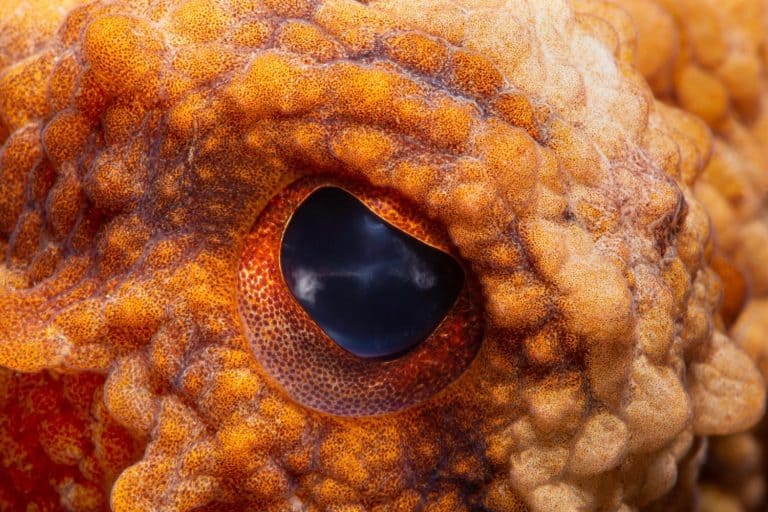
Their skin bristles with chromatophores, cells that help them shift colors and patterns for camouflage or communication. Every change is a rapid response to danger or opportunity in their ever-changing environment.
Sentience, and the Capacity to Suffer
Researchers increasingly believe that octopuses experience pain in ways that resemble vertebrate responses. They can anticipate distress, remember hurtful situations, and react to stressful environments, signs of a sophisticated nervous system. According to scientists, the fact that so many neurons are distributed in the arms as well as the head underlines a level of sensation and agency far more advanced than previously thought.
These discoveries have put a spotlight on how octopuses are treated in captivity, raising ethical concerns among both scientists and animal welfare advocates. The call to recognize their sentience is growing louder, especially as new industries look to farm them on a large scale.
Farming Octopuses, and Its Consequences
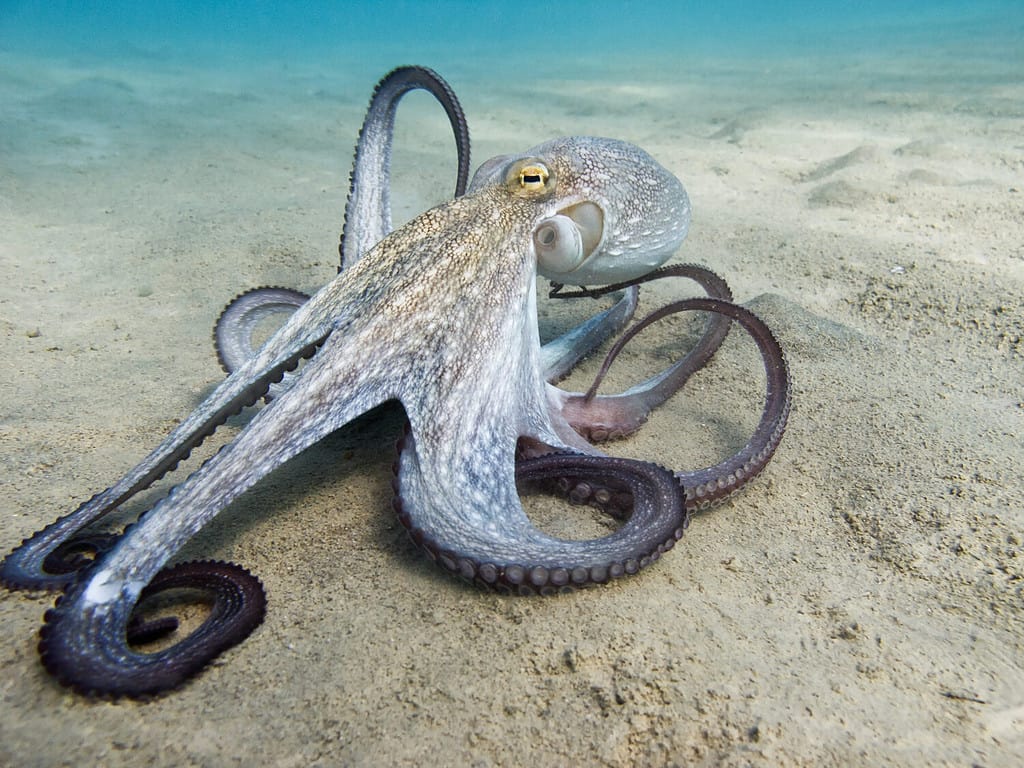
Octopus farming, once thought of as impossible, is now being pursued by companies such as Nueva Pescanova in Spain, which plans to open the world’s first commercial facility in the Canary Islands. Animal rights groups and environmentalists have warned against this move, describing it as both dangerous for ecosystems and inhumane for the animals involved.
©ennar0/Shutterstock.com
Feeding farmed octopuses is highly inefficient: for every pound of octopus produced, about three pounds of feed are required. With global fish stocks already depleted and the oceans under pressure from overfishing, raising carnivorous species like octopus could further undermine efforts to improve food security and protect marine biodiversity.
Despite criticism, the industry is advancing. At the Pescanova Biomarine Center, new methods for breeding and raising octopuses are being framed in terms like “animal welfare studies.” Yet, many ask if raising these solitary, intelligent creatures in land-based tanks is just another form of animal cruelty.
Voices for Change
Some organizations have rallied the public to push back. Campaigns led by the Animal Save Movement and Plant Based Treaty have collected more than 142,000 signatures against octopus farming, urging people not only to avoid eating octopus but also to consider more plant-based diets. As campaigners point out, the quest to farm octopuses goes against the urgent need to reduce, reuse, and recycle, echoed in creative works that aim to build empathy for these blue-blooded animals.
For activists and scientists alike, the octopus is now more than a marvel, it is a symbol. Each story about their escape, intelligence, or perseverance is a reminder that sentience in the sea demands respect. The decisions made about them in coming years will reveal much about how humanity chooses to share the planet with the creatures who call it home.