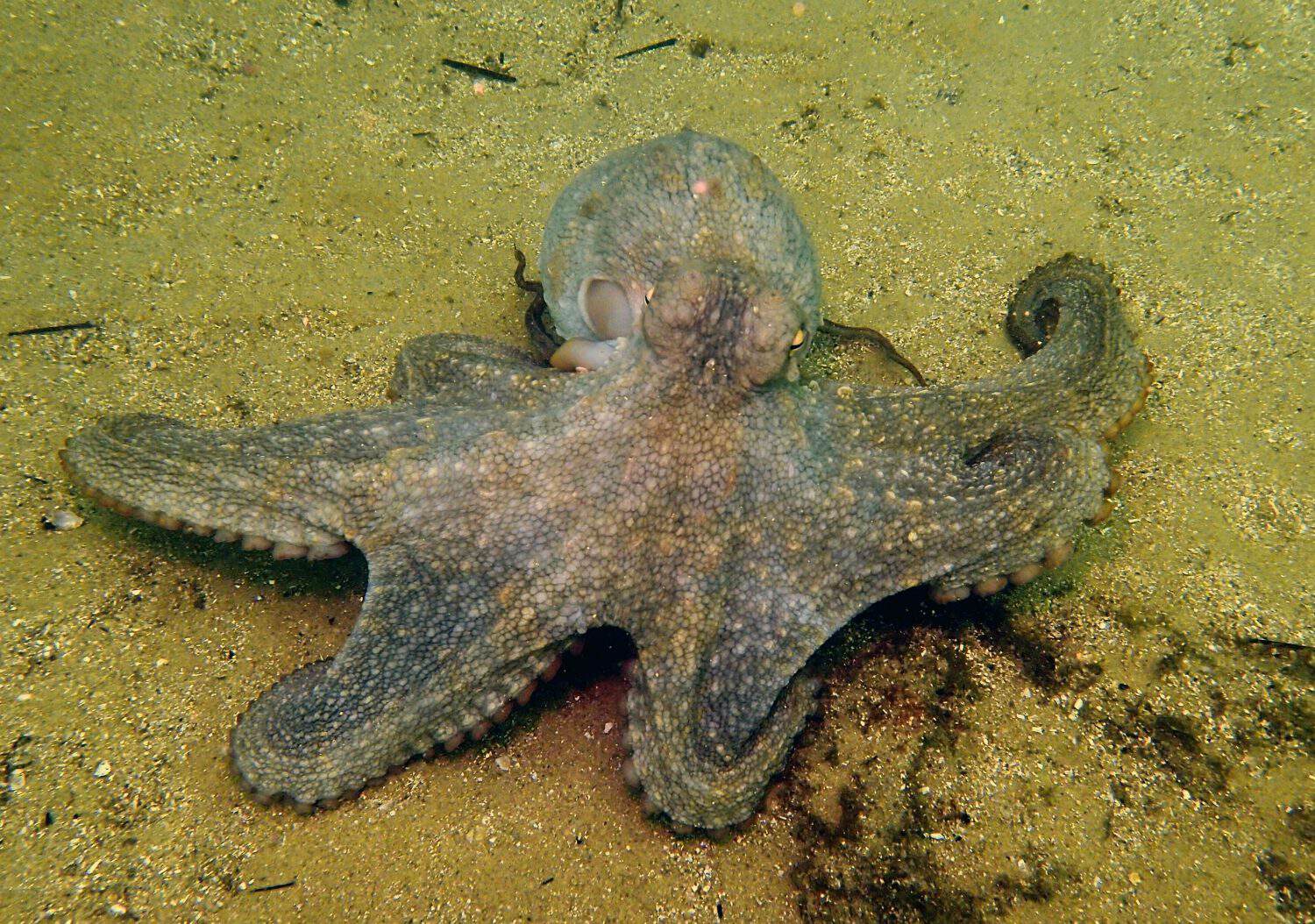

Quick Take
- One species was caught carrying objects it had no immediate use for, and this behavior forced scientists to rethink what 'tool use' even means. See the coconut shell behavior →
- Octopuses do far more than simply camouflage themselves. They are simultaneously performing several complex tasks that most animals couldn't manage independently. Watch them multitask →
- Different octopuses solve the same problem in different ways, and that tells scientists something unsettling about animal individuality. Explore individual differences →
On October 8, people from around the world will come together to celebrate World Octopus Day. It’s an opportunity to appreciate and learn more about some of the most distinctive marine creatures on the planet.
Octopuses are unusual in multiple ways: they have eight arms, three hearts, and soft bodies that can squeeze through astonishingly small openings. Even more remarkable, their incredible intelligence allows them to troubleshoot and solve problems unlike almost any other life form. Let’s take a detailed look at this amazing mollusk so you can share your newly-learned facts with friends on World Octopus Day.
Where This Alien-Like Intelligence Comes From
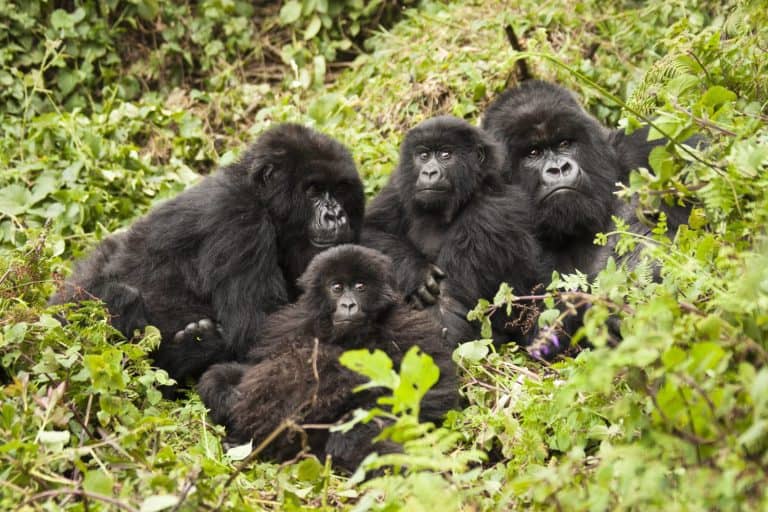
In order to wrap your mind around the true alien-like intelligence of octopuses, you might need a shift in your perspective. Humans tend to think about intelligence through a vertebrate lens. We have a centralized brain connected to a nervous system running throughout our bodies. Additionally, many intelligent animals—including primates, dolphins, elephants, and birds—have nervous systems that, despite enormous differences, share important connections with humans.
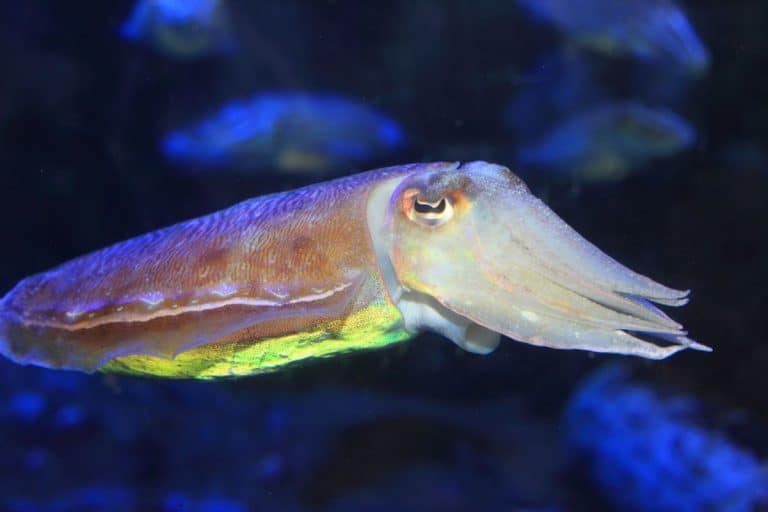
However, octopuses are radically different in this regard. Cephalopods, the group that includes octopuses, squid and cuttlefish, have developed complex nervous systems independently of vertebrates. Researchers describe cephalopods as one of the clearest examples of large, complex brains evolving separately from the vertebrate lineage. The result is an animal that can accomplish surprisingly sophisticated tasks with a body unlike anything most other living creatures possess.
An octopus does not have a skeleton. Its eight arms can bend, twist, stretch, and manipulate objects independently. Its suckers provide sensory information as well as grip. A large proportion of its neurons are distributed throughout its arms rather than being concentrated exclusively in its central brain. One estimate places the number of neurons in an octopus’s nervous system at nearly half a billion. In other words, the octopus is an exceptional creature.
An Extraordinary Problem Solver
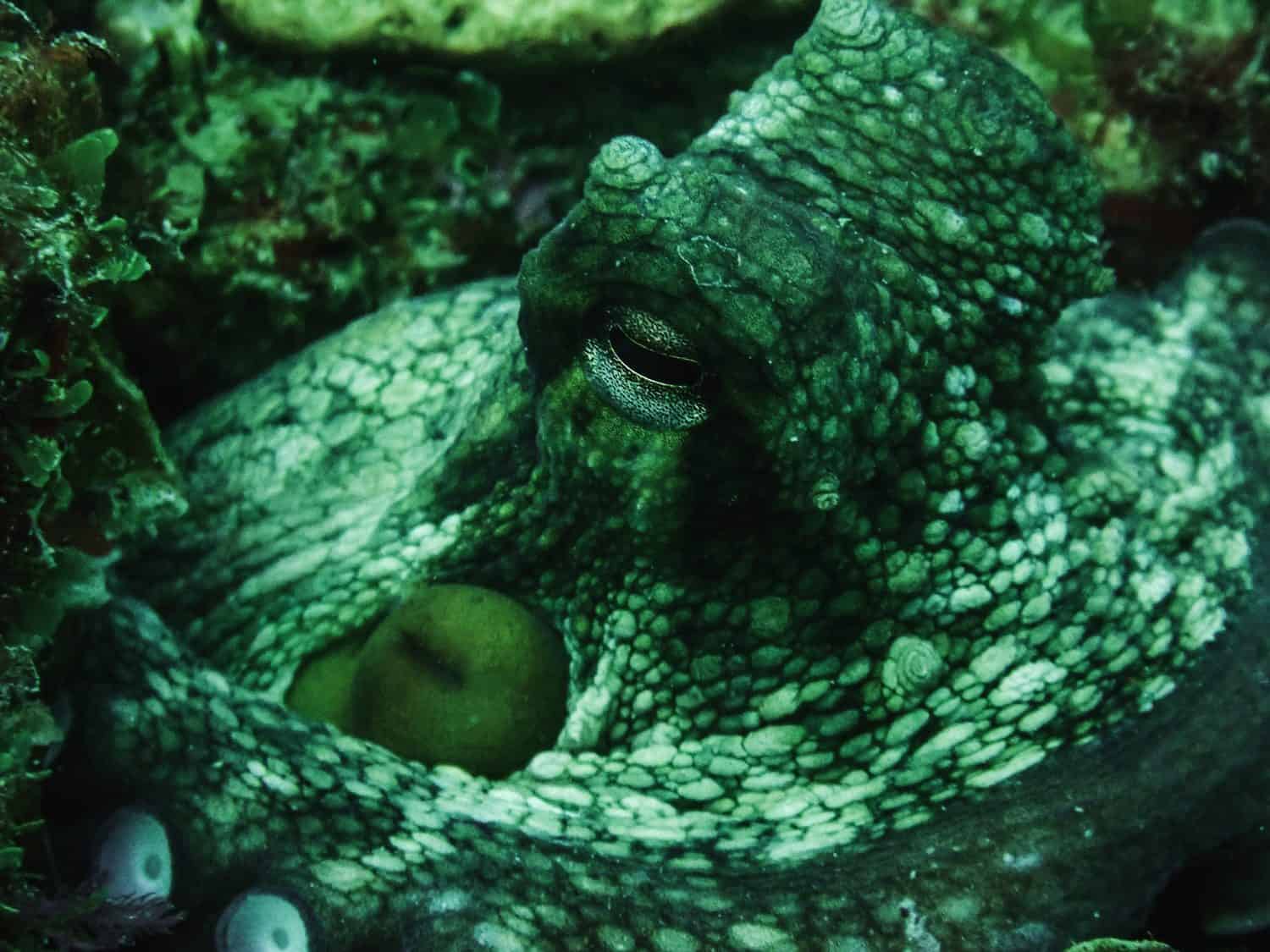
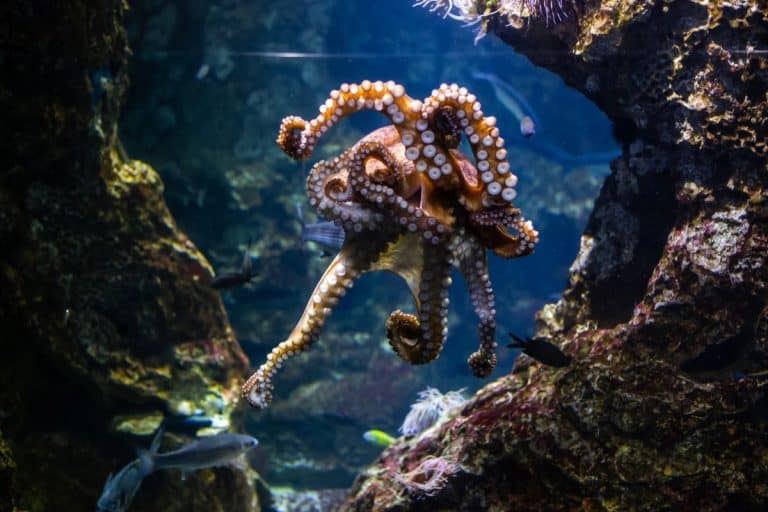
Octopuses are famous for their problem solving skills and camouflage abilities.
©4finsdiving/Shutterstock.com
One of the most fascinating aspects of the intelligence of octopuses is how they can solve problems using their body parts. In laboratory settings, octopuses have learned to manipulate objects, navigate challenges, and obtain food that is not immediately accessible. However, the strategic thinking that octopuses have also translates to life in the wild.
An octopus cannot simply chase every potential meal. Many prey animals hide in shells, crevices, rocks, or other hard-to-reach places. The octopus must investigate its surroundings, manipulate objects, and figure out how to reach food. This is known as extractive foraging, and it can require advanced problem-solving. Researchers have observed octopuses using their arms and other specialized behaviors to access food that is otherwise difficult to reach.
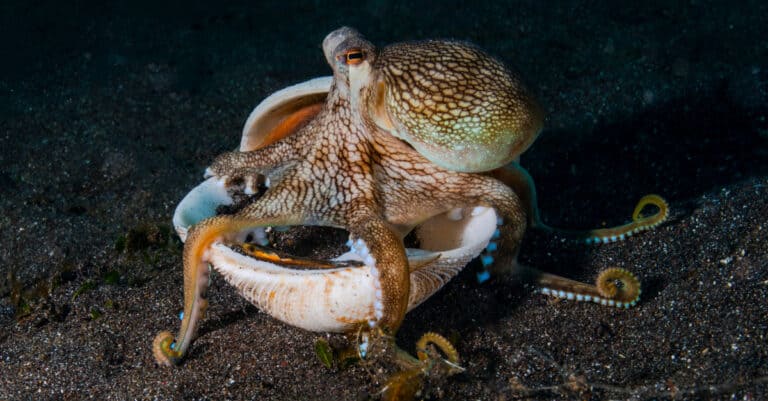
Some octopus species have even become known for manipulating objects for shelter or protection. For instance, researchers have documented the veined octopus carrying coconut shells and later using them as portable shelters. The behavior became particularly notable because the animal transports an object that is not immediately necessary and later positions it for potential use. That is a striking behavior because it requires more than simply reacting to something in the environment. It involves manipulating an object in a way that can become useful later.
Masters of Disguise
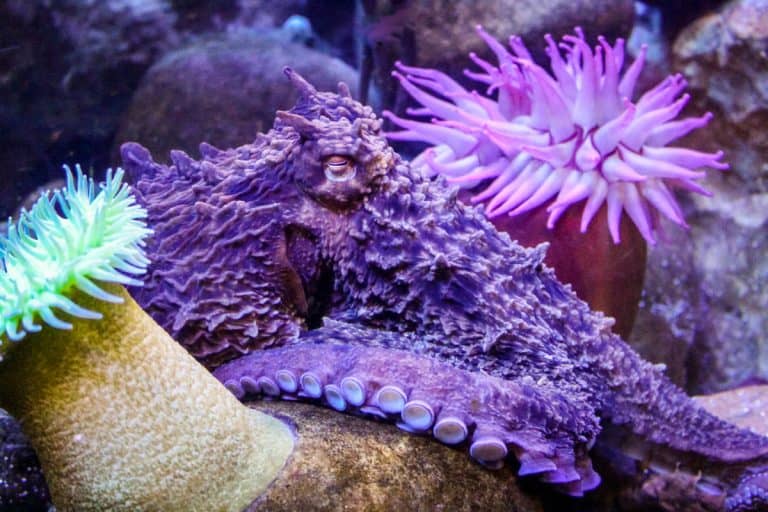
In addition to having an alien-like intelligence, octopuses are also incredibly talented when it comes to blending into their underwater environments. Their skin contains specialized structures that allow them to change their appearance rapidly. Depending on the species and circumstances, an octopus can alter its coloration and patterns to blend into its surroundings, communicate, or potentially confuse predators.
This camouflage talent doesn’t mean they can only change colors. Octopuses can produce remarkably complicated patterns, and their camouflage can change extremely quickly.
Even more amazing, octopuses often display different intelligent behaviors at the same time. Imagine trying to hide from a predator while simultaneously assessing your surroundings, controlling eight flexible arms, monitoring potential prey, and deciding whether to flee or remain concealed.
Ability to Learn From Experience
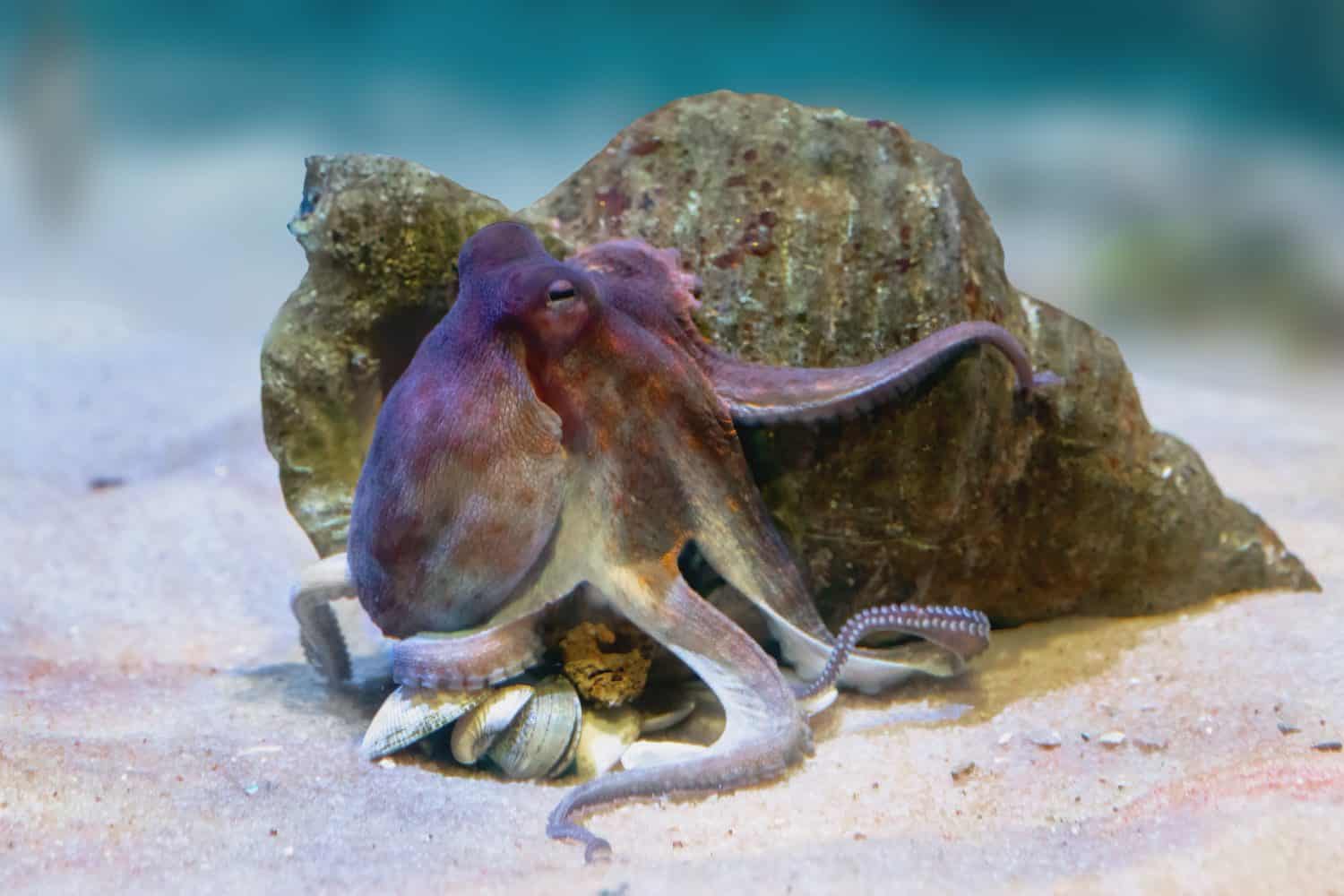
Many octopus species can change colors to better blend into their surroundings.
©Diego Grandi/Shutterstock.com
A final important feature of octopus behavior is learning. Octopuses can learn to associate particular stimuli with outcomes and modify their behavior based on previous experiences. They can also use information gathered from their surroundings to guide future actions. Research into cephalopod cognition has examined learning, navigation, exploration, problem-solving, and flexible responses to environmental circumstances.
This flexibility is incredibly unique. An animal that simply performs a predetermined behavior every time it encounters a particular situation is very different from an animal that gathers information, remembers what happened, and changes its response later. Scientists have also found that different octopuses solve the same problem differently, so they are very much their own creatures.
Octopuses Need Our Help
Octopuses worldwide face farming and overfishing, and these issues need to be addressed.
Octopus farming has become more dominant over the years due to several factors, including rising global demand for octopus meat and the profitability for organizations that fish for and sell octopuses. As you can imagine, there are many serious issues with farming, including inhumane slaughter and poor conditions for octopuses that are captured and kept alive.
But keep in mind that conservation is ultimately about more than protecting one specific animal. Octopuses are predators and prey within marine ecosystems, so their presence is tied to the health and balance of the environments they live in. By helping this species, we’re helping the underwater ecosystem as a whole.
You can do your part to help these amazing creatures by supporting organizations like Save the Octopus, and by spreading the word to friends and family about the work they do. You can also write to your local representatives and let them know you care about marine wildlife and request that they take action to protect the seas. Finally, you can make responsible choices when you purchase seafood by prioritizing sustainability. Find labels that say “MSC certified” or “dolphin safe” to ensure that your seafood has been responsibly sourced.
Remembering Our Underwater Friends During World Octopus Day
Events like World Octopus Day remind us that we need to do more for these amazing creatures. Not just because they seem to possess an otherworldly intelligence, but because it’s the right thing to do. Despite a fundamentally different nervous system, this animal has developed impressive abilities to learn, explore, solve problems, and respond flexibly to the world around it. Let’s do our part to celebrate the octopus so we can continue marveling at these fascinating animals for generations to come.