
Quick Take
- Male fathead minnows are surprisingly devoted fathers, yet a single synthetic hormone quietly dismantles that instinct in a way scientists didn't predict. See the minnow's parental role →
- The behavioral damage didn't show up right away, and that delay reveals something unsettling about how we measure hormone pollution's real impact. See the delayed behavioral effects →
- Egg numbers collapsed, but aggression actually increased. The counterintuitive reason why is buried in what the males were spending their time doing instead. See how aggression increased →
- There's a cautious reason for hope here, but it comes with a critical condition that changes everything about how we think about ecosystem recovery. Explore the recovery conditions →
The effects of synthetic hormones in wastewater on wildlife have been a concern for several decades. Recently published research indicates that some kinds of hormone pollution can trigger poor paternal skills and aggressive behavior in wild fish. Let’s learn more about this phenomenon and what it means for these fish species.
Continue reading
Synthetic Hormones in the Environment
Chemists first produced oral ethinyl estradiol (synthetic estrogen) in the 1930s. Over the last 40 years, however, the number of drugs that can affect our endocrine systems has steadily increased, with many benefits to human health and well-being. The problem is that people excrete many of these compounds in urine and feces, and others are disposed of directly into sewerage systems.
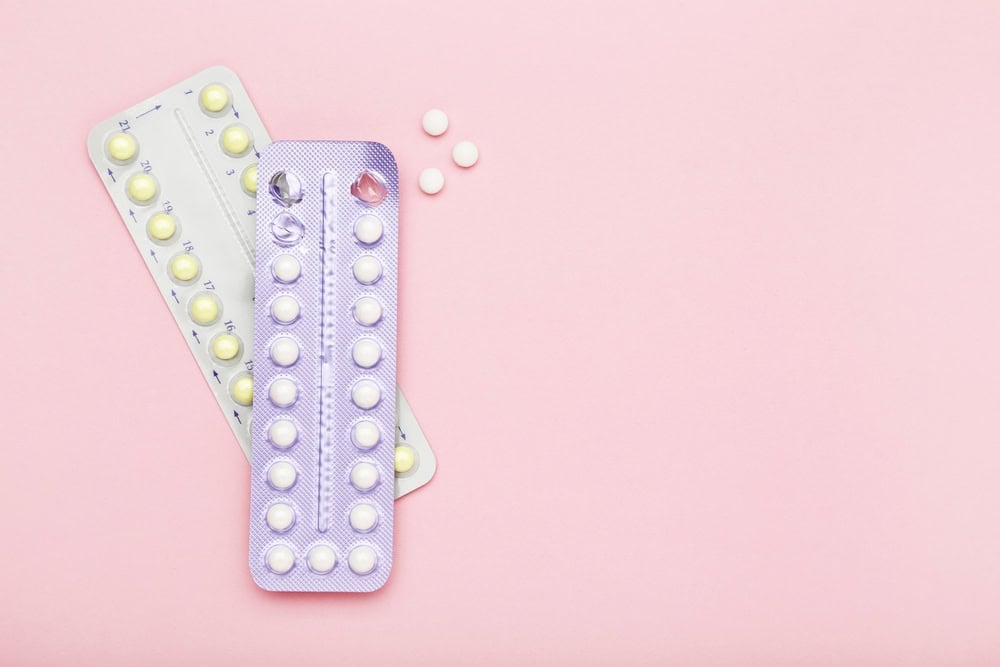
Synthetic hormones can have an effect on wildlife.
©5 second Studio/Shutterstock.com
From here, they can enter the environment in wastewater, where they exert their effects on both vertebrates and invertebrates. These substances are known as endocrine-disrupting chemicals, and we are only just beginning to realize the huge impact they are having. This study focused on assessing the effects of synthetic estrogen, ethinylestradiol (EE2), on male fathead minnows (Pimephales promelas).
How Do Minnows Normally Reproduce?
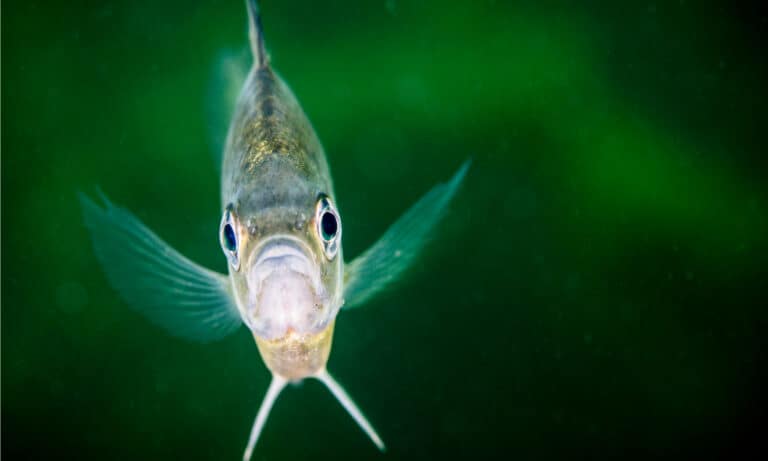
Fathead minnows are native to the Nearctic region, where they live in lakes, small rivers, and ponds. They are typically between 2 and 3.15 inches long with deep, compressed bodies, and short heads ending in a blunt snout. These fish spawn between May and September when they produce anywhere from 1000 to 10,000 offspring. The males select and prepare the nest site, which is usually underneath rocks, wood, or vegetation and is typically in shallow water. He uses his mouth to make a depression in the lake bed. Once the nest is completed, he defends it vigorously.
The female releases her eggs at the same time as he releases his milt, and fertilization takes place in the water. The male then drives the female away and goes on to invest a great deal of time and energy caring for the eggs alone. He fans them to make sure that they get enough oxygen, uses his dorsal pad to clean them, and defends them from predators.
How Was the Effect of EE2 on Fathead Minnows Measured?
This was a whole-lake Before-After-Control-Impact experiment spanning 12 years in total. Scientists added EE2 at a concentration of 5 ng/L to an experimental lake. This was done three times weekly over three open-water seasons (2001-2003).
The reproductive behavior of the males was assessed before, during, and after the hormone application. Also, their behavior was compared to that of minnows in nearby reference lakes. The scientists used underwater cameras and ethogram analysis (observer software to record nest attendance and aggressive bouts). They recorded egg counts and secondary sexual characteristics (by counting nuptial tubercles and dorsal pad development).
How Had Synthetic Estrogen Changed Fish Behavior?
During the first two months of EE2 exposure, the male minnow behavior was very similar to that recorded pre-exposure. However, their behavior changed, and during years 2 and 3 of the experiment, there were significant changes. Compared to the fish in unexposed (control) lakes, they spent less time attending to their nests. They also displayed more frequent nesting bouts—periods in which they began and stopped nest attendance.
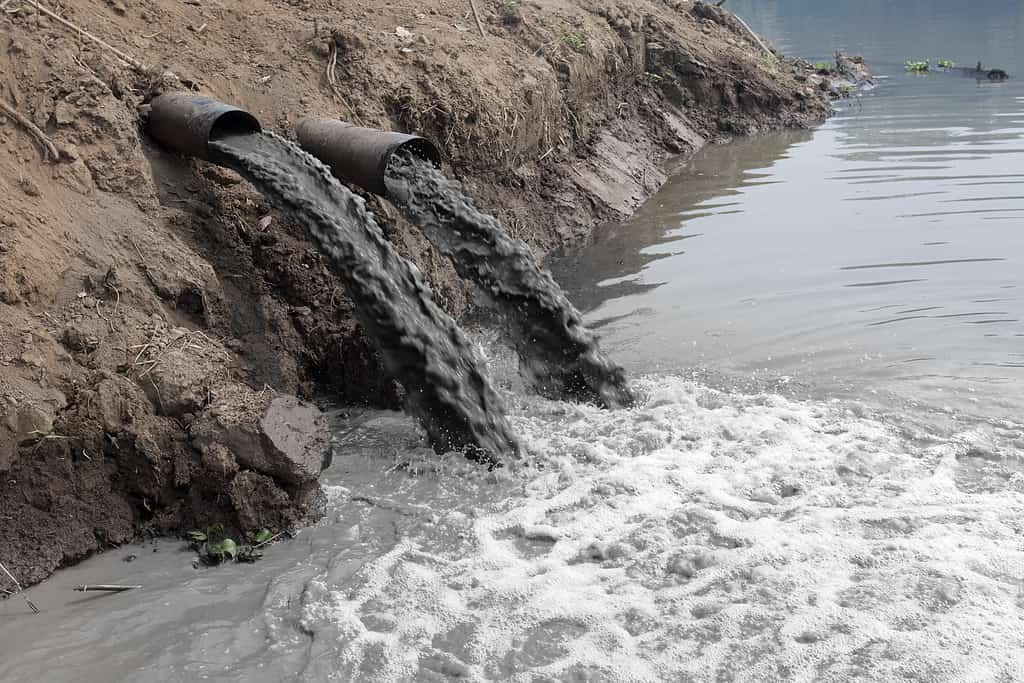
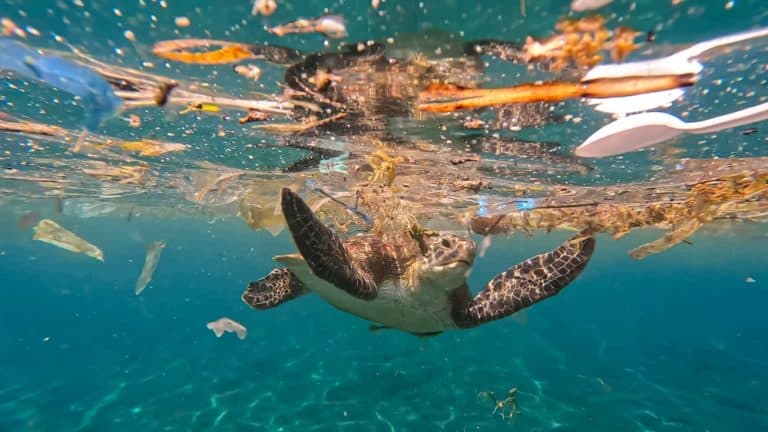
Water pollution can introduce synthetic hormones into ecosystems.
©Toa55/Shutterstock.com
These are intervals where they started and stopped nesting. The time that they spent at the nest caring for the developing eggs was more fragmented. The males from the treated lakes were more aggressive and chased other fish more often. This increased aggression seemed to be driven by more fish trying to intrude on the nest.
Decline in Reproductive Success
The decline in attentive behavior took its toll on reproductive success. Egg numbers declined by 38 percent initially and by 67 percent during the late exposure period. It seems that the males were spending so much time driving other fish away from the nest that they could not adequately care for the eggs. However, there was also some evidence that EE2-exposed female fathead minnows may have produced smaller broods. Importantly, the males in the exposed lake showed changes in secondary sexual characteristics. They had fewer nuptial tubercles compared with the reference lakes towards the end of exposure, as well as a smaller dorsal pad. This matters because males use this pad to brush against and clean the eggs; it also contains chemosensory cells that may play a role in offspring recognition.
The effects persisted for two years post-treatment. By 2011, however, male nest attendance and aggressive behaviors had returned to levels recorded in the two reference lakes.
Can Fish Recover From Hormone Pollution?
This study gives us a unique insight into how synthetic hormones influence wildlife populations over time in a natural setting. Sadly, it shows that we may be underestimating the ecological risks posed by hormone pollution. The findings underline the importance of protecting freshwater ecosystems from hormone pollution.
There is still some hope. The fish in this study appeared to recover once the hormone application had stopped. If we can give nature a chance, it can often bounce back from the most damaging pollution. It’s up to us to give it that chance!