
Quick Take
- A single invisible killer drove this vibrant species from the wild, and it is still out there. See the deadly cause →
- Captive breeding kept the species alive, but scientists say it may have left the frogs unprepared for something critical. How captivity shapes frogs →
- The last wild golden frog was spotted in 2009, and researchers have worked hard to change that. What comes next for the species →
- Temperature, rainfall, and UV exposure may determine whether these frogs ever truly go home. Explore the environmental variables →
The critically endangered Panamanian golden frog moves closer to a return to the wild. After spending roughly two decades in indoor captive breeding programs, some Panamanian golden frogs are once again experiencing natural outdoor conditions in protected enclosures. The Maryland Zoo announced that conservationists at the El Valle Amphibian Conservation Center (EVACC) in El Valle de Antón have transferred the frogs from indoor habitats to protected outdoor enclosures as part of a groundbreaking experiment.
“This is the first time since the early 2000s that golden frogs have been allowed to experience the natural elements of El Valle,” Heidi Ross, Project Manager at the EVACC Foundation, explained in the press release.
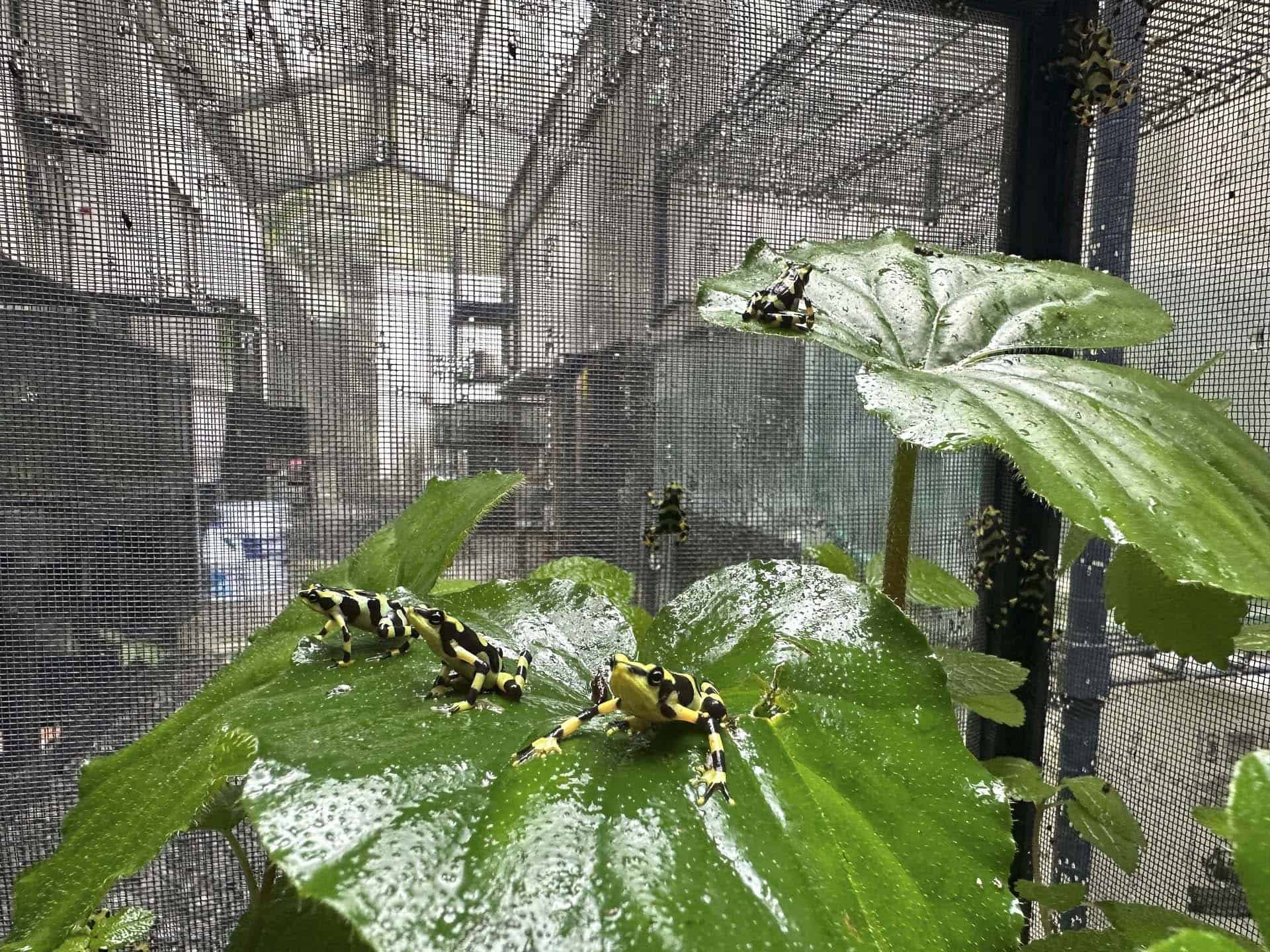
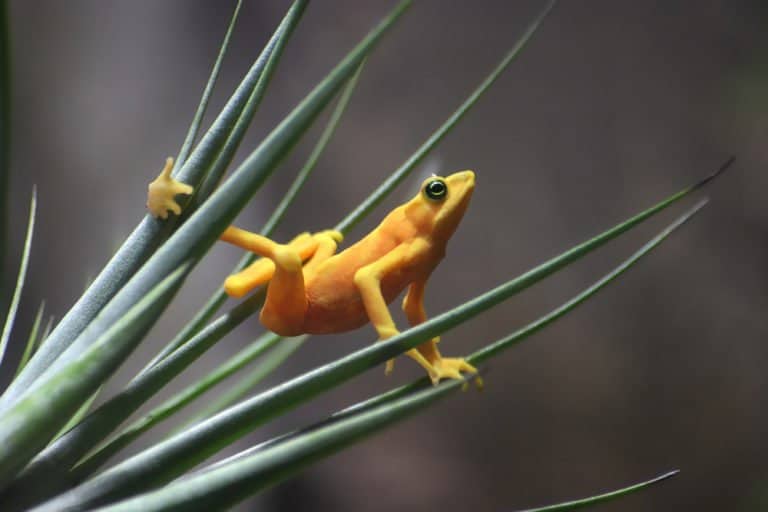
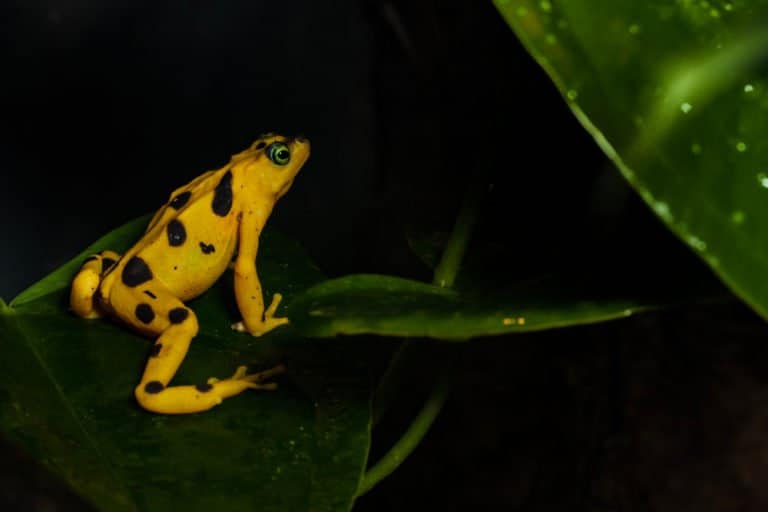
Panamanian golden frogs are being introduced to semi-natural outdoor enclosures in Panama.
©Courtesy of the Maryland Zoo – Original
Why the Panamanian Golden Frog Disappeared
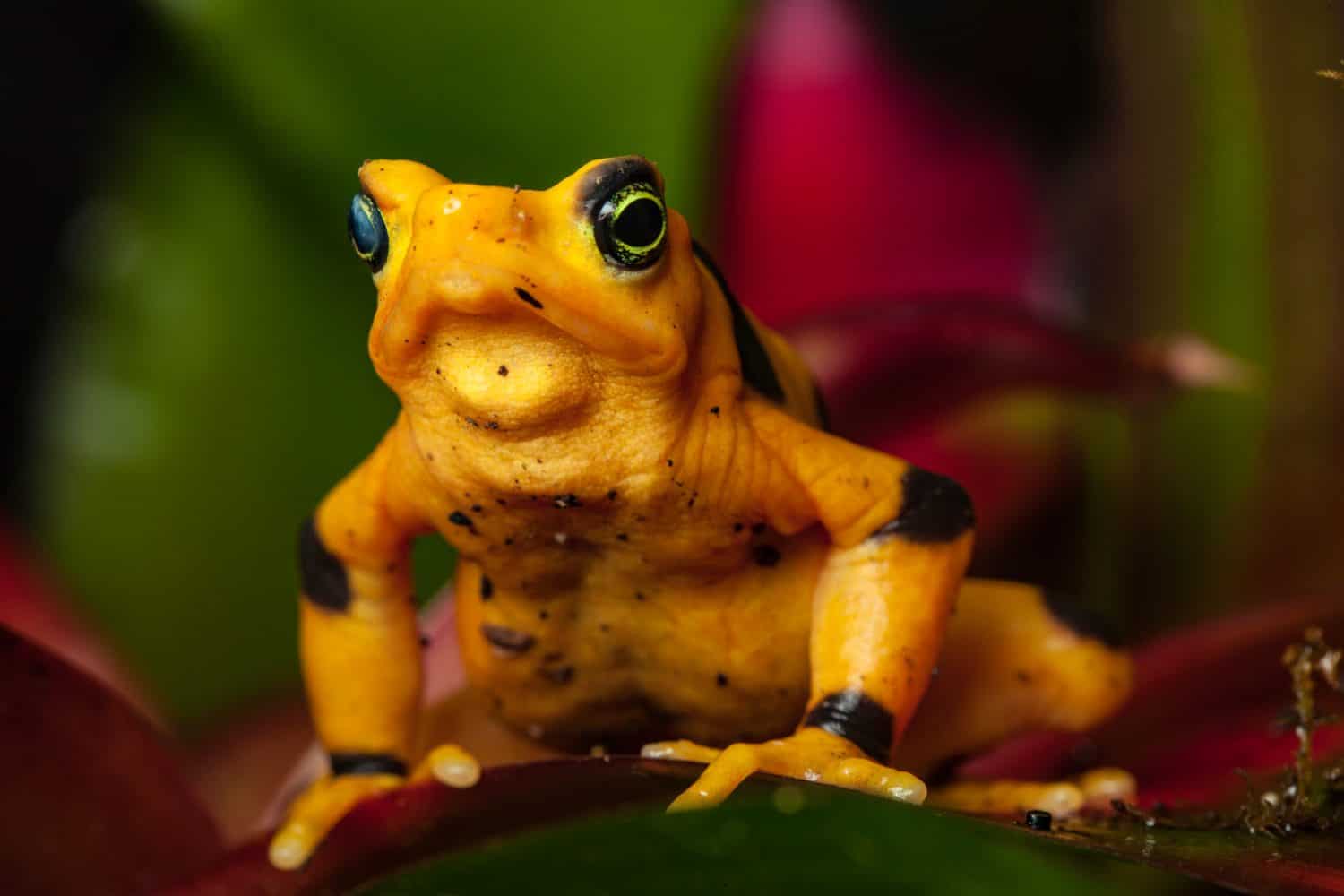
The Panamanian golden frog (Atelopus zeteki) is a brightly-colored, tiny frog native to central Panama. It was once abundant in the wild, living in wet rainforests and along the streams of mountain cloud forests. However, today the frog only survives in conservation breeding programs in Panama and North America. The last known sighting of a Panamanian golden frog in the wild was in 2009 in El Valle de Anton.
Panamanian golden frog populations were devastated by a deadly fungal disease called chytridiomycosis. The fungal disease was the primary driving force for the species’ collapse in the wild. However, habitat loss and illegal collection for the pet trade also contributed to their decline.
Testing Frogs in Semi-Natural Conditions
Researchers are comparing Panamanian golden frogs with the closely related variable harlequin frog raised in traditional indoor enclosures and semi-natural, protected outdoor habitats. The scientists want to see how each environment affects the growth and development of the golden frogs.
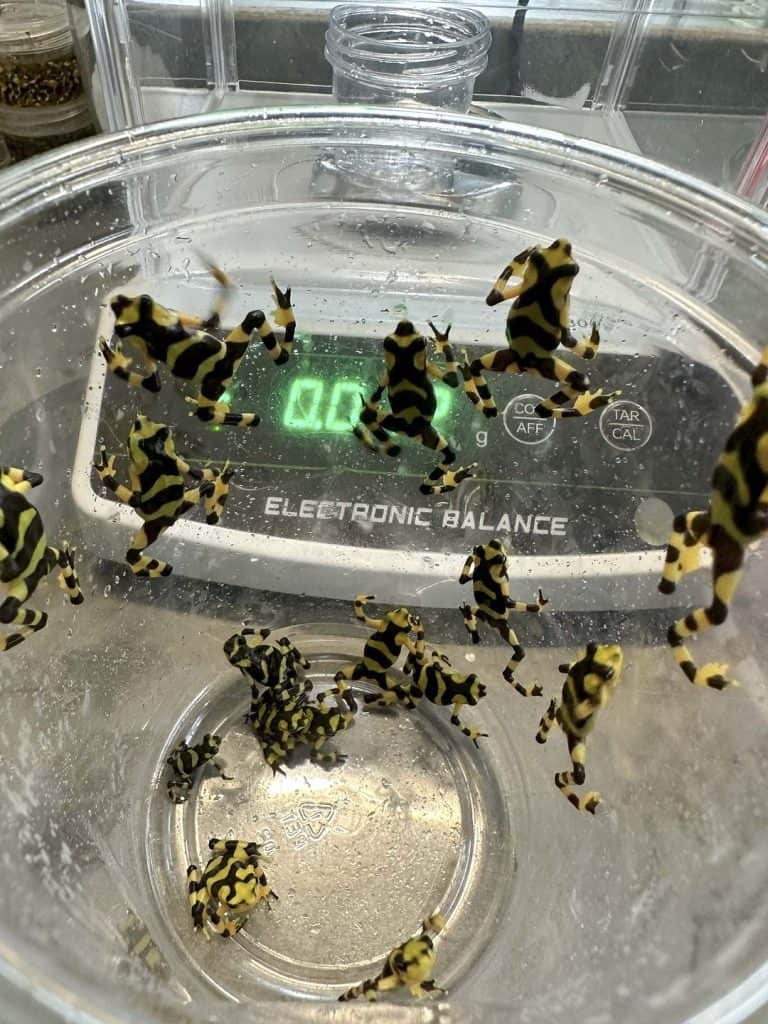
Scientists are carefully monitoring the frogs in their new outdoor enclosures for growth, weight, and other factors.
©Courtesy of the Maryland Zoo – Original
The research follows frogs in the tadpole stage and closely studies them as they develop into metamorphs and juvenile frogs. “We’re carefully monitoring how variables like temperature, rainfall, and UV exposure affect their development.” Ross continued, “information that could be vital for reintroduction efforts.”
A Step Toward Returning Frogs to the Wild
Captive breeding has saved the species from extinction. However, conservationists have been working hard to reintroduce the frogs into the wild for the past two decades. Scientists hope that raising the frogs in semi-natural conditions will better prepare them for eventual release into the wild. This experiment could help determine whether the frogs will eventually be ready for reintroduction to Panama’s native rainforests and cloud forests.
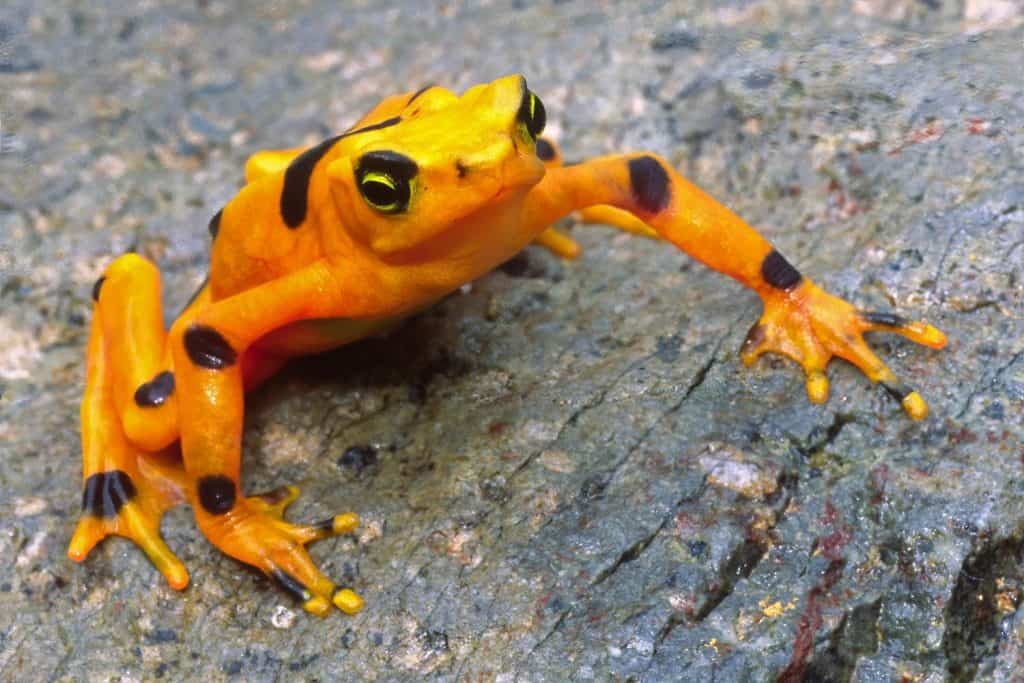
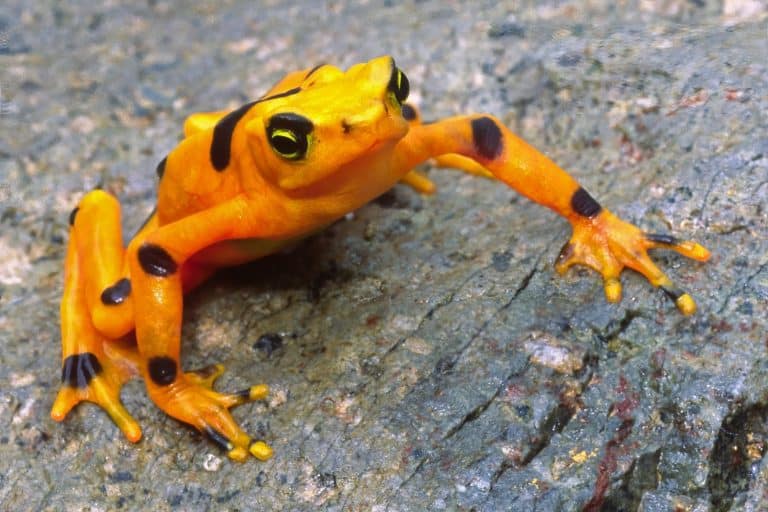
Panamanian golden frogs were once abundant across the rainforests of central Panama.
©Mike Redmer/Shutterstock.com
Ellen Bronson, the senior director of Animal Health, Conservation, and Research at the Maryland Zoo, said in the statement, “It is incredibly exciting to see the efforts we have made over the past two decades to keep this species healthy in both North America and Panama now moving closer to a day when they are back in the wild in the El Valle de Anton region.”