
Quick Take
- A Panamanian golden frog must maintain enough toxin to kill 1,200 mice to ensure its survival.
- The Batrachochytrium dendrobatidis pathogen triggered the extinction of 90 species before scientists could respond.
- Increasing temperatures create a counter-intuitive survival advantage for frogs facing the chytrid fungus.
- The 12-week deployment into mesocosms was required to filter survivors before the final release attempt.
For a quarter of a century, Panamanian golden frogs were not seen in the wild. These brightly colored little amphibians had been wiped out by a fungal disease. Thankfully, experts at the Smithsonian’s Tropical Research Institute (STRI) saw this coming! A coalition of organizations successfully bred them in captivity, and now they are being released back into the wild. But this is not as easy as it sounds! We explain why.
What We Know About the Panamanian Golden Frog
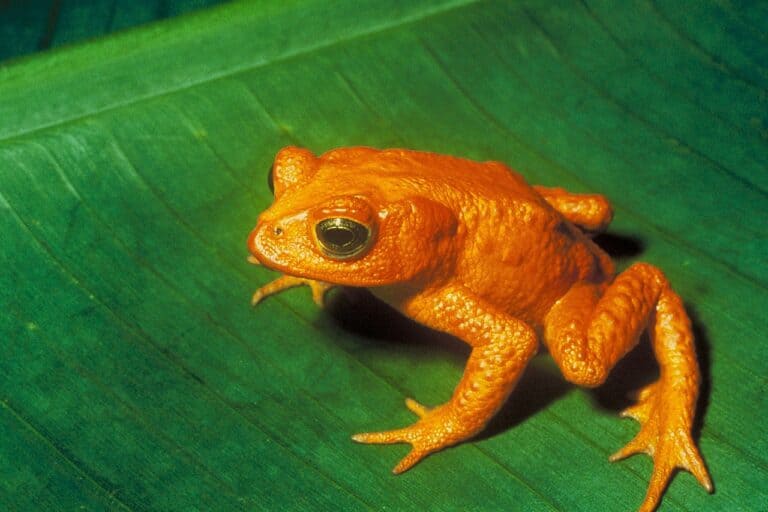
The Panamanian golden frog (Atelopus zeteki) is an endemic species of Panama and also happens to be their national animal. They were once captured and taken to hotels and restaurants to promote tourism. Their preferred habitats are the fast-flowing streams of both wet rainforests and dry cloud forests in the Cordilleran Mountains of Panama.
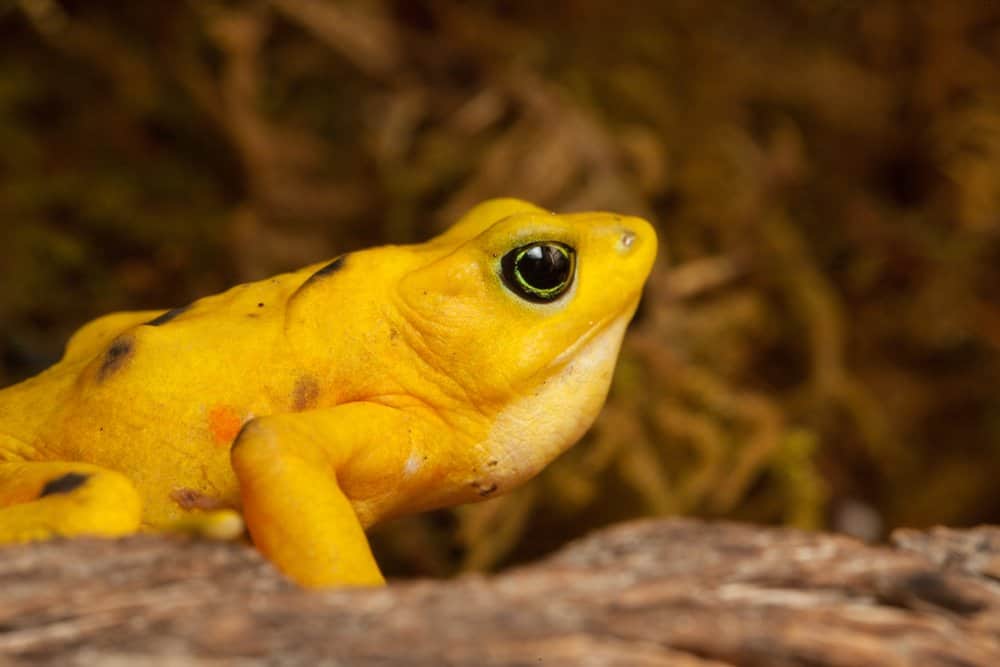
Golden frogs are small but deadly.
©K Hanley CHDPhoto/Shutterstock.com
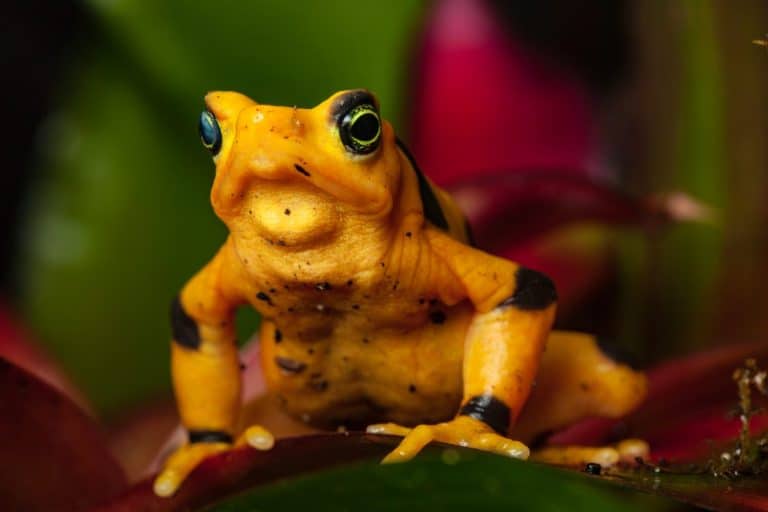
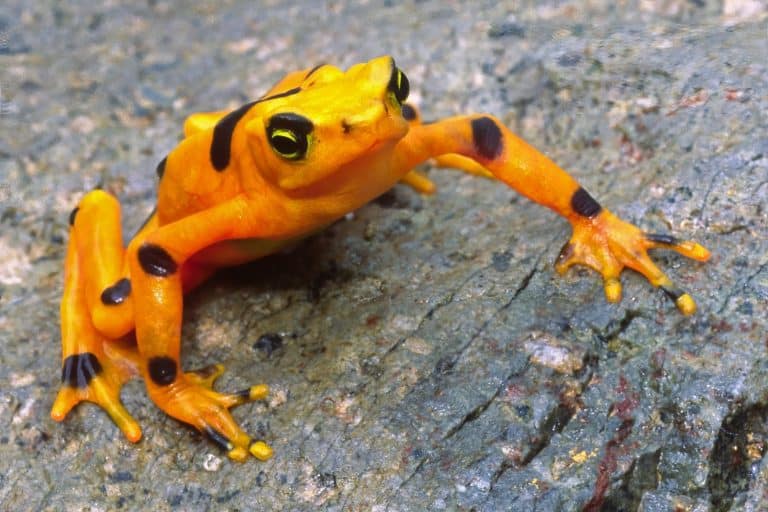
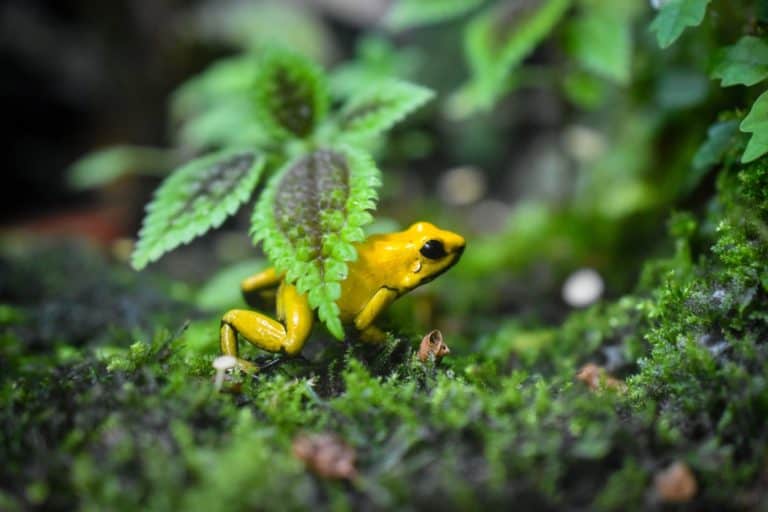
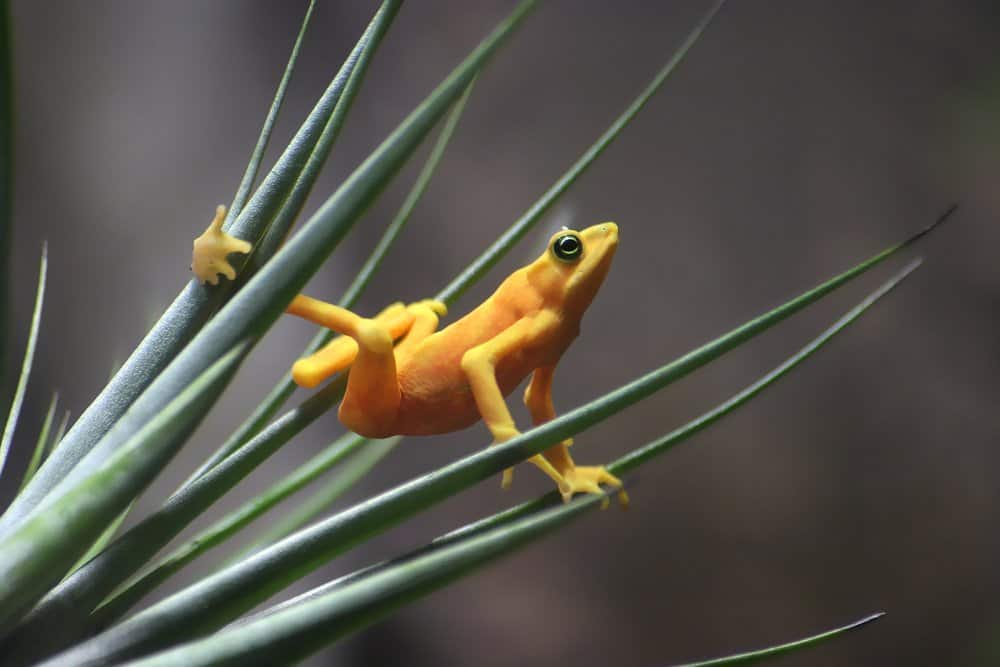
These little amphibians measure up to around 2 inches in length and weigh around half an ounce. They have a slim body with long limbs. What they lack in size, they make up for in toxicity! Their bright golden color is there as a warning (aposematic signaling) because these guys are deadly.
Glands on their skin produce tetrodotoxin and a unique compound called zetekitoxin. The skin of a single frog is coated with enough toxin to kill 1,200 mice, which helps keep would-be predators at bay. They get the toxins from insects and other small invertebrates they eat in the wild. Captive golden frogs are fed different insects and, therefore, are not toxic.
How Did the Panamanian Golden Frog Die Out?
The last golden frog was seen in Panama’s wild in 2009. They were killed off by a chytrid fungus (Batrachochytrium dendrobatidis), which causes a disease called chytridiomycosis. It is sometimes referred to as the most devastating wildlife disease in history and has led to the extinction of 90 species and the decline of nearly 500 others. The effects have been seen in Australia, Central and South America, the Caribbean, the Sierra Nevada mountain range in the U.S., and the Iberian Peninsula. It likely reached southern Central America in the late 1980s. Its origins, however, can be traced back to the Korean peninsula in the early 1900s. The international trade in amphibians has likely contributed to the spread of the fungus around the world.
The fungal spores can travel to new habitats via water and can also be carried on other animals and even on human shoes. Once it reaches the frog’s skin, it spreads across the surface and often causes the animal’s skin to slough off. Amphibians breathe through their skin, so the effects are devastating.
A Pact to Save Golden Frogs
By the early 2000s, it was clear that golden frogs were in serious trouble. Experts at the Smithsonian’s National Zoo & Conservation Biology Institute and the Smithsonian Tropical Research Institute partnered with Cheyenne Mountain Zoo and Zoo New England to form the Panama Amphibian Rescue and Conservation Project (PARC). They have bred vulnerable amphibians, including the golden frog, in captivity. Now, however, it is time to start releasing them.
The Mixed Fortunes of Released Golden Frogs
The release program commenced in 2025. First, the scientists created pens called mesocosms where the frogs would be in the wild but protected from predators and in a place where they could be monitored. The mesocosms had a layer of leaf litter with insects for the frogs to forage on.
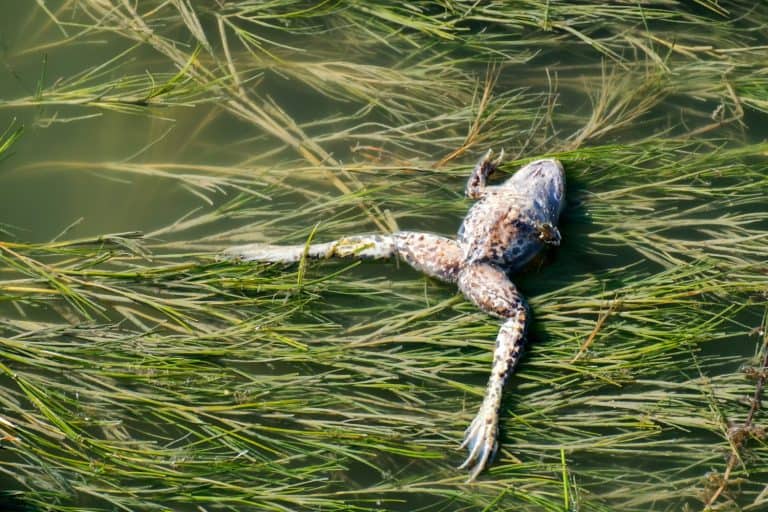
After 12 weeks, 70 percent of the frogs perished from chytridiomycosis. The surviving frogs were fully released into the wild. While these numbers are clearly grim, the project yielded a lot of useful information about how chytridiomycosis spreads and persists, and how amphibians might adapt to it.
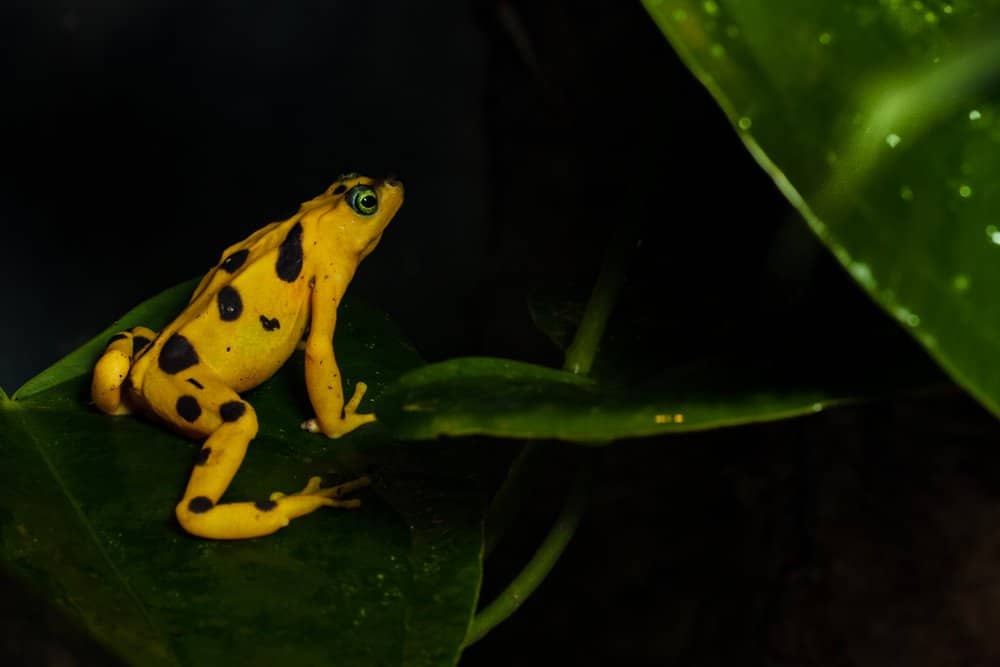
A large proportion of the released golden frogs perished.
©K Hanley CHDPhoto/Shutterstock.com
It is hoped that eventually the golden frogs can be released in locations with temperatures suitable for the frogs but too hot for the fungus to survive. It’s been shown from studies in Australia that temperature can help an amphibian’s ability to fight off the fungus. Also, when amphibians live with the fungus for several generations, they may evolve resistance and recover.
Other Released Amphibian Species
Alongside the golden frogs, other amphibian species have been released under the Smithsonian’s Tropical Amphibian Research Initiative. One is the crowned tree frog (Triprion spinosus), which has disappeared from most upland sites in Panama. Another is the Pratt’s rocket frog (Colostethus pratti), which vanished completely from Altos de Campana National Park but now shows signs of recovery. Finally, the lemur leaf frog (Agalychnis lemur) has declined significantly throughout its range and is considered extinct in several sites where it once occurred.
In these cases, the release trials have exceeded expectations, with excellent survivorship of lemur leaf frogs and positive signs for crowned tree frogs and Pratt’s rocket frogs.