
Quick Take
- Something frogs lose inside captivity may be the key to surviving the fungus outside it, and whatever it is has nothing to do with instinct or behavior.
- Scientists aren't trying to eliminate the deadly fungus. The strategy they're actually betting on is far stranger than eradication.
- If this experiment works, it won't just save one frog. It could hand conservationists a blueprint for a disease devastating hundreds of species worldwide.
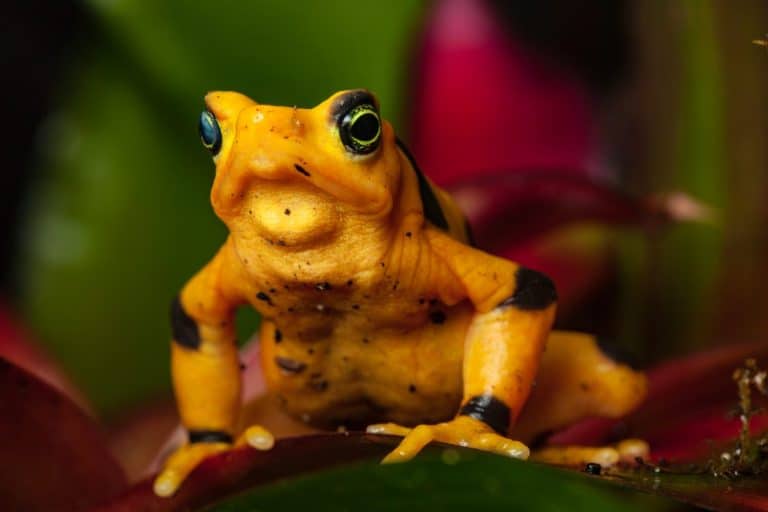
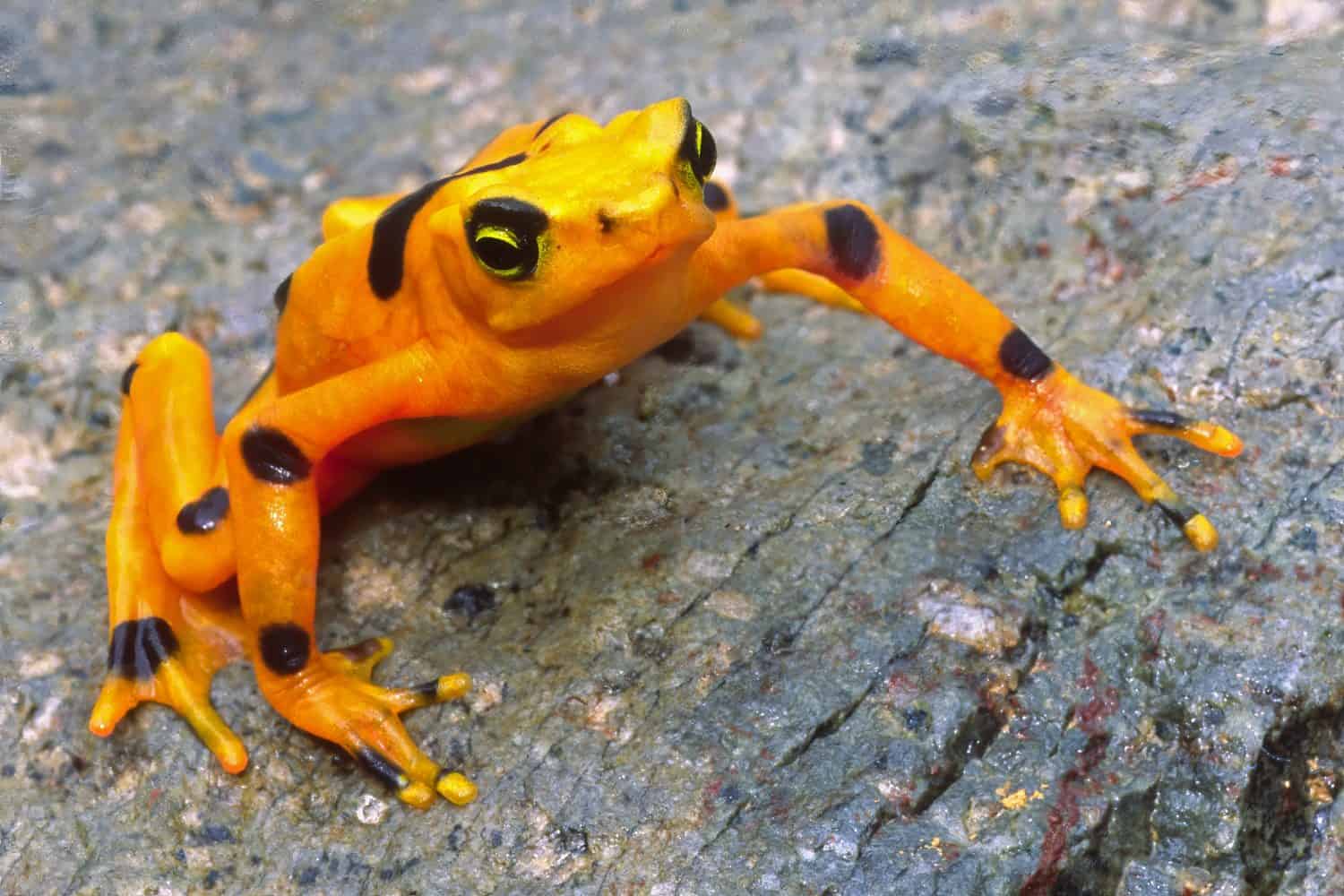
The Panamanian golden frog, a brilliantly bright yellow amphibian long considered a national symbol of Panama, hasn’t been seen in its native habitat for almost twenty years. A fungal disease known as chytrid fungus swept through its population, pushing the species to the edge of extinction. Since then, the only frogs left have lived in carefully managed breeding facilities, far from the streams their ancestors once called home.
That sad story may finally be starting to change.
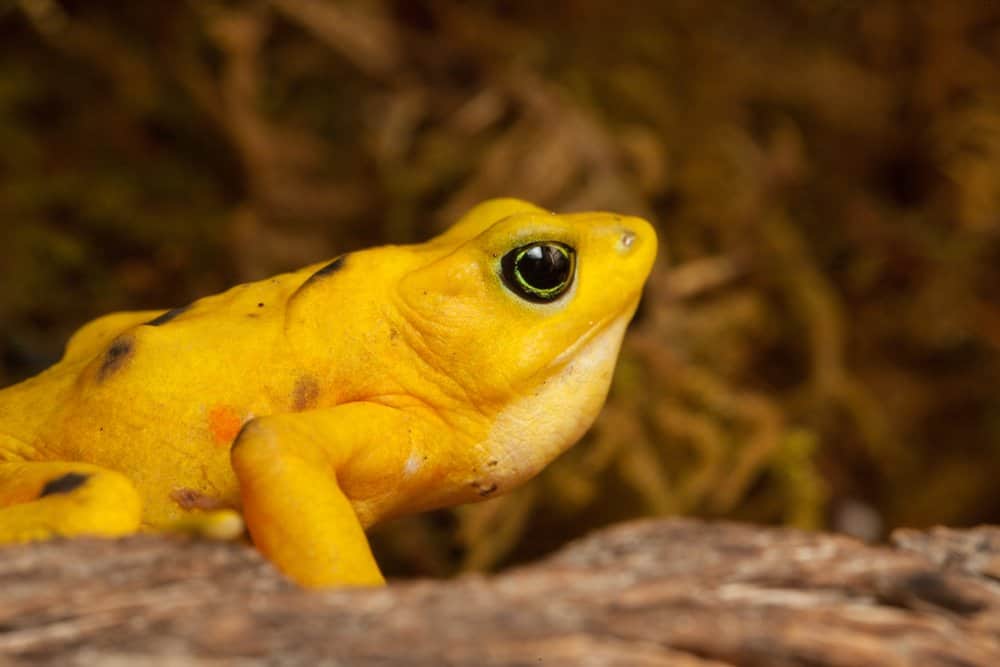
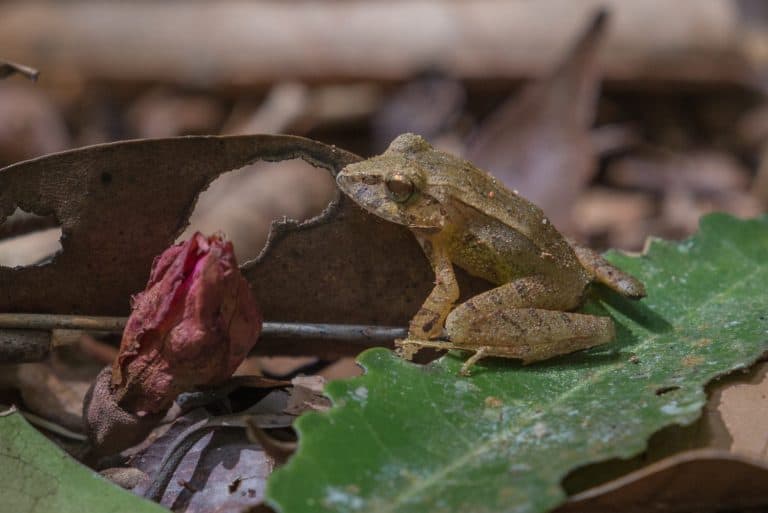
The chytrid fungus (Batrachochytrium dendrobatidis) devastated wild populations in the early 2000s.
©K Hanley CHDPhoto/Shutterstock.com
Researchers from the Smithsonian Tropical Research Institute, the Smithsonian’s National Zoo and Conservation Biology Institute, and the Panama Amphibian Rescue and Conservation (PARC) project have launched a new effort to test whether frogs bred in captivity can survive back in the wild. The initiative also has backing from Cheyenne Mountain Zoo, Zoo New England, and Panama’s National Secretary for Science, Technology and Innovation (SENACYT).
Rather than releasing frogs directly into the wild, the team designed a more measured experiment. They placed 100 captive-bred frogs into protected outdoor structures called mesocosms, built right in the frogs’ natural mountain habitat. These enclosures let the frogs experience real conditions, natural food sources, shifting weather, and native microorganisms, while still allowing researchers to closely track their health and survival.
It’s a middle path between total captivity and full release, designed to answer a critical question. Can frogs that have endured generations in protected breeding programs cope with the pressures of the wild, particularly the disease that nearly wiped them out?
Chytrid fungus remains the central danger. It invades an amphibian’s skin, interfering with functions the animal needs to survive, and it has proven lethal to countless species worldwide, not just in Panama.
Over the 12-week trial, about 70% of the released frogs died from the disease. At first glance, that number might seem discouraging. However, scientists involved in the project say the trial was still a meaningful success.
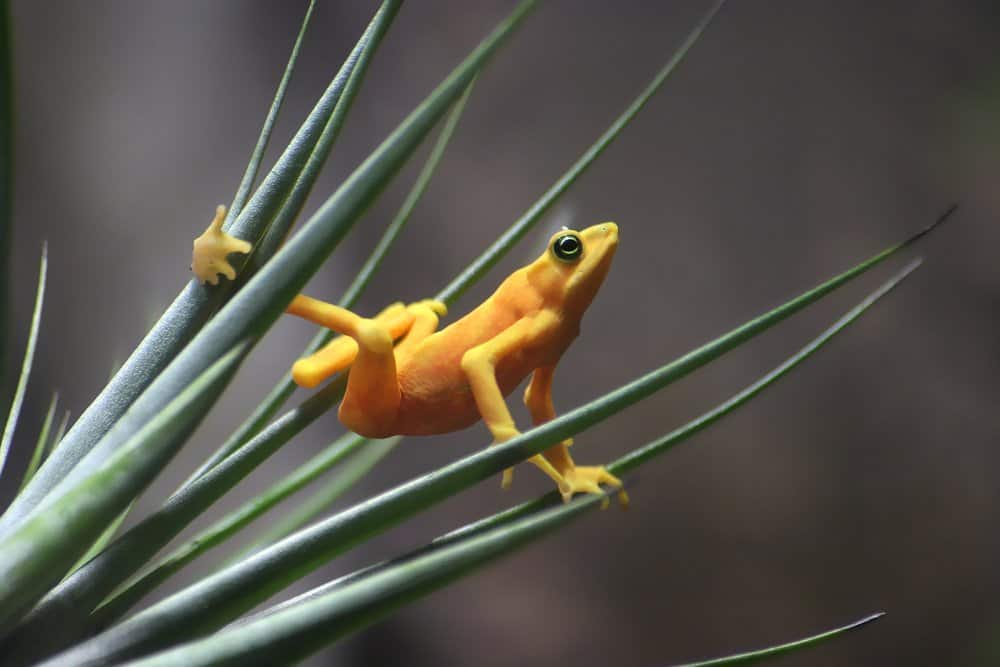
While many frogs are bright yellow or gold, some individuals have distinctive black spots or markings.
©Doug Lemke/Shutterstock.com
Each frog that died contributed data that researchers could not gather in any other way. By examining the frogs, the team is learning more about how the fungus behaves when frogs return to a natural setting, how animals raised in captivity adjust to life in the wild, and whether their skin can regain natural toxins after they resume a wild diet. Those toxins, which frogs typically lose in captivity due to changes in their diet, may play an important role in the animals’ long-term defenses.
Notably, many of the frogs that survived the 12-week trial were eventually released from the enclosures into the surrounding habitat, marking an initial but real step back into the wild.
One of the most promising goals of the project is identifying what researchers call “climate refuges,” specific locations where local conditions, such as slightly warmer temperatures or different humidity levels, make it harder for chytrid fungus to survive and spread.
If scientists can map out these pockets of favorable conditions, they could become the first sites where wild, self-sustaining populations of Panamanian golden frogs are reestablished. Rather than trying to eliminate the fungus outright, a goal that has proven nearly impossible globally, the strategy focuses on finding places where frogs and the fungus can coexist without the disease proving fatal on a large scale.
This project reflects a broader shift in how conservationists approach amphibian recovery. For years, the priority was simply preventing extinction, largely by breeding threatened species in captivity and maintaining backup populations in zoos and research centers. That strategy worked to keep the Panamanian golden frog alive, but it left the species existing only behind glass, disconnected from the ecosystem it once inhabited.
Now, researchers are entering a much more challenging phase: determining how to return these animals to their natural environment despite the ongoing threat of disease. This means confronting complex, unresolved questions about immunity, habitat conditions, and long-term survival—questions that do not have easy answers.
The stakes extend well beyond this one species. Chytrid fungus has been linked to population declines in hundreds of amphibian species worldwide, making it one of the most destructive wildlife diseases ever documented. Frogs, toads, and salamanders on multiple continents have suffered similar losses.
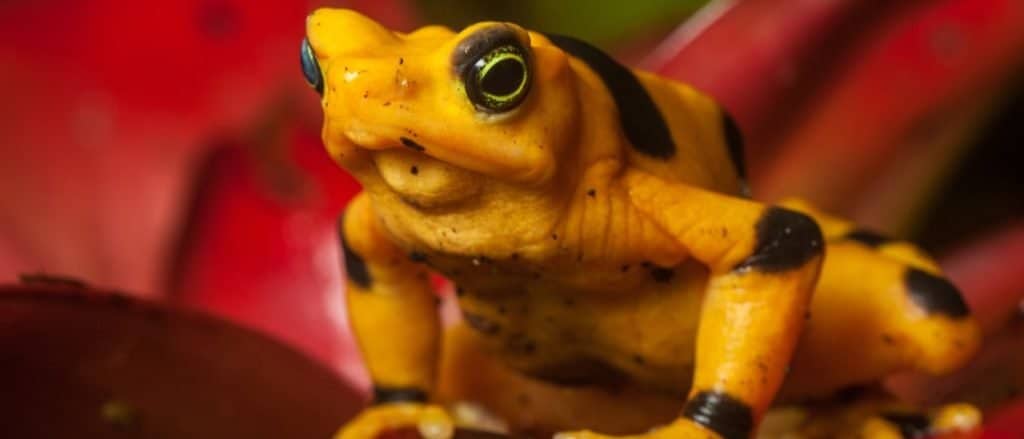
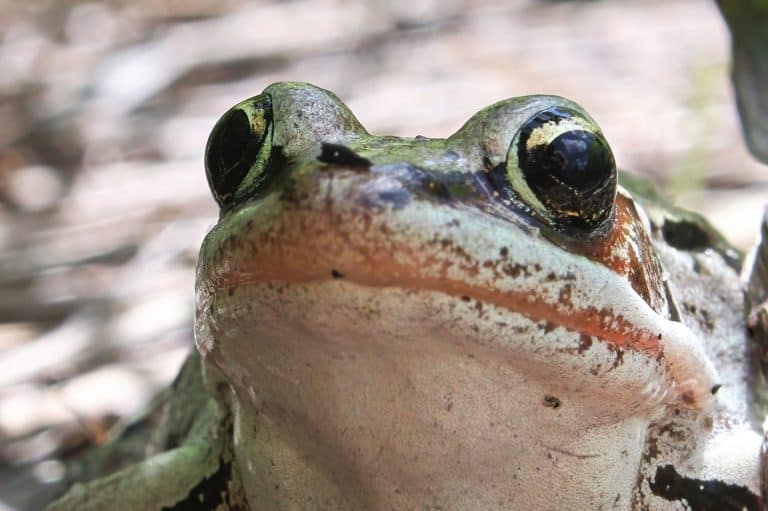
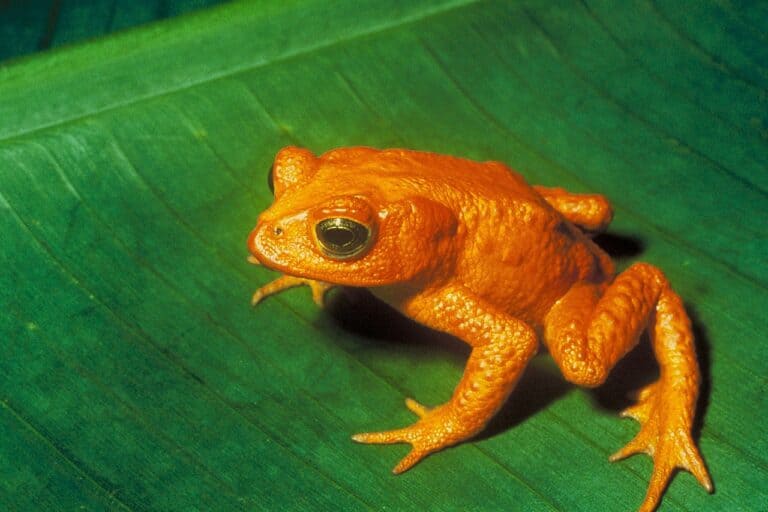
The Panamanian golden frog is classified as Critically Endangered by the International Union for Conservation of Nature (IUCN) and was considered extinct in the wild until these trials.
©K Hanley CHDPhoto/Shutterstock.com
If scientists can develop a reliable method for reintroducing frogs in the presence of this fungus—whether by climate refuges, enclosure-based acclimation, or other techniques discovered along the way—the lessons could apply far beyond Panama’s mountain streams. The approach could offer a workable model for other conservation programs dealing with the same disease in different parts of the world.
For the scientists involved, success in this project isn’t defined by how many frogs survived the initial trial. It’s defined by what was learned. Each data point, including deaths, contributes to an expanding body of knowledge about how to eventually reestablish a wild population that can sustain itself without continual human involvement.
It is a slow, incremental process, and there is no guarantee of a quick turnaround. But after nearly two decades without a single Panamanian golden frog in its natural habitat, even a careful, closely monitored return to the wild represents genuine progress. Researchers hope that continued trials, refined enclosure designs, and an enhanced understanding of climate refuges will eventually bring the country’s iconic golden frog back to the streams where it once thrived.