It’s hard to deny that rhinos are pretty fascinating animals. They are huge, resemble dinosaurs, and have skin that is thicker than concrete. Perhaps the most fascinating aspect of the rhinoceros, however, is its massive, pointed horn. In this YouTube video, a rhino in a zoo enclosure approaches a watermelon and uses its horn to break it open.
Remarkably, the rhino doesn’t even need to use the pointy end of its appendage to open the watermelon. Simply by pressing down on the fruit, the sheer weight and force of the rhino’s horn break the watermelon apart. It seems that rhinos can use them in more ways than one. Let’s learn more about rhinoceros horns, their functions, characteristics, and more.
Fruit Ninja

With barely a push, this white rhino easily splits open a watermelon with the side of its front horn.
©Youtube/oregonzoo
In this YouTube video, a rhinoceros at the Oregon Zoo in Portland, Oregon, is seen walking up to a watermelon on the ground. Without hesitation, it lowers its head and horns. With remarkable ease, the rhino splits open the hearty watermelon simply by pressing down on it. Once it breaks the seal on the melon, so to speak, the rhino grinds the side of its horn into the watermelon, back and forth, until the juicy fruit center is sufficiently exposed.
From there, the rhino makes quick work of this tasty treat. After a couple of grinding motions with its horn, it starts chewing on the watermelon. Hilariously, the rhino is so large that the watermelon looks no bigger than an apple in its massive yet nimble mouth. However, rhino horns serve many important purposes beyond their value to humans. They play an integral role in a rhino’s survival and social interactions.
Boneless Wing

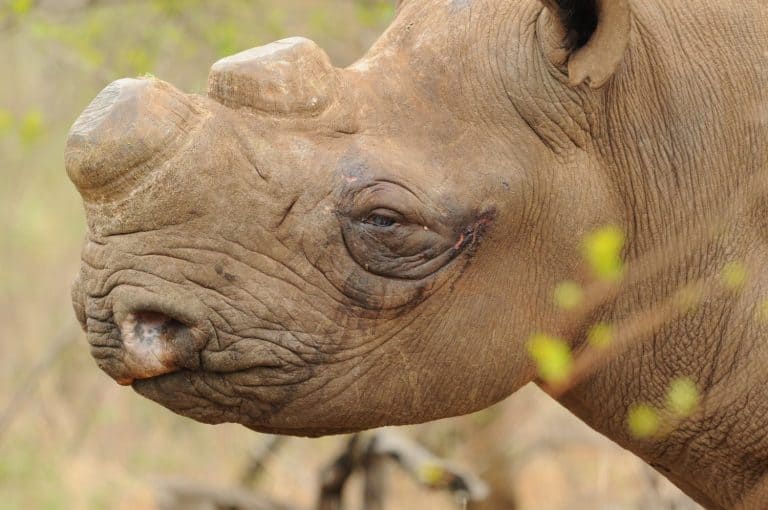
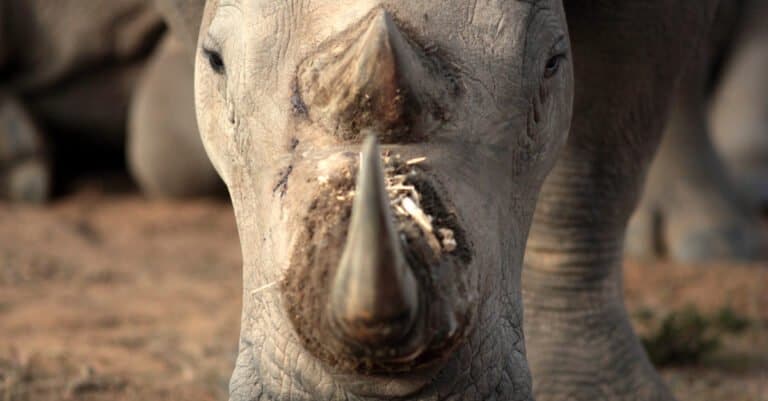
A close-up shot in the latter part of this YouTube video gives viewers a better look at this rhino’s magnificent horn. While it may look like one giant bone, a rhino’s horn is actually made of keratin. Like human hair or fingernails, a rhino horn is composed of tightly-wound fibers of keratin. There’s no bone in there, but there might as well be. The horn is attached to the skin over a rhino’s nasal area, which allows it to take a hit and absorb a fair amount of shock.
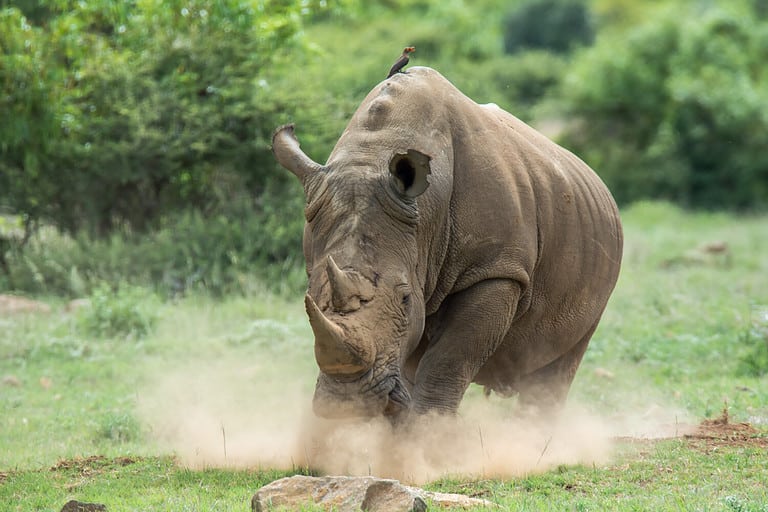
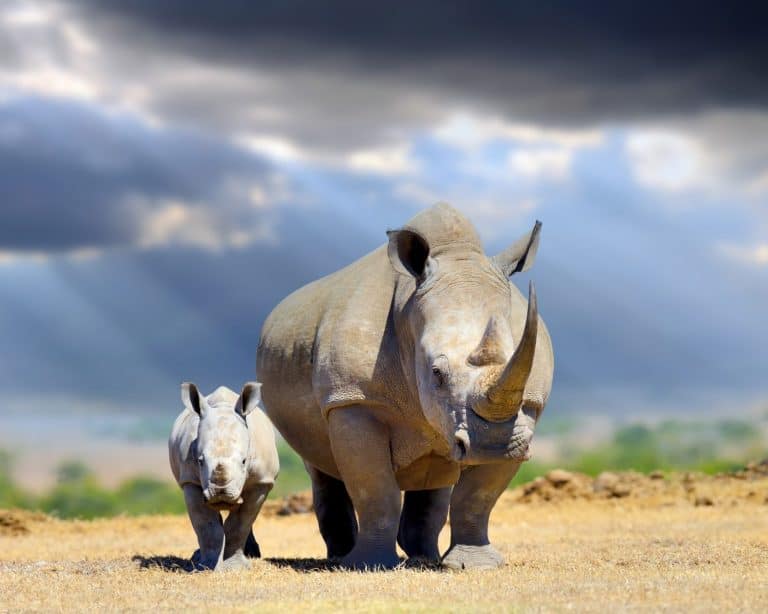
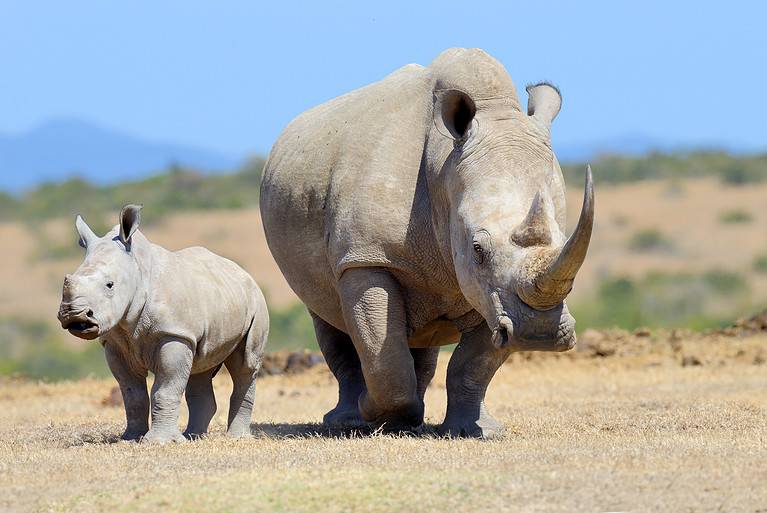
The size and shape of the horn depend on the rhinoceros species. The rare and majestic white rhinos of Africa, for example, have two horns with the front one being a bit larger than the back one. Asian rhino species, however, usually have one big horn. For all rhinos, their horns grow continuously throughout their lives and never stop. An adult male rhino’s horn can reach over five feet. Like fingernails, they are usually worn down or broken during different chapters of life.
Horn of Plenty

Rhinos use their horns to fight, forage, nurture, and signal status.
©YouTube/oregonzoo
The horn is the most notable feature of a rhino’s interesting anatomy for good reason. Rhinos use their horns for a variety of purposes, including defending themselves from threats, competing with rivals, foraging for food, and guiding their young. Since rhinos can’t move very fast or see that well, their marvelous lances keep them safe from predators and rivals. They settle disputes and help rhinos attract potential mates. Like a lot of animals with notable appendages, rhino horns are something like status symbols, too. These natural spears tell other rhinos facts about dominance, age, and strength.
In addition to social signaling, rhino horns are essential for foraging. They help rhinos break apart tree branches, strip bark, dig for water, and more. Female rhinos also use these appendages to guide their calves.
A Destructive Commodity
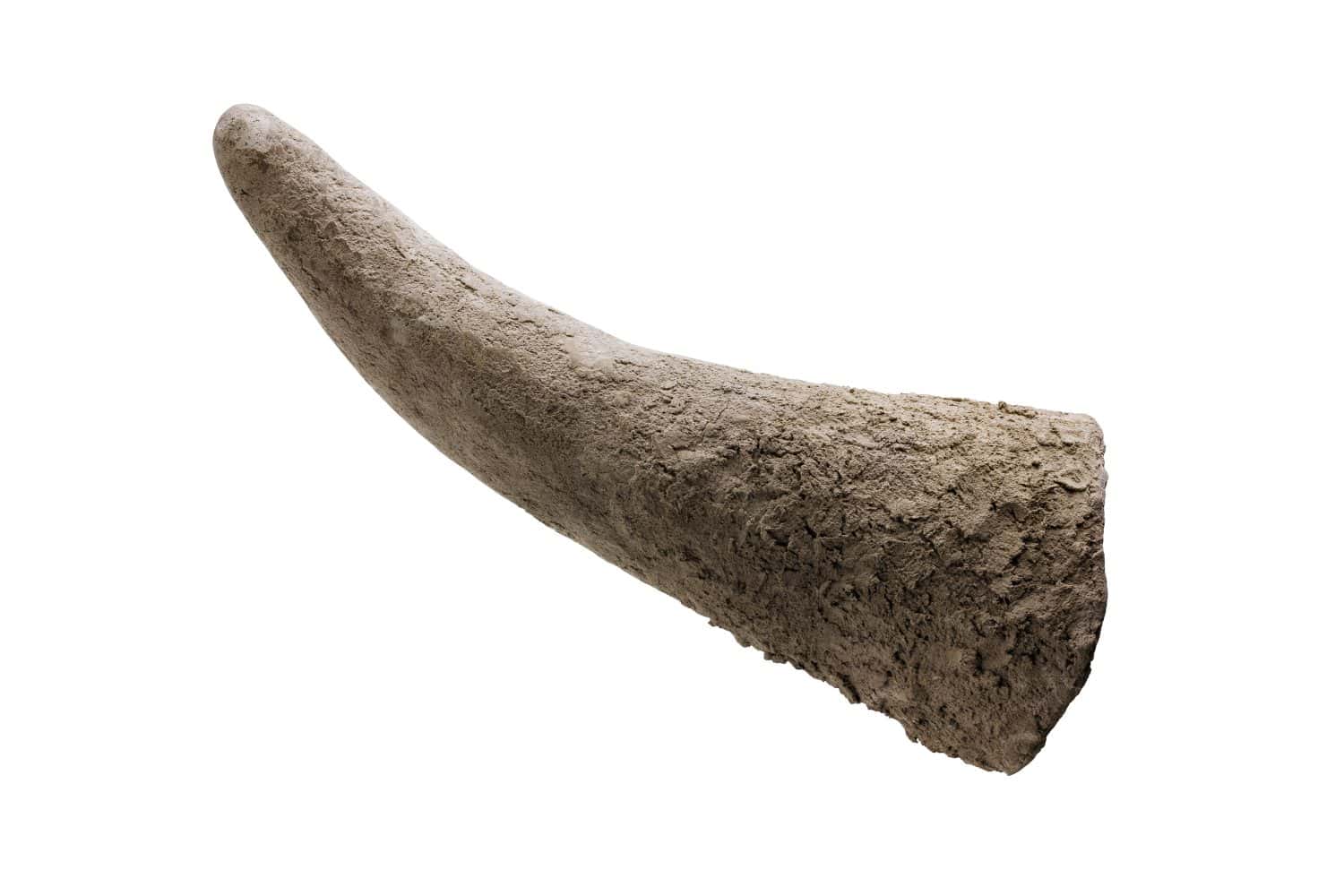
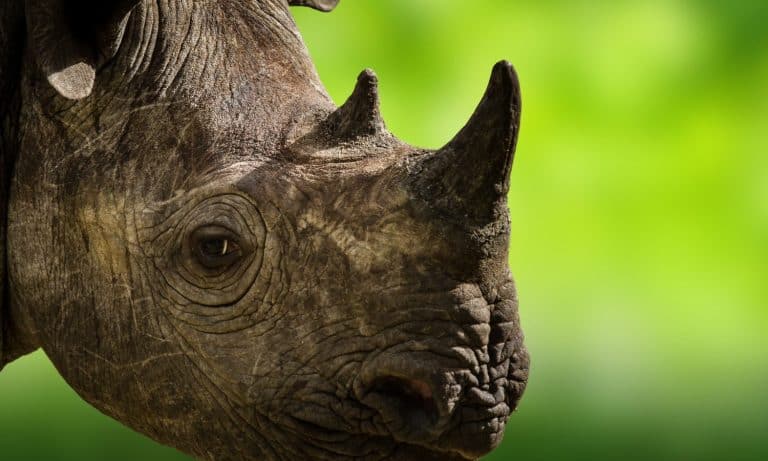
Inaccurate cultural beliefs about rhino horns, combined with habitat loss and urbanization, have led to several rhino species being considered critically endangered.
©Etienne Outram/Shutterstock.com
Rhino horns are prized in various human societies, which has tragically led to a massive amount of rhino poaching. For centuries, people have attributed magical properties to rhino horns, claiming they can improve health, wealth, and social status. People claim they have health, wealth, and status-boosting properties. Treating these horns as a prized commodity, however, has led to one of the most drastic wildlife crises in modern memory. Rhinos have been poached at an alarming rate, a problem that has been further amplified by habitat loss and urbanization. As of September 2025, the Javan, Sumatran, and Black rhinos are considered critically endangered, the Greater one-horned rhino is listed as vulnerable, the Southern white rhino is near threatened, and the Northern white rhino is functionally extinct.
While conservation and anti-poaching efforts have been enacted around the world, cultural beliefs around rhino horns endure. As this YouTube video shows, however, rhinos need their organic javelins for so many purposes, including foraging. Without them, they would barely function.