
Quick Take
- Synchrotron imaging of Pohlsepia mazonensis revealed it is a nautilus relative, not the world’s oldest octopus.
- Octopus origins are now placed much later, in the Jurassic, rather than 300 million years ago.
- The fossil is considered the oldest recorded evidence of nautiloid soft tissue preservation ever discovered.
Scientific knowledge is constantly updated, revised, or reshuffled as new insights emerge. One particular fossil was thought to be the world’s oldest octopus. But it turned out to be a completely different animal. Researchers discovered this case of mistaken identity after using synchrotron imaging to look inside the fossil.
Whatever the researchers expected to find, it certainly wasn’t the remains of a completely different animal. Indeed, researchers found tiny teeth deep inside the fossilized rock that proved Pohlsepia mazonensis was not an octopus, but rather an animal related to a modern Nautilus—complete with multiple tentacles and an external shell. First shared on April 8, 2026, in the journal Proceedings of the Royal Society B, the results solve a long-standing puzzle regarding the timeline of octopus evolution. They also provide a breakthrough in the form of evidence for the oldest nautiloid soft tissue preservation ever found. Let’s learn more about this startling (re)discovery.
A Reidentified Fossil
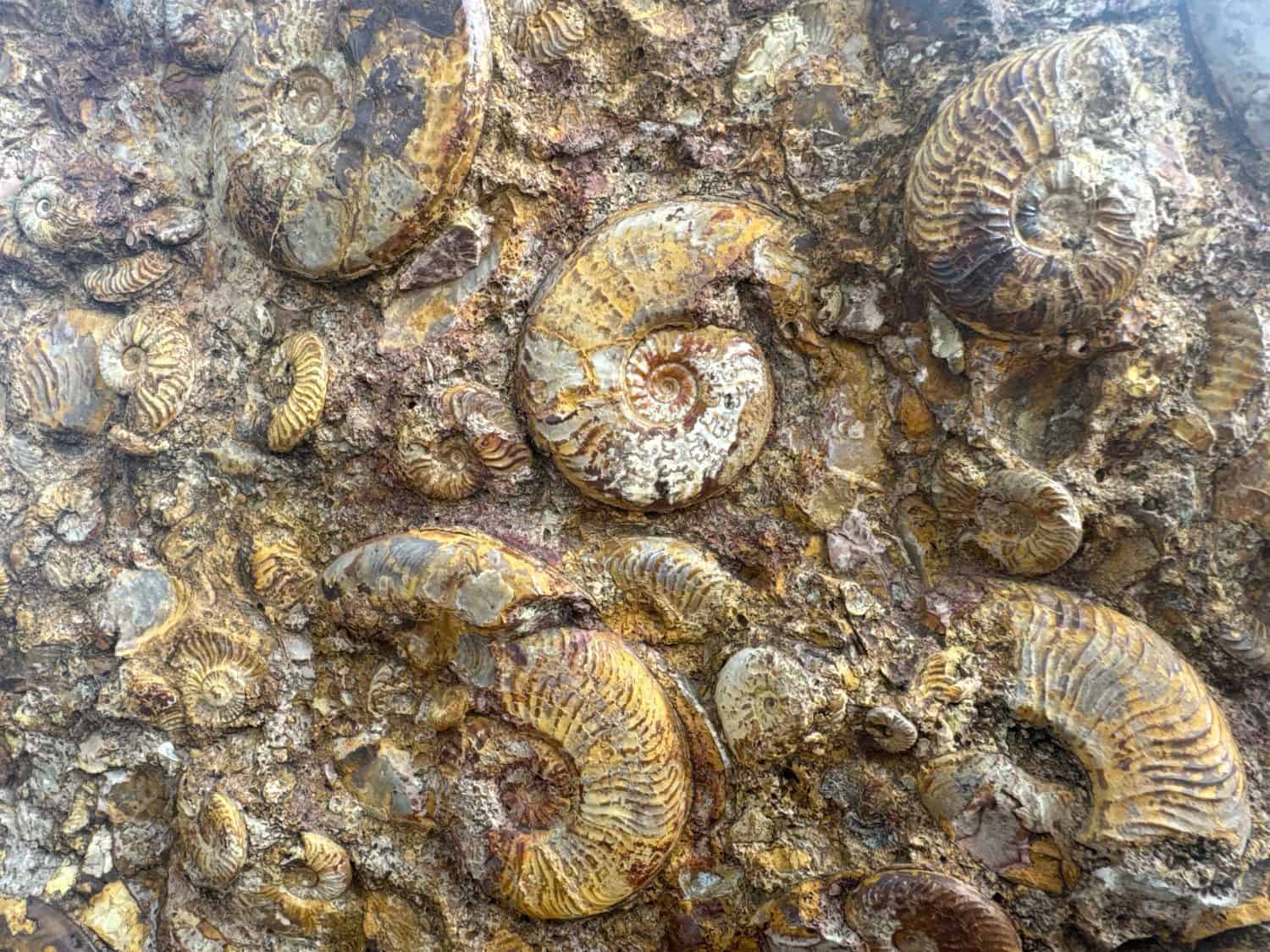
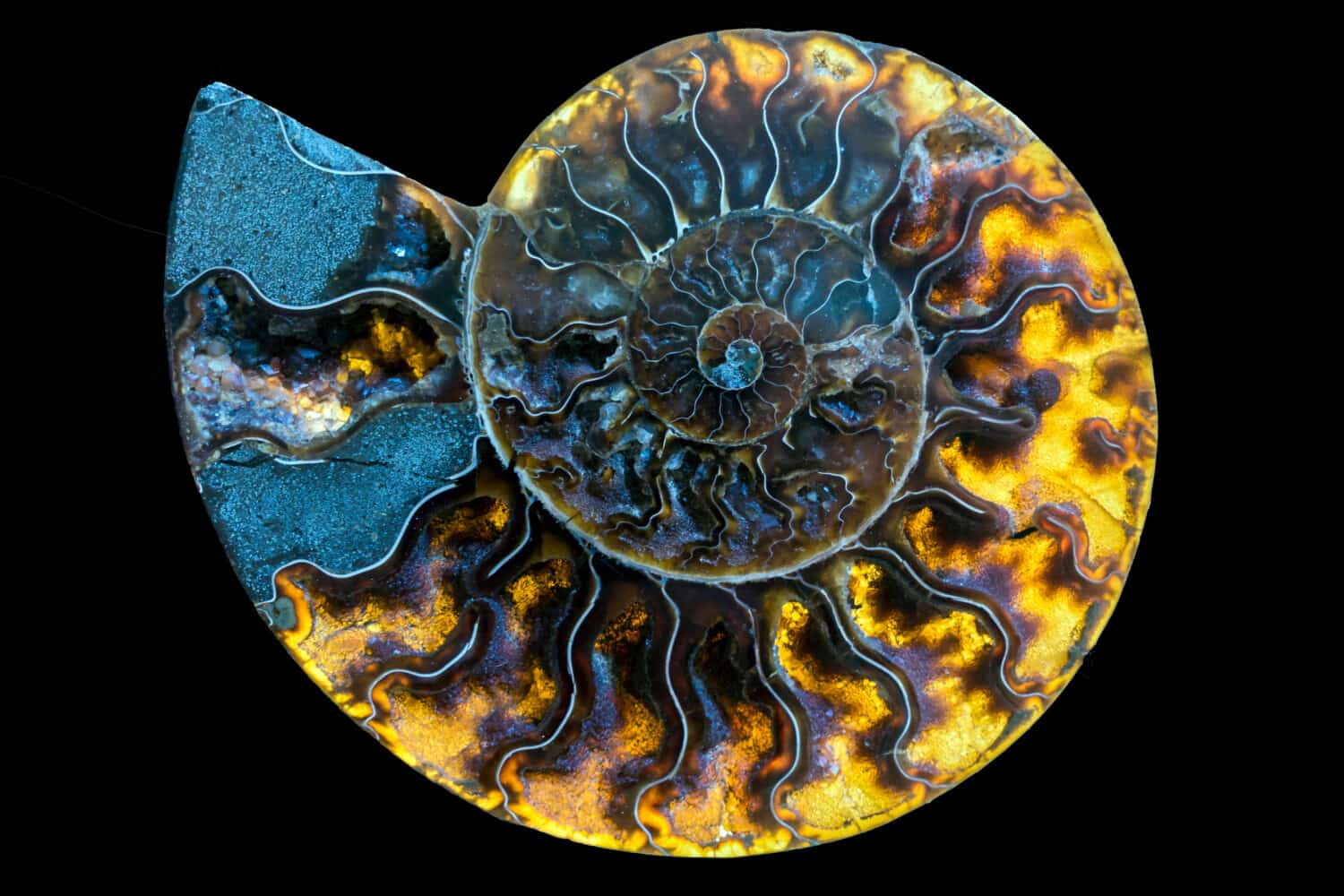
Synchrotron imaging helped scientists find tiny teeth hidden within the fossil structure.
©Tib-nature/Shutterstock.com
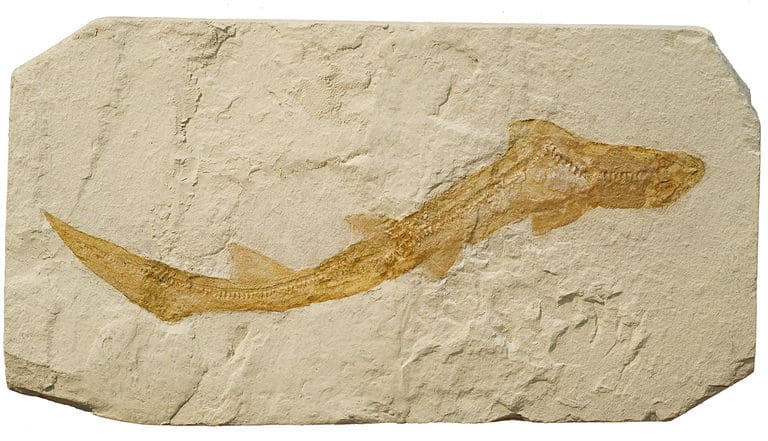
The now-reidentified fossil was first found in the Mazon Creek fossil beds near Morris, in Grundy County, Illinois. The first analysis of the fossil, published in 2000, suggested that the fossil showed eight arms, fins, and other features typical of an octopus. This pushed back the known history of octopuses by around 150 million years. However, doubts about this specific identification have been raised by scientists for years. The only problem was that scientists previously lacked clear methods to test the identification—until now.
The new study used innovative synchrotron imaging, which uses high-intensity light beams, to scan for structures beneath surfaces that are invisible to the eye. This revealed hidden details inside the fossilized rock that had eluded scientific analysis in the early 2000s. Scientists involved in the new study compared the process to a modern forensic examination.
Synchrotron imaging helped scientists find a radula in the fossil. This is a ribbon-like feeding organ with rows of teeth found exclusively in molluscs. The fossil in question showed “11 tooth-like elements per row,” which “ruled out an octopus entirely.” This is because octopuses have seven or nine tooth-like elements per row, compared to 13 in nautiloids. Instead, researchers matched the teeth with a fossil of nautiloid Paleocadmus pohli.
Revised Records
While the nautilus is a creature still alive in the modern day, its ancient origins make some people consider it to be a “living fossil.” This fossil, initially mistaken for an octopus, is part of a collection of Paleocadmus fossils found at the Mazon Creek site in Illinois. Furthermore, it now represents the oldest known nautiloid soft tissue in the fossil record. That beats the previous record by around 220 million years.
So, while the fossil was not an octopus as originally thought, the revised findings completely change our understanding of octopus evolution. They suggest that octopuses appeared later, during the Jurassic period. This reinforces the scientific consensus that the split between octopuses and squids occurred during the Mesozoic era instead of hundreds of millions of years earlier.
Dr. Thomas Clements, lead author and Lecturer in Invertebrate Zoology at the University of Reading, considered the discovery to be a blessing in disguise. He told the University of Reading, “It’s amazing to think a row of tiny hidden teeth, hidden in the rock for 300 million years, have fundamentally changed what we know about when and how octopuses evolved.”
Final Thoughts
The world’s most famous octopus fossil turned out to be a completely different animal.
©Osman Temizel/Shutterstock.com
The teeth found through synchrotron imaging matched those of the Paleocadmus pohli fossil, which was already known from the same site in Illinois. This led researchers to conclude that the nautilus relative partially decayed before fossilization occurred, causing it to look quite different from its true form. When asked about the results, Dr. Clements expressed surprise.
He told the University of Reading, “It turns out the world’s most famous octopus fossil was never an octopus at all. It was a nautilus relative that had been decomposing for weeks before it became buried and later preserved in rock, and that decomposition is what made it look so convincingly octopus-like.”
Even though scientists mistakenly identified the fossil as an octopus 26 years ago, it took modern technology to finally crack the case. As Dr. Clements said, “We now have the oldest soft tissue evidence of a nautiloid ever found, and a much clearer picture of when octopuses actually first appeared on Earth. Sometimes, reexamining controversial fossils with new techniques reveals tiny clues that lead to really exciting discoveries.”