Quick Take
- Only 1,360 mammalian genera exist on Earth, which makes finding a brand-new one almost unthinkable. Explore mammalian genera counts →
- Scientists knew they had a new genera because of this animal's unique tail, which distinguished it from similar animals. See how the photo sparked discovery →
- This gliding possum does something that 95% of all mammals never do, and the remarkable behavior is not the gliding. Meet this unique gliding possum →
- Rediscovering a species thought gone for 6,000 years should be cause for celebration. Yet scientists are already warning it could disappear again. Read about its fragile future →
I’m constantly in awe of the natural world around us. There’s something so calming about walking through nature and seeing the plants grow, the insects teeming around, and the many creatures that live in tandem. Tens to hundreds of different species also probably live in and around our yards! Despite the diversity of animals we can see, there are still thousands that haven’t been discovered. In fact, scientists identify approximately 16,000-18,000 new species every year. The majority of these newly identified species are insects and arthropods. However, scientists have also identified around 65 new mammal species each year, such as Stanley’s white-toothed shrew and Dalat gymnure.
Identifying a new genus is a much rarer occasion, especially when it comes to mammals. Mammals are not as diverse a group as insects. Furthermore, they have been heavily studied by scientists. However, the discovery of new genera does happen, albeit at a slower pace. In the last 21 years, scientists discovered (among others) Laonastes and Rungwecebus in 2005, Cassistrellus in 2018, Pattonimus in 2020, and now Tous, a gliding possum genus, in 2026. Tous is proof that there’s so much more to see in our world, and we need to protect it to do so.
What Is a Genus?
If you’ve asked yourself what the difference between a genus and a species is, you’re certainly not alone. Both species and genus are considered taxonomic ranks. Essentially, these ranks are used to classify organisms based on shared traits and characteristics, as well as how closely related certain animals are.
A Breakdown of Taxonomic Ranks
When it comes to taxonomic ranks, they range from broadest (kingdom, such as animals, plants, and fungi) to most specific (species, or organisms that share characteristics and can mate with each other). In the middle are Phylum, such as Arthropoda for arthropods; Class, such as Osteichthyes for bony fish and Chondrichthyes for cartilaginous fish; Order, such as Rodentia and Primates (order: Mammalia); Family, such as dogs, cats, and bears (family: Carnivora); and Genus, which is made up of closely related species.
An animal’s scientific name consists of its genus and species. For example, with the Dalat gymnure (Hylomys macarong), Hylomys is the genus and macarong is the species. Red foxes, for another example, are Vulpes vulpes, while fennec foxes are Vulpes zerda. You can see how they are part of the same genus, but distinct in their species.
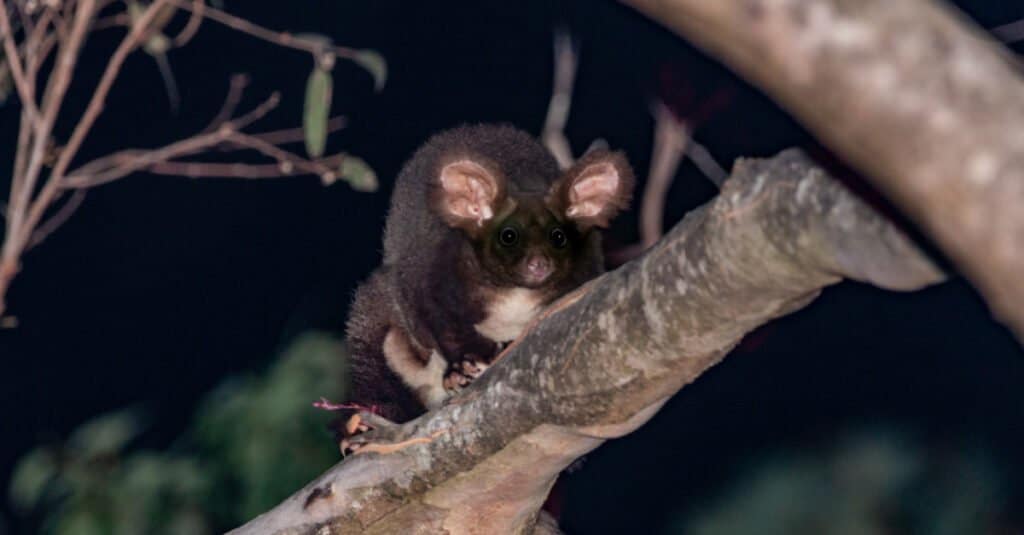
The Greater Glider is a marsupial that is part of the mammal class, similar to the new genus Tous!
Currently, the American Society of Mammalogists’ Mammal Diversity Database estimates that 6,871 mammal species exist, with 6,758 living species and 113 recently extinct species, but only 1,360 mammalian genera. As such, you can imagine why it’s such a big deal to discover a new genus!
How Tous Became an Exciting Discovery
When I did an interview with the Xerces Society’s Scott Black in March 2026, he said something that stuck with me: that “citizen scientists” can make an impact in conservation by paying attention to biodiversity and reporting certain findings to scientists. By monitoring what’s going on on the ground and locally, citizen scientists can help expand scientists’ understanding of biodiversity on a broader scale.
In a sense, it’s this kind of scientific work that helped discover Tous. A plantation worker snapped a photo of an unfamiliar animal in 2015. The animal, found in Indonesian Papua, was tree-dwelling. Its brown fur and large eyes were similar to marsupials like the Australian greater glider, a large gliding marsupial that is part of the genus Petauroides.
However, when scientists examined the photos, they realized that the animal was not an Australian greater glider. In fact, this new animal had physical characteristics that set it apart, most specifically:
- Naked ears with no fur
- A well-defined patagium (gliding membrane also seen in Petauroides) in combination with a prehensile tail that is furry on top and bald underneath
- Its smaller size
- An eye ring
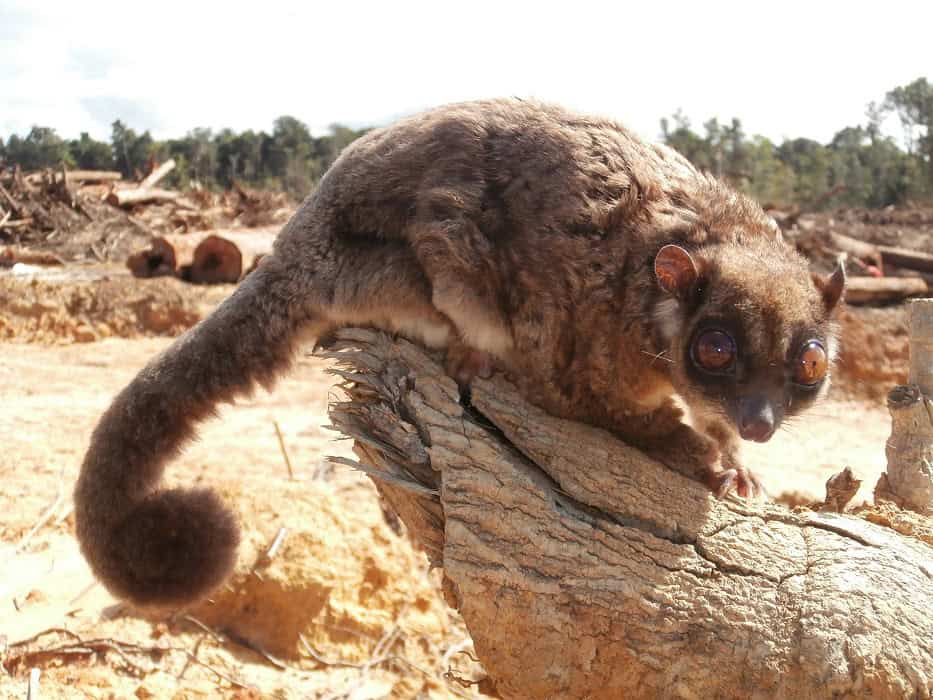
Compared to other gliders like the sugar glider, which has a weak prehensile tail, T. ayamaruensis‘ tail is a strong defining feature that supports its tree-dwelling lifestyle.
©Ken Yatomi, Bishop Museum – Original
Prehensile tails are muscular tails adapted for grasping or holding onto different objects or surfaces. For example, certain primates have prehensile tails to help them navigate high canopies or transfer from branch to branch. Because Tous has both a prehensile tail and a patagium, it is well-suited for both gliding and climbing.
Solving a Multi-Thousand-Year Mystery
The more the scientists examined the images, the more they realized that they might have seen this animal before—just not alive. Instead, the animal resembled fossilized possum remains that had been found in Western Papua. In 1999, a paper in Records of the Western Australia Museum described the fossils as Petauroides ayamaruensis. However, the study authors note that they are not fully convinced the fossils belong to the Petauroides genus, noting, “The [species] is allocated with considerable reservation to the genus Petauroides, which otherwise includes only the Australian Greater Glider, P. volans.”
The consensus was that P. ayamaruensis had gone extinct 6,000 years ago. Now, scientists have realized this was not the case. They began closely analyzing the photographs, with a particular focus on comparing the animal’s teeth with material found in the fossil record, which matched. Additionally, scientists consulted Indigenous communities to learn what they knew about the animal. It turns out that some Indigenous peoples even view the animal as sacred, calling it Tous wan.
By combining this historical and cultural knowledge with the unique physical characteristics, scientists determined that P. ayamaruensis did not belong in the Petauroides genus and was, in fact, its own separate genus: Tous. P. ayamaruensis was then reclassified to Tous ayamaruensis.
What Is Tous ayamaruensis?
Also known as a ring-tailed glider, Tous ayamaruensis is a gliding, tree-dwelling possum. T. ayamaruensis prefers to live in tree hollows. As mentioned earlier, this animal is relatively small, weighing around 11 ounces. T. ayamaruensis is largely herbivorous. Its diet mostly consists of leaves and tree sap. However, researchers note that the animal may also consume fruit or insects. T. ayamaruensis is nocturnal, or active at night, which may help it avoid predators or increase its chances of finding food.
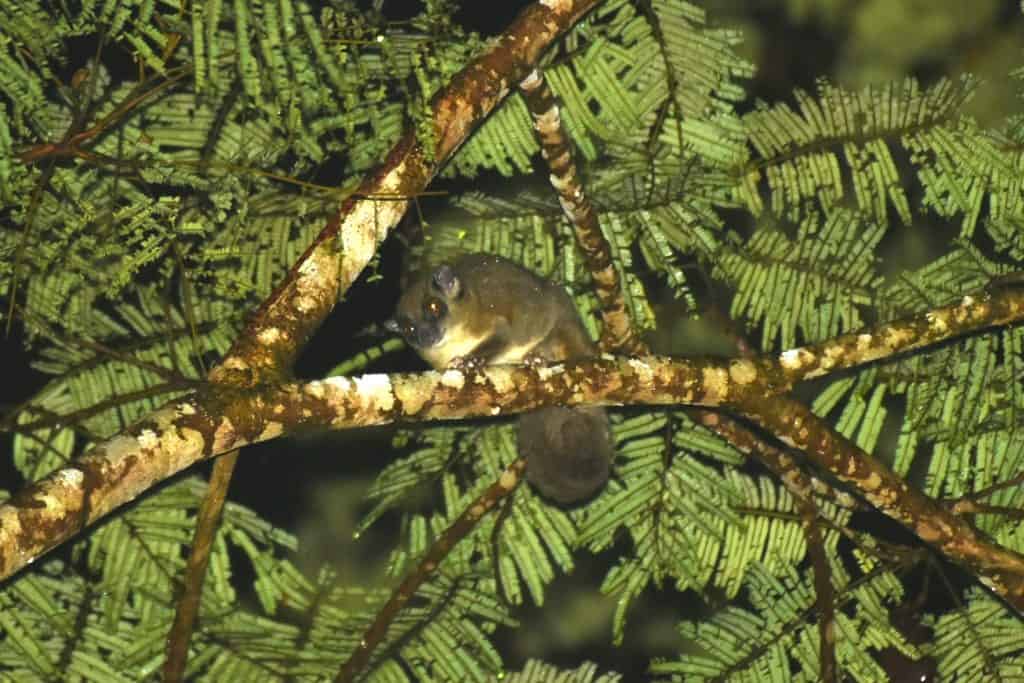
Unlike certain other gliders, scientists do not believe T. ayamaruensis are opportunistic omnivores.
©Dewa FFI, Bishop Museum – Original
Another unique facet of T. ayamaruensis is its monogamy. In the animal kingdom, only around 3-9% of mammal species are monogamous, while the remaining species likely mate with multiple partners. But not T. ayamaruensis. Instead, T. ayamaruensis only has one partner, and they raise one infant each year.
Interestingly, T. ayamaruensis is considered a “Lazarus species.” As mentioned earlier, researchers had thought this genus (and species) went extinct thousands of years ago. Lazarus species are species or, in some cases, genera that were thought to be extinct but are not. The coelacanth and the horned anole are two other examples of Lazarus species.
Unfortunately, there’s a risk of losing T. ayamaruensis again. These animals are highly threatened by hunting, the illegal animal trade, logging, and habitat destruction caused by palm oil collection. Now that we know this animal exists, conservation efforts will be crucial to ensure T. ayamaruensis and other animals in New Guinea are protected.