
Quick Take
- There are five must-haves to look for in a good dog food, but sometimes, they can feel financially out of reach.
- “All stages” dog food typically doesn’t meet the nutritional requirements of puppies.
- Above all, prioritize fresh and whole ingredients.
As a dog owner, you obviously want what’s best for your furry friend. This means investing in a high-quality, balanced diet for your pup. Of course, you’ll also have to consider a sustainable, budget-friendly diet plan that meets your specific dog’s needs.
Many dog food formulas on the market promise a higher nutritional value than they actually deliver, while others are downright unaffordable. When deciding what to purchase for your dog, you must consider the various factors that contribute to a balanced diet, some of which are more important than others.
In this article, we speak with Gary Richter, award-winning veterinarian and founder of Ultimate Pet Nutrition, about some quick checks you can make before selecting a dog food. Here are five must-haves in every dog food that will benefit every life stage.
1. Balance
As with most things, balance is key when it comes to your pup’s diet. You don’t want to rely too heavily on protein while neglecting carbs or vitamins, and vice versa.
“It is very important that the food a dog is eating is properly balanced,” says Richter. “This can easily be done by buying food that is ‘complete and balanced’ or by making food at home using a recipe balanced by a veterinary nutritionist.”
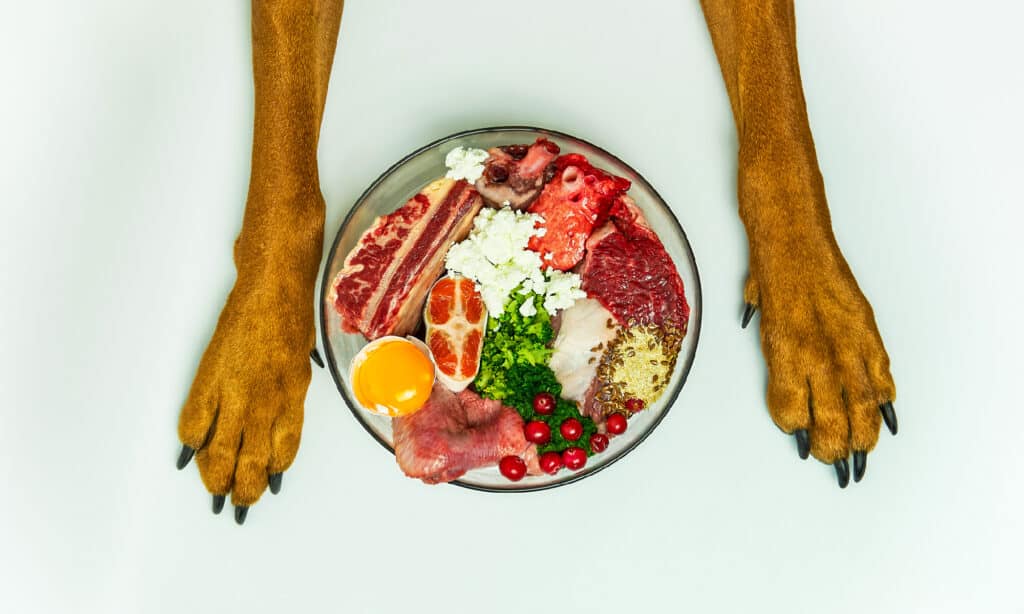
The best dog food is one that’s fresh, balanced, and nutritional.
©iStock.com/Zontica
Of course, you’ll also want to do research when cooking at home. If you’re preparing food yourself, be sure that each meal meets all of your dog’s nutritional needs.
“Many recipes online are not appropriately balanced, so people making homemade food need to do their due diligence,” Richter says.
2. Formulated Food
When you’re purchasing food for your pup, factor in their breed, size, and life stage, as their nutritional needs vary.
“Puppies, especially large breed puppies, have different nutritional needs than adult dogs,” Richter points out. “Feeding adult dog food (or unbalanced diets) to puppies can lead to severe orthopedic issues such as hip and elbow dysplasia.”
Many dog owners assume they can get away with purchasing “all stages” foods, but according to Richter, this isn’t always a safe bet.
“‘All stages’ foods really don’t account for the nutritional needs of puppies,” he explains. “I would strongly recommend feeding puppies food formulated for them, and this is especially true for large breed puppies—feed a food formulated for large breed puppies.”
Feeding adult dog food (or unbalanced diets) to puppies can lead to severe orthopedic issues such as hip and elbow dysplasia.
Gary Richter, award-winning veterinarian and founder of Ultimate Pet Nutrition
3. Whole Ingredients
Of course, the most important balanced-bowl checklist item is whole ingredients.
“Ideally, dog foods should be made with fresh, whole food ingredients rather than highly processed foods,” says Richter. “Fresh, whole food diets can look like store-bought cooked, raw, or freeze-dried diets.”
This means saying no to a lot of the popular dog foods on the market—including kibble and canned wet food.
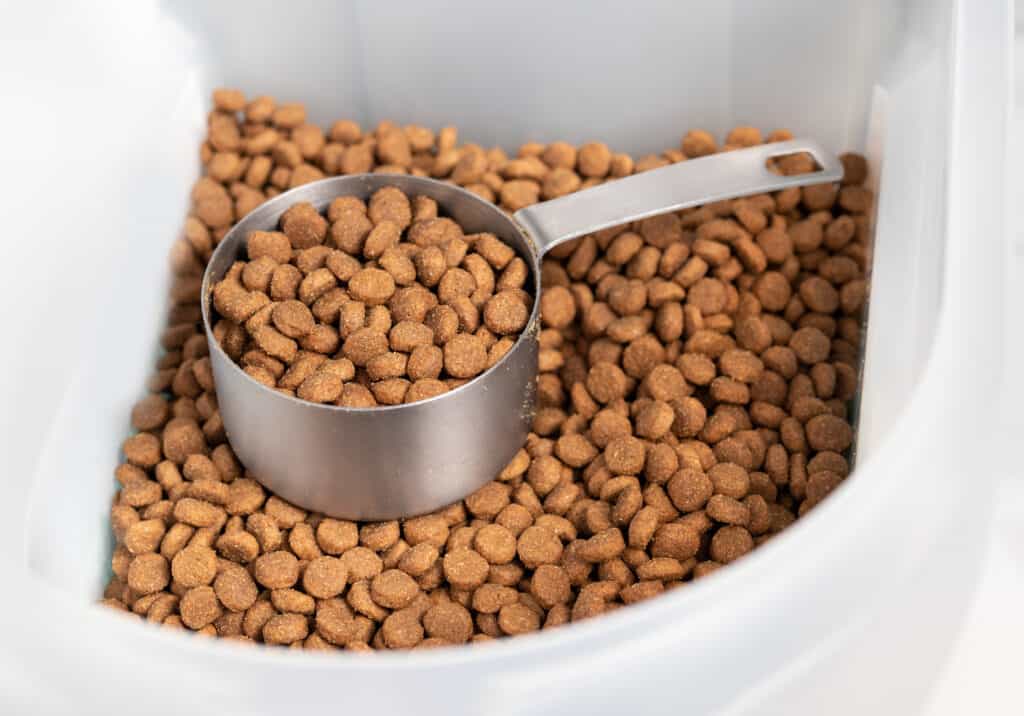
Unfortunately, dog kibble is not the healthiest option on the market.
©sophiecat/Shutterstock.com
“Kibble and canned foods are, by definition, highly processed,” Richter says.
“We all know that the more fresh food, and the less processed food we eat, the better, and the same is true for dogs,” he continues. “Feeding highly processed foods can contribute to weight gain, inflammation, and chronic disease.”
4. Low Carb Content
While carbs are important in small doses, you want to ensure there’s a healthy fat-carb ratio.
“While dogs can tolerate carbohydrates in their diet, kibble diets tend to have much higher carb content than is ideal for a dog’s health,” says Richter. “Feeding excessive carbohydrates can lead to weight gain.”
To summarize, that’s two strikes against kibble.
5. Fresh Ingredients
Many healthy dog food brands are too expensive for the average dog owner. That’s why Richter emphasizes the importance of incorporating fresh food whenever possible.
“If feeding all fresh, whole foods is not possible due to finances or other reasons, remember that the more fresh food the dog eats, the better,” he says. “Feed some high-quality kibble (if necessary) and the rest fresh food.”
In other words, don’t stress about making every single meal healthy and nutritious. As with human diets, there’s room for improvement and balance. Instead, focus on supplementing your dog’s diet with fresh foods to help meet their nutritional needs.
“At the end of the day, we all have to find a plan that is sustainable in our lives, find the plan that you can maintain long term, and provide your dog with the highest quality foods possible under real-world circumstances,” Richter continues. “For pet parents who want a simple upgrade without overhauling everything, adding a daily supplement can help support overall health.”