
Quick Take
- The top three toxic foods for dogs are chocolate, onions/garlic, and grapes.
- Other foods such as macadamia nuts, avocado, alcohol, and xylitol are toxic as well.
- Dog owners should not take a “wait-and-see” approach if dogs have consumed toxic food.
- Dogs can experience vomiting, diarrhea, seizures, and death after consuming toxic food.
Human-grade dog food has become a go-to for many dog owners. In a desire to give their dogs nutritional meals, owners have sidelined kibble and treats in favor of prepared human food. Unfortunately, dog owners can inadvertently include inappropriate ingredients in their dog’s food or give improper treats. These three toxic foods are often overlooked and routinely send dogs to the vet. When these foods are consumed, dogs can become sick and, without care, gravely ill.
Top Three Toxic Foods Sending Dogs to the Vet
Dog owners want to give their four-legged friends the best life possible. This begins with nutrition. Natural foods are a good place to start, as they are chock-full of vitamins and minerals. But according to Dr. Sara Ochoa, a California-based veterinarian with more than a decade of experience, not all foods are created equal.
“Based on clinical experience,” Dr. Ochoa explains to A-Z Animals, “chocolate, grapes, and onions/garlic are indeed among the most common foods that bring dogs to the vet due to their toxic nature.”
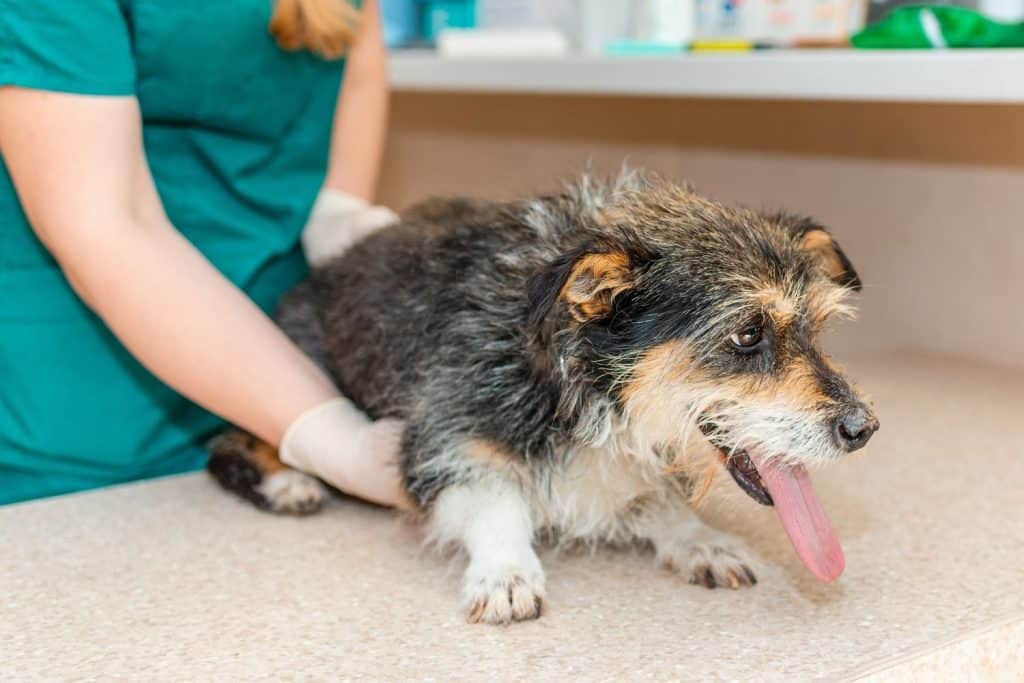
Chocolate, grapes, and onions/garlic are the top foods that send dogs to the vet.
©ARVD73/Shutterstock.com
Because dogs have a different digestive system from humans, they metabolize food and any toxins in food differently. The top three offenders and their toxins include:
- Chocolate: Theobromine and caffeine, which affect the nervous system and heart
- Grapes: Unknown toxic compound leads to kidney failure
- Onion and garlic: Thiosulfates leading to hemolytic anemia
These foods should never be given to dogs. Even in small amounts, they can cause serious damage, some of which can be long-lasting.
Are There Surprising Foods Causing Unwanted Vet Appointments?
For many, the consumption of chocolate, garlic/onions, and grapes resulting in vet visits may not be surprising. However, these are not the only human foods that are toxic to dogs. There are others that can be problematic and should be avoided.
“Other surprising foods like macadamia nuts and certain artificial sweeteners, like xylitol, can also be harmful,” Dr. Ochoa explains to A-Z Animals. “Xylitol is increasingly common because it’s used as a sugar substitute in many “sugar-free” products, like gum and baked goods. It’s highly toxic to dogs, causing rapid insulin release, which can lead to hypoglycemia (low blood sugar) and even liver failure.”
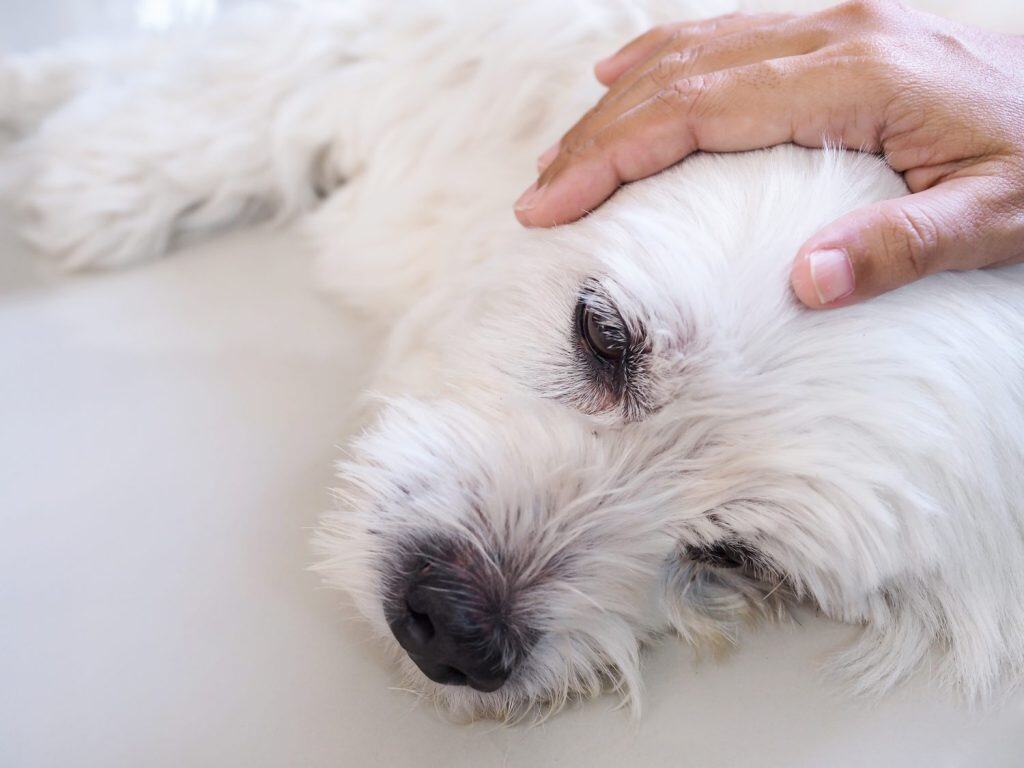
Avocados, alcohol, macadamia nuts, and xylitol are other problematic foods sending dogs to the vet.
©Kittima05/Shutterstock.com
Additionally, Dr. Ochoa says that alcohol and avocados are also toxic to dogs.
Because these ingredients can easily be hidden in foods with preservatives or baked goods, it is important to always read labels before feeding a dog human food. Doing so will keep dogs from inadvertently consuming problematic foods and from dealing with the harmful side effects of doing so.
Signs and Symptoms of Dogs Consuming Toxic Foods
If a dog has consumed a toxic food, signs will appear relatively quickly. Many times, this can take anywhere from minutes to 24 hours after digestion.
Some of the most common signs that a toxic food has been ingested include:
- Vomiting
- Diarrhea
- Lethargy
- Loss of appetite
- Seizures
- Abdominal pain
- Tremors
- Coma
- Death
It is not an exaggeration to say that foods listed as toxic to dogs are indeed toxic. According to Dr. Ochoa, these symptoms warrant “veterinary care immediately” when they present.
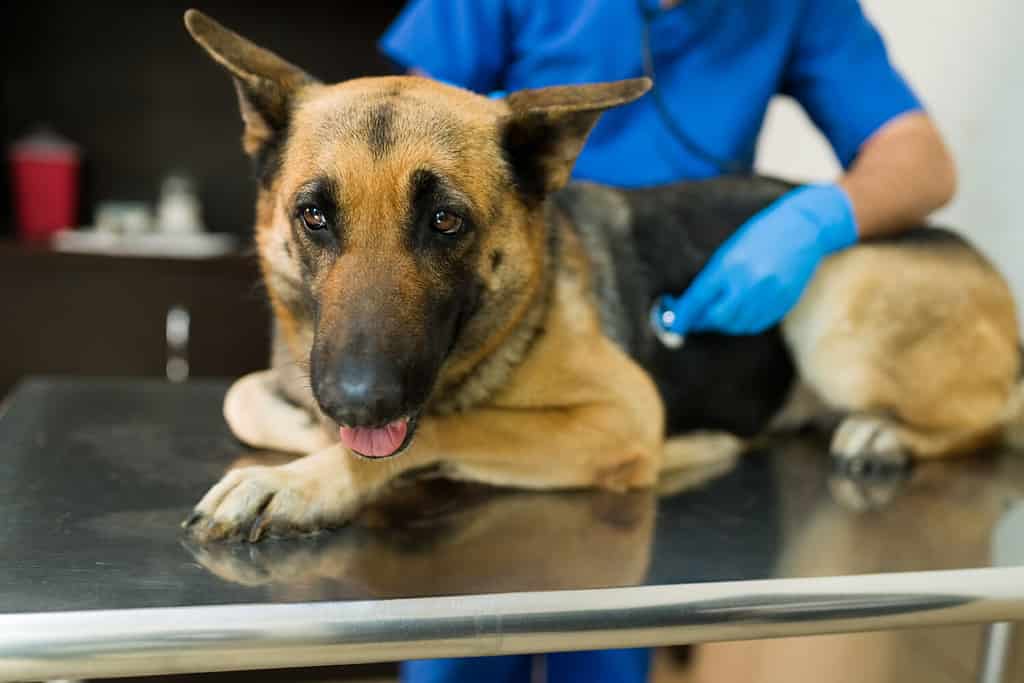
Nausea, diarrhea, vomiting, and more are signs that a dog has consumed a toxic food.
©Beach Creatives/Shutterstock.com
Fortunately, in many instances, recovery is possible if care is sought at the first signs of illness. Dr. Ochoa says that if a small amount of toxic food is ingested, dogs may begin to feel better within a few days.
“For recovery, if a dog has ingested a small amount and is showing mild symptoms, they might start to feel better within a day or two with supportive care,” Dr. Ochoa states. “However, always consult with a vet to ensure the best care for your pet.”
Human Foods Safe for Dogs
While chocolate, grapes, onions, macadamia nuts, and anything with xylitol in it is off limits for dogs, does that mean dogs should never have human food? The answer is no. A variety of human foods are dog friendly; these foods are not only healthy but can also be better alternatives to dog treats.
“Feeding dogs natural human foods in moderation can be safe, but it’s important to know which foods are safe and which aren’t,” Dr. Ochoa tells A-Z Animals. “Many fruits and vegetables, like carrots and apples, are generally safe and can be beneficial.”
Many fruits and vegetables are safe for dogs to eat.
©kathrineva20/Shutterstock.com
Some examples of human foods dogs can enjoy include:
- Apples
- Bananas
- Blueberries
- Watermelon
- Strawberries
- Cantaloupe
- Carrots
- Green peas
- Pumpkin
- Celery
- Cooked chicken
- Cooked turkey
- Cooked eggs
- Cooked lean beef
- Plain rice
- Plain oatmeal
Peanut butter is also a pup favorite. However, some brands include xylitol in their recipe. To ensure dogs are not inadvertently consuming the sweetener, read labels first!
While dogs can enjoy some human foods, it is always important to remember to give them only in moderation. Additionally, incorporate new foods slowly into their diet to prevent upset stomach, which can happen with an abrupt change in food.
Smaller Dogs Versus Larger Dogs Consuming Toxic Foods
If your dog accidentally gets into toxic foods, size matters in terms of amount consumed.
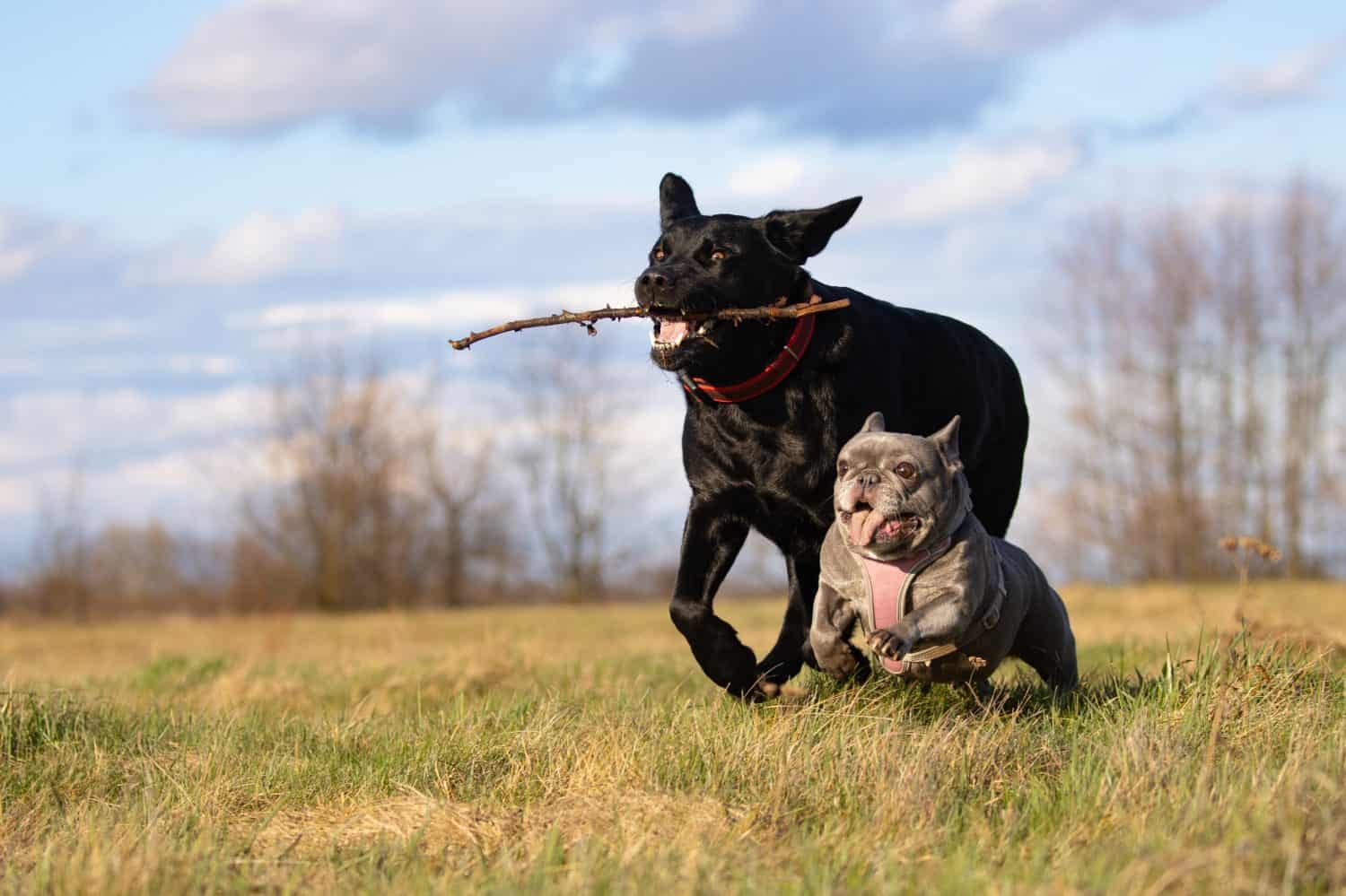
Larger dogs may be better at tolerating small amounts of toxic food compared to smaller dogs.
©RobertArt/Shutterstock.com
“The size of a dog can influence how they react to toxic foods,” Dr. Ochoa states. “Larger dogs may be able to tolerate a small amount of a toxic substance better than smaller dogs, simply because of their body mass. However, it’s important to remember that any amount of a toxic food can be harmful, regardless of size.”
This does not mean a “wait-and-see” approach should be taken if a dog is known to have eaten a toxic food. Instead, they should be taken to the vet for immediate care to mitigate any internal damage.
Other surprising foods like macadamia nuts and certain artificial sweeteners, like xylitol, can also be harmful.
Dr. Sara Ochoa, a California-based veterinarian
Do Dogs Need Some Human Food to Be Resistant to Stomach Issues?
One school of thought states that dogs need human food to support their resistance to stomach issues. However, according to Dr. Ochoa, this idea should be reconsidered.
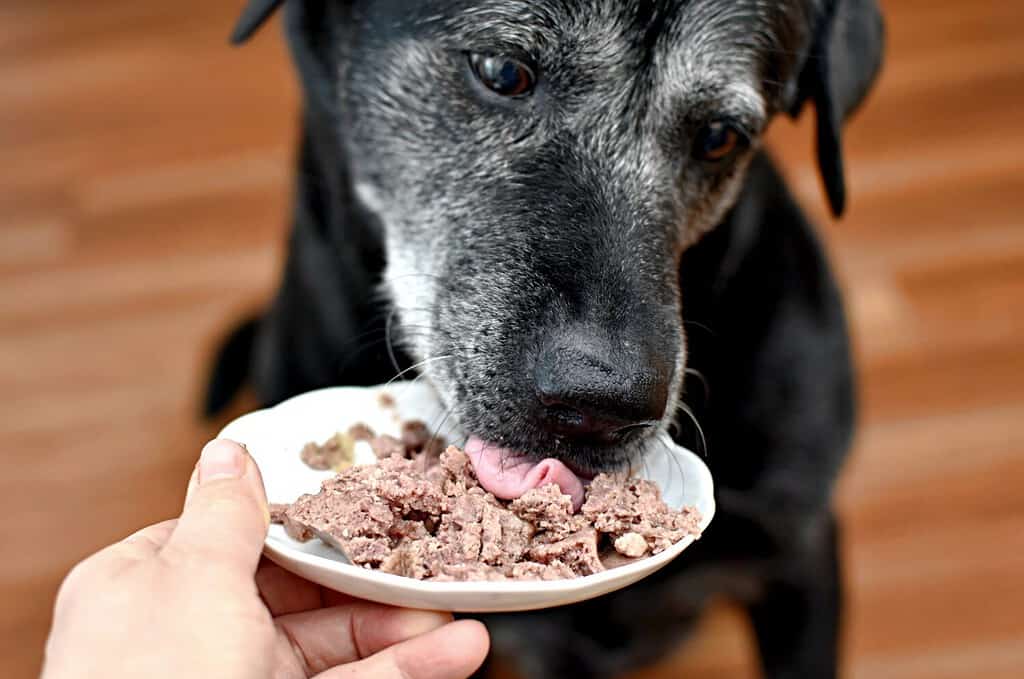
Dogs do not need human food to have a healthy digestive system.
©Pommer Irina/Shutterstock.com
“The idea that feeding dogs human food can make them more resilient to dietary indiscretions isn’t entirely accurate,” Dr. Ochoa explains. “Dogs have different digestive systems, and sudden changes in diet can lead to stomach issues. It’s best to stick to a balanced dog diet and use safe human foods as occasional treats.”
While allowing dogs to have human food here and there is not harmful, it is important to know which foods benefit, and which cause harm. If you have any questions, contact your local veterinarian for guidance on safely incorporating human food into your dog’s diet.