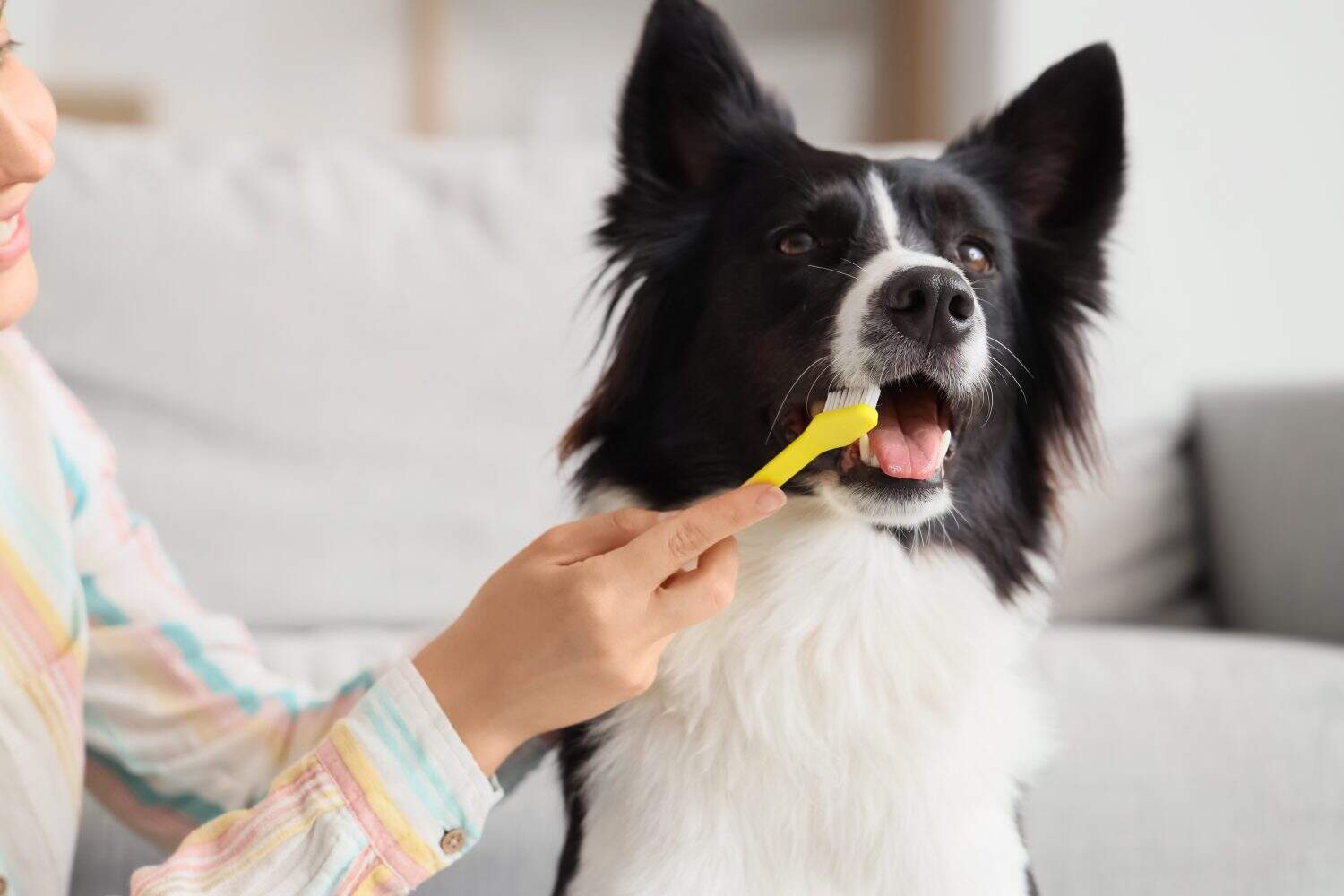

Quick Take
- For both dogs and people, adequate dental care remains a critical indicator of overall health.
- When oral bacteria enter the bloodstream, they directly damage vital organs like the heart, kidneys, and liver.
- Daily brushing reduces chronic inflammation, a primary driver that accelerates the biological aging process in dogs.
- Just a 30-second daily routine can help prevent the permanent “silent tax” of untreated periodontal disease.
The state of your teeth can reveal a lot about your overall health. A mouth full of infected gums and rotting teeth is often indicative of larger, systemic health issues that can lead to an early grave without adequate intervention. And when it comes to oral health, dogs are no different. While many pet owners focus on dramatic health trends like expensive supplements or customized diet plans, veterinarians often point to a much simpler, yet far too often overlooked, pet habit: consistent, high-quality dental care. Perfect keto diets and ergonomic doggy beds may offer some benefits, but adequate dental care remains a critical indicator of overall health.
The mouth of any animal is like a highway system that leads to the rest of its body. Neglected teeth and gums routinely lead to health problems. In fact, the accumulation of plaque and tartar leads to periodontal disease, which is the most common health problem in dogs. An estimated 80% of dogs suffer from this disease by age three. And while these issues often lead to bad doggy breath, they also point to larger issues like chronic inflammation, kidney damage, and even heart disease. Let’s learn more about why good dental care is the one habit vets say can help dogs live longer lives.
Full Body Roadmap
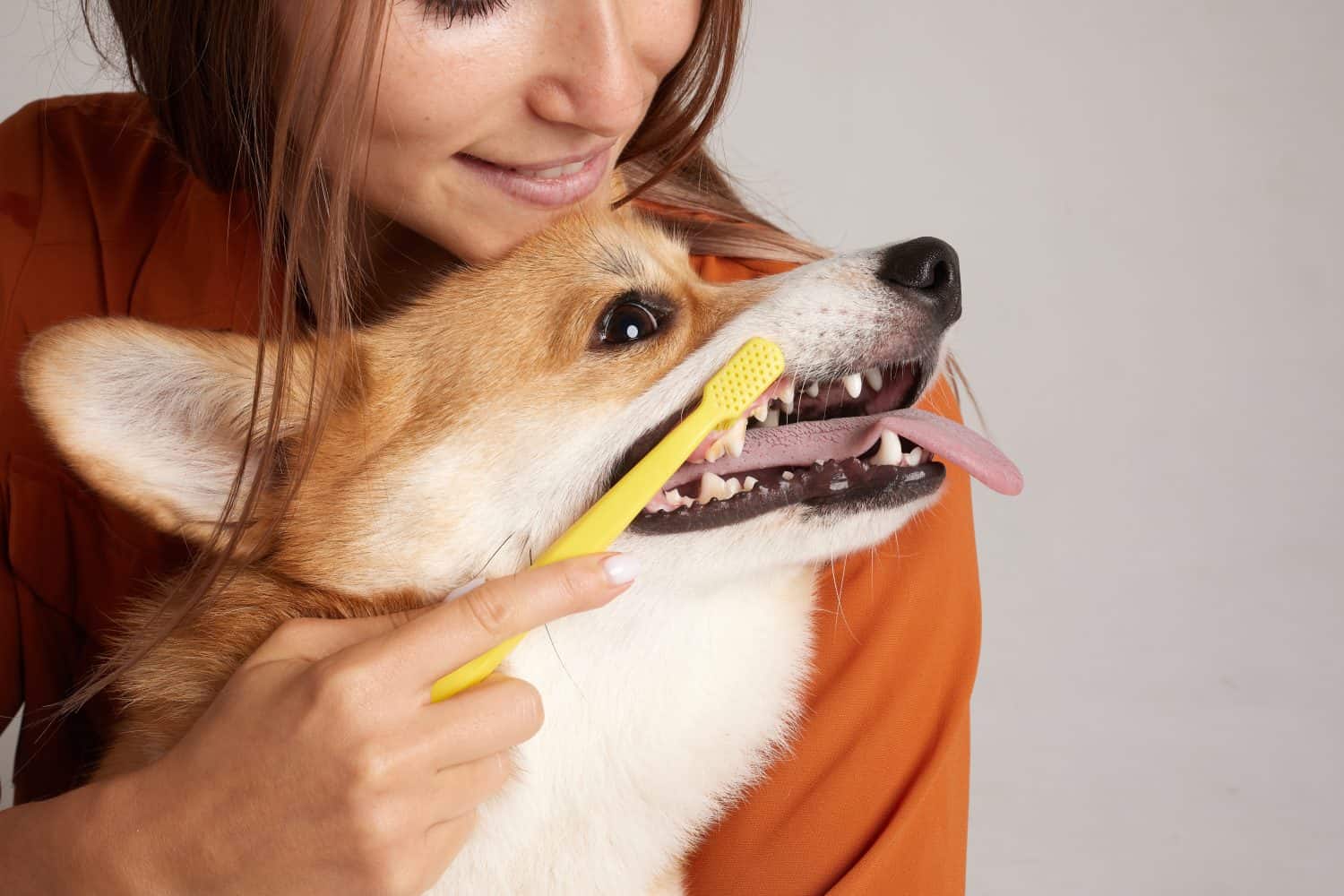
Periodontal disease can spread pathogens to vital areas of the body, like heart valves or kidneys.
©sergey kolesnikov/Shutterstock.com
The highly vascularized environment of a dog’s mouth is like a roadmap to the rest of its body. The mouth is one of the thinnest barriers in a dog’s body between the external world and the bloodstream. When plaque and tartar sit on teeth for too long, they grow considerable amounts of bacteria. If left undisturbed for extended periods, these bacterial colonies cause periodontal disease, which creates microscopic ulcers in gum tissue.
This creates a sort of miniature but potent open wound. If periodontal disease is present, the simple acts of chewing on a toy or crunching on dry food can force bacteria into the bloodstream. These pathogens travel throughout the dog’s body, lodging in delicate but vital areas like heart valves, the kidneys, and the liver. Studies have shown that dogs suffering from advanced periodontal disease are at increased risk for systemic health issues, including changes in organs such as the heart, kidneys, and liver. For these reasons, brushing your dog’s teeth every day is important.
Dogs and Inflammation
Science has gained a better understanding of just how damaging low-grade but persistent inflammation can be to health. Dogs, in particular, are susceptible to the consequences of inflammation more than other creatures. A canine immune system is made to fight off temporary threats, but it is no match for low-grade, long-term infections like periodontal disease. This dental disease keeps a dog’s body in chronic systemic inflammation, a process that accelerates widespread cell and tissue aging. In turn, a dog’s immune system must divert resources away from other important tasks like repairing DNA damage or destroying potential cancer cells.
Organizations concerned with dog wellbeing, like the Morris Animal Foundation, suggest that reducing a dog’s inflammatory load is one of the surefire ways to extend their healthspan (the period of life spent in good health). A dog’s immune system is always busy putting out fires and vanquishing potential threats. Daily dental care helps lower the overall burden on the immune system, promoting healthier living and longer lifespans.
Regularizing Routine
Understanding the importance of daily doggy dental care is simple but actually getting a toothbrush in your dog’s mouth and brushing their teeth every day is a more complicated matter. Regular dog dental care can often amount to a battle of wills; the friction this daily practice causes may seem to overshadow its long-term health benefits. It’s important to remember that, while the first few sessions may be a headache, your dog will get used to daily brushings overtime.
To help you remember this new daily practice, vets recommend integrating your dog’s dental care routine into your own. Place your dog’s toothbrush and toothpaste right next to your own and take care of their teeth the moment you finish yours. This practice is called habit stacking; since brushing your own teeth is likely already a well-ingrained habit, you can more easily add this extra brushing session right into your regular schedule.
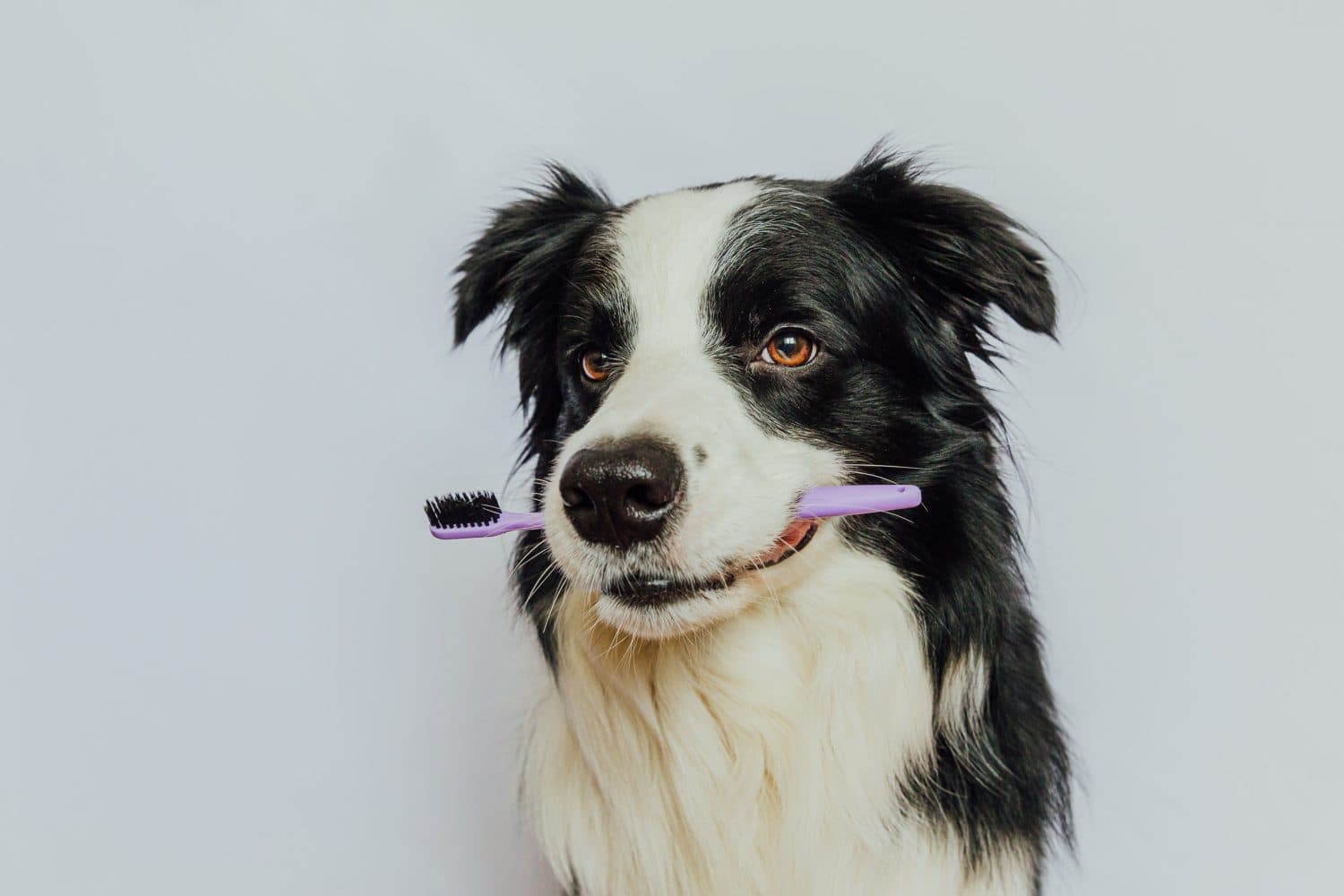
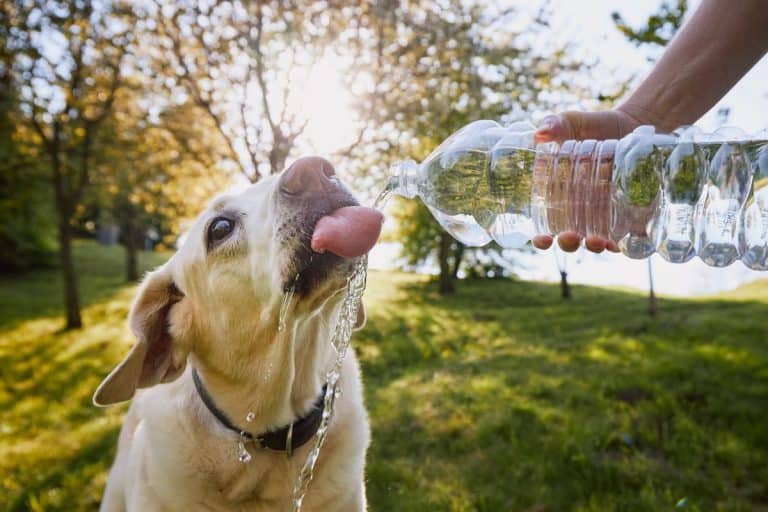
Rewarding your dog after their daily dental care routine is important for positive reinforcement.
©Julia Zavalishina/Shutterstock.com
There are several other tips and tricks for daily dog dental care integration. For one, try to find a meat or poultry-flavored enzymatic toothpaste and give it to them as a treat first. This shifts their perception of its eventual use as a toothpaste; they will then see tooth brushing as more of a reward than a chore. It is also recommended to start with a silicone finger brush, which provides a better tactile feel and more comfort for dogs.
Even if the toothpaste is flavored, always follow a cleaning session with a specific reward to cement positive reinforcement. Though it can seem time consuming to brush your dog’s teeth daily, remember that just 30 to 45 seconds of upper cheek teeth brushing is enough to disrupt biofilm and prevent systemic disease. Additionally, brushing twice a week is better than brushing zero times a week, so focus on consistency over perfection.
Brushing your dog’s teeth may seem like a hassle, but it can easily become a habit after just a few weeks. When you consider that such dental care can significantly extend your pet’s lifespan, the unglamorous activity seems much more doable.