
Quick Take
- Young coqui frogs don't fight infection the way you'd expect, and the reason why could reframe how we think about survival itself. See the immune strategy →
- The time of year a coqui frog hatches can seal its fate before it even encounters a pathogen. Explore seasonal fate →
- Studying animals too small to monitor in the wild forced researchers to build something unexpected, a development that may change how we predict disease in countless other species. Discover the modeling framework →
There are false notions out there regarding the limits of physiological processes. For years, some people have circulated the idea that a human heart contains a fixed number of beats—said to be about 2.5 billion. While this notion has been proven to be untrue, energy conservation can be important when life is on the line. Take juvenile coqui frogs, a species found in Puerto Rico. These juvenile frogs may devote most of their energy to rapid growth, but if a pathogen infects them before they reach maturity, their chances of survival decrease dramatically.
New research findings provide further insights into the subtle but crucial ways frogs allocate energy when choosing between rapid growth and long-term survival. Thanks to computational distribution models created for the study, researchers found that small frogs spend almost all their energy growing as big as possible until faced with a true immune system threat. In fact, they temper their own immune system responses to pathogens like chytrid fungus until the threat of injury becomes too great. At that point, juvenile coquí frogs activate their immune systems aggressively, but only when the risk of death becomes critical. Read on to learn how scientists used computer models built on real-world data from coqui frog behavior to understand energy allocation.
Little Frogs and Deadly Pathogens
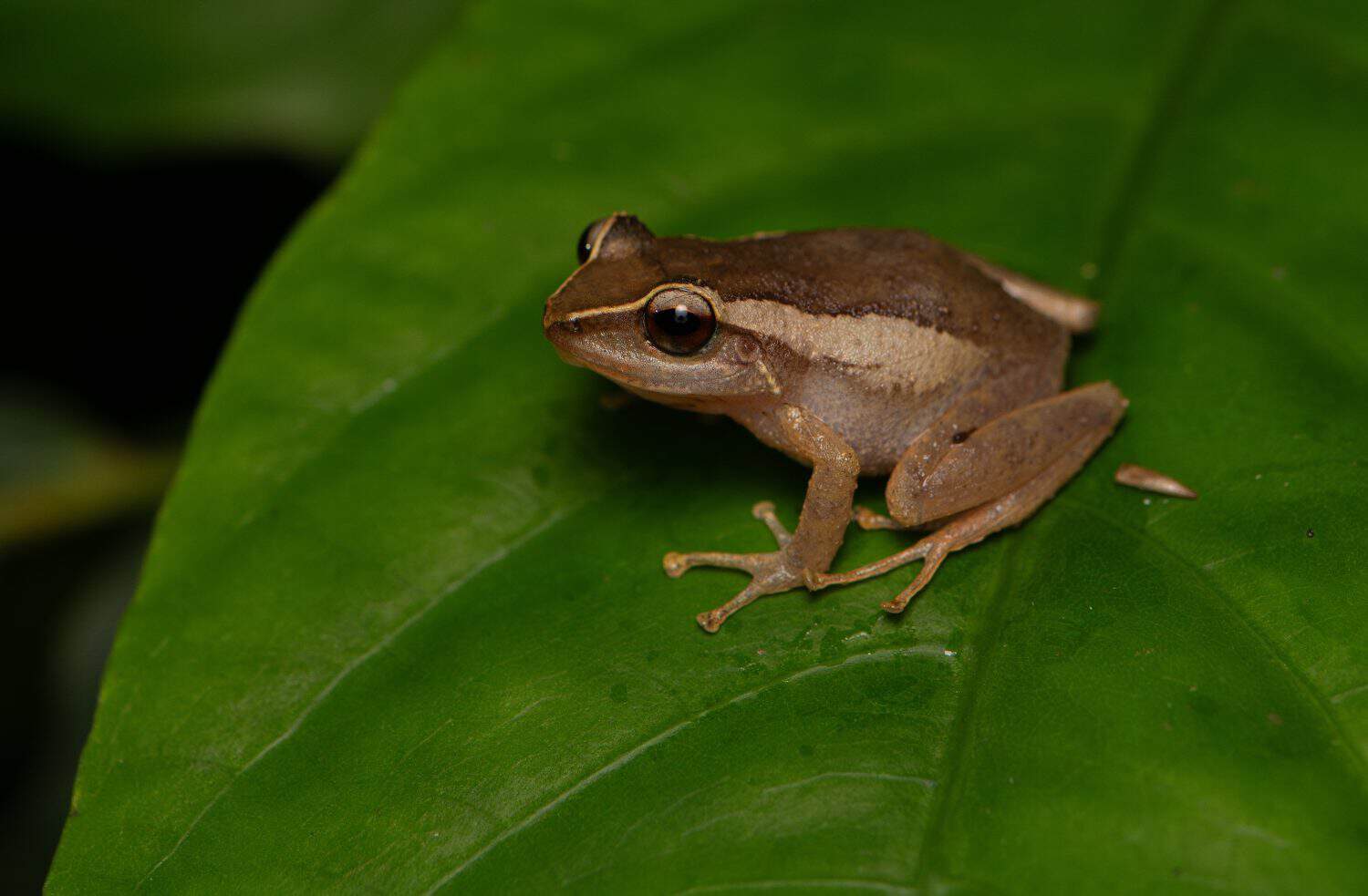
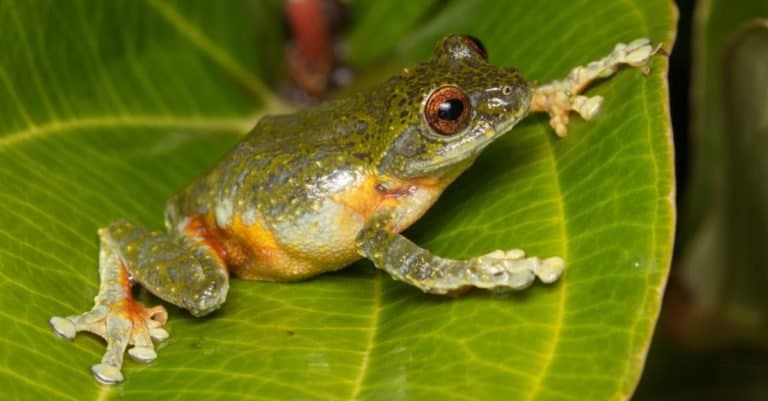
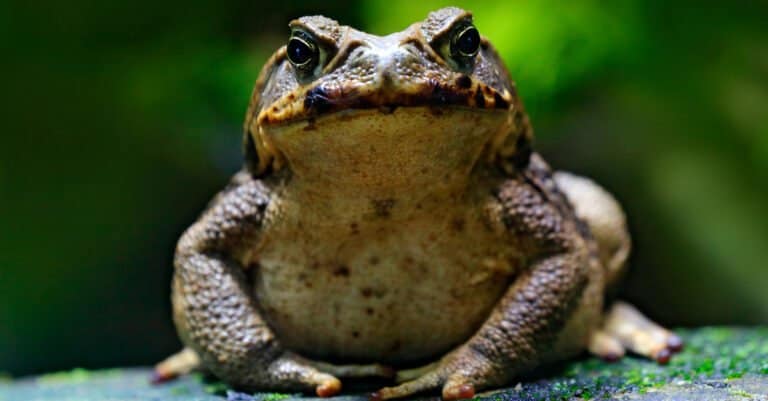
Coquí frogs are named after the two different sounds that males of the species make.
©Julio Salgado/Shutterstock.com
Coquí frogs (Eleutherodactylus coqui) are small frogs native to Puerto Rico. Coquis get their name from the phonetic sounds males of the species make. They emit a ‘co’ sound to threaten competing males and reinforce established territory, and a ‘qui’ sound to attract potential mates. Compared to other frog species, coquís are incredibly small, reaching a mature size no larger than a quarter. They are also nocturnal. While they are at home in their native Puerto Rico, these frogs have become an invasive species in other places like Hawaii due to their cacophonous cries and dense breeding populations.
One unique aspect of coquí frogs is that they bypass the free-swimming tadpole stage found in most frog species. After female coquí frogs lay eggs in tree cavities or under leaves, males guard the eggs until they hatch into fully formed, miniature frogs.
While these frogs are invasive in some places, they are threatened everywhere by a deadly pathogen known as the chytrid fungus. This fungus, scientifically named Batrachochytrium dendrobatidis, hardens frog skin, disrupts electrolyte balance, and in some cases, can cause cardiac arrest, making it a serious threat to frogs. In the past decade or so, it has become the biggest threat to frogs across the world. The combination of this pathogenic threat and the unique life cycle of coquís made them an ideal subject for research. Enter scientists from the University of Florida, the University of Puerto Rico, and other institutions.
Energy Allocation
This new study, published in the latest issue of the Journal of Animal Ecology, highlights the way that juvenile coquí frogs allocate precious energy resources. The models built by the researchers produced consistent results. Small frogs invested nearly all their energy in rapid growth during their early life stage, postponing immune responses to pathogens like the chytrid fungus. However, once infection levels became dangerous, the frogs shifted their internal resources to fight off the pathogen.
However, directly studying these internal shifts was impractical due to the frogs’ tiny size. As the study’s lead author, Zuania Colón-Piñeiro, Ph.D., explained, these frogs are unique. In a statement to Eureka Alert, Colón-Piñeiro said, “These frogs are direct developers, so they don’t have a tadpole stage. They hatch as tiny versions of the adult. They’re incredibly small, about the size of your pinky nail.”
Since studying these juveniles is nearly impossible in the wild, the team built computer models with real-life data to find out just how coquís prioritized their needs. They discovered that these frogs do not mount strong immune responses to pathogens unless the infections become life-threatening. They also found that coquís born during warmer, wetter periods are more likely to survive to adulthood than those born during cooler, drier times. As Colón-Piñeiro explained, “During the cool season, energy is so limited that even the best strategy doesn’t lead to strong survival outcomes.”
Field Focus
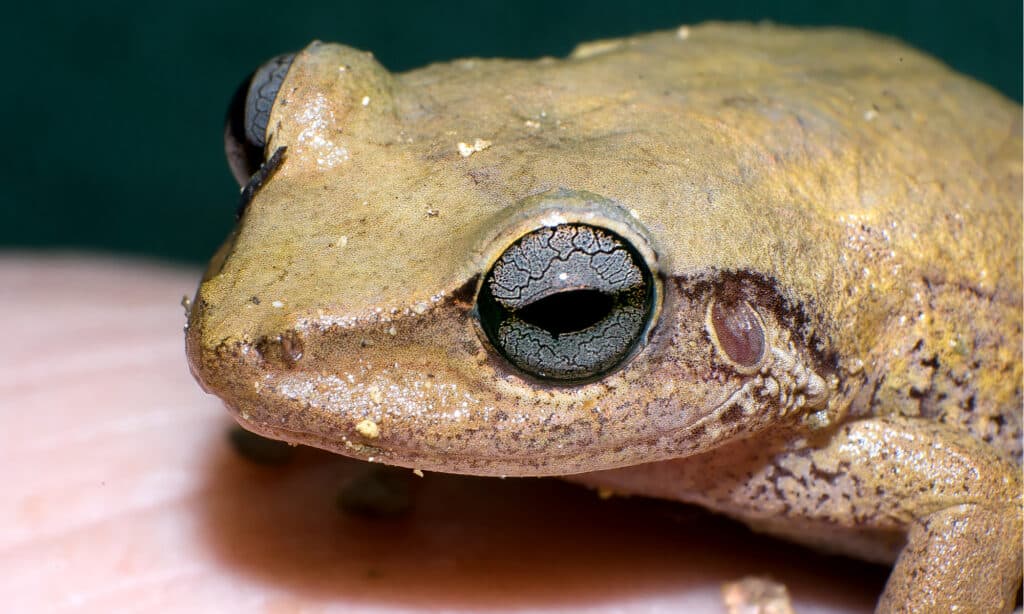
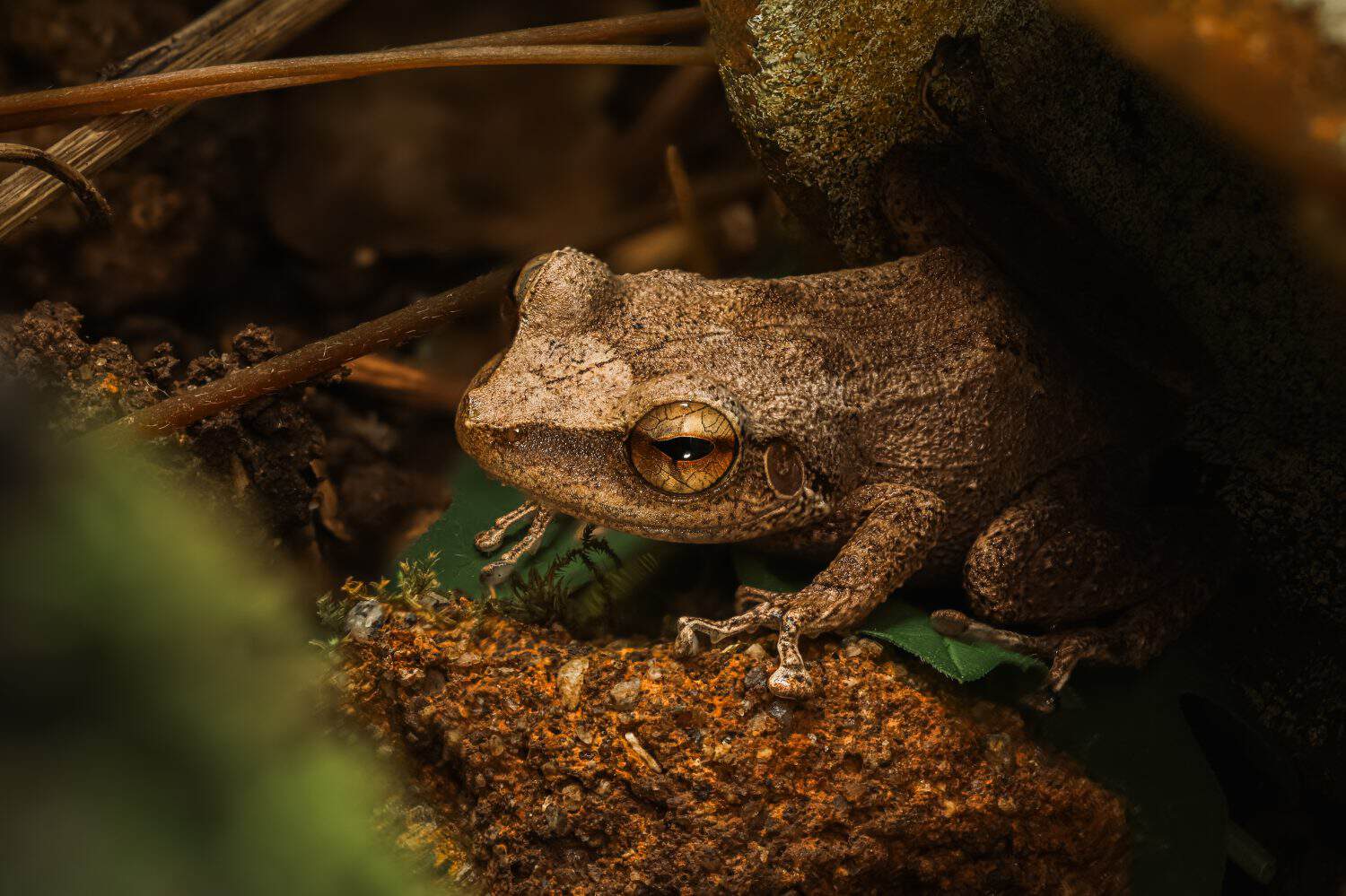
The researchers believe their models could help predict disease responses in other animals.
©Jeremy A. Casado/Shutterstock.com
The researchers believe their framework could help scientists predict how various animals respond to disease under different conditions and also anticipate disease responses in species bred in captivity and released into the wild. While the models point in a certain direction, even the study’s authors are quick to point out that models are no substitute for field research.
As the study’s lead author, Zuania Colón-Piñeiro, Ph.D., explained, models are only simulations. She said, “Models are powerful, but they’re not a substitute for field data. We need both to understand these systems and make good decisions.”