
Quick Take
- The one layer some builders skip is quietly killing their plants from the bottom up. See why it matters →
- Your clean-up crew needs moisture to survive, yet too much water can wipe them out. Protect isopods and springtails →
- LECA and calcined clay both work as drainage layers. Which should you choose? Compare LECA vs. calcined clay →
- Keeping soil damp and preventing root rot sound like opposite goals, but there is a structural trick that achieves both at once. See the structural trick →
Bioactive terrariums offer beautiful displays in the form of entire miniature, self-sustaining ecosystems. Such enclosures have gained popularity thanks to their low maintenance upkeep and the appeal of recreating the natural world in a tiny setting. Bioactive setups typically include plants and a clean-up crew (such as isopods and springtails).
When properly set up, bioactive terrariums don’t require much work to thrive. However, a common mistake many people make is overwatering. You can escape the dilemma of soggy soil by adding a drainage layer. A LECA layer (lightweight expanded clay aggregate) ensures your ecosystem has just the right amount of water without rotting plant roots or drowning beneficial bugs.
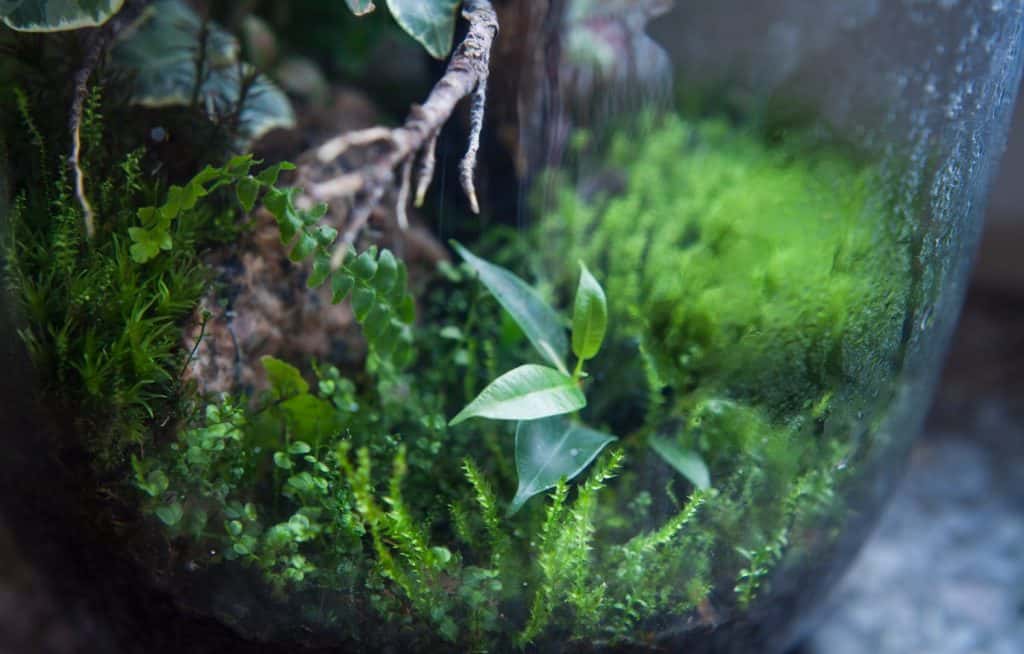
Self-sustaining terrariums have become a popular way of enjoying a natural living ecosystem in a small space.
©JoannaTkaczuk/Shutterstock.com
What is a False Bottom?
A false bottom is a layer of substrate at the bottom of the enclosure that separates excess water from the soil. Many bioactive setups use LECA as a drainage layer, although it’s not the only option.
LECA are lightweight, porous clay balls made from heating clay at high temperature. Another choice for a drainage layer is calcined clay. This substrate is made from porous clay particles and is often used in potting mixes to provide soil aeration and water retention.
According to The Bio Dude, both LECA and calcined clay are suitable drainage layers depending on your needs. LECA is more lightweight and better at retaining moisture, while calcined clay provides excellent drainage and aeration.
To prevent the drainage material from mixing with the soil layer, a barrier is essential. Experts recommend using a layer of fine mesh placed above the drainage layer to keep the substrate separate.
How a LECA Layer Prevents Root Rot
Although you may not need a drainage layer in an arid terrarium, it’s important for the health of your plants in a tropical enclosure. A drainage layer, also known as a false bottom, prevents roots from sitting in standing water and reduces the risk of root rot.
When you water the top layer thoroughly, the water will trickle down through the mesh and into the drainage layer. This allows you to keep your soil damp, without drying out, while also preventing roots from sitting in excess water.
Protect Your Clean-Up Crew
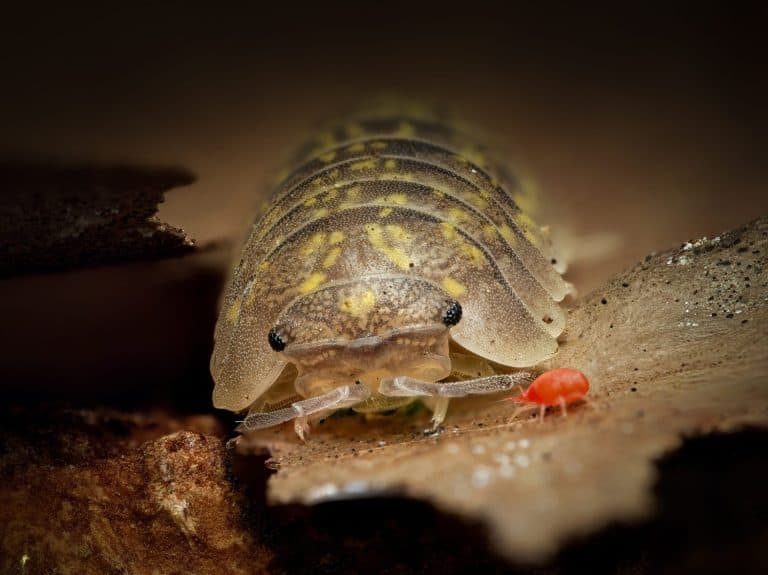
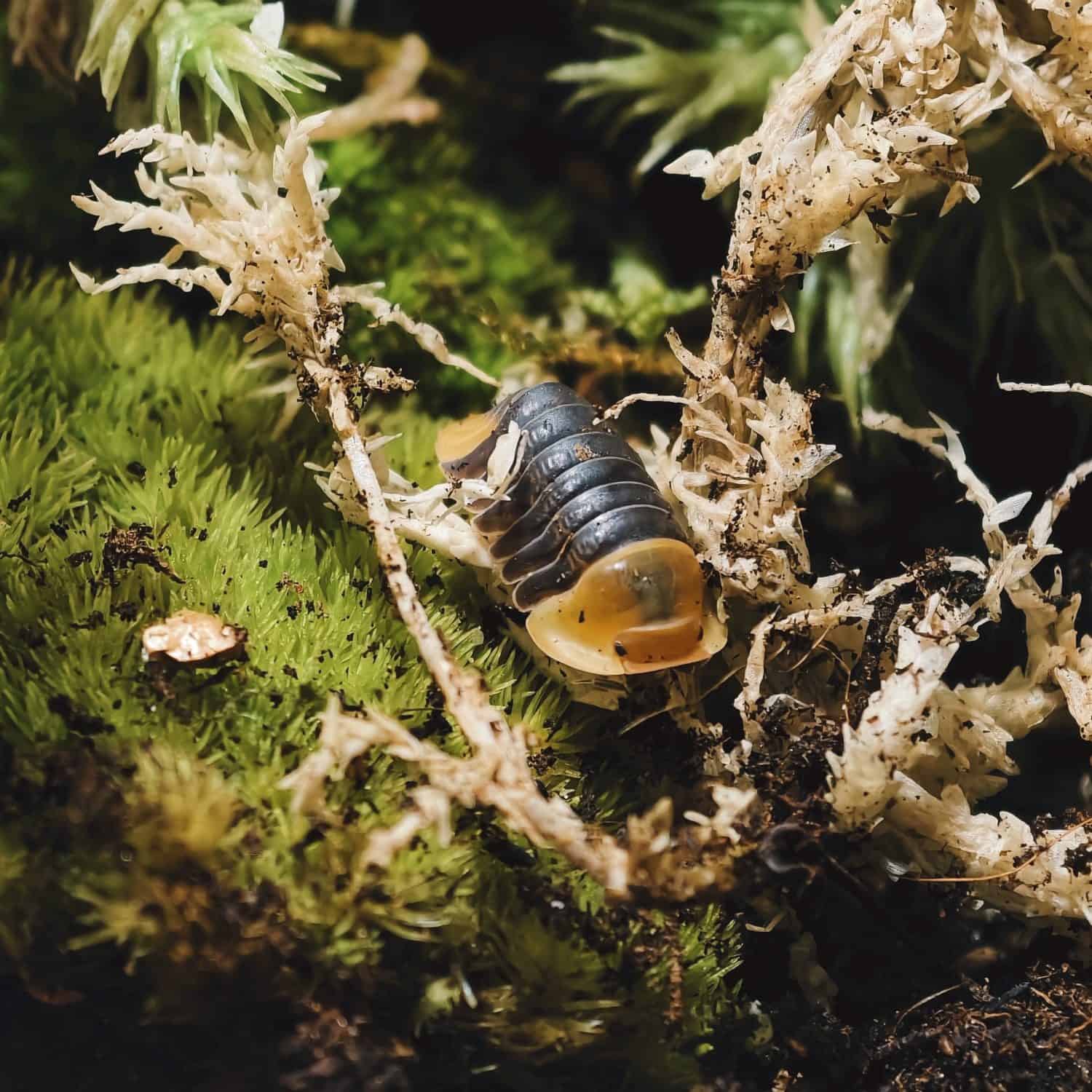
Insects in a bioactive enclosure perform multiple jobs. They eat decaying plant matter, mold, and other organic waste, keeping your terrarium clean without you needing to do the work. They also help out plants by aerating the soil when they burrow. Common critters that thrive in bioactive enclosures include isopods, springtails, beetles, millipedes, and earthworms.
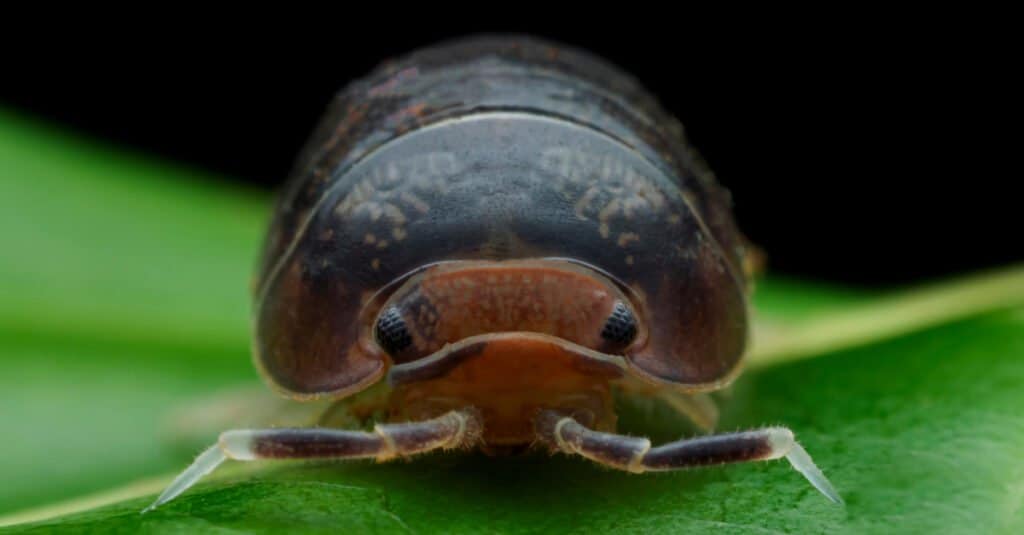
Isopods make a great clean up crew inside a bioactive setup.
©fendercapture/Shutterstock.com
These invertebrates need plenty of humidity. However, placing a puddle of water at the bottom of their enclosure could drown them. Building a drainage layer helps regulate humidity levels and protects your vegetation from too much water, while also keeping them safe.
Creating a Self-Sustaining Ecosystem
With a proper drainage layer, you can watch your plants and beneficial bugs thrive in a beautiful terrarium. A well-built bioactive self-sustaining environment is more than what you see on top. The hidden layer underneath keeps your entire habitat balanced and happy.