


E
Species Profile

Earthworm

Haplotaxida

Nature's living soil mixers
iStock.com/PhotographyFirm

Earthworm Distribution

Click a location to explore more animals from that region

Invasive Species
Loading map...
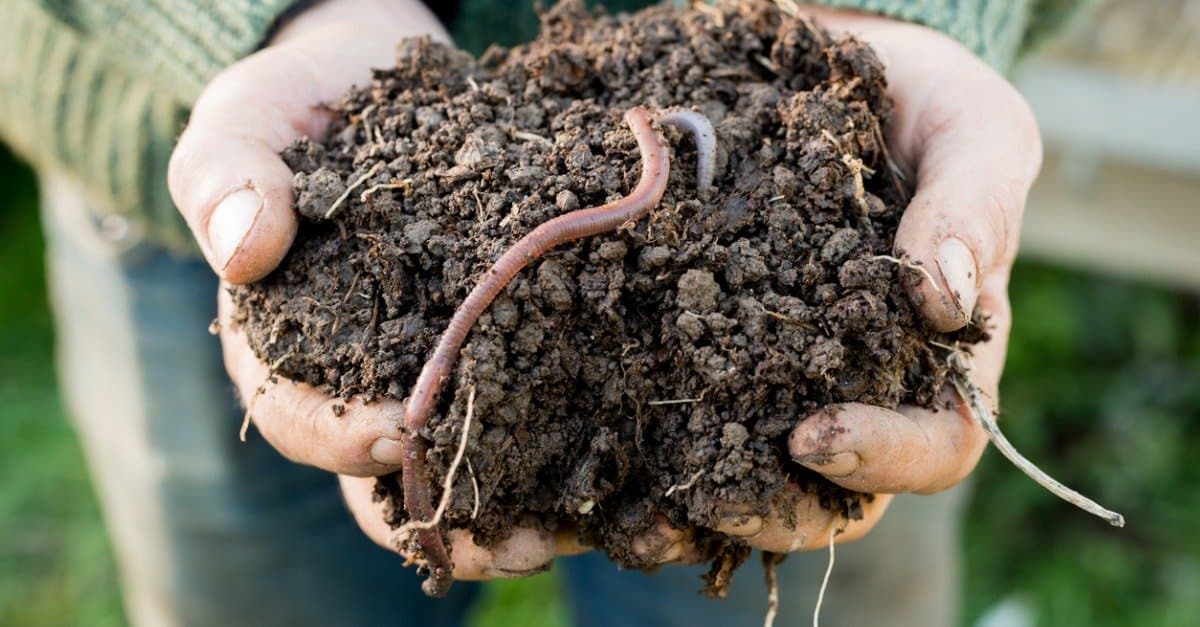
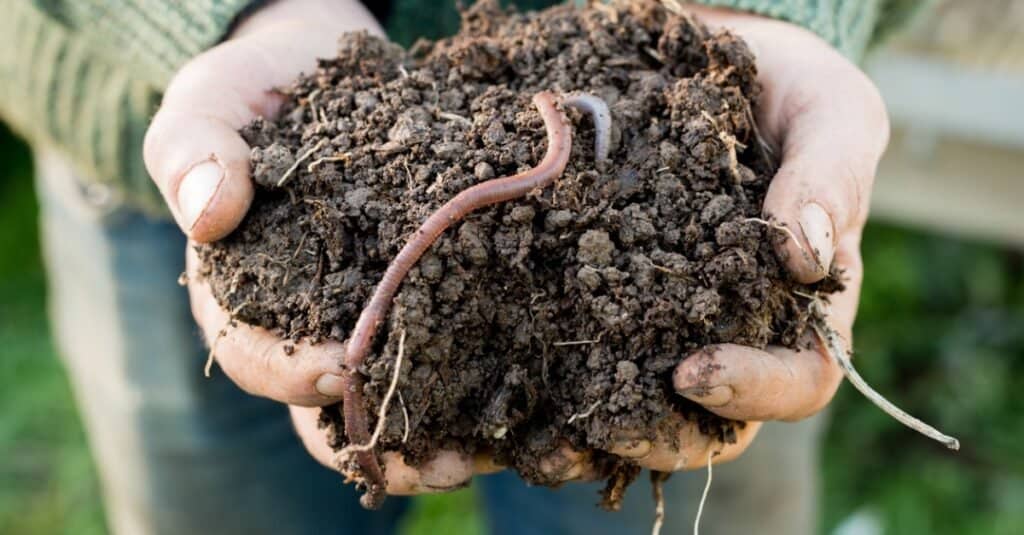
earthworm in dirt in someones hands

At a Glance

Order Overview This page covers the Earthworm order as a group. Stats below are general traits shared across the order.
Also Known As Nightcrawler, Angleworm, Dew worm, Rainworm, Garden worm, Lobworm, Baitworm
Activity Nocturnal+
Lifespan 2 years
Weight 0.5 lbs
Status Not Evaluated
Did You Know?

They're "ecosystem engineers": their burrowing and casting can reshape soil structure, drainage, and nutrient availability.

Scientific Classification

Order Overview "Earthworm" is not a single species but represents an entire order containing multiple species.

Earthworms are soil-dwelling segmented worms (annelids) characterized by a clitellum (reproductive band) and a burrowing, detritus-feeding lifestyle. They are major ecosystem engineers, mixing and aerating soils and accelerating decomposition and nutrient cycling.

Kingdom
Animalia
Phylum
Annelida
Class
Clitellata
Order
Haplotaxida

Distinguishing Features

  • Elongate, cylindrical, segmented body with setae (tiny bristles) for traction
  • Clitellum present in mature individuals (reproduction via cocoons)
  • No limbs; movement by peristaltic contraction and anchoring setae
  • Typically detritivorous, ingesting soil and organic matter; produces casts

Did You Know?

They're "ecosystem engineers": their burrowing and casting can reshape soil structure, drainage, and nutrient availability.

Across the order, adults range from tiny worms ~1 cm long to giants approaching ~3 m in a few species.

Many species make surface "casts" (worm poop) that are nutrient-rich and help build stable soil aggregates.

They breathe through moist skin-so humidity and soil moisture can be as important as food.

Earthworms are simultaneous hermaphrodites and reproduce via a clitellum that forms protective cocoons for eggs.

Different ecological types specialize in different soil layers: litter-dwellers, soil-mixers, and deep-burrowers.

Some earthworms introduced outside their native ranges can drastically change forest floors by consuming leaf litter faster than it can accumulate.

Unique Adaptations

  • Clitellum-based reproduction: the clitellum secretes mucus for mating and produces a cocoon that protects eggs and developing juveniles-key to life in variable soils.
  • Segmented body with setae (bristles): tiny setae anchor the body for leverage during peristaltic crawling and burrowing; arrangement and prominence vary across families.
  • Hydrostatic skeleton: fluid-filled segments plus circular/longitudinal muscles generate powerful, flexible burrowing without rigid bones.
  • Skin respiration with mucus: gas exchange occurs through moist skin; mucus reduces abrasion and helps maintain moisture in burrows.
  • Digestive processing of detritus: many species ingest soil and decaying organic matter, grinding it in a muscular gizzard; the result (casts) can enhance aggregation and microbial activity.
  • Regeneration capacity (limited and variable): some species can regrow certain lost segments, but the extent differs greatly and is not universal across the order.

Interesting Behaviors

  • Burrow "partitioning" by ecology: many species fall into broad lifestyles-epigeic (litter surface), endogeic (topsoil), and anecic (deep vertical burrows with surface foraging). Real species often blend these traits, so there's overlap and variation.
  • Night surface foraging: numerous species emerge after dark or during wet conditions to pull leaves into burrows-behavior varies with predation pressure, soil moisture, and temperature.
  • Soil bioturbation: as they tunnel, they move mineral soil upward and organic matter downward, redistributing microbes and nutrients; intensity differs widely among habitats and species densities.
  • Casting patterns: some deposit casts at the soil surface, others within burrow walls-changing how nutrients are retained and how quickly organic matter decomposes.
  • Seasonal dormancy: in cold or drought-prone regions, many species retreat deeper, slow metabolism, and may form resting chambers; timing and depth vary by climate and soil type.
  • Chemical communication during mating: individuals align head-to-tail and exchange sperm; mating frequency and partner choice vary by species, density, and environment.

Cultural Significance

Earthworms (Haplotaxida) help recycle waste in vermicomposting, are used as bait, and signal fertile soil. Darwin's 1881 work showed their big role in shaping soil. Non-native worms can change leaf litter, understory plants, and nutrient cycles in northern forests.

Myths & Legends

In ancient Greek natural philosophy, Aristotle famously referred to earthworms as "the intestines of the earth," a saying that echoes in later European writings about worms as essential to soil fertility.

In Chinese tradition, earthworms are associated with the term "earth dragon" in classical materia medica and folk terminology, linking them symbolically to subterranean, life-giving forces of the soil.

European folk belief in "rain-worms" held that earthworms arrived with heavy rains (as if dropped from the sky), a widespread rural explanation for their sudden appearance on paths and roads after storms.

Rural agricultural lore in many regions treats abundant earthworms in fields as a sign of "living," productive soil-an omen of good harvests repeated in farming sayings and seasonal proverbs.

Conservation Status

NE Not Evaluated (order-level). IUCN assessments are generally made at the species level, and Haplotaxida contains thousands of species with very uneven data coverage. Conservation landscape across the order: many species are Not Evaluated (NE) or Data Deficient (DD); assessed species span from Least Concern (LC) to threatened categories (VU/EN/CR), especially range-restricted endemics (notably on islands and in fragmented native forests/grasslands) and some large-bodied, slow-reproducing specialists (e.g., the Giant Gippsland earthworm Megascolides australis is IUCN-listed as threatened-commonly cited as VU). Ranges/generalizations across the order (explicitly variable among families/ecological guilds): Measurements-adult length from ~1-2 cm in small epigeic species to ~1-3 m in giant megascolecids; diameter from ~1 mm to >2 cm in the largest taxa. Lifespan-often ~1-2 years in many small/fast-cycling species, with multi-year lifespans (~3-8+ years, sometimes longer under stable conditions) reported for larger, slower-growing species. Behavior/ecology-mostly soil- and litter-dwelling detritivores/microbivores and major 'ecosystem engineers'; common functional groups include epigeic (litter), endogeic (topsoil), and anecic (deep-burrowing) forms; activity and reproduction strongly track soil moisture/temperature; many are sensitive to soil compaction, chemistry, and drying, while some widespread taxa thrive in disturbed/agricultural soils and can become invasive outside their native range.

Has not yet been evaluated against the criteria.

Population Unknown

You might be looking for:

Common earthworm / nightcrawler

55%

Lumbricus terrestris

Large European earthworm widely introduced elsewhere; common in gardens and as fishing bait.

Red wiggler

20%

Eisenia fetida

Composting/vermiculture earthworm; tolerant of rich organic waste and high densities.

Green worm

10%

Allolobophora chlorotica

Small to medium soil earthworm, often greenish; common in European grasslands.

Giant Gippsland earthworm

8%

Megascolides australis

Very large Australian earthworm; notable endemic species and conservation interest.

Alabama jumper (invasive in parts of North America)

7%

Amynthas agrestis

Asian pheretimoid earthworm; can alter soil structure and leaf litter in invaded forests.

Life Cycle

Birth 2 hatchlings
Lifespan 2 years

Lifespan

In the Wild
0.2–8 years
In Captivity
0.5–10 years

Reproduction

Mating System Hermaphroditism
Social Structure Solitary
Breeding Pattern Transient
Fertilization Simultaneous Hermaphrodite
Birth Type Simultaneous_hermaphrodite

Behavior & Ecology

Social Aggregation Group: 1
Activity Nocturnal, Crepuscular, Cathemeral
Diet Detritivore microbe-rich decaying leaf litter and humus (e.g., compost-like organic matter)
Seasonal Hibernates 0 mi

Temperament

Generally non-aggressive and non-social; interactions are mostly avoidant or incidental
Strongly risk-averse: rapid withdrawal into burrows in response to vibration, light, dryness, or disturbance
Tolerance of nearby conspecifics is common in resource-rich patches, but stable cooperative behavior is not typical
Behavior varies widely across the order with ecology (surface-active vs. deep-burrowing taxa) and local conditions (moisture/temperature/soil texture)

Communication

Chemical cues (pheromone-like signals in mucus/skin secretions) used in mate finding, recognition, and coordinating copulation readiness; strength and specificity likely vary widely across families/species
Tactile contact during mating and when encountering conspecifics in confined burrows; contact can trigger withdrawal or continued passage depending on context
Substrate-borne vibration sensing (mechanoreception) for predator/conspecific detection and disturbance avoidance; responses range from freezing to rapid retreat
Environmental cue tracking (humidity, temperature gradients, CO2/O2 levels) that indirectly structures aggregation and dispersal by driving individuals toward shared optimal microhabitats
Limited light sensitivity (photonegative behavior) influencing surfacing timing and reducing exposure; degree varies among more surface-active vs. deeper-soil forms

Habitat

Biomes:
Tropical Rainforest Tropical Dry Forest Savanna Desert Hot Desert Cold Mediterranean Temperate Grassland Temperate Forest Temperate Rainforest Boreal Forest (Taiga) Tundra Alpine Freshwater Wetland +8
Terrain:
Mountainous Hilly Plateau Plains Valley Coastal Island Riverine Karst +3
Elevation: Up to 16404 ft 3 in

Ecological Role

Detritivorous soil (and sometimes sediment) ecosystem engineers; Haplotaxida collectively drive decomposition processes and physically restructure soils through burrowing and casting, with strong variation among surface-, soil-, and deep-burrowing functional groups in how and where they move organic matter.

accelerate decomposition of plant litter and other organic detritus enhance nutrient mineralization and cycling (notably N and P availability) bioturbation: mix organic matter into mineral soil and redistribute nutrients vertically improve soil structure via aggregation and cast formation increase soil porosity and aeration through burrow networks enhance water infiltration and drainage; can alter water-holding capacity stimulate and transport microbial communities (bacteria/fungi) associated with decomposition modify seedbed conditions and influence plant establishment indirectly contribute to soil carbon dynamics (stabilization and redistribution of organic matter) support food webs as prey for birds, mammals, amphibians, reptiles, and invertebrate predators

Diet Details

Other Foods:
Soil organic matter Leaf litter and plant detritus decaying plant material Biofilms Compost and manure Surface litter and duff Organic particles in soil and sediment +1

Human Interaction

Domestication Status

Semi domesticated

Humans have not domesticated Haplotaxida (earthworms) like dogs, but many species have been moved and raised for centuries for soil use, composting and bait. Some commercial stocks are semi-domesticated (bred for fast growth and many young); most stay wild. Sizes range millimeters to over 1 m; lifespans vary widely. Non-native worms can harm some forests.

Danger Level

Low
  • Generally harmless: they do not bite or sting and are not venomous.
  • Allergic reactions or skin irritation can occur in sensitive individuals handling worms or their bedding/castings (rare to uncommon).
  • Hygiene-related risk: as with any soil handling, contact can expose people to soil-borne microbes; proper handwashing reduces risk.
  • Ecological (indirect) risk: transporting or releasing non-native earthworms can contribute to invasive spread and ecosystem change; this is an environmental harm rather than direct human injury.

As a Pet

Suitable as Pet

Legality: Earthworms (Haplotaxida) are usually legal to keep for school, compost, or bait, but rules often limit collecting, moving, selling bait, or releasing non-native worms; releasing captive worms is often not allowed.

Care Level: Easy

Purchase Cost: Up to $50
Lifetime Cost: $10 - $200

Economic Value

Uses:
Agriculture and horticulture Waste management (vermicomposting) Fishing bait industry Soil remediation and land restoration Research and education Animal feed and aquaculture (limited/variable)
Products:
  • vermicompost / worm castings (soil amendment)
  • liquid extracts/teas derived from castings (variable quality and regulation)
  • live bait worms (retail and wholesale)
  • starter cultures for composting systems
  • bioturbation/soil-structure enhancement services in managed soils (ecosystem service rather than a direct product)
  • research/teaching specimens for biology and soil ecology

Relationships

Related Species 5

Red worms Eisenia spp. Shared Family
Common/field earthworms Aporrectodea spp. Shared Family
Nightcrawlers Lumbricus spp. Shared Family
Asian jumping earthworms Amynthas spp. Shared Family
Giant Gippsland earthworms Megascolides spp. Shared Family

Ecological Equivalents 6

Animals that fill a similar ecological role in their ecosystem

Types of Earthworm

12

Explore 12 recognized types of earthworm

Common earthworm / nightcrawler Lumbricus terrestris
Red wiggler / tiger worm Eisenia fetida
Blue worm (often used in vermiculture) Perionyx excavatus
European compost worm Eisenia andrei
Grey/field earthworm Aporrectodea caliginosa
Red earthworm Lumbricus rubellus
Milky worm Octolasion lacteum
European nightcrawler (commonly sold) Dendrobaena veneta
Jumping/Asian earthworm Amynthas agrestis
Asian earthworm Amynthas corticis
Giant Gippsland earthworm Megascolides australis
Tropical earthworm (often invasive) Pontoscolex corethrurus

Powerful Little Earth Movers
Just as bees are crucial to pollinating flowers, earthworms are crucial to having those flowers grow in the first place. These worms aerate the soil and allow oxygen, water, and nutrients to enter, which then enter the roots of the plants. Their castings also get nutrients into the soil, and they can add 10 tons of their castings to the soil in a year.

Other earthworms might not live in the soil, but they help break down materials that go into manure and compost. They’re also good decomposers of dead animals. It would be hard to maintain gardens and farms without them.

3 Incredible Facts!

Here are some facts about this essential invertebrate:

  • Earthworms writhe when people pick them up because the pressure causes their muscles to contract, and the very salt in the person’s skin is toxic to them.
  • The longest ever found was a member of the Amynthas mekongianus species. This 10-foot long worm was found on the muddy banks of southeast Asia’s Mekong River.
  • There are about 180 species of earthworm in the United States and Canada, and about 60 of them are invasive.

You can check out more incredible facts about earthworms at this link.

Classification and History
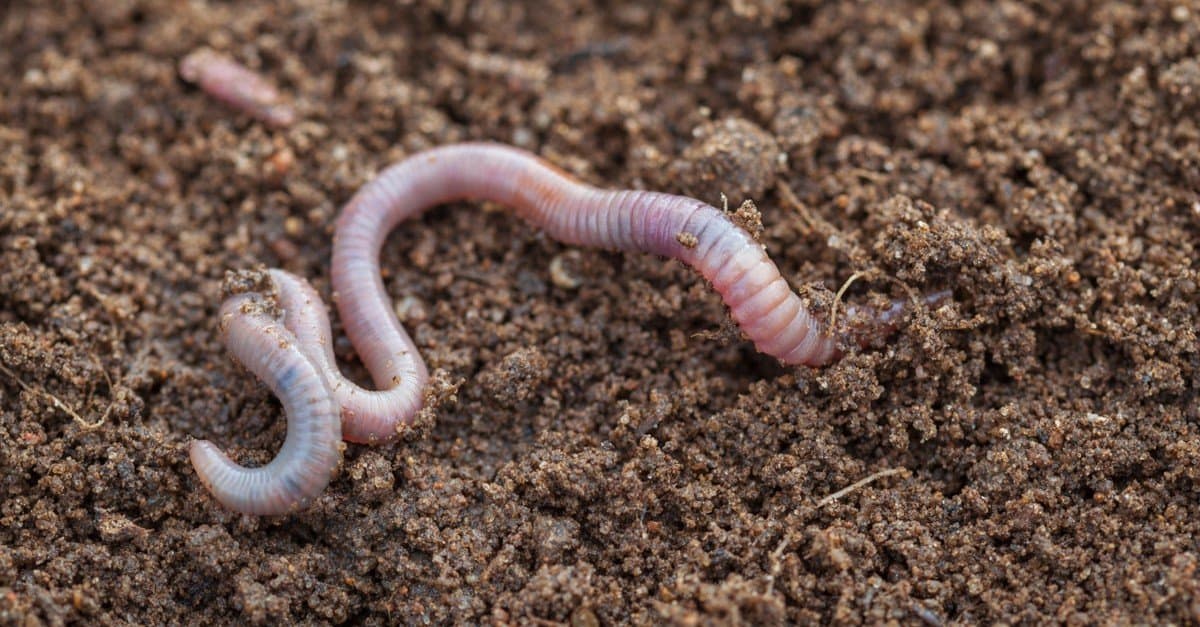
Because there are so many species of earthworms, there are many genus and species names. All, however, belong to the phylum Annelida, which means “little rings” in Latin, to the Class Clitellata, and to the Order Opisthopora. There is some dispute about subclasses, suborders, and families, but overall there are about 7,000 species. Only 150 species are common to different areas of the world. The rest are specific to their locale.

Fossil evidence indicates that earthworms originated on the sea floor well over 500 million years ago. It is thought that they began as anemone-like organisms then became Facivermis yunnanicus in the Cambrian period when other complex animals evolved in the sea. This worm-like animal had five pairs of spiny legs up front and a swollen end.

There are three categories of earthworm:

  • Those that don’t burrow but live in leaf litter or compost to eat decomposing organic matter;
  • Those that feed on and burrow horizontally into shallow layers of soil; and
  • Those that dig deep, permanent vertical burrows into the soil and come to the surface to eat plant material.

Appearance
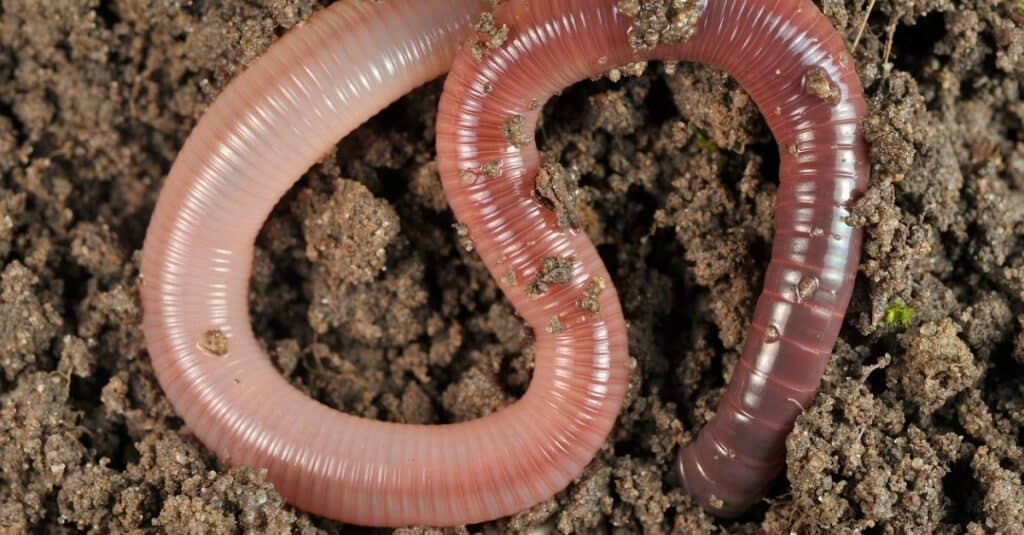
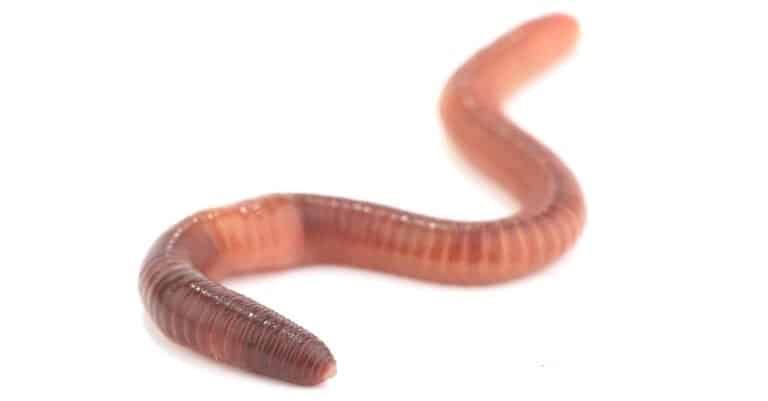
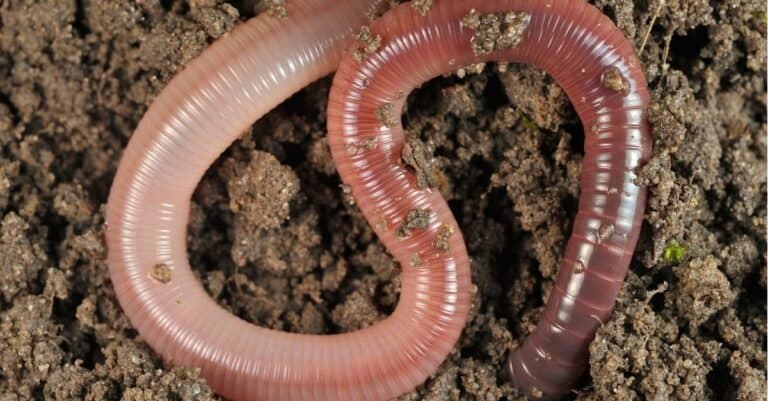
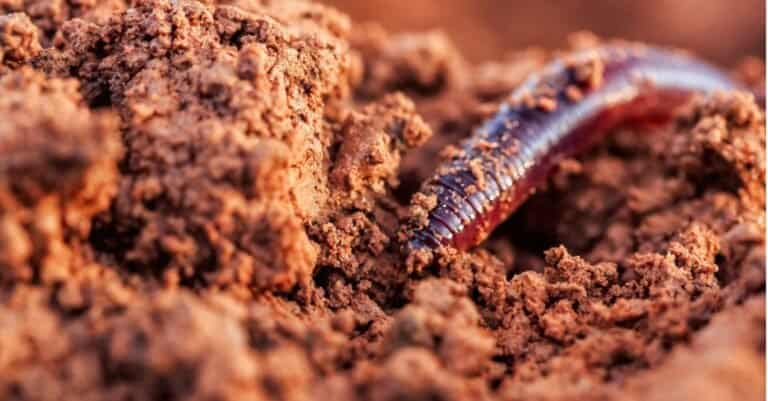
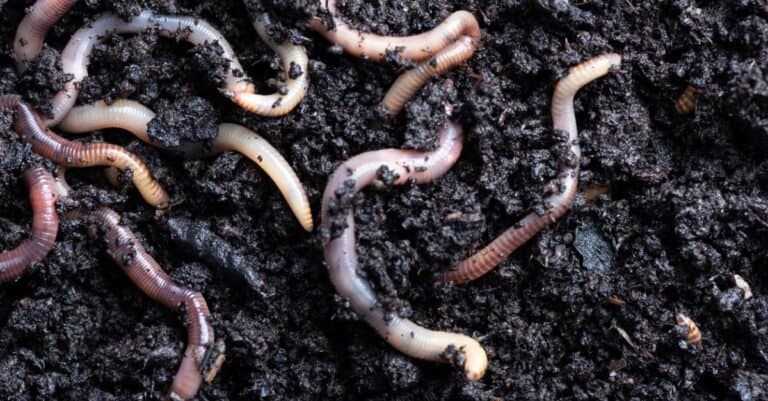
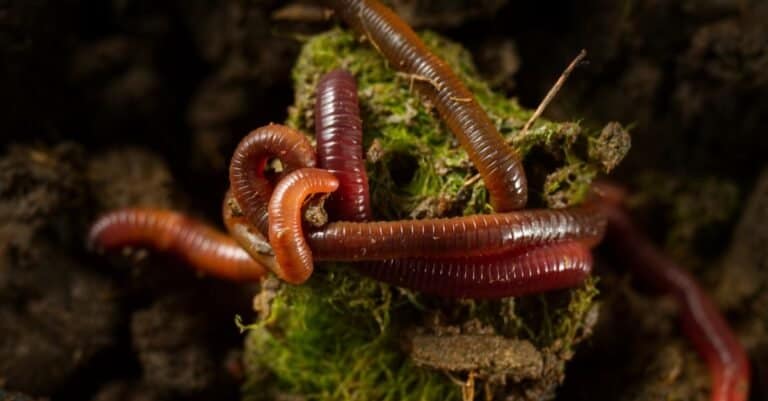
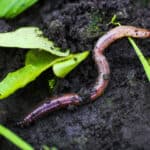
These worms have some of the most identifiable anatomies of all invertebrates. Who hasn’t seen the long segmented, slimy pink, gray, or brown cylinder (pinched at both ends) that is an earthworm? But if you look at it through a magnifying glass, you might see that its segments, save its front and back, are covered with rows of tiny hairs called setae. These help steady the animal as it moves and anchor it when it mates. The number of segments the worm has depends on its species.

The mouth is also protected from ingesting unwanted soil by a flap called a prostomium. The prostomium helps the worm feel and sense where it is. Some worms use this structure to grab onto vegetation and bring it into their burrow to eat. By the way, the worm doesn’t have teeth, although it has a strong mouth full of muscles to push its food into its digestive system.

Earthworms lack ears and eyes, but they can still sense their environment. They can sense light through structures called the Light cells of Hess, and receptors that can sense vibrations, touch, taste, and smell.

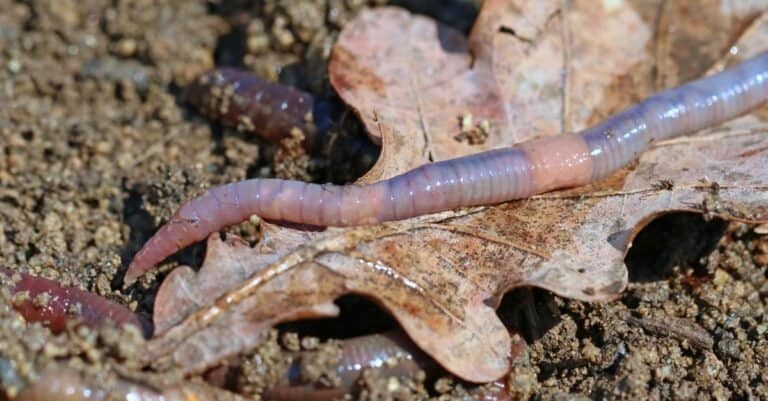
A person will also notice that the worm has swelling over a few of its segments near the front. This is the clitellum, and it houses the animal’s reproductive system. The back of the body is often cylindrical but it can be different shapes depending on the species. The cylinder’s last segment, the periproct, has the anus.

Behavior
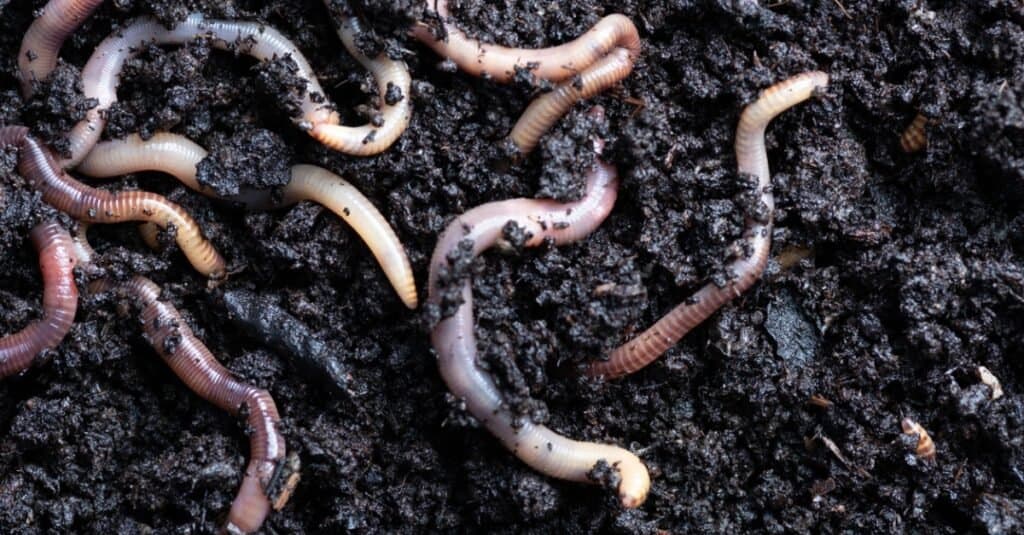
earthworms digging in soil

Earthworms dig through the soil using muscle contractions in their segments.

Basically, earthworms dig through the soil, rotting leaves, manure, or compost. They do this through contractions of the muscles in their segments in ways that resemble the contractions of the human digestive system. The movement even has the same name: peristalsis.

The worm uses brute force to move dirt or debris. A baby worm can move soil that’s 500 times its weight out of the way. As it moves, its skin is protected both by a cuticle and by mucus. The mucus contributes to a soft clicking noise the worm makes as it burrows.

Earthworms can also regenerate their segments from the head end like many lizards can regenerate their tail if it’s lost. Indeed, one species, Eisenia fetida can grow into two worms if it’s cut in two. Speaking of E. fetida, this worm gives off a bad smell if it’s roughed up, and other worms taste bad to would-be predators.

Habitat
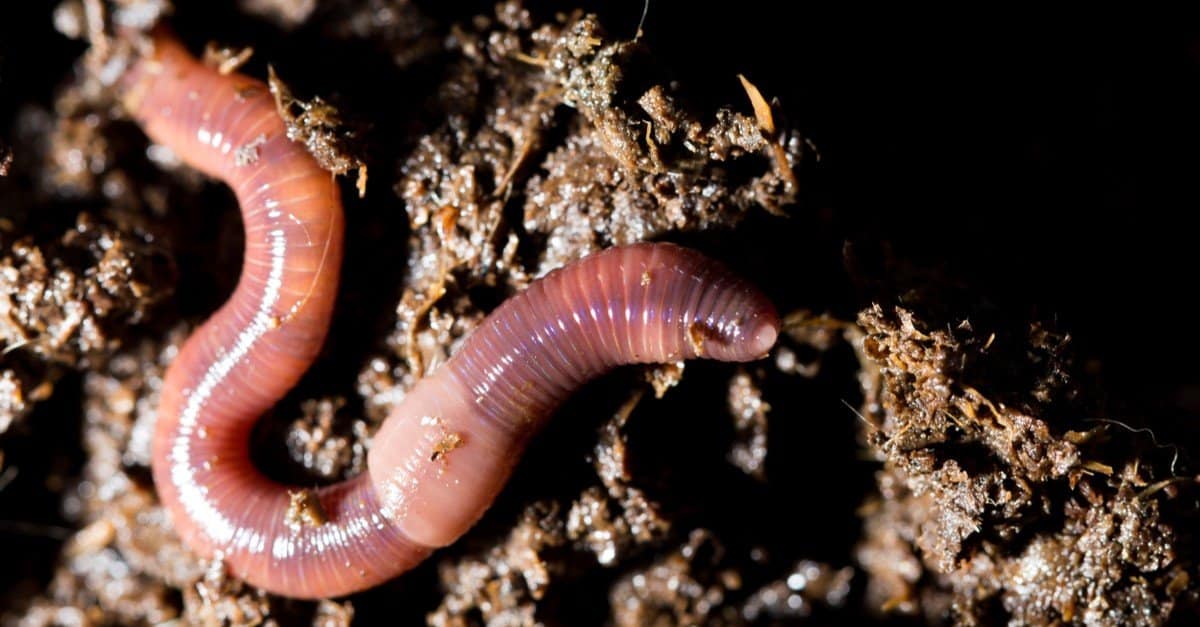
These animals are found in places that are warm, dark, and moist. This can be soil, rotting vegetation, or compost. They are found all over the world, and some species have become invasive. Although earthworms like it warm and wet, it seems they don’t like it too warm. There are fewer of them in tropical climates than in temperate zones. They do best when the temperature is between 59 and 86 degrees Fahrenheit.

Diet

These animals can be said to be omnivorous, for they eat both plant and animal matter. Basically, they eat the very stuff they are moving through, whether it be soil, manure, or decaying plant material. Their digestive system is very simple. It is just a straight tube from the mouth to the anus, without the bends or curves, or coils that are found in other animals. When the food is digested, what’s left comes out in little pellets called castings.

The worm doesn’t use all of the nutrients in its food, so much of it, like nitrogen, is present in the castings. This makes castings just the thing for fertilizing soil. For a complete list of foods earthworms eat, check out our “What Do Earthworms Eat: Their Diet Explained” page.

Predators and Threats
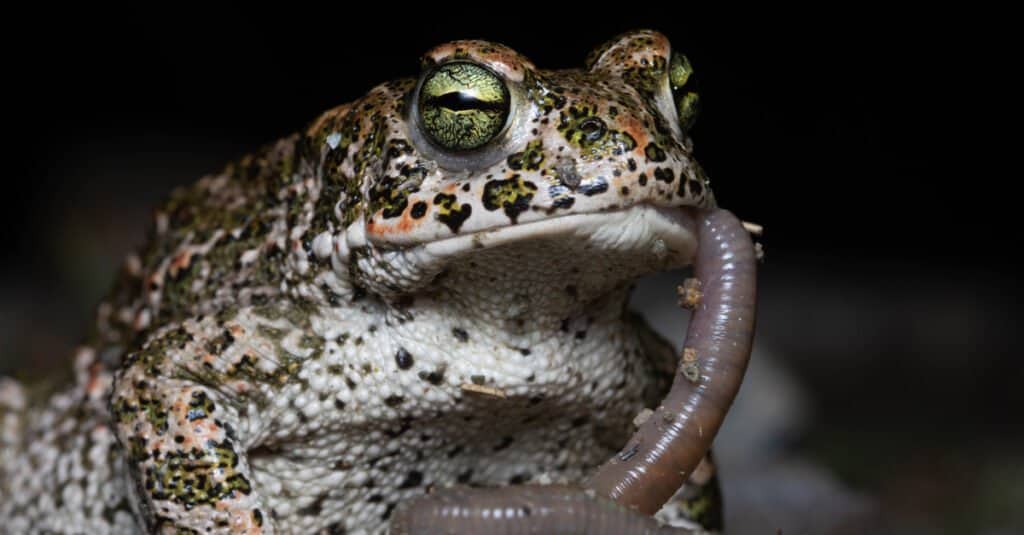
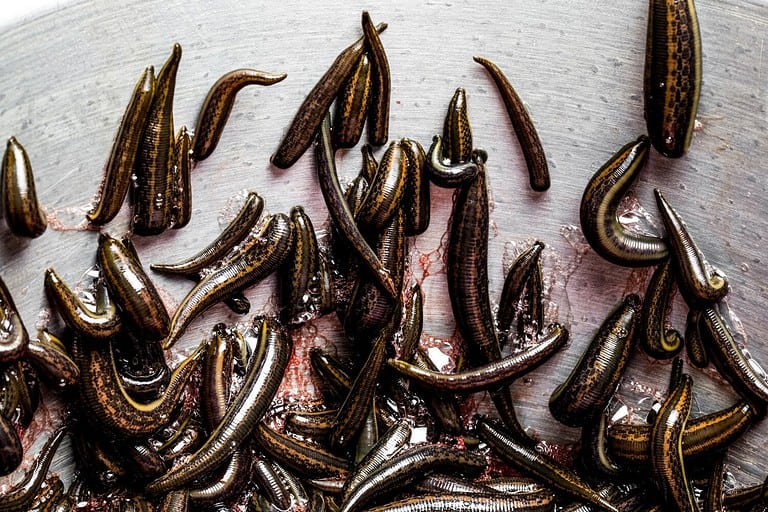
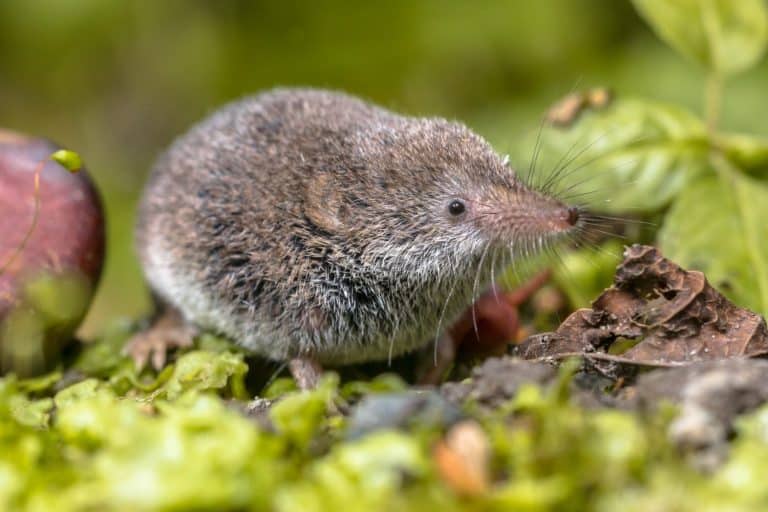
The number of animals that like to eat earthworms is too long to list here, but they include robins and other insectivorous birds. Frogs and toads snap them up in the blink of an eye. They are eaten by turtles, salamanders, slugs, snails, snakes, leeches, foxes, jackals, Malayan civet cats, moles, hedgehogs, and hog badgers. They are parasitized by nematodes and flukes and mites. Cluster fly larvae eat newly hatched worms.

Of course, humans impale them on hooks to catch fish and feed them to their reptilian pets. Climate change may also pose a threat to the worms if the pH or temperature of their habitat is drastically changed. For now, they are abundant and their conservation status is not evaluated.

Reproduction and Life Cycle

The earthworm is usually a hermaphrodite, which means it has both male and female organs. As a hermaphrodite, it is both father and mother to its babies at the same time. A few species can reproduce without their eggs being fertilized. This is called parthenogenesis. There are even some species that have to mate anyway for even parthenogenetic reproduction to occur.

Earthworm reproduction is complex and a bit sticky. First, they mate on the surface, which means they usually mate at night. Their reproductive organs are stored in their ninth to their fifteenth segment. These segments store either sperm or eggs or sacs that store sperm, and they have to come into contact for babies to be made.
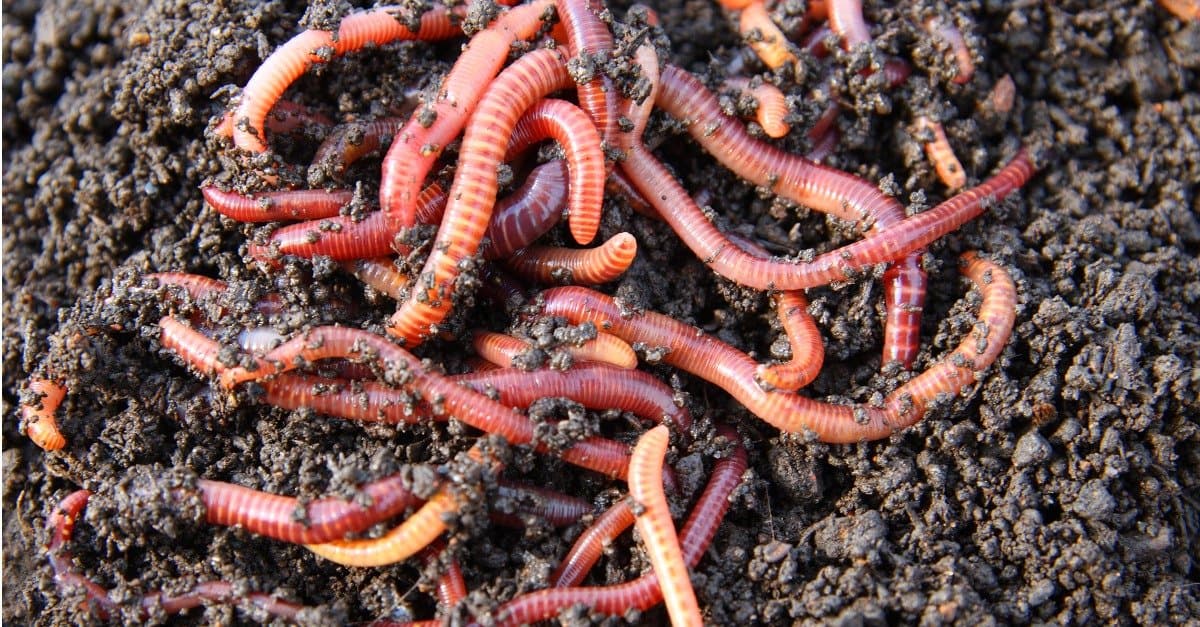
However, the way this is done is ingenious. First, the two worms join nose to tail and exchange sperm. After they’ve done this, the clitellum starts to secrete a slimy tube that forms a ring around the worm. When this happens, the worm wriggles back out of the ring. The tube picks up the worm’s eggs, and as the earthworm continues to wriggle out of the ring, it picks up the sac that has collected sperm, and the sperm fertilizes the eggs. When the worm backs completely out of the ring, the ring closes up into sort of a cocoon, which is hidden in the soil.

The fertilized eggs inside develop and hatch out into little worms after about three weeks to continue the life cycle. Baby worms do not undergo any sort of metamorphosis such as that seen in amphibians and insects. They are tiny replicas of their parents and simply get bigger.

By the way, if there’s not much food or if becomes too cold or dry, the life cycle can be put on hold. Earthworms are capable of estivation, which means they basically shut down their life processes until conditions improve. These invertebrates can live eight years, but most don’t live nearly that long. Many don’t even manage to hatch out of their cocoons.

Population

These worms are notoriously abundant, so in those places where they’re invasive, it is difficult to get rid of them. The one thing humans can do is not transport species of earthworms to places where they are not native. This can be tough because it’s hard to tell them apart. Scientists can only be sure of their classification through minuscule differences in anatomy, such as the number of segments or whether the male pores are in front of or behind the female pores.

View all 185 animals that start with E

Sources

  1. Uncle Jim's Worm Farm / Accessed November 30, 2021
  2. bioKids / Accessed October 30, 2021
  3. University of Illinois / Accessed October 30, 2021
  4. USDA / Accessed October 30, 2021
  5. BBC News / Accessed October 30, 2021
  6. howstuffworks / Accessed October 30, 2021
  7. SCIENCING / Accessed October 30, 2021
  8. Wikipedia / Accessed October 30, 2021
Thank you for reading! Have some feedback for us?


Earthworm FAQs (Frequently Asked Questions)

They are omnivores, though their animal prey is tiny and come in the form of nematodes, protozoans, and rotifers. They mostly eat decaying plant and animal material.