
Quick Take
- Llamas’ calm, curious, and quiet nature makes them effective therapy animals for grounding clients.
- Llama-assisted therapy blends experiential counseling with calm behavior, helping with trauma, phobias, or anxiety through real-time, novel interactions.
- Llamas rarely spit when well-raised and use subtle cues to signal discomfort, making them safe in therapy.
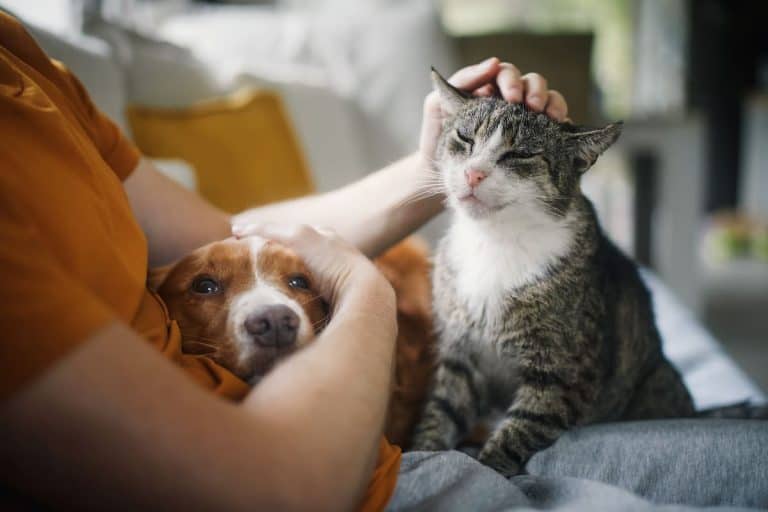
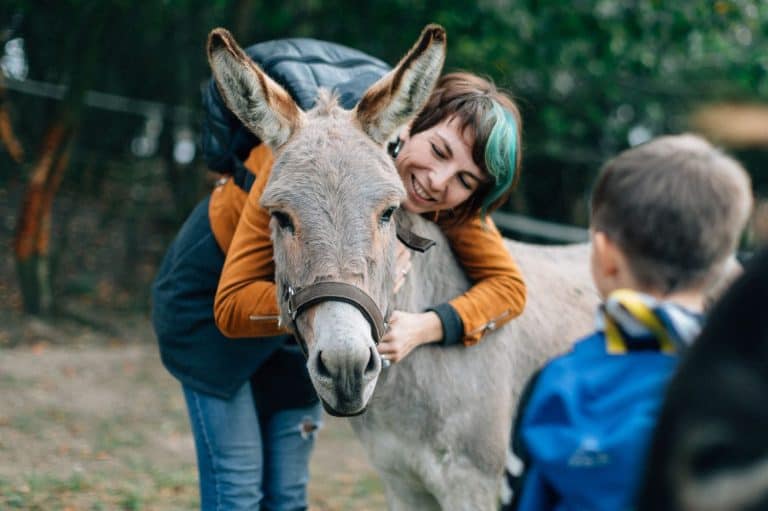
As National Llama Day arrives on December 9, 2025, it’s the perfect moment to recognize an unexpected yet rapidly growing force in the world of emotional healing: llamas. With their calm demeanor, intuitive personalities, and ability to meet people exactly where they are emotionally, llamas are beginning to take their place alongside more traditional therapy animals such as dogs and horses. From counseling offices to outdoor retreats, these gentle giants are supporting children, teens, and adults in ways that feel both grounding and transformative.
One of the organizations at the forefront of using llamas as therapy animals is the Llamas of Hot Springs. Based in North Carolina, the organization offers llama treks, educational events, and animal-assisted therapy. To understand why llamas connect so meaningfully with people in need of emotional support, A-Z Animals spoke with David Wynn, the founder of Llamas of Hot Springs. His program has pioneered llama-assisted therapy and outreach, blending experiential counseling with the unique emotional wisdom of these animals.
A Brief History of Llamas and Humans
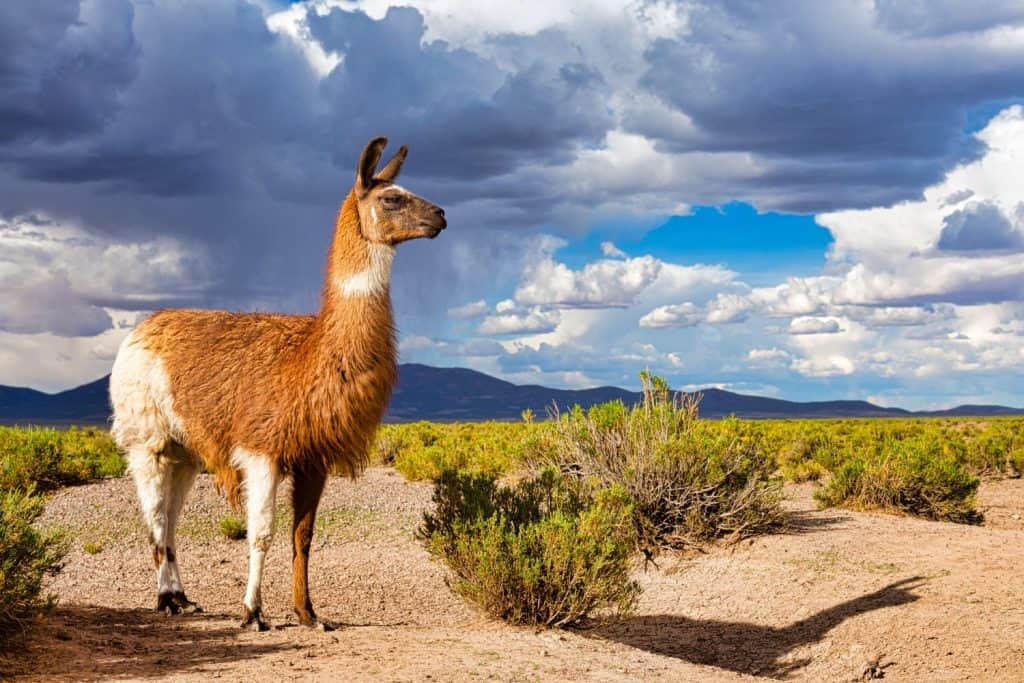
Llamas and humans have a relationship spanning millennia
©buteo/Shutterstock.com
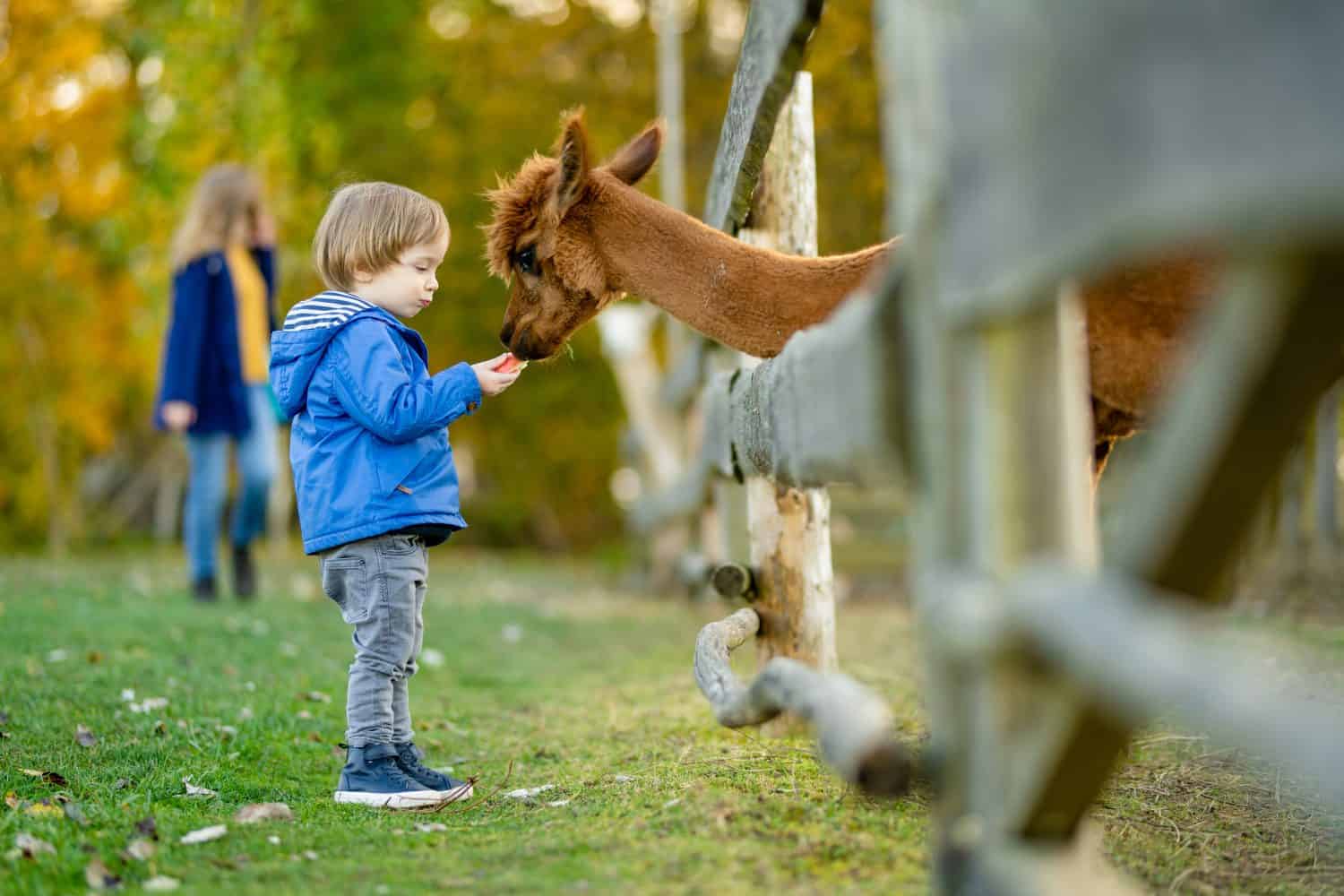
Today, most people in North America encounter llamas on small farms, agritourism sites, fiber festivals, and guided trekking programs. Llama hikes—popular in mountain regions—allow visitors to walk alongside these gentle animals while enjoying the outdoors. Others meet llamas at fairs, community events, school visits, and wellness programs, where their calm presence and soft fleece make them especially appealing for families and first-time animal handlers.
Historically, llamas have been part of human society for more than 6,000 years. Domesticated from wild guanacos in the Andes, they served as essential pack animals for pre-Incan and Incan communities, carrying goods across long mountain trade routes. Their fleece was used for textiles, and their manure enriched poor soils at high altitudes, making them invaluable to daily Andean life. Beyond practical roles, llamas held cultural significance as well, appearing in ritual art, offerings, and cosmological traditions.
Llamas spread to North America only fairly recently, when outdoor enthusiasts and small farmers recognized their versatility as pack animals, fiber producers, and companion animals. Their even temperaments, soft-footed gait, and ability to bond calmly with humans have helped them find roles in trekking businesses, agritourism, youth programs, and emerging animal-assisted therapy settings.
An Unexpected Path to Llama-Assisted Therapy

While llamas are historically pack animals, they may be entering the world of animal-assisted therapy.
©Marco Alhelm/Shutterstock.com
For Wynn, entering the world of llama therapy wasn’t exactly planned. In fact, it began with a family backpacking hobby.
“Honestly, it was something that dawned on me unexpectedly,” he explains. His family originally acquired llamas, he says, “as a way to extend our backpacking trips and accommodate our son– basically we wanted to keep backpacking as our family grew.”
That practical decision later blossomed into the Llamas of Hot Springs, which began as a llama trekking enterprise. Eventually, Wynn reached a turning point, opening the door to animal-assisted therapy.
“On one of the early trips, there was a young person who was having some emotional-behavioral challenges,” Wynn notes. “I had been practicing therapy for a few years at this point, so my counselor’s hat came on pretty easily. With the aid of the llamas, we started to help this kid and their family make some steps towards a new way of being together. And after that, I made the conscious decision to bring llamas into the therapy space.”
What Makes Llamas So Exceptional in Therapy Settings?
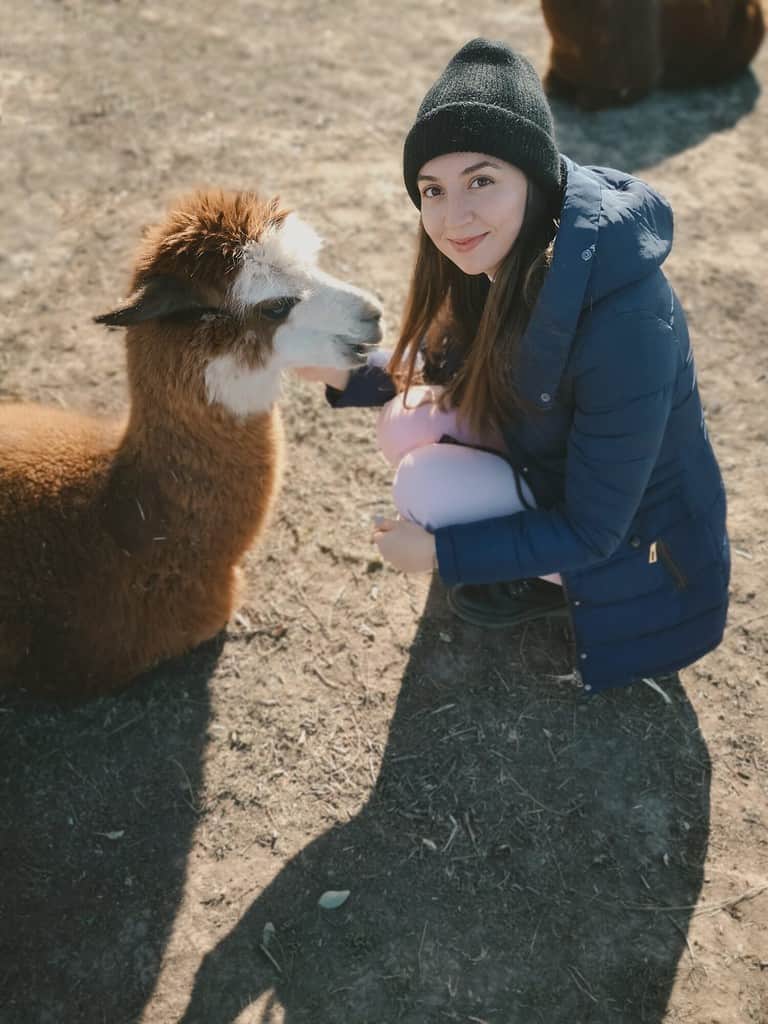
Could the bond between people and llamas make them good therapy animals?
©Daria_vg/Shutterstock.com
Many people unfamiliar with llamas associate them primarily with packing or with the occasional internet meme about spitting. But Wynn makes clear that their nature is surprisingly well-suited for emotional support work.
“Llamas are super calm, curious, confident, and quiet,” says Wynn. “Their fiber invites a safe and soft touch.” This combination—steadiness paired with a gentle surface to ground clients—can create a soothing emotional experience.
“They present as securely attached (not anxious like a golden retriever, or avoidant), which allows them to show up in the space fully engaged,” adds Wynn. “They don’t spook easily. They also aren’t as big as a horse (intimidating for some), and are typically novel experiences for most (no triggering histories, etc).”
For individuals with trauma histories, phobias, or anxiety, this novelty can be healing. A llama brings no baggage, no pre-existing associations, and no cultural overlays. Clients meet them fresh, forming a new relationship in real time.
Llamas are super calm, curious, confident, and quiet. Their fiber invites a safe and soft touch.
David Wynn, the founder of Llamas of Hot Springs
The Myth of Spitting, and How Llamas Actually Behave

Llamas may not actually spit as much as people think.
©Andrew Goodsell/Shutterstock.com
One of the most common misconceptions is that llamas regularly spit at people. In reality, Wynn says, that stereotype does not reflect the behavior of well-raised or therapy-appropriate animals.
“I know who is totally calm, no matter what, and who might be more sensitive to client behaviors. I always go over my ground rules with clients (namely, do not chase the llamas) and which behaviors or body language to notice (this is super helpful for folks on the autism spectrum). Our llamas are very reluctant to spit on people (in 8 years, it’s never happened),” he says.
Instead, llamas communicate discomfort with subtle cues—ear positions, body orientation, and movement away from overstimulating situations. Because llamas are reluctant to escalate situations, they are especially safe in therapeutic contexts.
“Before clients arrive, I have a plan of who (llama-wise) I want to invite into the session and how they are feeling that day so that I’m only practicing with llamas that are interested,” adds Wynn. If a llama feels overwhelmed, he notes that “they usually will simply move away from the situation if they aren’t enjoying it (no kicking, biting, etc.).”
For clients learning about boundaries, emotional regulation, or social communication, observing this behavior becomes part of the therapy itself.
An Example of Llama-Assisted Therapy at Work

Llamas can create powerful bonds with people.
©Juni Samos/ via Getty Images
One story Wynn shared illustrates just how impactful llama-assisted therapy can be. He describes a young boy who struggled with “big energy (excitement),” which others often misinterpreted as “too much.” They had been practicing grounding techniques, but the boy hadn’t yet connected his internal experience to how others responded to him. That changed during a session with the llamas.
“So, we met at the llama farm and, without any direction, walked into the barn,” Wynn recalls. “He ran in, appropriately excited, and naturally, the llamas moved away from the gate. The boy’s shoulders slumped, his head hung down, experiencing the same story again. I paused us, stated what I know about llamas (generally curious, interested, but tuned into energy, preferring calm). We walked out of the barn, did some of our grounding exercises, and asked: What might happen if we walk in calmly (a safe experiment)?”
That moment sparked a key change.
“So we tried it, and of course the llamas came right up, ready to meet and relate,” Wynn says. “The boy instantly connected his behavior with the reception he received (the joys of experiential therapy), and we were able to communicate our findings with the boy’s community to help foster positive experiences for everyone.”
This illustrates the essence of Wynn’s llama-assisted experiential therapy: the lesson often comes not from talking, but from experiencing the moment and observing the natural, immediate feedback.
The Therapeutic Benefit of Llamas

Could llamas be a popular therapy animal?
©Terex/ via Getty Images
Animal-assisted therapy has long included dogs and horses, but llamas offer something distinct: a quiet presence that invites connection without demanding it. Wynn believes this “more-than-human awareness” is a hidden advantage.
“I think most people just don’t realize that llamas can be therapy animals. Most people think of horses and dogs, without realizing that many other animals (including llamas) offer a similar therapeutic experience,” he says. “The more-than-human awareness accessible through animal-assisted therapy is a sort of secret sauce (think of the amount of attention/connection that happens when you’re walking your dog in public vs. when you go out by yourself, for example). There is something about all animals that helps us open up and lower our defenses. I think llamas do this spectacularly.”