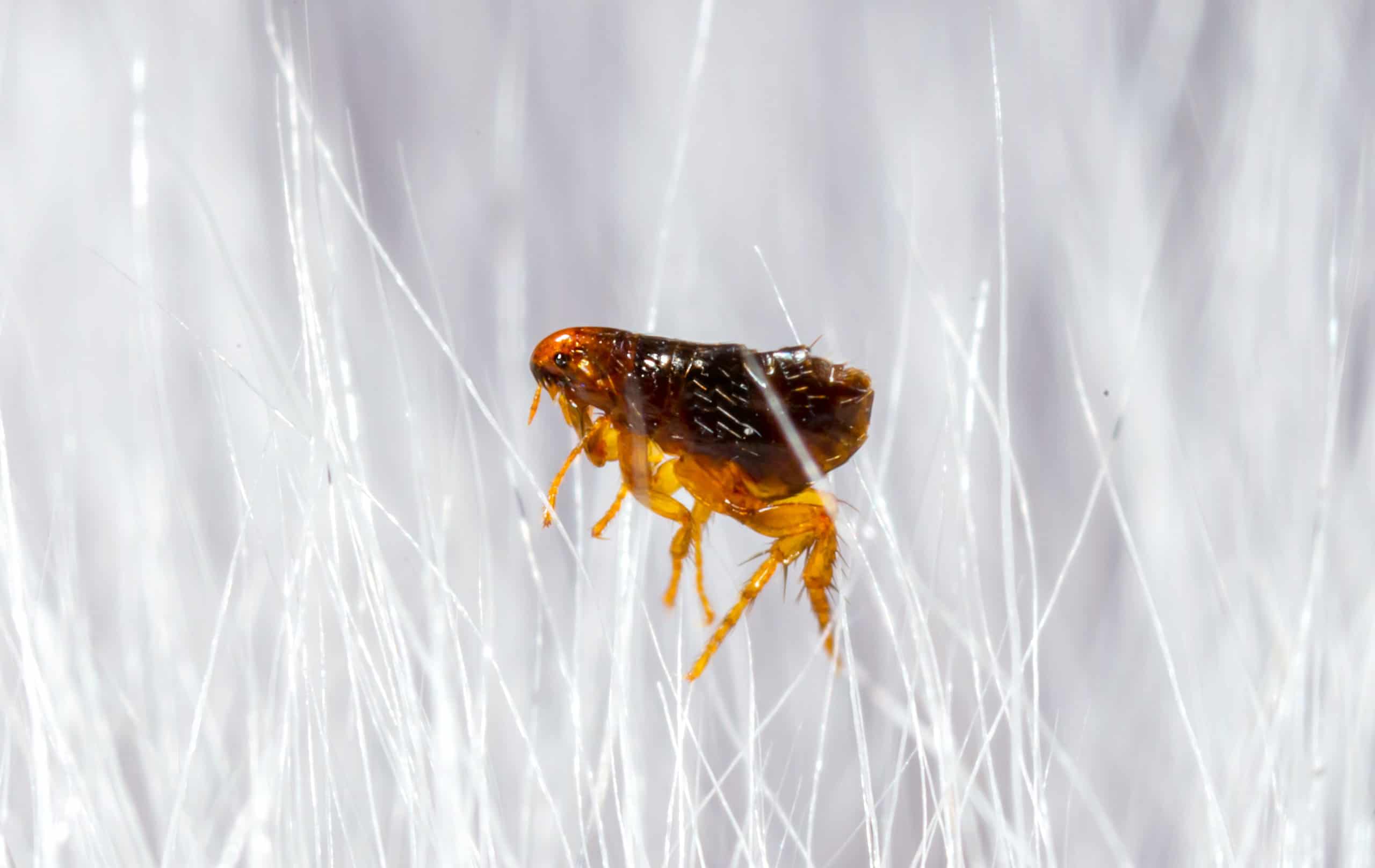

Quick Take
- Fleas are tiny wingless ectoparasites that bite people and pets, causing clustered, itchy red bumps, especially on legs and feet.
- A single flea can lay hundreds of eggs, enabling infestations to grow quickly if unchecked.
- Fleas thrive in warm, humid environments. Control requires treating pets and cleaning the home to stop the source and prevent bites.
I remember, as a young child in the South, walking onto a carpet and having my feet covered in little black dots. At first, I was bewildered, thinking it was just some dirt or dried mud. But as I looked closer, I realized that the black dots were moving. It felt like a scene out of a horror movie. Unbeknownst to me, I had wandered into a flea-infested house.
Fleas are tiny, wingless insects that may seem insignificant, but their bites can cause major discomfort and indicate a larger infestation problem in your home. Understanding how to identify flea bites, why they appear in clusters, and what steps to take to treat them and prevent further bites is essential for both your health and the well-being of your pets.
Think You Got Flea Bites? How to Tell.
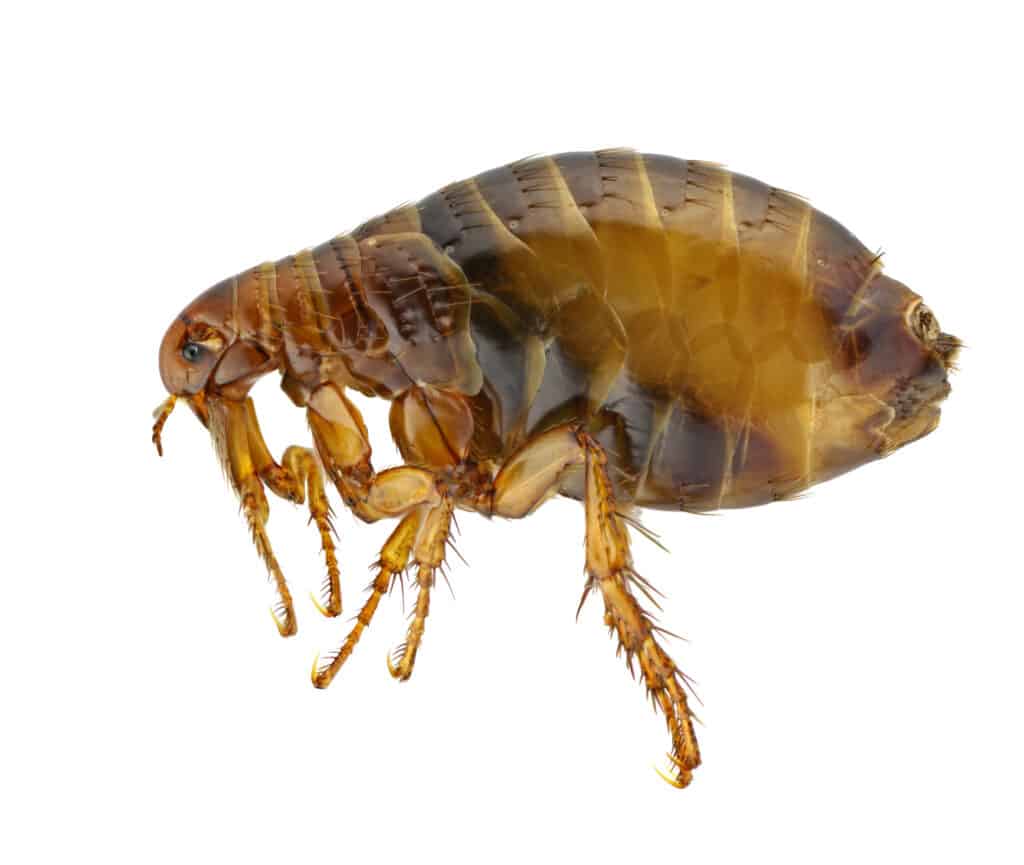
Fleas are ectoparasites, meaning they live on the outside of their hosts.
©Cosmin Manci/Shutterstock.com
The moment I stepped onto that carpet, a swarm of tiny fleas sprang into action, hitching a ride on my feet and between my toes. The sensation was unsettling as I tried to wipe them away, only to find that more kept appearing as I brushed them off. I could feel the bites starting almost immediately, a sharp, itchy sensation that made my skin crawl. I remember pulling my feet up off the carpet and hurrying to escape the tiny invaders.
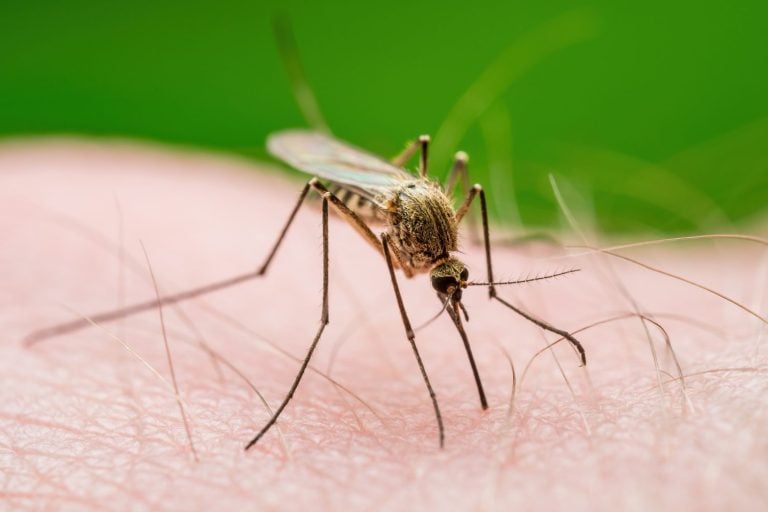
While I knew immediately that I was being bitten by fleas, flea bites are often confused with other insect bites, particularly mosquito bites. Still, there are a few key differences to help you identify the culprit:
- Pattern: Flea bites usually appear in clusters or lines of two or three, sometimes called the “breakfast, lunch, and dinner” pattern. Mosquito bites are typically isolated, random, and more spread out.
- Location: Fleas prefer lower extremities, ankles, feet, and legs, because they jump from the ground. Mosquitoes can bite anywhere exposed on the body.
- Size and Shape: Flea bites are small, raised bumps with a pale center, while mosquito bites are often larger, swollen, and have a rounder appearance.
- Timing: Fleas bite mostly when you’re in close proximity to infested pets or bedding, whereas mosquito bites often happen outdoors in the evening or near standing water.
If you notice multiple small bites in clusters on your legs, feet, or waistline after contact with pets or certain areas of your home, it’s likely fleas rather than mosquitoes.
What Do Flea Bites Look Like?
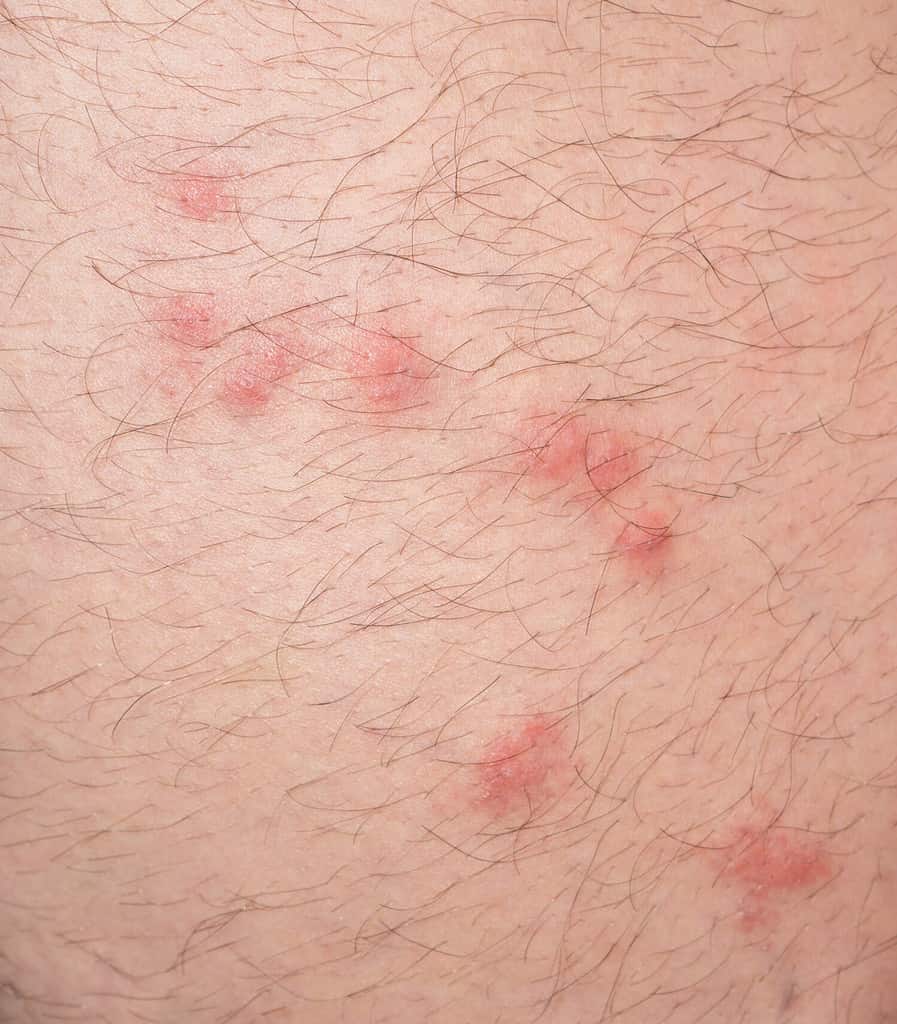
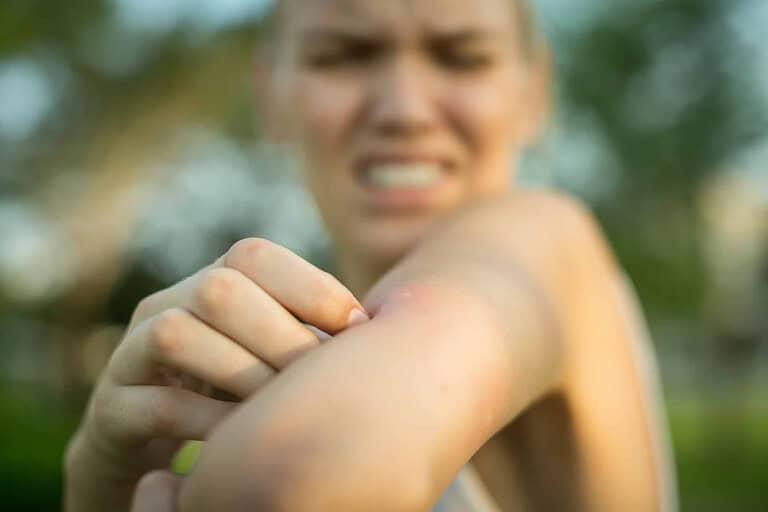
Flea bites can cause itching and irritation, potentially leading to more allergic reactions.
©FCG/Shutterstock.com
Looking back, that encounter was more than just an unfortunate experience; it was an eye-opener to the microscopic world that exists alongside us. Beyond the initial fear and discomfort, it made me acutely aware of the importance of keeping our living spaces clean and maintaining our pets’ health. Fleas not only infested the physical environment but also served as a reminder of how interconnected our ecosystems are—demonstrating how humans, pets, and pests are entwined in a delicate balance. In my case, I had flea bites all over my feet.
Flea bites are typically small, raised, reddish bumps with a pale center. Unlike mosquito bites, which are usually isolated, flea bites tend to occur in clusters or lines.
Common areas for flea bites include:
- Ankles and lower legs
- Feet
- Waistline
- Inner thighs
- Armpits
These areas of the body are often warmer and closer to the ground, making them prime targets for fleas. The bites are extremely itchy and may cause redness, swelling, and discomfort. In people with sensitive skin or allergies, flea bites can trigger more severe reactions, including hives or intense inflammation.
Why Flea Bites Appear in Clusters
One of the hallmarks of flea bites is their pattern. Fleas often bite in a sequence of three, which reflects their behavior of moving along the skin searching for blood.
Fleas are attracted to:
- Warmth: Your body heat signals a potential blood meal.
- Carbon dioxide: Exhaled CO₂ draws fleas to their target.
- Movement: Fleas respond quickly to vibrations or motion near the floor.
This combination explains why bites are more common on legs and feet and why they appear in groups.
Flea Biology and Behavior

Fleas are more than just a nuisance; they can impact the health of both animals and humans.
©kobkik/Shutterstock.com
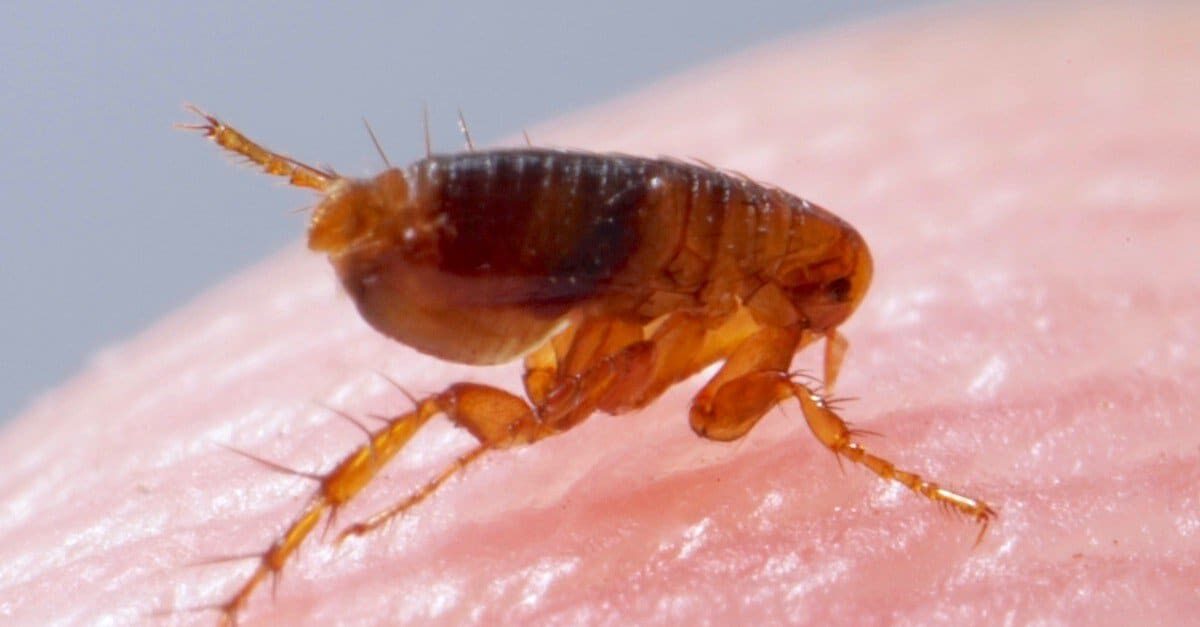
They thrive in warm, humid environments, making the Southern climate especially conducive to infestations. I learned that female fleas lay hundreds of eggs, which can quickly multiply, turning a minor problem into a household crisis. The fact that they can leap up to 200 times their body length fascinated and horrified me. These creatures are not only excellent jumpers but also persistent survivors, able to hide in carpets, upholstery, and even pet fur.
Understanding fleas’ life cycle can help explain why infestations can escalate rapidly:
- Eggs: Female fleas lay tiny, white eggs that fall off pets onto bedding, carpets, or furniture.
- Larvae: Eggs hatch into larvae, which feed on organic debris, including adult flea feces (“flea dirt”).
- Pupae: Larvae spin cocoons and develop into pupae, which can remain dormant for weeks until triggered by warmth, vibration, or carbon dioxide.
- Adults: Adult fleas emerge, ready to feed on blood and reproduce.
A single flea can lay hundreds of eggs, so an unnoticed infestation can grow exponentially in just a few weeks.
Other Signs of a Flea Infestation
Besides bites, look for these indicators in your home and pets:
- Scratching and licking: Pets may repeatedly scratch, bite, or groom themselves to alleviate flea discomfort.
- Flea dirt: Tiny black specks on pets’ skin that turn reddish when moistened; this is digested blood from flea bites.
- Visible fleas: Adult fleas are small, dark brown, and jump quickly. They can be seen on pets, rugs, or furniture.
- Bites on humans: Fleas will bite any warm-blooded host, including children and adults.
Treating Flea Bites
Regular grooming, flea treatments, and a clean environment are crucial steps for flea control.
©Sahara Frost/Shutterstock.com
Although bites are usually not dangerous, they can be extremely uncomfortable. Treat them effectively with these methods:
- Clean the area: Wash bites with soap and water to prevent infection.
- Reduce itching: Use calamine lotion, hydrocortisone cream, or oral antihistamines.
- Cold compress: Applying a cold pack for a few minutes can reduce swelling and soothe itching.
- Avoid scratching: Scratching can introduce bacteria, leading to secondary infections.
- Monitor for allergic reactions: In sensitive individuals, flea bites may cause hives or severe itching that requires medical attention.
Remember to address the source of the problem by treating pets, bedding, and carpets to prevent future bites. Fleas reproduce quickly, so even if the bites on your skin begin to heal, the infestation can continue unless you eliminate the insects at every stage of their life cycle.
Combating a Flea Infestation

There are many preventative flea treatments available in both topical and oral forms for animals.
©Masarik/Shutterstock.com
Treating bites alone isn’t enough. Stopping the infestation at its source is crucial. To fully eliminate the problem and prevent future discomfort, it’s essential to address the root cause: your pets and your environment. Taking a thorough, multi-step approach ensures that fleas are removed at every life stage, from eggs to adults.
For Pets
- Use veterinarian-approved flea treatments, such as topical medications, oral tablets, or flea collars.
- Bathe pets regularly with flea shampoo.
- Comb pets with a fine-toothed flea comb to remove adult fleas.
For Your Home
- Vacuum carpets, rugs, and furniture thoroughly. Dispose of vacuum bags or empty canisters immediately.
- Wash pet bedding, blankets, and soft furnishings in hot water.
- Consider treating carpets and furniture with flea sprays or powders designed for home use.
- In severe cases, contact a professional pest control service to eradicate fleas safely.
Prevention
- Keep pets on a regular flea prevention schedule.
- Maintain clean living areas and reduce clutter where fleas can hide.
- Regularly inspect pets for fleas, particularly after outdoor activities.
When to See a Doctor
Most flea bites are a mild annoyance, but medical attention may be necessary if:
- Bites become infected (red, swollen, or oozing pus)
- Severe allergic reactions occur
- Persistent discomfort or secondary skin conditions develop
By treating the environment where fleas thrive, you can break the cycle of reinfestation and protect your household from future bites. A combination of pet care, home cleaning, and preventive habits ensures long-term comfort and peace of mind for you and your pets.
Final Thoughts

Fleas are more than just a nuisance; they can impact the health of both animals and humans.
©newsony/Shutterstock.com
Fleas may be tiny, but their impact can be large and frustrating. Recognizing the small, clustered, itchy bumps on your body (or your pet’s body) and distinguishing them from mosquito bites is key to taking timely action. Treating bites, soothing the skin, and eradicating fleas from your environment will relieve immediate discomfort and prevent long-term problems.
With vigilance, prevention, and proper treatment, you can protect both yourself and your pets from these persistent pests. Don’t let fleas take over. Follow these steps—identify, treat, and prevent—to keep your home comfortable and itch-free.
Years later, the memory of stepping into that carpet and getting covered in fleas still lingers, serving as a reminder that sometimes the smallest creatures can have the most significant impact. You need vigilance, proper pest control, and an understanding of your environment. Just be mindful of what might be lurking just beneath the surface, waiting for a chance to make its presence known…all over your feet and ankles.