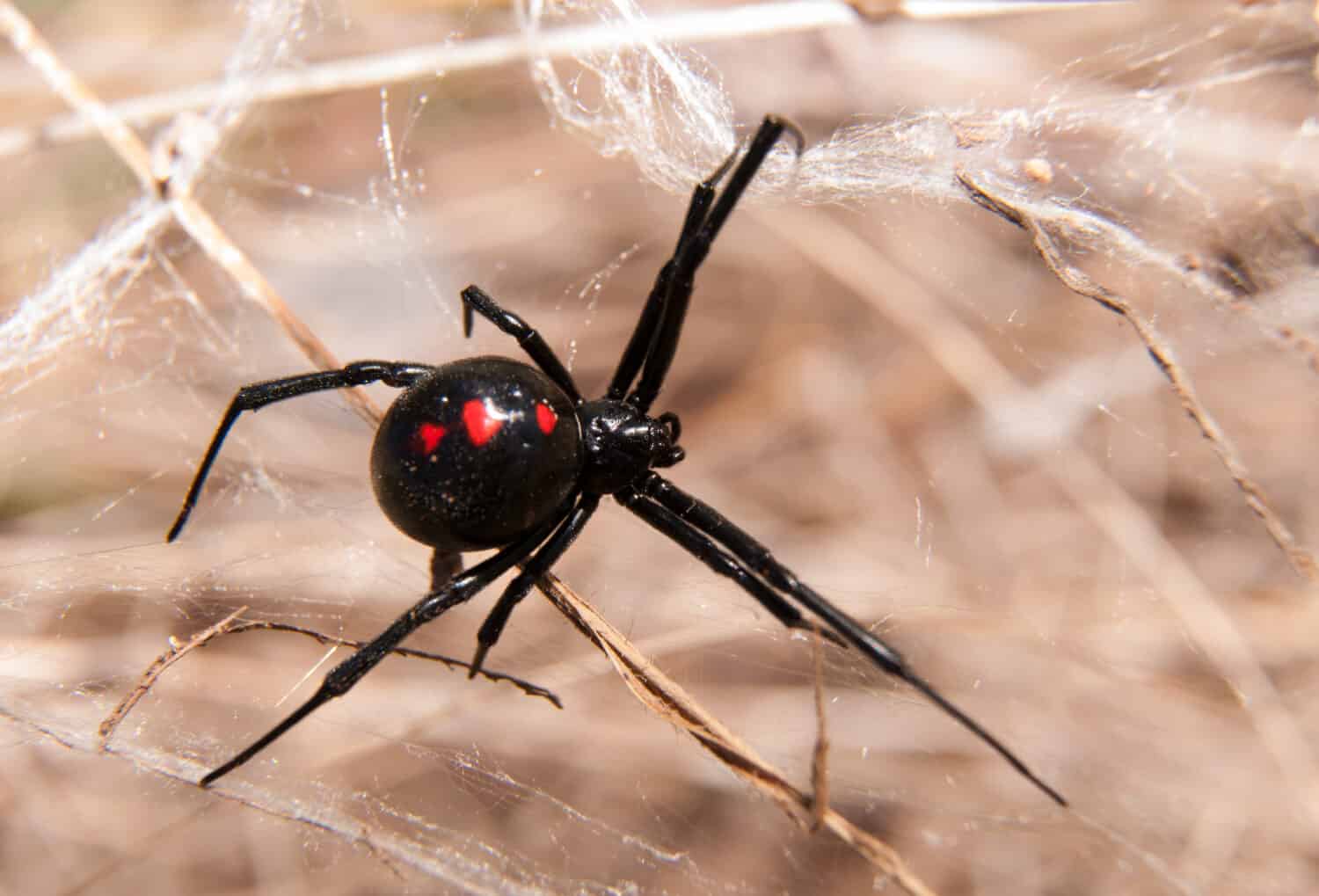

Black widows are among the most feared spiders. While they are often compared to brown recluses, their appearance makes them even more intimidating. Shiny black bodies with a bright red abdomen relay a warning to potential predators. For humans, this warning is not always seen before it’s felt. A black widow’s bite is painful, but the immediate sting is the least of a victim’s worries. While these bites typically aren’t fatal, the symptoms can be unpleasant.
What Makes a Black Widow’s Venom So Potent?
The good news is that black widow bites are rarely fatal. However, they are painful because of their venom. A black widow’s fangs are sharp enough to break human skin, which causes immediate pain at the site. While this causes inflammation, it’s not what gives this spider such a terrifying reputation. The venom of a black widow contains neurotoxins. This means the venom not only induces pain but also affects the tissue layers and muscles beneath the bite.
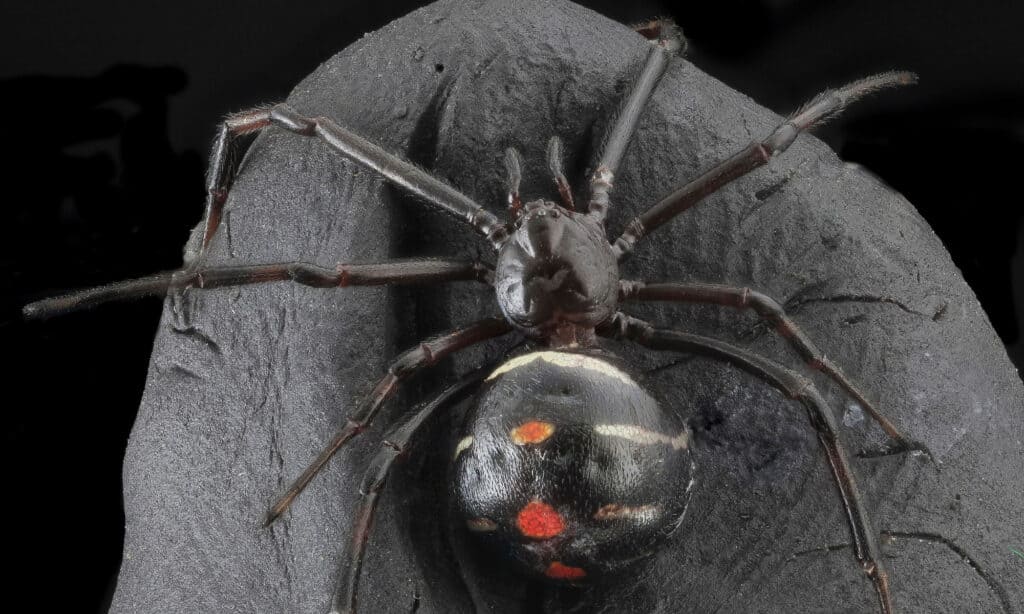
Northern black widows have slightly different markings but are just as venomous.
©Porco_Rosso/Shutterstock.com
These neurotoxins bind to nerve endings beneath the skin. When this happens, those nerves fire rapidly and at random. This causes the muscles to spasm, which can induce further pain and discomfort. This neurotoxin makes them among the most venomous spiders in the U.S. According to Arrow Exterminators, it’s 15 times more potent than a rattlesnake’s venom, drop for drop. Humans might only feel muscle spasms, but the prey of a black widow is typically paralyzed within seconds.
What Are the Symptoms of a Black Widow Bite?
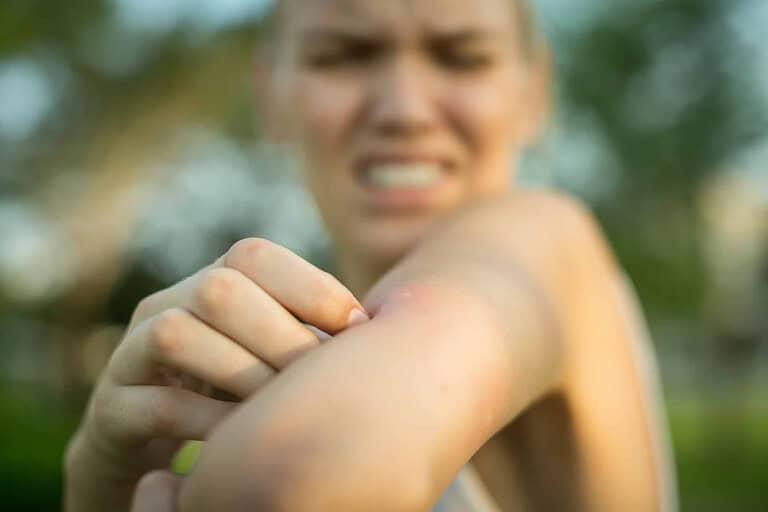
The first sign of a black widow bite is puncture marks. The wound will have two distinct fang marks, typically surrounded by swelling and redness. What happens next depends on the amount of venom injected when the black widow bites. Some people may not feel the bite right away, while others may feel a pinprick or sharp, needle-like sensation. The more venom injected, the more a victim’s muscles will be affected by the toxin. Within an hour or so, muscle spasms and pain can radiate throughout the entire body.
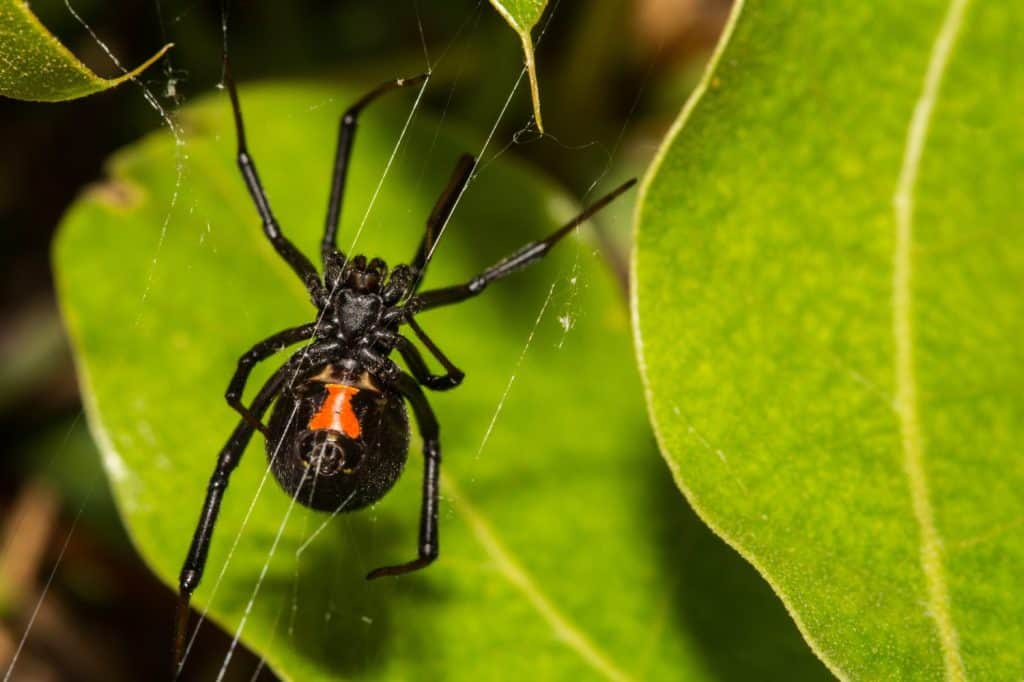
Black widows are often found in woodpiles, forgotten sheds or garage corners, or hidden piles of brush.
©Jay Ondreicka/Shutterstock.com
Within several hours, symptoms may escalate and include:
- Tremors
- Sweating
- Increased heart rate
- Nausea
- Fainting
- Swelling
- Inflammation
- Severe muscle cramps
- Dizziness
- High blood pressure
- Chills
- Headaches
- Difficulty breathing
The location of the bite also determines the symptoms. If a bite is near the neck or face, inflammation and swelling may lead to additional issues. If the bite is on the foot or leg, symptoms could be milder.
In Severe Black Widow Bite Cases
In severe cases, a black widow’s bite can trigger an allergic reaction. Those sensitive to its venom may experience additional symptoms. These include seizures and tissue necrosis, which eventually cause skin cells to die. This can lead to infections later on and, in rare cases, surgery to graft skin where those cells were lost.
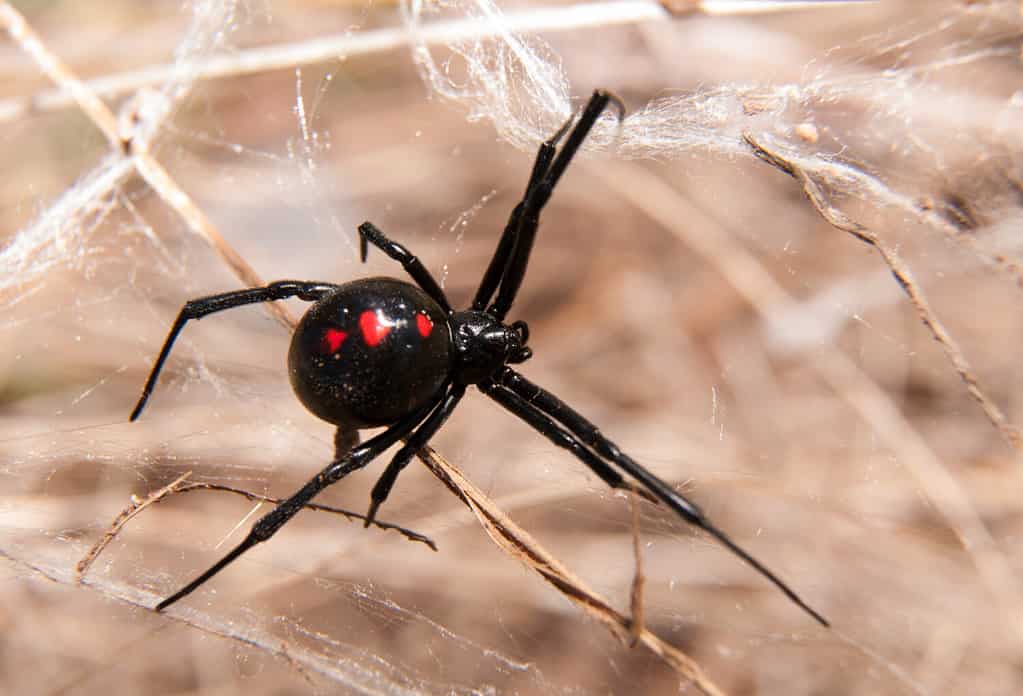
The most obvious sign of a black widow is a chaotic, messy web.
©Sari ONeal/Shutterstock.com
The worst symptoms typically last a few days, while milder symptoms can last several weeks. Most people recover within a couple of weeks, depending on the severity of the bite. However, a black widow bite may require antivenom.
When to Get Treatment
The best practice if you are bitten by a black widow is to identify the spider immediately. Once you’ve confirmed it was a black widow, the next step is to wash the wound with soap and water. As with any other bite, a black widow’s fangs can introduce bacteria that can lead to secondary infections. Cleaning the wound may also help you determine if the bite was severe. The next step is to elevate the area, if possible, and apply an ice pack for 10 minutes on, 10 minutes off.
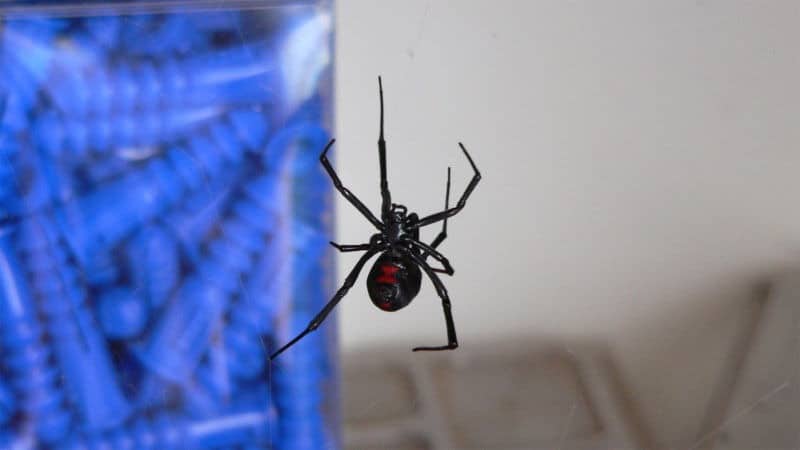
Black widows are more reclusive than aggressive, but will bite if they feel threatened.
Even if the bite seems mild, it’s still recommended that victims seek medical attention at a hospital or urgent care center. Because symptoms can escalate quickly, being assessed by a professional is key. From here, a medical professional can determine if the bite requires antivenom. Black widow bites are worse for children and the elderly, as well as anyone with a compromised immune system.
With proper medical care, many symptoms resolve on their own within several days. If the pain is mild and there are no other symptoms, no additional treatment is typically needed. At most, some people may be prescribed muscle relaxants for tremors or spasms. Those who have been bitten should be aware that a tetanus shot is recommended. If you’re overdue or haven’t had one in a decade before being bitten, this is another reason to get immediate medical attention.