Quick Take
- Animals don't experience music the way we do. Explore animal perception →
- Elephants might be able to distinguish between musical genres. Discover elephant preferences →
- Music can reduce stress and anxiety in animals, but getting it wrong could have the opposite effect. Find the right approach →
Have you ever heard of the term “zoömusicology”? Essentially, it refers to the study of sounds and communication produced and perceived by animals. As humans, we understand the power and effects of music on ourselves, but what about its impact on animals? While music has incredible healing power for us, can it also help—or harm—our pets or wildlife? We spoke with experts about zoömusicology, exploring how animals perceive music and how it influences their behavior.
What Is Zoömusicology?
As stated above, zoömusicology describes music as it relates to animals. In this article, we’re mainly exploring how sound and communication are perceived by animals rather than produced by them.
French music artist Plumes already does this by playing guitar and singing for animals on his Instagram page. British pianist Paul Barton also shares beautiful examples of this on his YouTube channel. The video linked above features Barton playing piano for a gorgeous elephant, who appears to sway to the music.
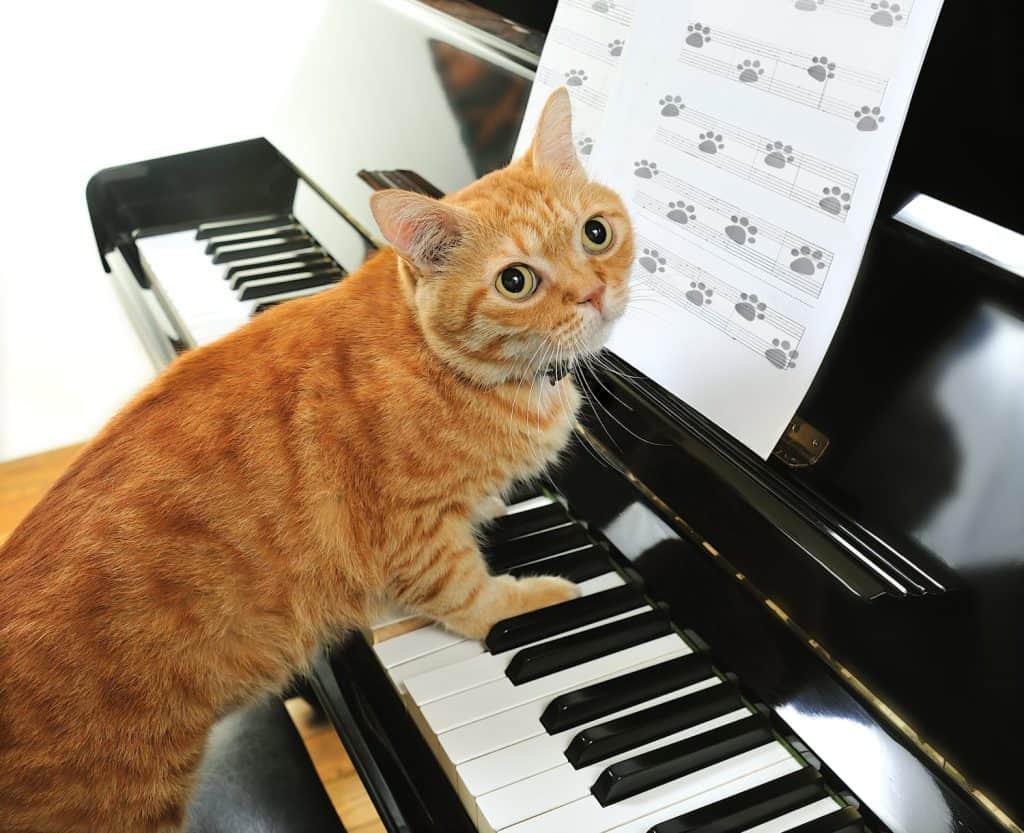
Music can have a calming effect on some animals.
©amenic181/Shutterstock.com
Award-winning author Colette Hiller felt so inspired by Barton’s videos that she wrote the book The Elephant and the Piano.
“I was moved [by] the way the elephants reacted to Paul’s music,” she tells A-Z Animals. “The videos showed them responding physically, swaying their trunks and moving their feet. But more than that, there also seemed to be an emotional connection, for the elephants reacted differently to different kinds of music.”
How Animals Perceive Music
While it’s clear music has some sort of impact on animals, this doesn’t necessarily mean they perceive it the same way we do.
“For a long time, humans thought that if music has an emotional effect on us, like the calming effect of classical music, it should have the same effect on animals. But animals don’t perceive it the same way we do, not entirely,” says Helle Brandrup, veterinarian at Neurogan Health. “Most of the time, for them, it’s just random noise that is played in the background.”
However, she notes, music can trigger different emotions in animals. For example, loud or heavy music might cause fear in some animals, while a quiet, slower melody might help them feel at ease.
“When music mimics their own species communication style, then they will experience a shift in their mood/emotions,” says Brandrup. “So instead of being moved by the lyrics, they are moved by the structural traits of a specific sound.”
For a long time, humans thought that if music has an emotional effect on us, like the calming effect of classical music, it should have the same effect on animals. But animals don’t perceive it the same way we do, not entirely.
Helle Brandrup, veterinarian at Neurogan Health
How Music Influences Animal Behavior
There are many factors to consider when analyzing how music influences animal behavior, including the species and the type of music.
For example, “Horses and dogs, when raised in close proximity to humans, are highly sensitive to the tones of our voices,” says Brandrup. “So, slow-tempo classical music can have a calming effect on both species.”
“Cats, on the other hand, are a whole different ball game,” Brandrup continues. “Our vocal frequencies and the tempo at which we talk or sing do not match their physiology. If you want a response from a feline, you will have to play them music specifically made for them. So, this means the tempo of the music must match the rhythm and the tempo of a cat’s purr. Cats will then show affection, like rubbing against the speakers or purring.”
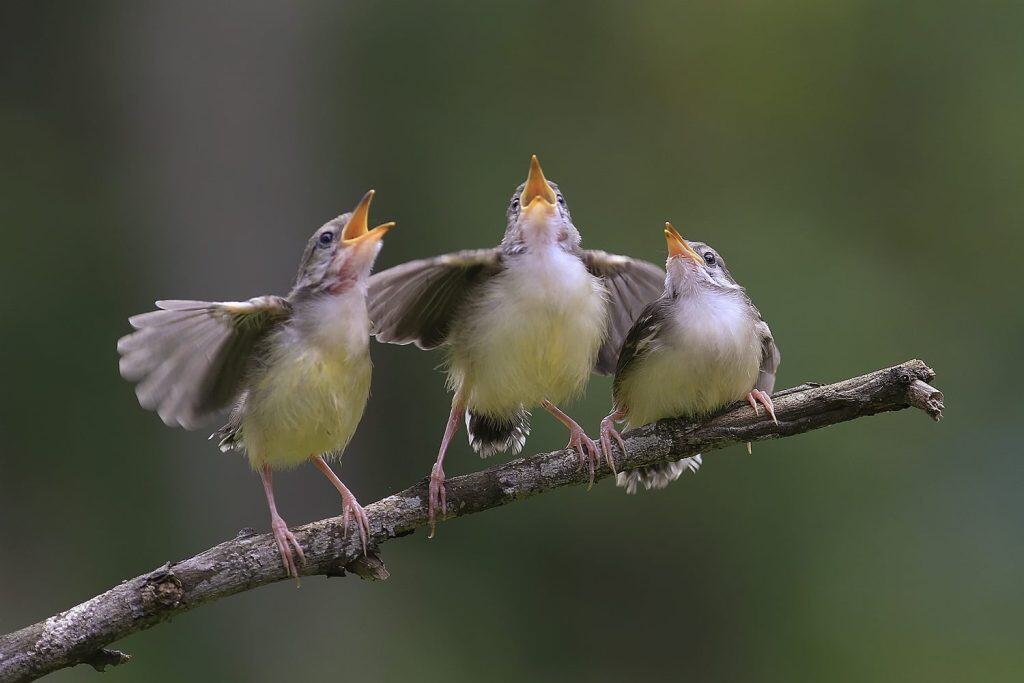
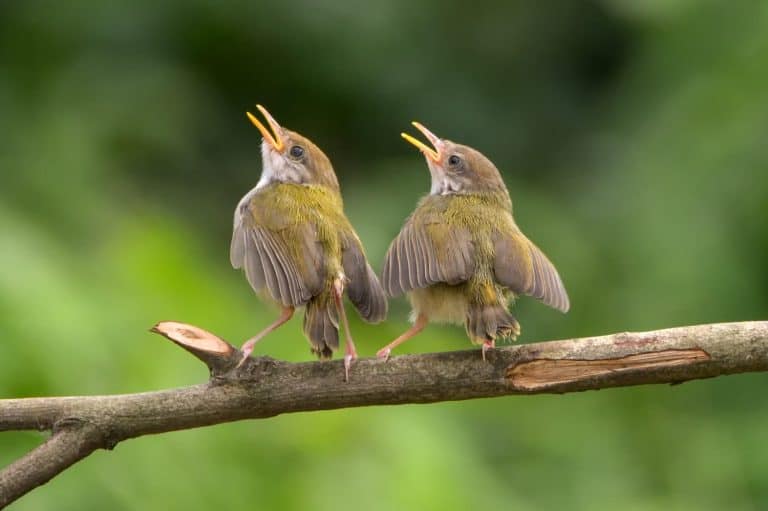
Birds create their own unique forms of music.
©TAUFIK ARDIANSYAH/Shutterstock.com
Bob Mulvihill, Lead Ornithologist at the National Aviary, also explains how music affects birds.
“Birds in zoos and aviaries, or in the home, may sometimes appear to react to music, but those reactions often occur when the music is being played in a way that attempts to mimic or reflect the birds’ own calls,” he says. “In these cases, the reactions of birds might be best described as territorial or even social attraction.”
He adds that some birds may even respond physically to musical rhythms, much like how humans dance.
However, it may not be just about the type of animal. Hiller points out that in Barton’s videos, elephants of different ages preferred different styles of piano music.
“While the young elephants responded to quick jazzy pieces, the older elephants preferred the gentle power of Beethoven!” she says. “In other words, they weren’t just hearing music, but importantly, distinguishing between different kinds of music.”
Is Music Good For Animals?
Music can certainly have positive impacts on animals, depending on the type of animal and the style of music. If music is tailored to an animal’s preferences, it can be extremely beneficial.
“Music is great for the overall well-being of animals when specifically made for them, and can help to reduce their stress and anxiety,” says Brandrup.