
Quick Take
- Scientific research shows that pets improve human health by reducing stress, lowering blood pressure, and boosting emotional well-being.
- The bond between humans and animals is rooted in biology, with interactions triggering hormones linked to attachment and happiness.
- National Pet Month highlights both the benefits of pet ownership and the ongoing need to adopt animals still waiting in shelters.
April is known for its showers, but it’s also a month for pet lovers. Not many people realize that this time of year is dedicated to celebrating the animals who share our homes and our hearts, but it’s actually National Pet Month, observed each April in the United Kingdom and each May in the United States.
National Pet Month was created to honor the joy that pets bring into human lives while also shining a light on the millions of animals still waiting in shelters for a family to call their own. It’s a fantastic time to contemplate the impact that pets have on each and every one of us. In fact, it led us to research and uncover the science behind pets and all of the ways they transform our lives.
Through an expert interview and multiple scientific sources, we’ve discovered how pets are measurably good for us. The bond between humans and their companion animals is one of the most well-researched and consistently positive forces in behavioral and medical science; here’s how deep that bond can be.
Human-Animal Bonds Are Rooted in Our Biology
You already know what it feels like to come home to a wagging tail or a purring cat curling into your lap. But what’s actually happening in your body in those moments?

Looking into your dog’s eyes produces similar hormonal releases as when parents gaze at their infants.
©Mikhail Spaskov/iStock via Getty Images
Dr. Josh Russell, Associate Professor in the Department of Animal Behavior, Ecology, and Conservation and Director of the Anthrozoology graduate program at Canisius University, has spent his career studying exactly these kinds of questions, which is why we decided to interview him for the answers. When it comes to why the bond between people and their pets feels so profound, he points to biology.
“The science behind human-animal bonds has many similarities to what we know about attachment between humans, especially infants and caregivers,” Dr. Russell explains. “Research shows that mutual gaze and touch between humans and their dogs can increase oxytocin and other ‘feel good’ hormones, both in humans and in dogs.”
This bidirectional hormone release between humans and dogs is currently one of the most remarkable findings in anthrozoology. A landmark study published in Science found that when dogs and their owners gazed into each other’s eyes, both species experienced a surge in oxytocin, mirroring what happens between human parents and infants.
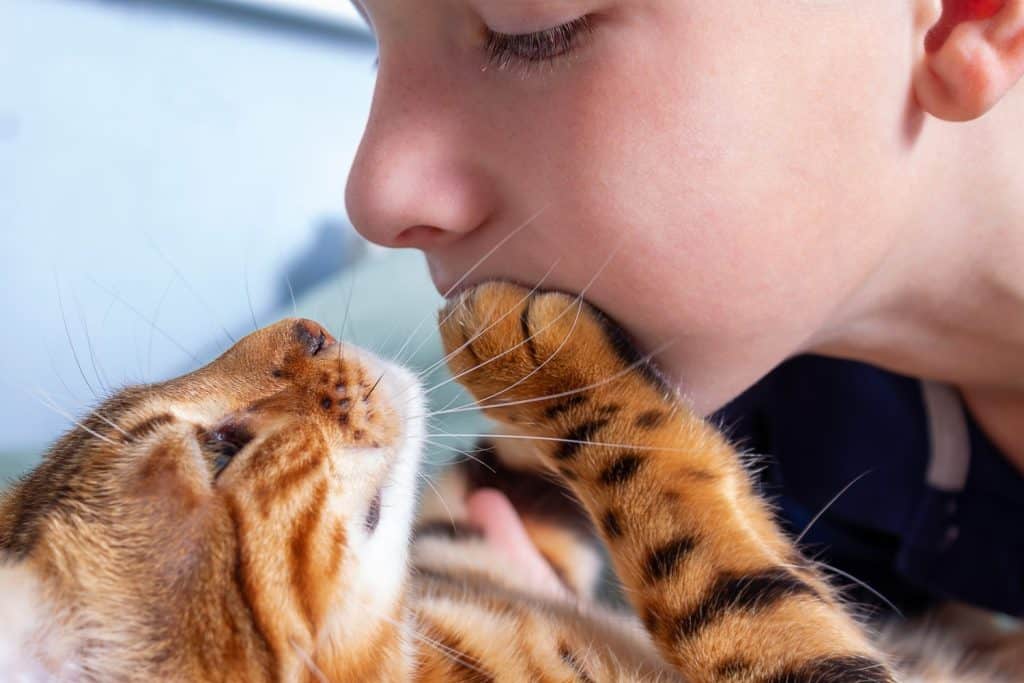
Cats bond with humans as well, but much more selectively than dogs.
©antibydni/Shutterstock.com
And what about cats? Their bonds with humans are equally real, if differently expressed. “Cat-human relationships can have the same impacts, although cats are more selective about who they bond with and what interactions they participate in to feel good,” Dr. Russell notes.
If you’re a cat owner, you absolutely understand this behavior. A cat’s version of affection is always extended on their own terms, and only to the people they have genuinely chosen. Research from Oregon State University confirmed that the majority of cats form secure attachments to their owners, much like human children bond with caregivers, and that this attachment style influences how they explore the world and return to their humans for comfort.
The Physical Benefits of Pet Ownership
The emotional warmth of pet ownership is easy to understand, but many people don’t realize that the physical benefits are also measurable. According to Dr. Russell, “Contact with companion animals can reduce human heart rates, blood pressure, and cortisol levels, indicating a reduction in feelings of stress. Psychologically, this is what people report, too.”

There are many physical benefits of pet ownership, including lower blood pressure and stress responses.
©Harbucks/Shutterstock.com
A scientific statement from the American Heart Association reviewed decades of data on pet ownership and cardiovascular risk, discovering that pet owners, especially dog owners, showed lower resting blood pressure, reduced cholesterol, diminished sympathetic stress responses, and improved survival rates after cardiac events.
The stress-buffering effect of pets goes further, with even more findings in controlled stress tests such as cold pressor tasks and mental arithmetic challenges. Pet owners showed smaller blood pressure spikes and faster cardiovascular recovery than non-owners. And, finally, research published in PMC found that the calming presence of a pet actually outperformed the presence of a close friend or spouse in reducing stress responses, likely due to the non-judgmental comfort that animals offer.
Our Mental Health and Our Pets
Beyond the physical, the psychological benefits of companion animal ownership are also well-documented, and they may be the most significant benefits we consciously recognize.
“Animals can protect people from feelings of stress, help regulate emotions, give a sense of purpose and meaning, and build confidence,” Dr. Russell tells us. “Companion animals can also help people engage in more social interaction and physical exercise.”

Pets help our mental health as well, especially when it comes to walking our dogs.
©Inside Creative House/Shutterstock.com
For concrete examples, a 2023 survey of more than 2,200 adults found that 86% of pet owners, spread equally among dog and cat owners, reported positive mental health effects from their pets, including reduced stress and decreased feelings of loneliness. The NIH has noted that interacting with animals reliably decreases cortisol and increases our sense of social support, overall mood, and even our feelings of belonging.
For anyone managing long-term mental health conditions, pets can play a more stabilizing role than one might expect. Pets are a consistent source of grounding because of their needs; the structure built around their care, alongside their unconditional responsiveness, can be an anchor for people navigating both temporary and serious mental illnesses.
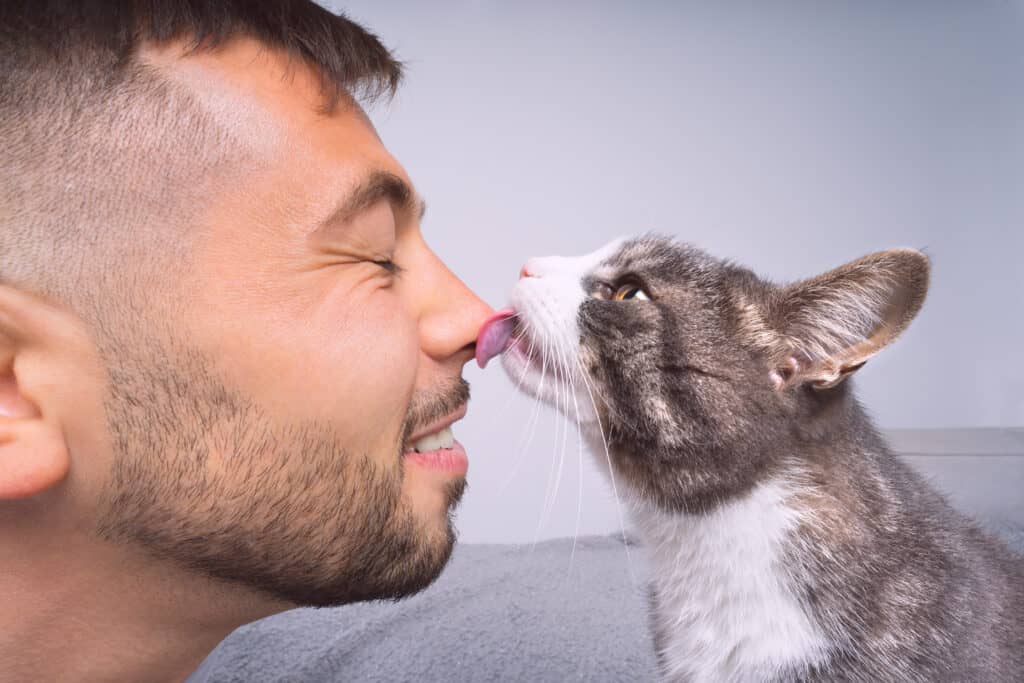
Mental health can improve through pet ownership, as owning a pet requires a level of structured, grounded routine.
©iStock.com/Daria Kulkova
A qualitative study published in PMC that interviewed people recovering from mental illness found that pets provided structure, served as emotional regulators, offered sources of meaning, and even reflected their owners’ feelings. There’s also growing evidence that pets reduce loneliness, which is becoming one of the most pervasive and under-addressed public health crises of our time, particularly in our post COVID-19 world.
An analysis of pet ownership and physical activity found that pet owners showed far better outcomes across measures of loneliness, social support, life satisfaction, and overall quality of life compared to non-owners. Dog owners in particular reported more neighborhood interactions, more social conversations, and stronger community ties, all thanks to their daily dog walks.
Pets and How They Influence Children Over Time
The benefits of human-animal bonds have the potential to extend across our lifespans, and research suggests that the foundation for these relationships is often laid in childhood. In the aforementioned NIH research, scientists have been studying how animals interact with children with autism spectrum disorder, ADD, ADHD, and other developmental differences, and this study wasn’t limited to just dogs and cats.
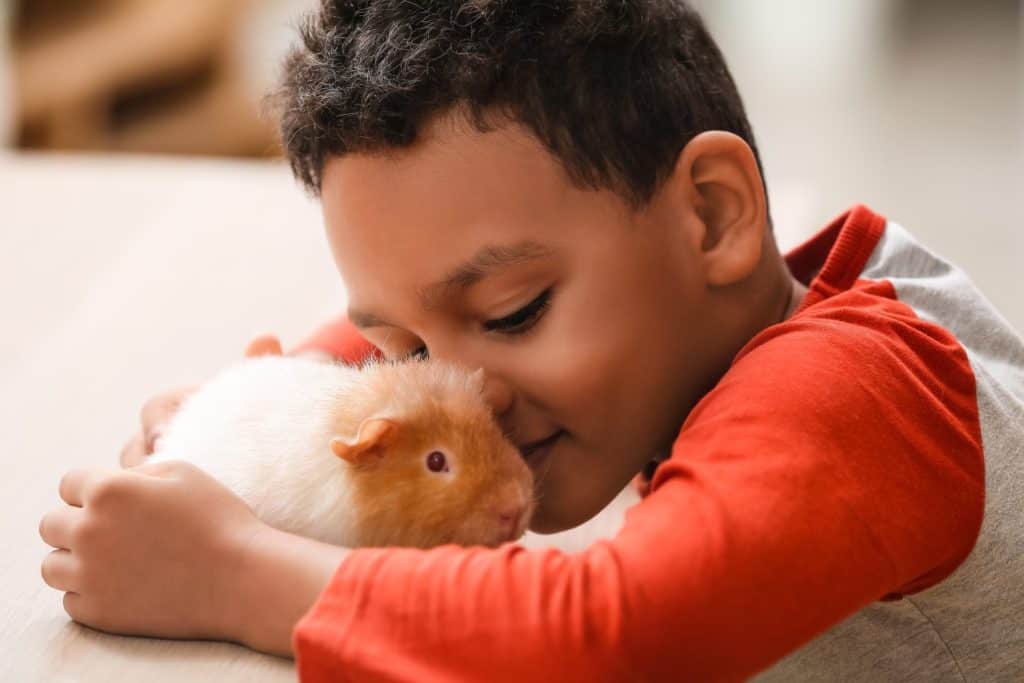
Pets of all types can influence our capacity for care, especially if we take care of them as children.
©Pixel-Shot/Shutterstock.com
In one study, children with autism who spent just ten minutes in supervised play with guinea pigs showed measurably lower anxiety and increased social engagement with their peers. Researchers suggested that the animals offered children the same acceptance as what was discovered in adult-aged research, which is something children in these situations can find harder to feel in purely human interactions.
The study also noted that, for children in general, growing up with pets has been associated with stronger immune system development—including lower rates of allergies and asthma—as well as the early development of empathy and responsibility. If we have pets as children, our entire capacity for care can be influenced by them, which is a beautiful bond we form so young.
Why Adoption Is Integral to National Pet Month
National Pet Month exists to celebrate the pets already in our lives, as well as the pets in need of loving, stable homes. The current numbers from Shelter Animals Count show approximately 5.8 million dogs and cats entering shelters and rescue organizations across the United States in 2025 alone. That same year, 4.2 million were adopted, which is a 1% increase from 2024. However, thousands of animals remain in shelters or rescues just waiting for a home, and often longer than in previous years, particularly when it comes to larger or older dogs.
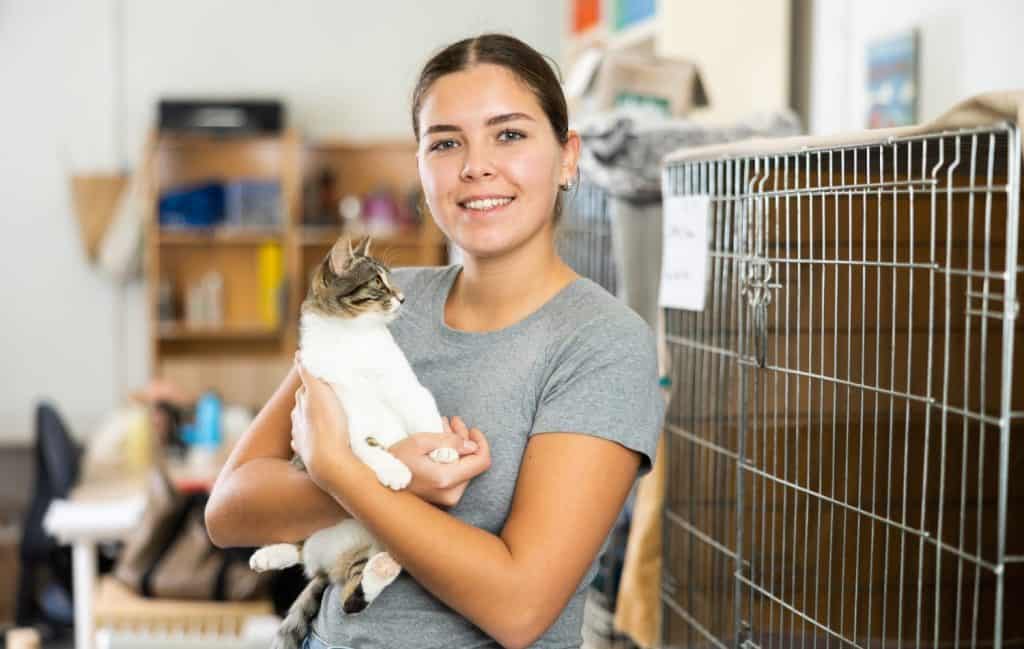
While adoption rates have increased in recent years, there are still millions of shelter pets in need across the United States.
©BearFotos/Shutterstock.com
The ASPCA reports that euthanasia rates have dropped from 13% in 2019 to 8% in 2024, which is a great improvement. It’s driven primarily by public awareness campaigns and expanded foster networks, with a growing cultural embrace of rescue pets helping out, too. Still, shelters across the country face the same issues they’ve always had: capacity pressures and staffing shortages are common, and ongoing barriers to adoption, including a shortage of pet-friendly housing and access to affordable veterinary care, remain true obstacles for any well-intended adopter.
The good news? Every adoption helps, no matter how small or if you wish you could do more. When you choose to adopt rather than shop for a new family member, you give one animal a second chance, as well as free up shelter resources for the next pet in need. Foster-based rescues, which saw the highest proportion of adoptions among organization types in 2025, are also always in need of temporary homes. This is a lower-commitment way to make a real difference while you decide whether permanent pet ownership is right for you.
Celebrate Your Pets This Month and All Days of the Year
National Pet Month is a fantastic reason to prioritize your animals. It’s the time to take your dog on a longer walk, to let your cat nap in the sun, to snap a few extra photos and share them with the people in your life who love animals as much as you do. It may even be the right time to bring home a new pet, one who very much needs your love and care.
If you’ve been thinking about adopting, this is the month to visit your local shelter; if you already have pets, try to give them a little extra time and attention. And, if you want to support a broader mission of animal welfare, consider donating to your local pet shelters or helping them out however you can.
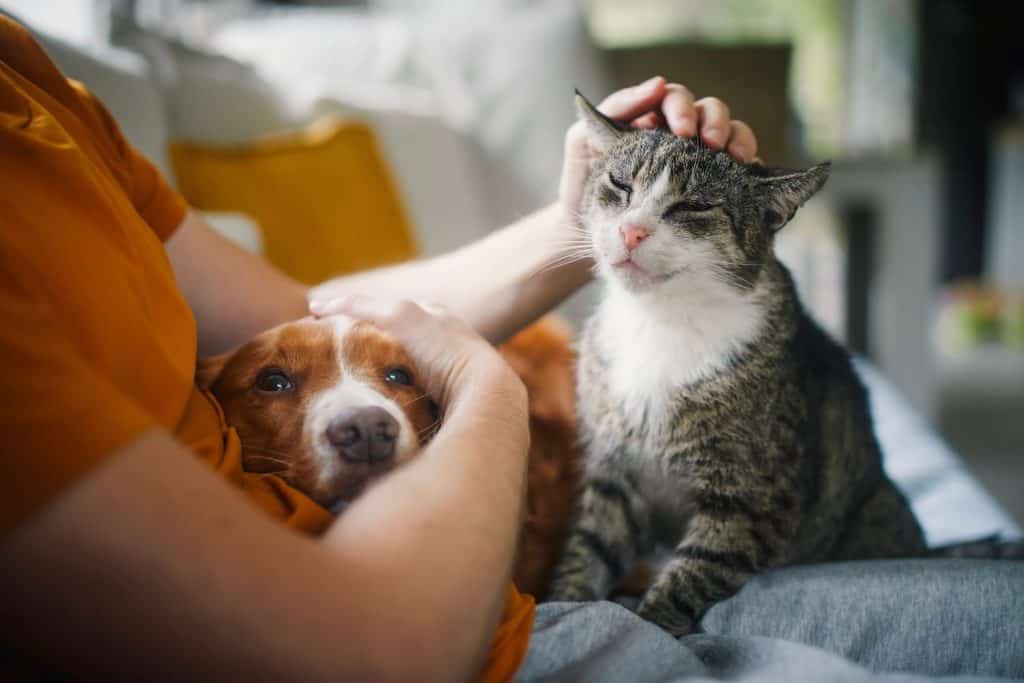
Whether it be physical or mental, pets have the capacity to change our lives in so many positive ways.
©Jaromir Chalabala/Shutterstock.com
No matter the species, there’s no doubt that pets transform our lives. This April is the perfect time to celebrate that. And, if you can, consider giving your love and care to a pet that’s still waiting to change your life for the better.