
Quick Take
- Sharks played with toys far more after eating than before, and that timing detail changes everything researchers thought about why they were doing it. See post-feeding behavior →
- Scientists removed the word 'play' from the final paper, and their reason for doing so had nothing to do with the behavior being boring. It reveals just how strict the rules of animal cognition really are. Explore the play debate →
- Most people believe sharks are drawn to the color red, but this study found they weren't, and the real explanation challenges how we picture shark perception entirely. Discover the color findings →
- One shark developed such a strong attachment to a specific toy that its behavior crossed into something researchers didn't expect to see in a fish. Meet the toy-obsessed shark →
Most people see sharks as mindless predators driven entirely by hunger and instinct. However, a surprising new study published in Applied Animal Behaviour Science suggests there might be more to them than meets the eye.
While testing enrichment toys at Southern California’s Cabrillo Marine Aquarium, researchers observed sharks (and a skate) behaving in ways that resembled play. But can sharks and rays engage in play?
To find out, biologists Autumn Smith and Patrick Sun introduced a variety of floating and sinking toys to 13 captive animals. The study included four species: horn sharks, swell sharks, leopard sharks, and a California skate. Although the researchers didn’t officially label these actions as “play,” the animals repeatedly and voluntarily interacted with the toys. These findings are forcing scientists to rethink what they know about shark intelligence, curiosity, and emotional lives.
Why Give Sharks Toys?
The project began with an observation by lead researcher Autumn Smith. She noticed that many aquarium sharks and rays spent long periods resting motionless on the bottom of their tanks. Suspecting the animals might be understimulated or bored, she suggested an enrichment program using toys and puzzles.

Even larger species like bull sharks are typically calm and relaxed, even around human divers.
©wildestanimal/Shutterstock.com
While enrichment programs and toys for captive mammals and birds are quite common, fish have traditionally been left out because people often assumed they were not intelligent or cognitively advanced enough to benefit from such activities.
Smith and her colleague wondered if these assumptions were actually valid and wanted to see whether sharks and rays might benefit from mental stimulation. They launched a 12-week study at Cabrillo Marine Aquarium in California. Once a week, they tossed popular pool toys — including plastic squids, colored rings, and sinking tubes — into the shared exhibit. Researchers placed the objects in the tank one hour before feeding and removed them during mealtime. They returned the toys 30 minutes after feeding to observe and compare the animals’ behavior.
From Cautious Curiosity to Toy Obsession
At first, the sharks mostly ignored the new toys. But over the weeks, their hesitation turned into curiosity, and they started playing with them in clever ways. They began swimming through hoops, carrying objects on their noses, flicking them with their tails, and gently biting or bumping them. Some sharks even rushed toward a plastic squid and veered away at the last second, mimicking their natural hunting behavior in the wild.
The tank’s lone California skate even joined in, developing its own style. It would pick up an orange ring in its mouth and move it around with its tongue.
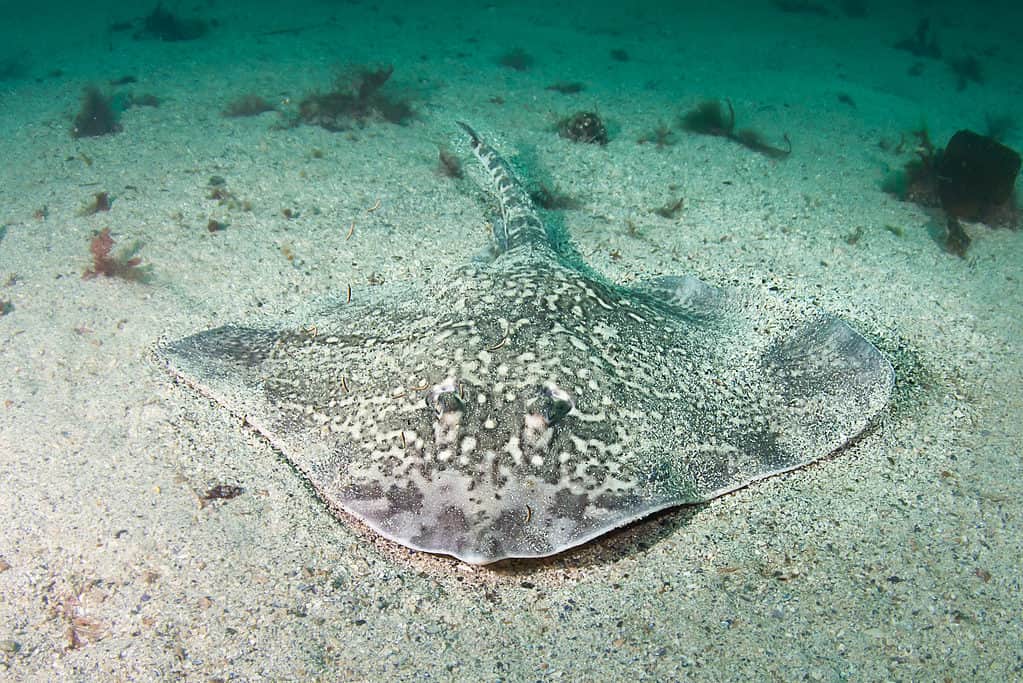
Skates look very similar to rays.
©Joern_k/Shutterstock.com
Surprisingly, the animals played with the toys much more after they were fed than before. Because the animals had already eaten, researchers concluded that this behavior was unlikely to be motivated by hunger or a search for food; instead, the animals appeared to be playing for enjoyment.
The various sharks and rays also demonstrated distinct personalities in their play. Some were highly energetic and very interested in the toys, while others didn’t seem to care much at all. A few even appeared possessive, hovering over their favorite toys as if they were guarding them.
Leopard sharks were by far the most enthusiastic, interacting with the toys as many as 120 times per hour. Meanwhile, a horn shark named Bud became particularly attached to the orange hoops and would often nap directly on top of them.
The Shark Color Test
The animals also showed a surprisingly strong preference for specific colors during the study. They paid far more attention to yellow and orange toys than to blue, green, or red ones. This discovery directly challenges the widespread belief that sharks are especially attracted to the color red.
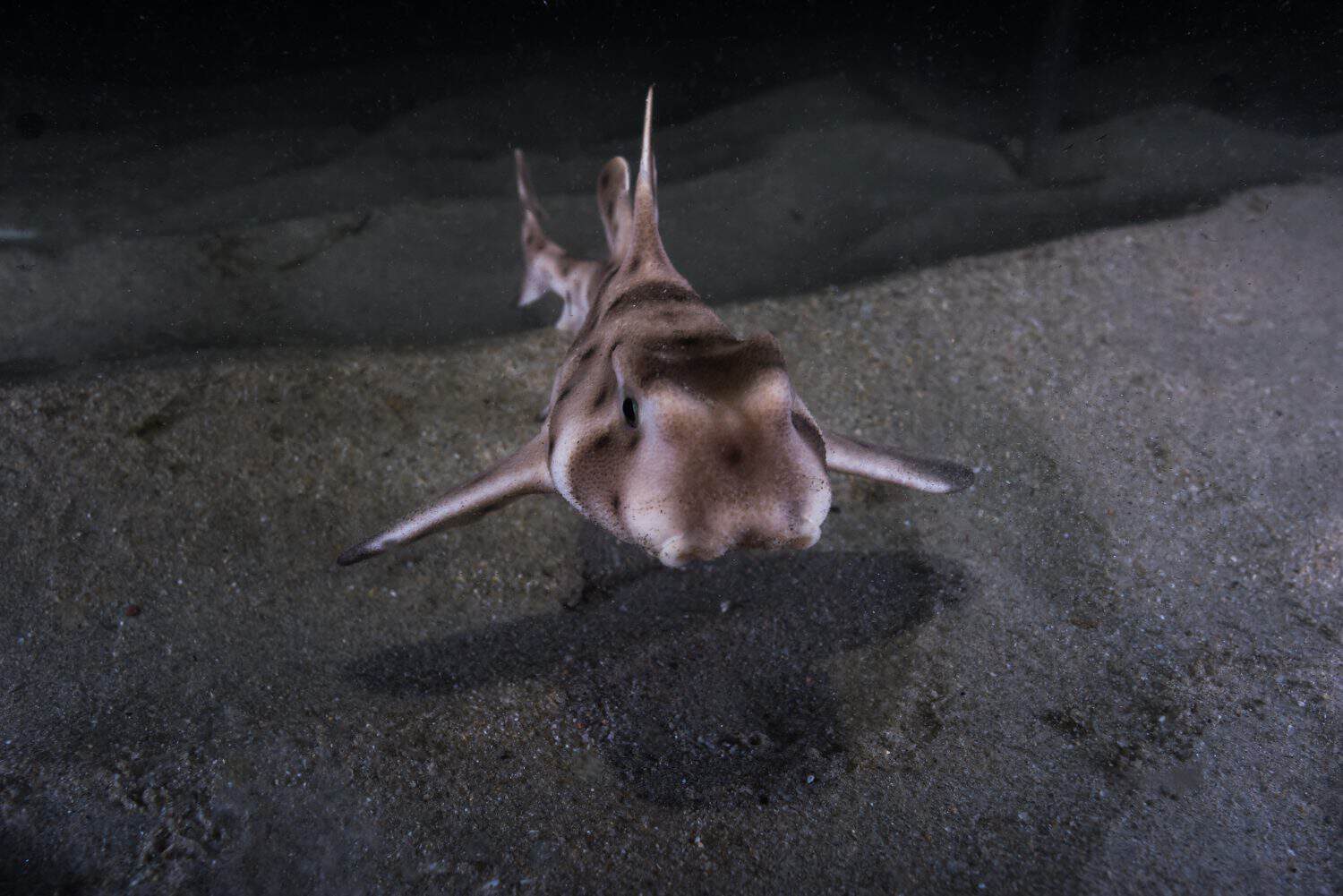
Horn sharks are slower swimmers and spend much of their time hiding under rocks or in crevices.
©Kirk Wester/Shutterstock.com
According to Smith, this preference likely stems from sharks’ vision. Bright, high-contrast colors like yellow and orange stand out more against the aquarium background, making them easier for the animals to notice and interact with.
Is It Really Play?
Despite the entertaining footage, the researchers were careful not to officially call this behavior “play.” In fact, journal reviewers requested that the researchers remove the word from the final peer-reviewed paper.
Scientists use strict criteria to identify play behavior. To qualify, an action must meet specific requirements:
- It must be distinct from normal survival behaviors.
- It must occur in a calm, stress-free environment.
- It must be linked to an internal reward rather than an obvious practical purpose.
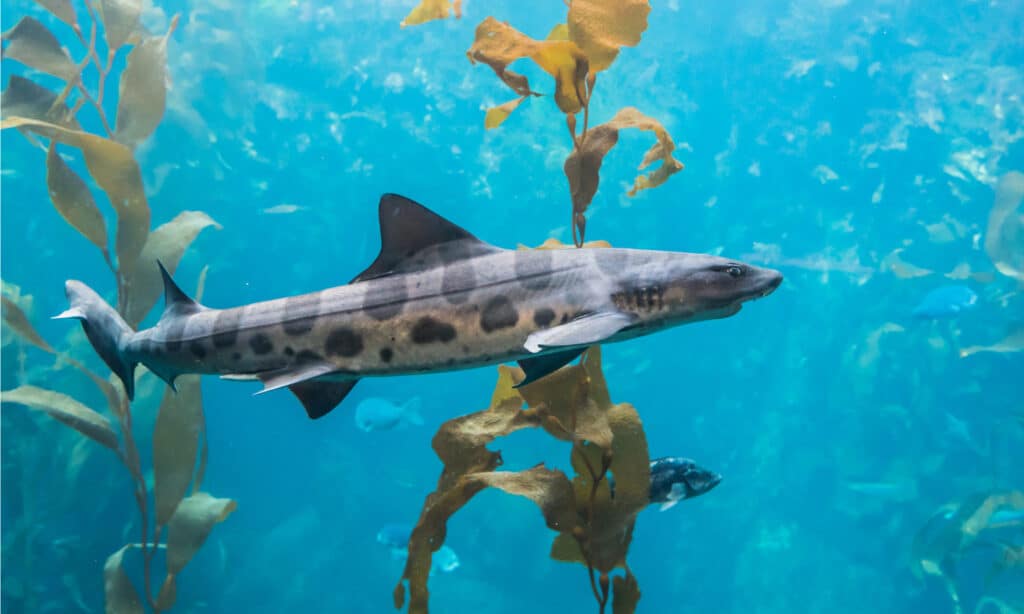
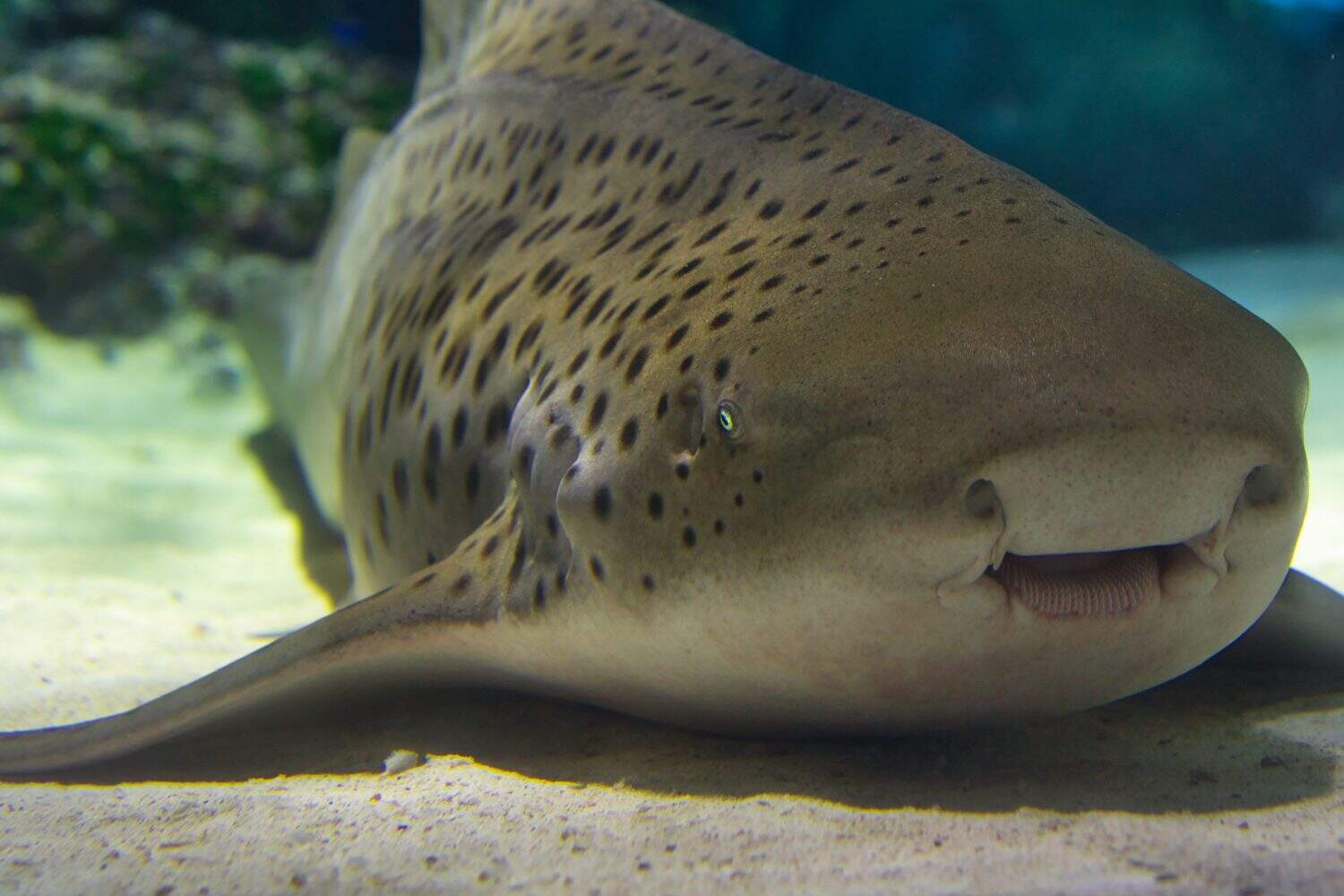
Leopard sharks tend to spend their time near the ocean floor in estuaries and bays.
©David A Litman/Shutterstock.com
While Smith and Sun argue that the sharks’ calm, repetitive games come remarkably close to meeting these standards, other experts aren’t convinced. Some animal behavior experts suggest that the sharks’ behavior was closer to exploration than play. They point out that the animals’ interest gradually declined over time, which could indicate that the sharks were simply investigating new objects and eventually lost interest once they realized the toys were not food.
The Big Picture
Whether this behavior is officially called “play” or not, the study highlights something many scientists once overlooked: sharks and rays are curious animals and may benefit from mental stimulation.
The findings also raise intriguing questions about sharks’ lives in the wild. Since sharks can sometimes go days between meals, researchers wonder how wild sharks occupy their free time and whether these playful behaviors help keep their brains active during these periods.
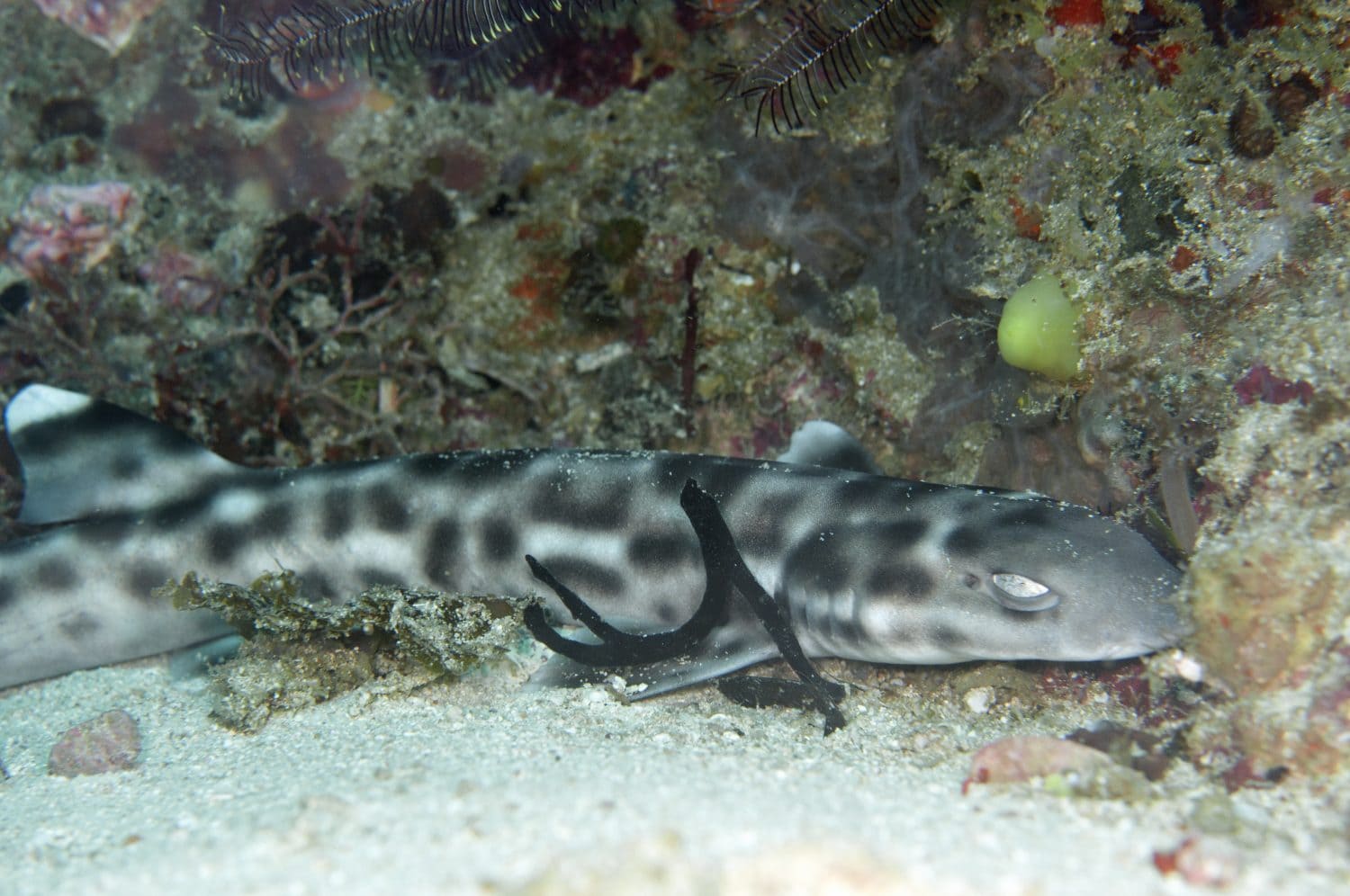
Swell sharks swallow sea water when threatened, making their bodies literally swell to a much larger size.
©Jung Hsuan/Shutterstock.com
For aquariums, the implications are immediate. The study encourages aquariums and similar facilities to focus on species-specific enrichment to improve animal welfare and provide captive fish with a more stimulating environment. In fact, Sun is already working with engineers at Biola University to develop new toys tailored to different marine species.
Ultimately, this research shows that sharks are far more than just instinct-driven predators. Whether they are truly playing or simply exploring, these animals seem to have a richer mental life than scientists once imagined.