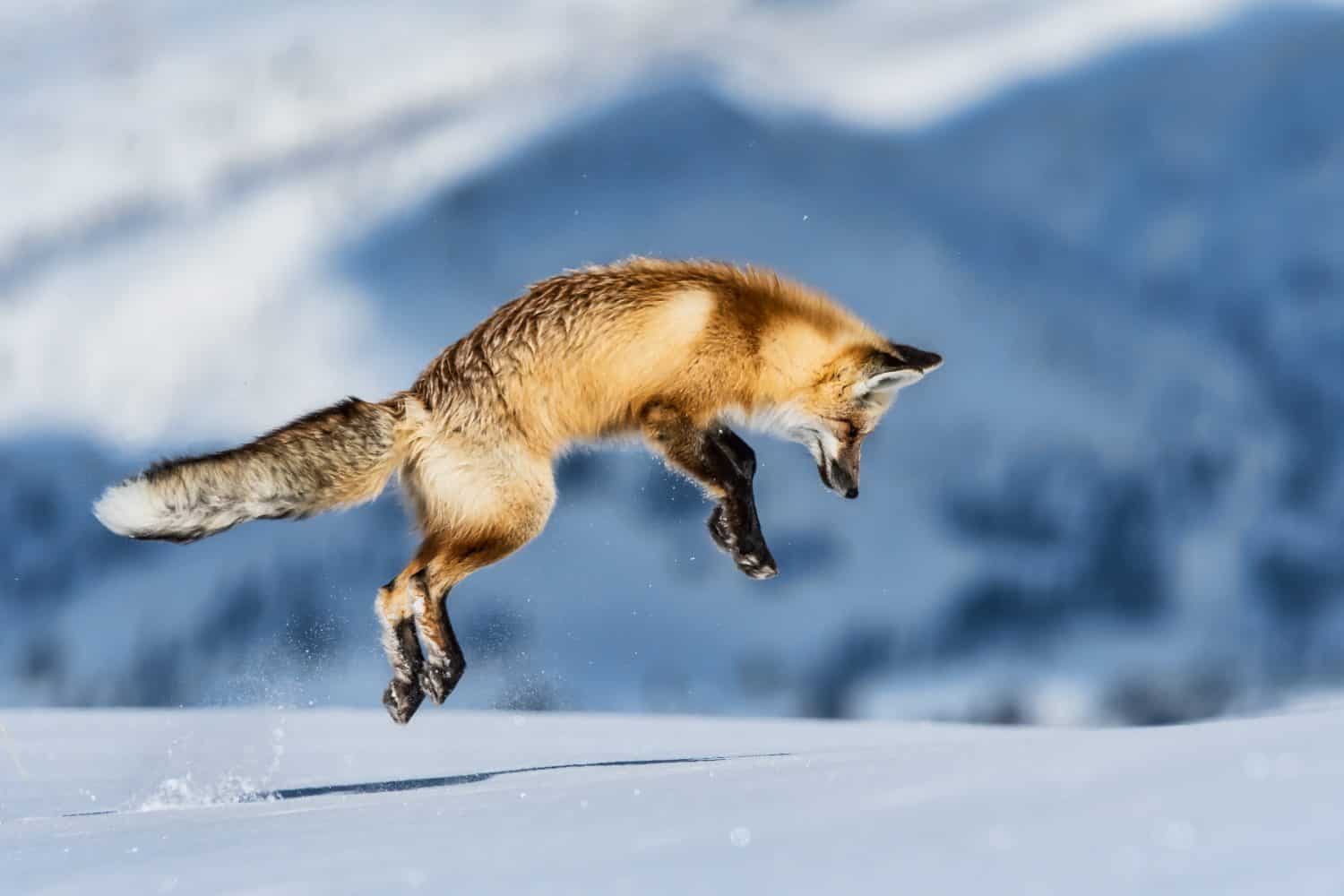

As one of the northernmost states, Maine experiences some of the harshest winters in the country. Northern Maine sees temperatures that routinely dip below freezing at night, while southern Maine typically experiences daytime highs in the low 30s. This isn’t usually a problem for wildlife; thankfully, many of them have adapted to Northern life and know how to survive its most brutal season. Some of Maine’s animals can even slow their metabolism, an evolutionary tactic that far exceeds most survival skills. Here are some incredible ways Maine’s animals get through the winter.
Brutal Winters Are Tough on Maine’s Wildlife
An article published by News Center Maine in 2024 painted a dreary picture of life for Maine’s local wildlife. While some fare just fine, others need a little help to make it through the coldest days. The article shared stories of animals rescued by Wildlife Miracles Rehab, a local rescue group that has seen firsthand the effects of freezing temperatures. Among the animals rescued were a fatigued bat struggling to find food, an opossum with frostbite, and a bobcat that was frozen to the railroad tracks. While some cases are unusual, frostbite and hunting fatigue are two common problems that Maine’s animals face during the winter.
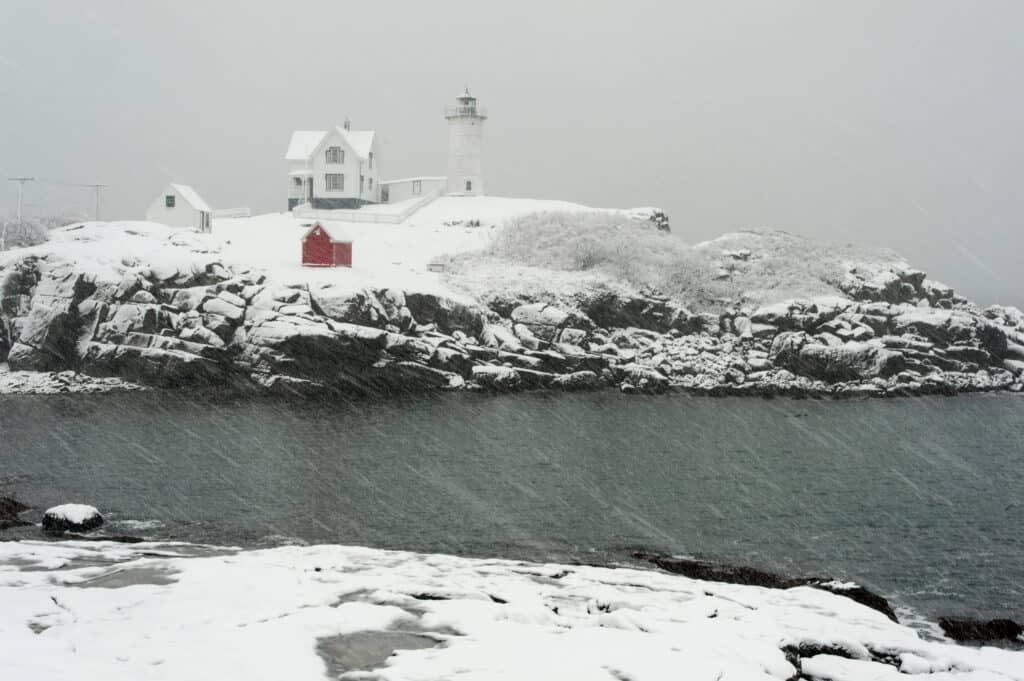
Maine experiences some of the harshest winters in the country.
©Allan Wood Photography/Shutterstock.com
During unseasonably cold years, some of Maine’s most skilled animals struggle against frigid temperatures. However, many have adapted to the challenge and even thrive during the winter months. Hibernation accounts for some animal survivalists, but some have learned to use winter to their advantage.
True Hibernators
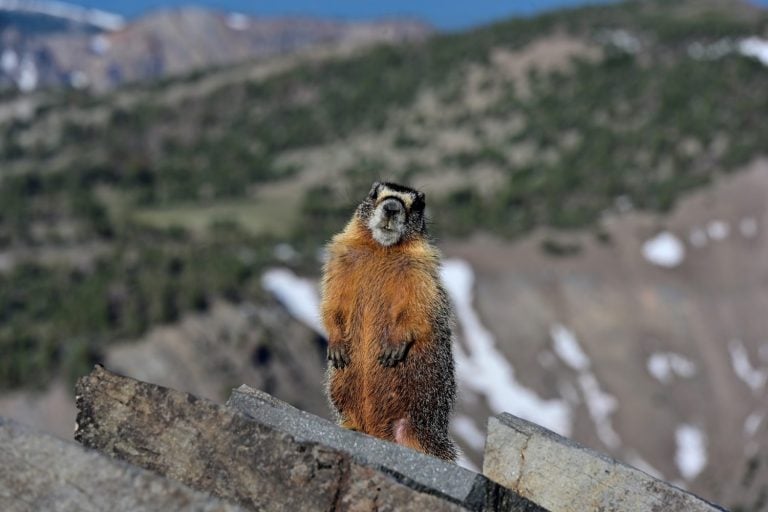
For specific animals, true hibernation is the only way to survive winter. Woodchucks, bats, and meadow jumping mice slow their heart rates and metabolism down, allowing their bodies to enter a dormant state. During this time, they don’t need to eat, since their slowed metabolism helps them reserve energy. Every animal den looks different, but most animals in Maine resort to burrowing in the ground to stay warm.
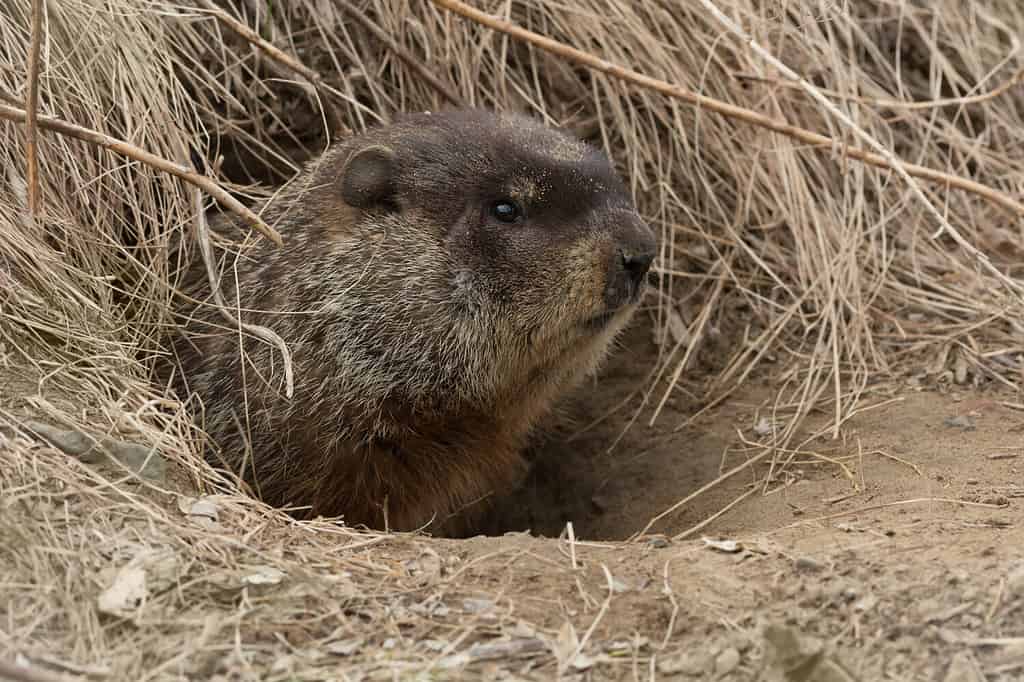
Woodchucks burrow into the ground to build insulated dens.
©Paul Reeves Photography/Shutterstock.com
Woodchucks build especially impressive burrows, but only after they’ve consumed enough calories to create a proper fat layer. This insulates them underground, helping keep their body heat from escaping. Once they’ve tunneled underground, they use fallen leaves, moss, and other underbrush to pad their den. This mimics the behavior of mice, which also remain tucked away in underground burrows until spring arrives. From the outside, you’d never be able to tell where these burrows are. This is good news for Maine’s hibernating animals, as their dens protect them from predators.
Torpor
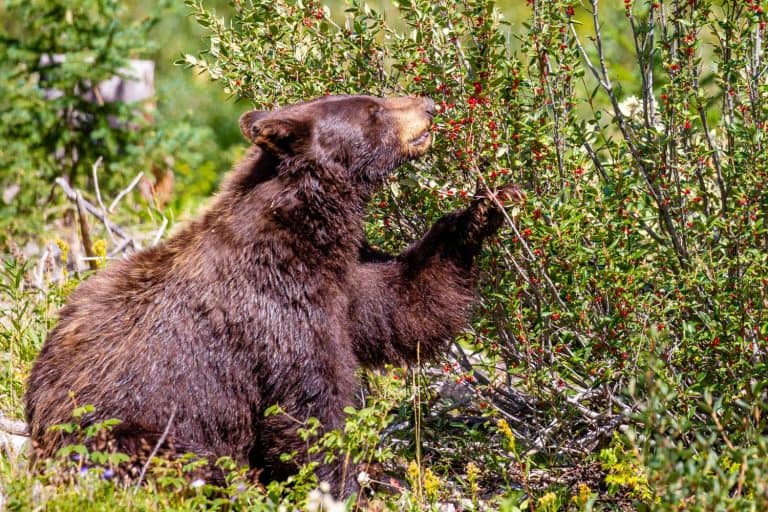
Some animals enter a state of lesser hibernation known as torpor. While not technically complete hibernation, it entails the same process. Rather than significantly slowing their metabolism, bears, skunks, and raccoons reduce their body functions just enough to conserve energy. Black bears, in particular, enter a state of torpor that is close to true hibernation. During this time, their metabolism drops significantly, and they remain mostly inactive, but can be awakened more easily than true hibernators. This allows them to leave their dens, if necessary, while also giving them the freedom to emerge at the first sign of warmer temperatures.

Black bears can still be awoken from their hibernating state.
©Jukka Jantunen/Shutterstock.com
The winter temperature also dictates this state, and animals begin storing calories at the first sign of crisp weather. Animals in torpor typically move around inside their dens, and black bears are known to shift to avoid sores or stiffness. Similar to animals in hibernation, animals entering torpor pad their winter dens with whatever they can use as insulation. Rather than burrowing underground, animals in torpor shelter in caves, hollowed-out logs, or deep tree roots.
Cold-Blooded Animals
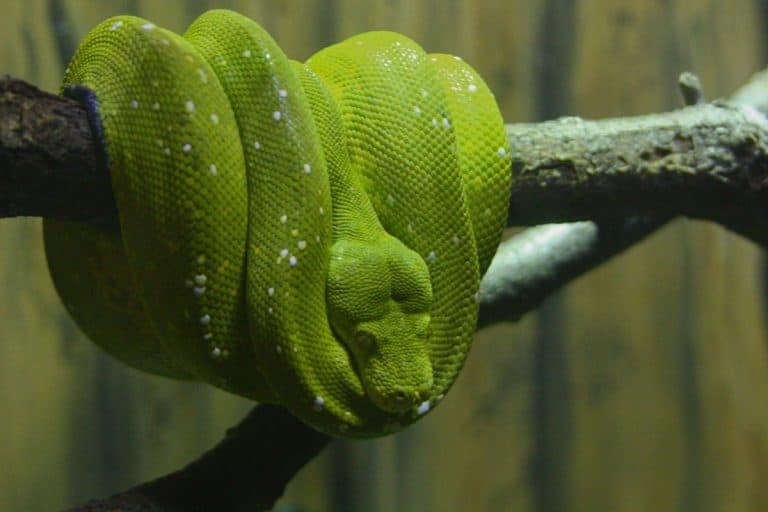
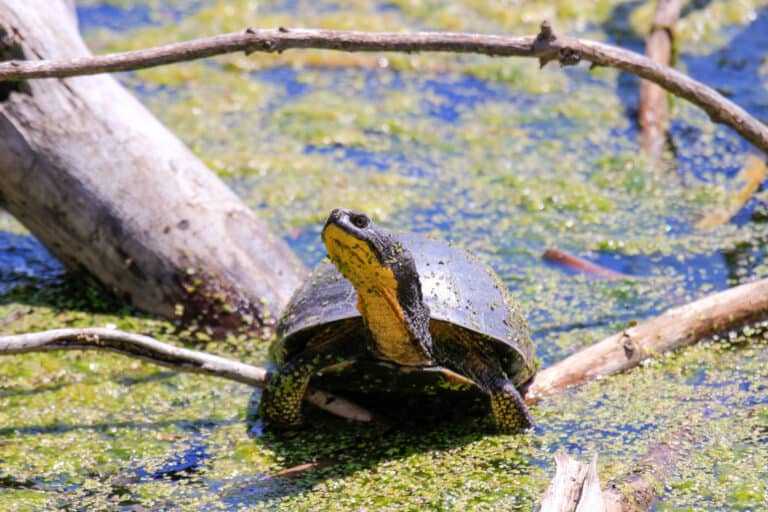
Maine’s snakes, turtles, frogs, and salamanders face a monumental challenge when it comes to winter. As cold-blooded animals, they rely on heat from the sun to regulate their body temperatures. This heat is scarce in winter, and some of them enter a state of dormancy called brumation. This process is specific to snakes and turtles, which slow their metabolism down enough to rest during the winter months. Snakes form group huddles called hibernaculums, which retain body heat and help the species survive freezing temperatures. Maine’s freshwater turtles typically burrow under leaf piles or other underbrush, remaining dormant until they emerge following the spring thaw.
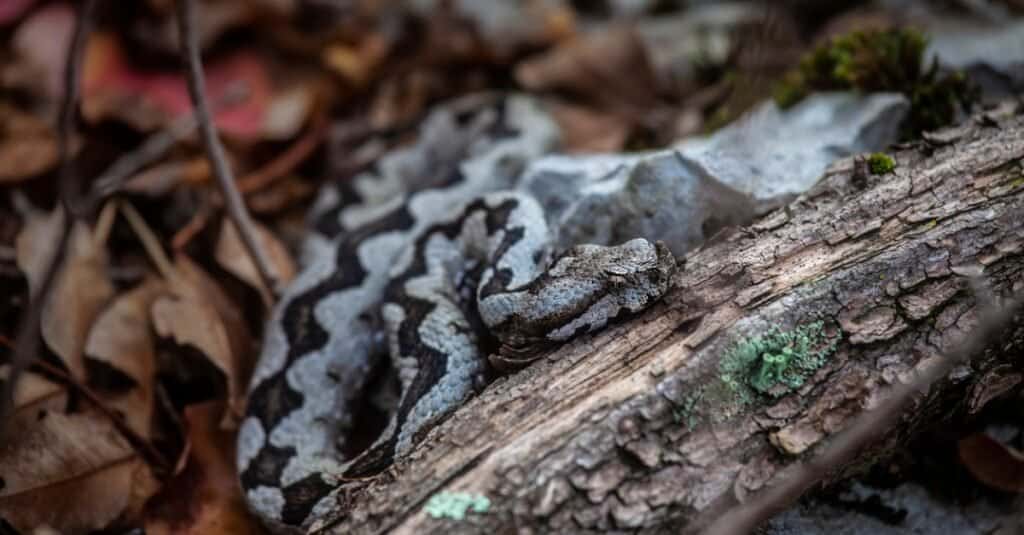
Snakes huddle together for warmth during brumation.
©iStock.com/premat
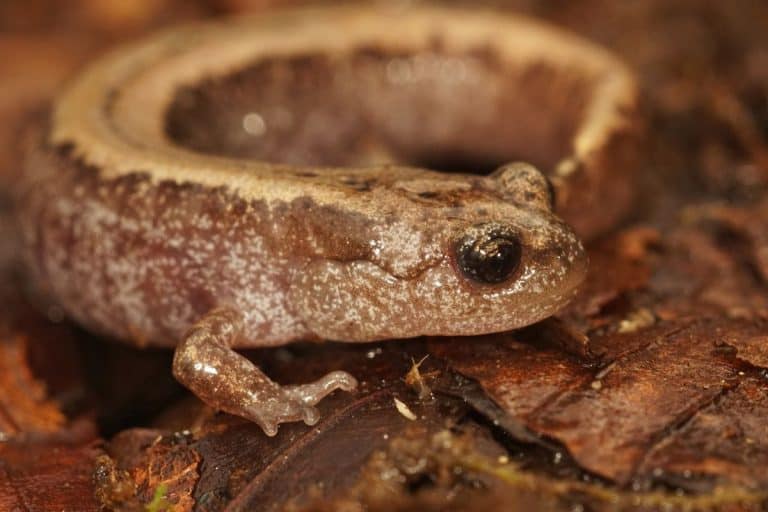
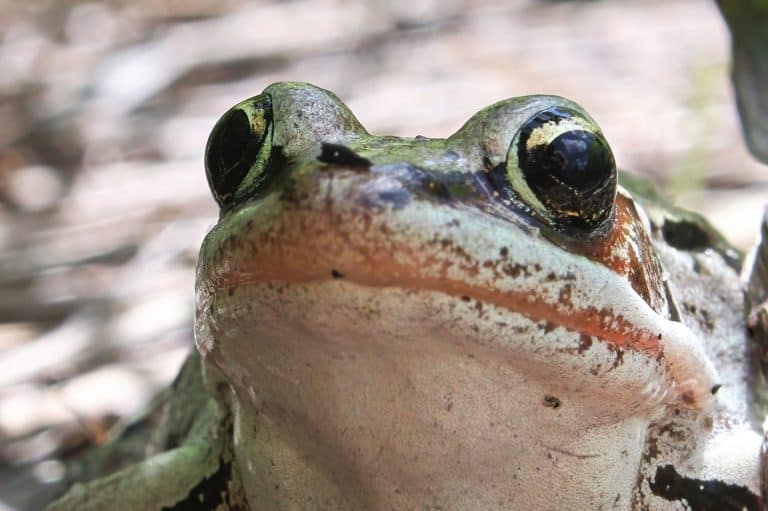
Frogs and salamanders survive winter by entering a dormant phase, such as hibernation or brumation, depending on the species. During this state, they’re more or less in suspended animation. Many of Maine’s frogs remain in the ponds or lakes they inhabit, slowing down as the water freezes. Salamanders may burrow beneath the frost line, creating underground dens that insulate them from the cold. As temperatures warm, frogs become animated once again, and salamanders emerge from their tunnels.
Burrowers and Shelter-Builders
We already know that mice burrow under the snow for shelter, but some animals create their own winter homes. Beavers are an excellent example of how adaptive rodents can be. When they’re not damming up water flows during the winter, they build lodges that shelter them from the elements. These are well-insulated, and inside, beavers store sticks to eat throughout the winter. Lodges are made of mud, branches, and logs, all of which are procured by beavers before the first snow. The design is intricate, featuring a hole at the top for air flow and an underwater entrance that’s practically unreachable by predators.
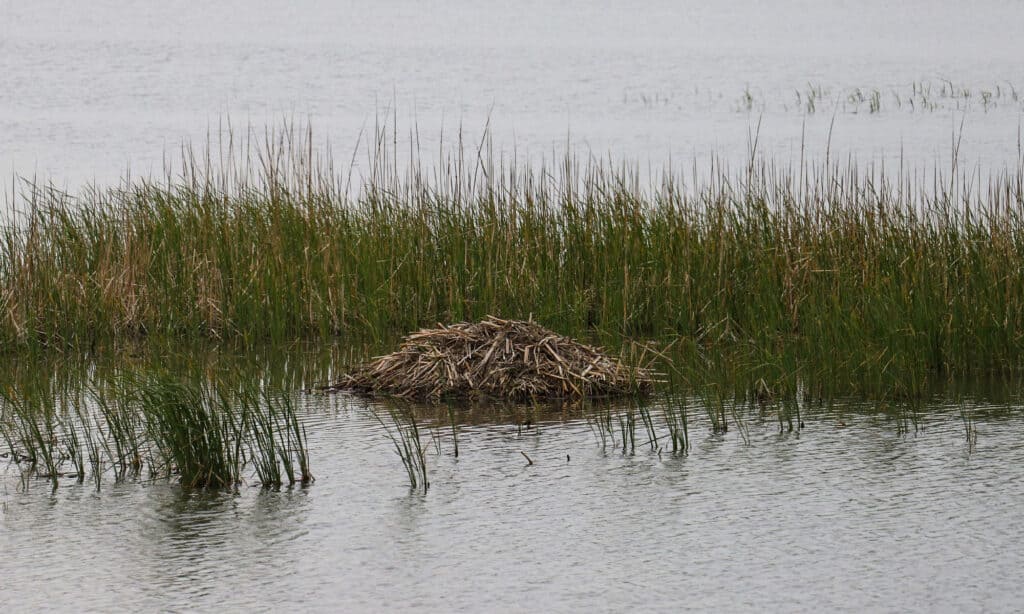
A beaver’s lodge is well-protected in the winter from predators.
©iStock.com/Nancy Strohm
The ruffed grouse is another winter-hardy animal that uses snow and ice to its advantage. To evade predators, the ruffed grouse will dive into nearby snowbanks, using the snow itself as insulation. The velocity at which they hit the snow, combined with the angle, allows them to burrow up to 20 feet from the opening. Deep inside the snowbank, the ruffed grouse stays warm while remaining hidden from predators.
Those That Brave the Snow
A handful of unique animals are so well acclimated to Maine’s winters that they don’t need shelter or hibernation. One of these is the Canada lynx, a big cat that’s built for winter weather. The lynx is no stranger to snow or freezing temperatures and has the fur, predatory instincts, and paws to back it up. A lynx’s coat is thick, protecting it from freezing temperatures and helping keep snow and ice from penetrating its layers. Its feet are snowshoe-shaped, which allows it to traverse heavy snow.
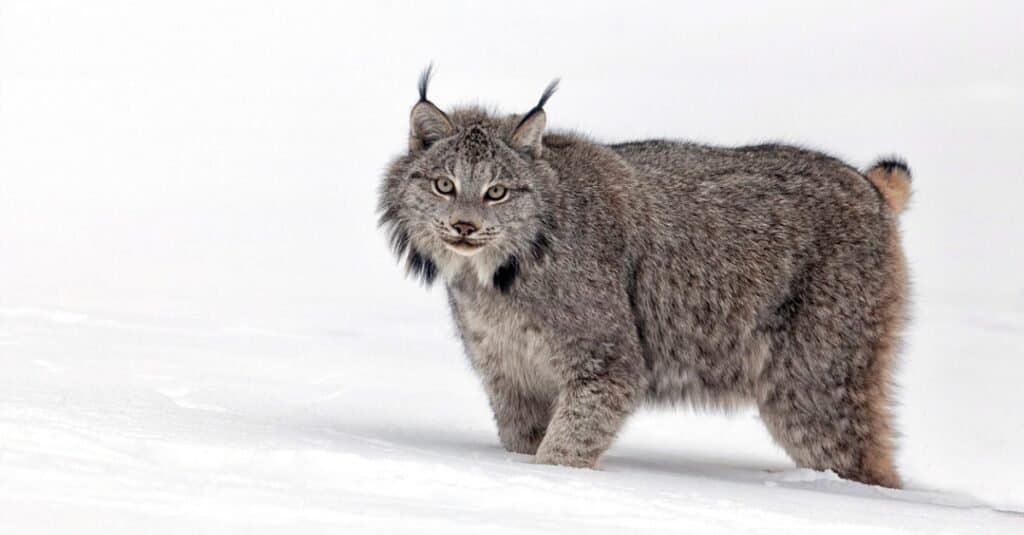
Lynx have exceptional instincts for detecting prey.
©iStock.com/Lynn_Bystrom
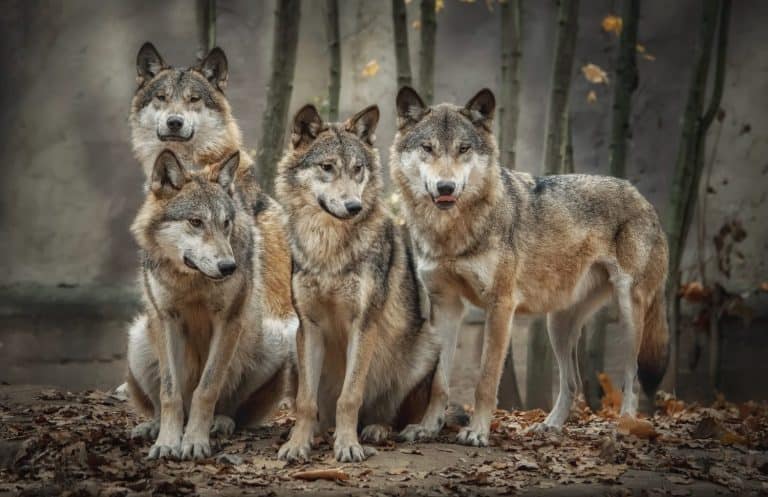
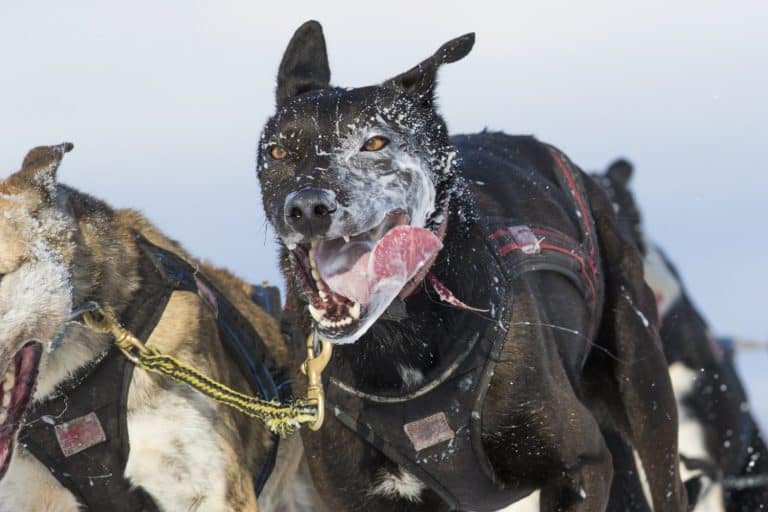
Coyotes are another of Maine’s animals that brave the cold and are well-suited to do so. Their coarse coats keep moisture out as well as insulate their bodies. They also grow thicker coats in the winter, which insulate them enough to withstand frigid nights. They retreat to dens to nest, which are typically found in rocky crevices, hollow trees, or empty caves. While coyotes are hunting, their prey—foxes, moose, and deer—are also out braving the cold. Each of these animals grows thick fur during the winter, allowing them to survive Maine’s harsh temperatures. Foxes borrow in dens similar to other small mammals, while moose and deer often take shelter in underbrush or dense foliage.
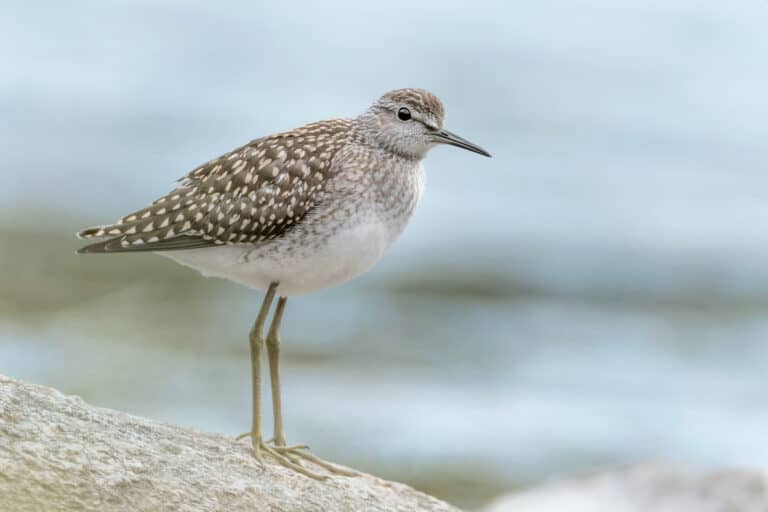
Another group of animals that remain active during the winter is Maine’s birds. Songbirds, such as chickadees, can enter a state of regulated hypothermia at night. This is particularly helpful during snowstorms or frigid nights, when temperatures drop below freezing. Maine’s seabirds are also active and have a circulatory system that keeps blood flowing to their lower extremities. This helps regulate their body temperature, which keeps them warm in the winter.