
Quick Take
- Golden sweepers produce light by using proteins and enzymes taken directly from the bioluminescent prey they consume.
- Scientists confirmed through genome sequencing that these fish lack the genes needed to create their own light-producing enzyme.
- This rare strategy, called kleptoproteinism, shows that animals can acquire important traits through diet rather than genetics.
A new genome sequencing study has revealed valuable information about how the golden sweeper fish produces light. Their body cannot make the specific enzyme needed to produce illumination. Instead, it relies on ‘stolen’ enzymes from its prey in a rare strategy called kleptoproteinism. We explain how that works and why it matters so much.
Why Do Golden Sweepers Need to Glow?
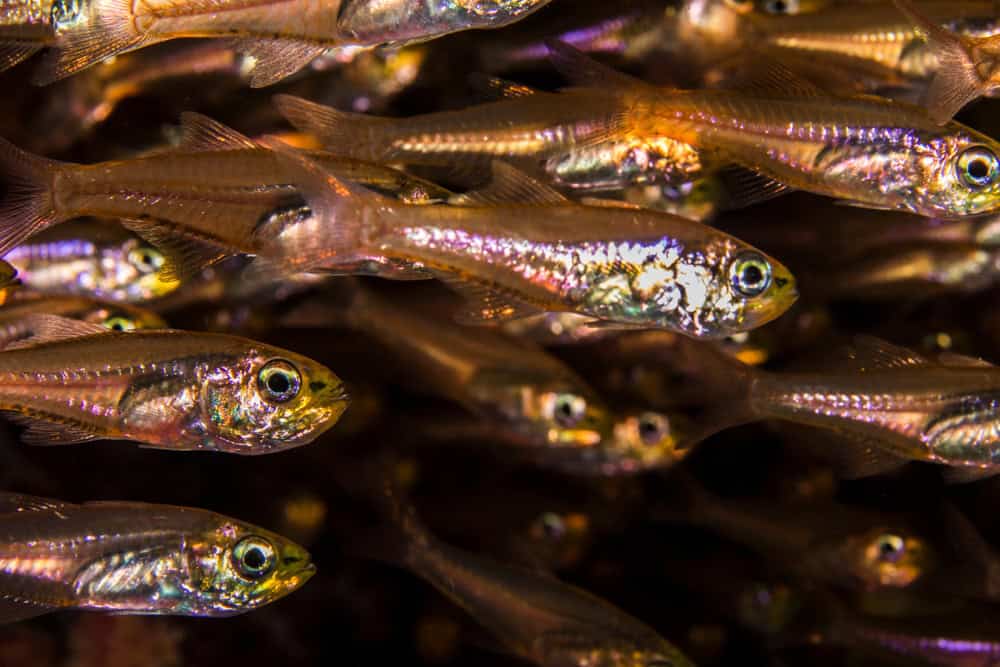
Golden sweepers (Parapriacanthus ransonneti) are also called golden bullseyes. These small, silvery-pink and semi-transparent fish have a greenish-gold head and eye, and an indistinct dark streak along the upper side. You will find them in coastal and offshore reefs in the West Indo-Pacific region.
During the day, they hide away in the safety of reef crevices. At night, however, they have to come out to feed. Feeding at night is a good safety strategy because there are fewer predators than during the day. Also, they move away from the reef to feed on plankton in the midwater, thus avoiding the hunters lurking around the reef.
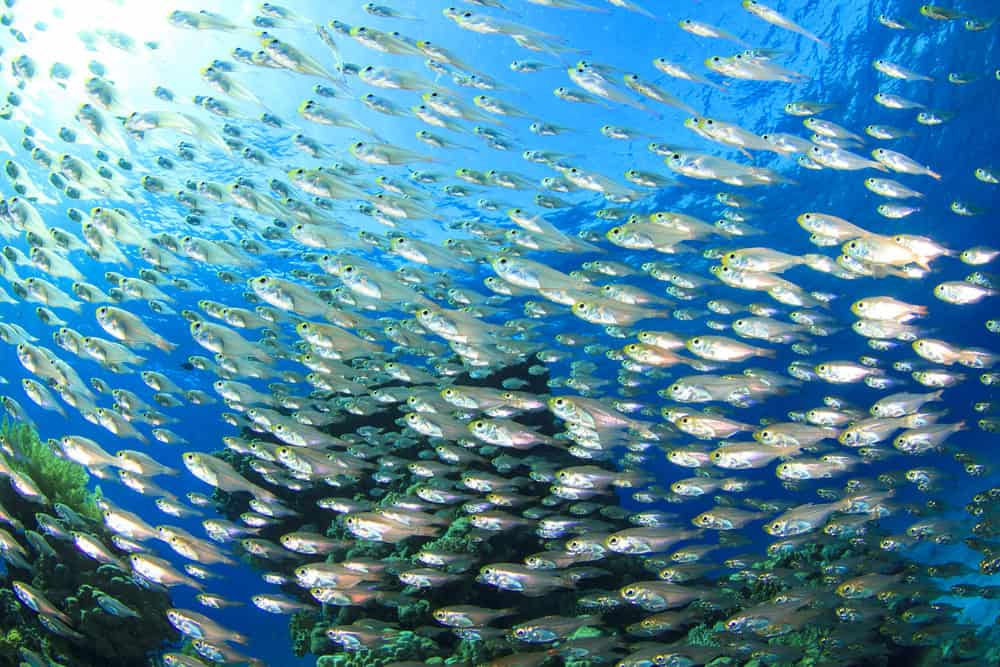
Golden sweepers travel in large numbers.
©Rich Carey/Shutterstock.com
However, the midwater has its own dangers. The golden sweepers risk being silhouetted against the dimly lit surface waters. This puts them at risk of being spotted by a nightly hunter looking upwards. What’s more, they have nowhere to hide!
So, they developed an evolutionary adaptation called bioluminescence, which essentially means that they produce their own light. They use their bioluminescence as counterillumination, which means that the light from the underside of their body breaks up and smudges their silhouette, making them less visible to any predator lurking below.
Golden Sweeper Bioluminescence Is Different
Bioluminescence is not unusual among fish, but the way in which golden sweepers do it is rare. Most bioluminescent animals create light through a reaction between a protein called luciferin and an enzyme called luciferase. Luciferin is obtained from the animals that the fish consume in their diet. In contrast, many bioluminescent animals have genes that allow them to produce luciferase through a process called transcription. Some species inherit these genes, while others acquire them from their prey through a process called horizontal gene transfer. These special genes are provided by tiny marine bioluminescent organisms such as copepods and ostracods. In the case of the golden sweeper, the relevant enzyme comes from an ostracod called Cypridina noctiluca.
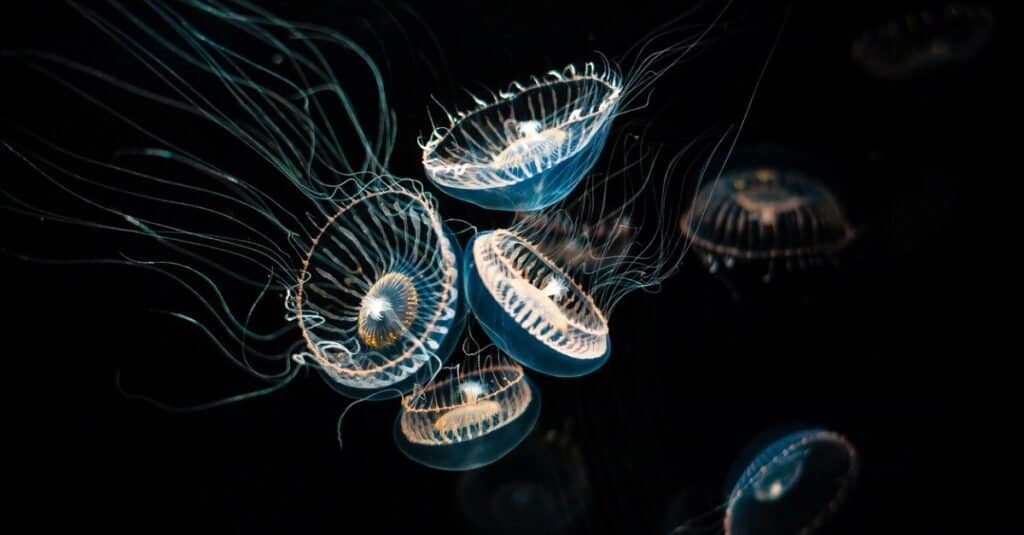
Bioluminescence is not unusual in marine creatures.
©iStock.com/GaryKavanagh
Previous research has shown that golden sweepers are different. They get both their luciferase and luciferin from their prey. Because they are getting an essential protein from another animal, it is a process called kleptoproteinism and is an example of kleptobiology.
How Do Golden Sweepers Get a Glow?
When researchers fed golden sweepers non-bioluminescent food, they lost their glow! When these non-glowing fish were then fed Cypridina noctiluca, they got their glow back. But the important finding was that the luciferase enzyme found in the light organs of the golden sweepers was identical to that of the C. noctiluca. What’s more, when the fish were fed a completely different ostracod called Vargula hilgendorfii, the fish’s light organs contained an identical enzyme to that of V. hilgendorfii, not C. noctiluca. This strongly suggested that the fish were using the enzyme from their prey rather than incorporating the necessary genes into their own genome and making it themselves.
Genetic Confirmation of Kleptoproteinism
To confirm that golden sweepers cannot produce their own luciferase enzyme and instead essentially pinch it from their prey, scientists needed to look at their genetic makeup. The latest study analyzed the genome of P. ransonneti using high-precision sequencing technology. They were looking specifically for ostracod luciferase genes but did not find them in any of their analyses. Furthermore, the researchers did not find any evidence of genes from an ostracod conferring any ability to use bioluminescence to these fish.
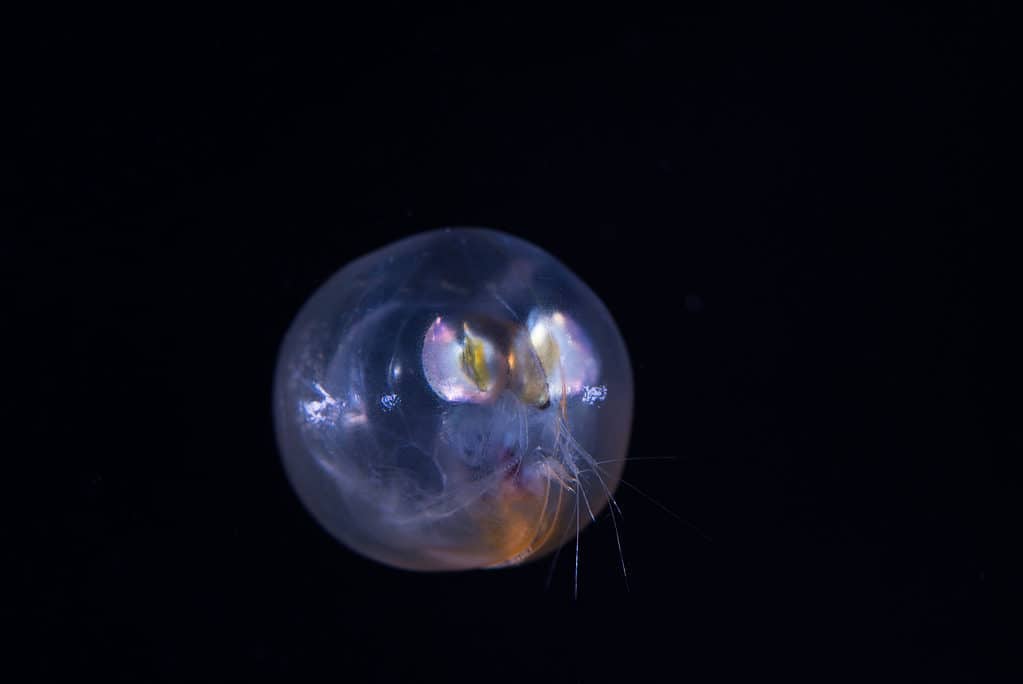
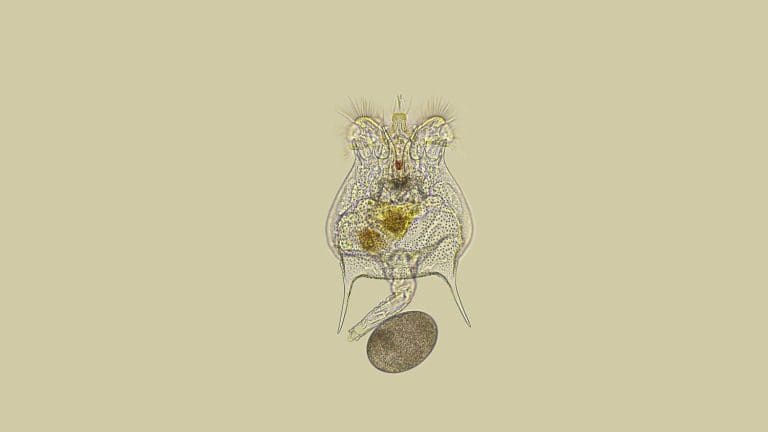
Ostracods are tiny bioluminescent creatures.
©iStock.com/Alepoc
This means that the fish do not possess any genes that confer the ability to make light! Rather, they are entirely dependent on substances obtained from their prey. Instead of breaking down these proteins during digestion, the fish sequester them in their bodies and use them to produce light.
The Importance of the New Genomic Research
It is a biological fact that, in most cases, the phenotype of an organism (observable characteristics) is controlled by its genes. There are exceptions, however, such as when an organism’s traits are influenced by interactions with other organisms.
The previous research strongly suggested that golden sweepers used proteins and enzymes of their prey to produce light. However, the latest genomic research was needed to confirm that this fish’s ability to generate light is not related to its genetic makeup. In itself, this is a significant finding, but there’s more!
The research highlights that the same trait, in this case bioluminescence, can be acquired through multiple pathways. While many fish have acquired the genetic ability to produce light, golden sweepers rely on kleptoproteinism. The ability is directly connected to their choice of prey in a particular environment. This highlights the reliance of the fish on the ostracods it consumes – and that is not just for nutrition!