Quick Take
- The Eurasian common shrew survives winter by shrinking its brain and organs by up to about 20 percent, then regrowing them in spring.
- New research has identified genetic pathways that control this seasonal shrinkage, acting like biological on-and-off switches.
- Studying this process could help scientists better understand metabolism, tissue repair, and resilience in mammals, including humans.
Most mammals take one of two approaches to survive the winter: they either hibernate, slowing their bodies to a near standstill, or they bulk up with extra fat to burn when food runs low. Then there’s the Eurasian common shrew, which does neither. Instead, this tiny mammal survives winter by doing something quite unconventional. It shrinks its own brain and organs, sometimes by as much as one-fifth, then grows them back again when spring arrives. Scientists have known about this strange seasonal transformation for decades, but new research has finally identified the genetic switches that make it happen, findings that could end up mattering far beyond just the shrew.
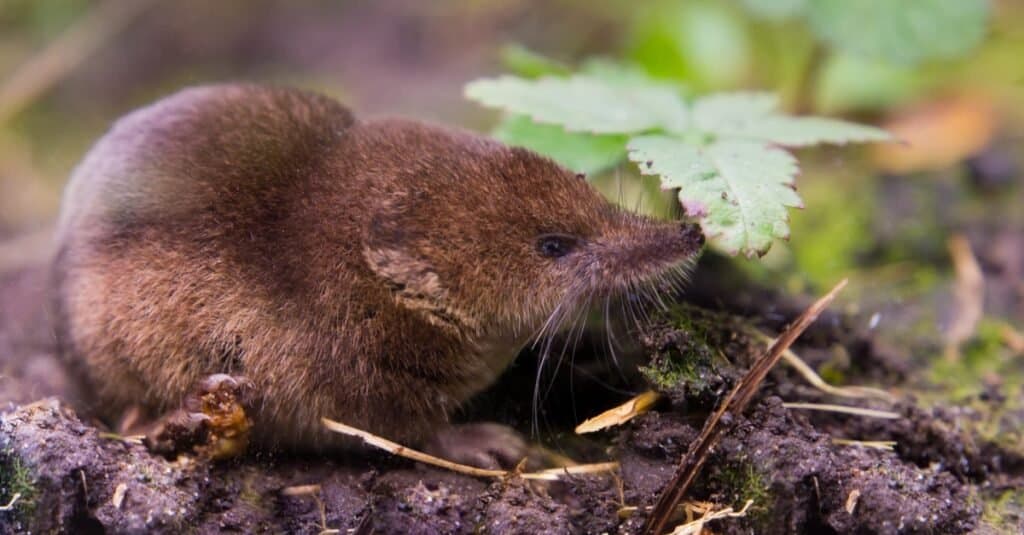
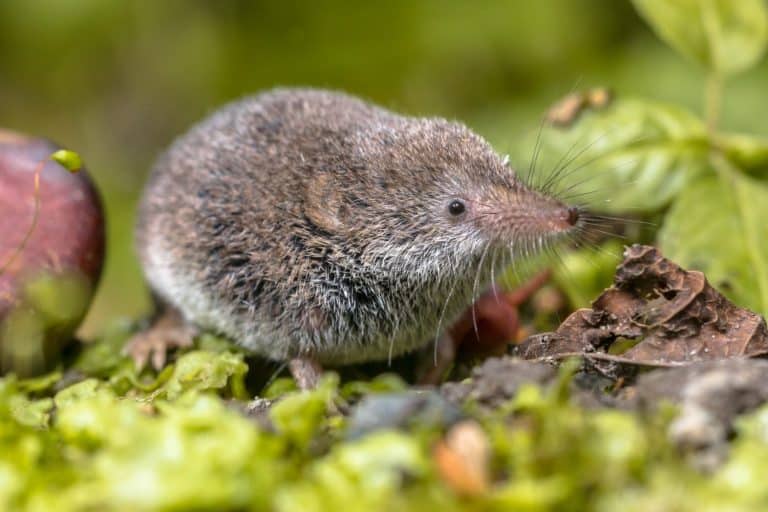
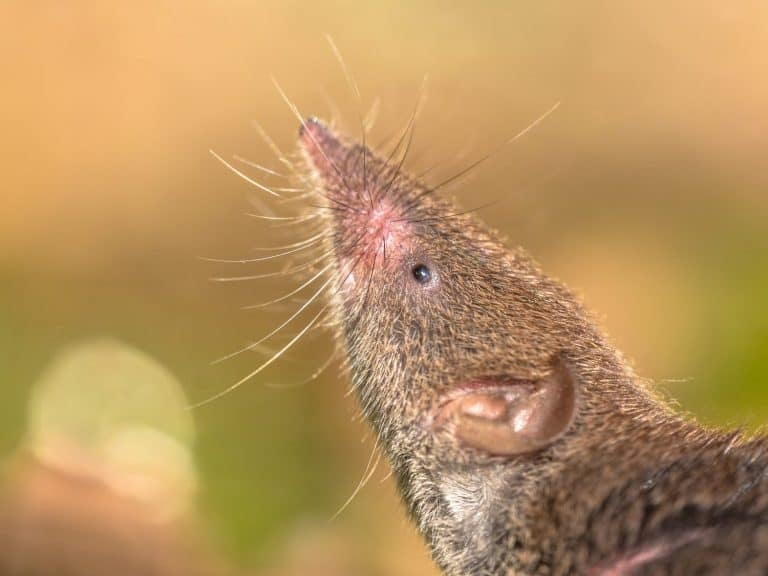
The Eurasian common shrew has one of the fastest metabolisms of any mammal and can starve to death after just a few hours without food.
©iStock.com/CreativeNature_nl
No Ordinary Mammal
The Eurasian common shrew is small, brown, and mouse-like, with a pointed snout and tiny eyes. It’s relatively ordinary-looking. But biologically, it’s anything but ordinary. Shrews have some of the highest metabolic rates of any mammal, burning energy so quickly that they have to eat almost constantly just to stay alive. In laboratory studies, shrews deprived of food for only a few hours can die from starvation.
That makes winter especially dangerous. In cold months, insects and other invertebrates become scarce, and for an animal that can’t afford to miss meals, that scarcity can be deadly. Shrews don’t hibernate; they stay active all winter, hunting through leaf litter and snow for anything edible. To pull that off, they rely on an extreme biological strategy known as Dehnel’s phenomenon.
What is Dehnel’s Phenomenon?
Dehnel’s phenomenon was first described in the 1940s, when scientists noticed that some shrews appeared physically smaller in winter than in summer. That seemed reasonable, what with the scarcity of food and all, but later research confirmed this wasn’t just weight loss. The shrew’s skull actually shrinks, and the brain inside it shrinks too.
As autumn turns into winter, the Eurasian common shrew’s body mass drops by roughly 15 to 20 percent. The brain, one of the most energy-hungry organs in any mammal, can shrink by a similar amount. Other organs, including parts of the digestive system, also become smaller. When spring returns and food becomes abundant again, the process reverses. The shrew regrows its body, skull, and brain to near their original size.
This kind of reversible organ shrinkage is almost unheard of in mammals. In humans and most other species, the brain grows during development, then remains essentially the same size throughout adulthood. Losing brain tissue usually means injury or disease, yet for shrews, this shrink-and-regrow cycle happens every year.
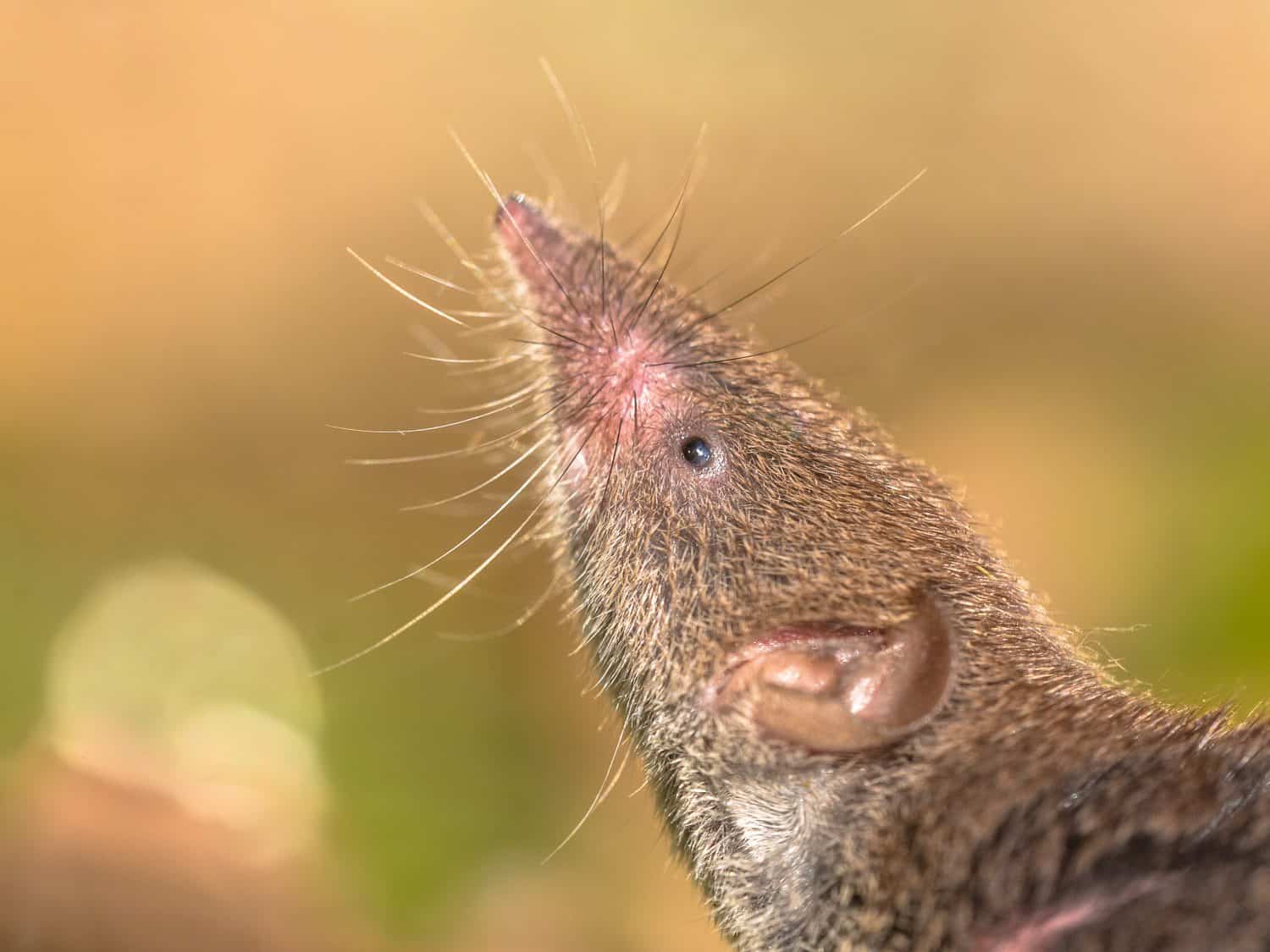
Each winter, the Eurasian common shrew’s skull and brain physically shrink, then regrow when spring returns.
©Rudmer Zwerver/Shutterstock.com
Why Shrink?
As a survival tactic, getting smaller in winter seems a bit counterintuitive, especially when considering many other animals do the opposite—bulk up. The advantage of shrinking is all about energy economics. Bigger organs require more fuel, even when an animal is resting. By becoming physically smaller, the shrew lowers its overall energy demands during the harshest part of the year.
Shrews continue to maintain that high metabolic rate, but in cold conditions, a smaller body uses less total energy than a larger one. Reducing brain size is especially important because the brain consumes a disproportionate share of the body’s energy. By trimming that cost in winter, the shrew increases its odds of surviving when food is unreliable. It allows shrews to remain active instead of retreating into hibernation, which is critical for an animal that depends on frequent feeding.
Cracking the Genetic Code
For years, scientists understood what shrews were doing, but not how they were doing it. How does a mammal safely shrink its brain, then rebuild it again without lasting damage? New research led by scientists at Stony Brook University has started to answer that question. By analyzing gene activity in shrews across different seasons, researchers identified specific genetic pathways that switch on during winter and shut off again in spring.
One major finding is that shrews activate metabolic programs similar to those seen in hibernating animals. Even though shrews don’t hibernate, their cells shift how they generate and use energy. Genes involved in breaking down fats and producing glucose from non-carbohydrate sources become more active in winter. These changes help the animal keep its brain and body fueled when easy food sources are scarce.
Another key discovery involves a group of genes regulated by what scientists call FOXO signaling pathways. In other mammals, FOXO pathways are known to influence body size, metabolism, stress resistance, and aging. In shrews, increased FOXO activity during winter appears to help coordinate the reduction of organ size and energy use. When spring arrives, that activity decreases, allowing growth to resume.
In addition to changes in gene activity, researchers also found that the shrew’s genome itself may be unusually flexible. Certain regions of shrew chromosomes are structured in ways that make seasonal changes in gene expression easier. This genetic setup may help explain why shrews, and not most other mammals, evolved such an extreme survival strategy.
To put all that in layman’s terms, the shrew has a built-in seasonal switch that tells its body when to go into energy-saving mode. As winter approaches, its genes dial down expensive systems, shrink parts that burn the most fuel, and shift how energy is made and used, all without shutting the animal down entirely. When food comes back in spring, those same switches flip again, letting the shrew rebuild itself.
What Happens to the Brain
One of the most surprising aspects of Dehnel’s phenomenon is what happens inside the brain. Brain shrinkage often involves widespread neuron death, but in shrews, it doesn’t. Instead, researchers think much of the size change comes from reductions in supporting cells, connections between neurons, and other energy-intensive structures.
When spring arrives, those structures are rebuilt. This would suggest that the shrew’s brain is remarkably plastic, able to reorganize itself without losing function. That kind of flexibility is rare in mammals and is one reason scientists find this element of the shrew’s winter routine so interesting.
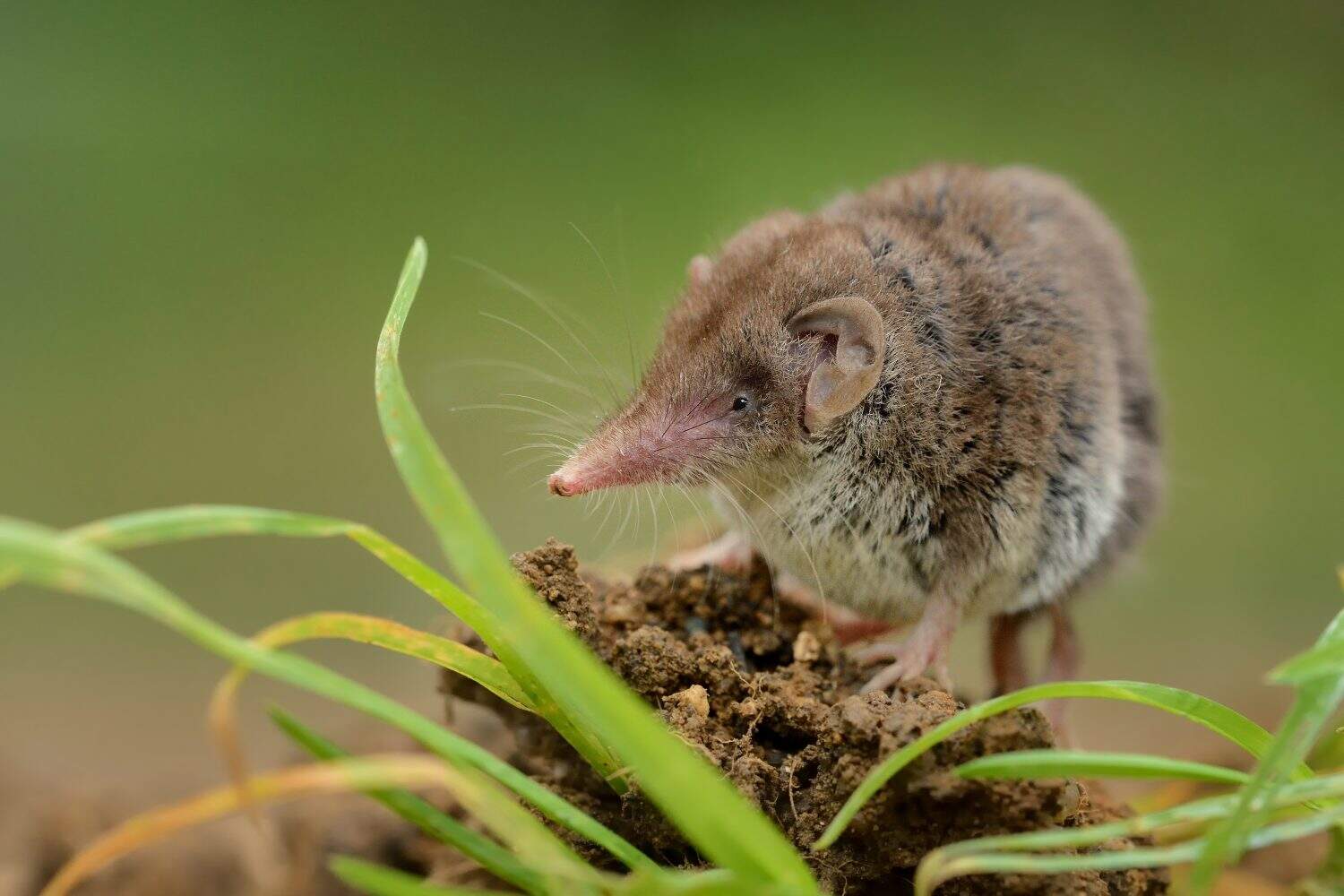
Unlike injury-related brain loss, shrew brain shrinkage appears to avoid neuron death and is fully reversible.
©Martin Pelanek/Shutterstock.com
What Does This Mean For Humans?
By looking at how shrews naturally reduce and expand organ size, scientists are seeing how a mammal can dial its metabolism up or down without causing permanent damage. In most animals, shrinking organs is associated with disease, starvation, or injury. In shrews, it’s a controlled, repeatable process. That makes the shrew a valuable model for understanding metabolic regulation, tissue maintenance, and recovery under extreme stress.
These same biological systems exist in humans; we just don’t use them in such dramatic ways. Learning how shrews activate and deactivate these systems could help researchers better understand conditions like obesity and type 2 diabetes, where energy use and storage are out of balance. It may also shed light on age-related metabolic decline, when the body becomes less efficient at repairing tissues and responding to stress.
There’s also growing interest in what this research might reveal about brain health. If scientists can understand how shrews shrink and regrow brain tissue without cognitive loss, it could offer clues for developing therapies that promote safe brain recovery after injury or disease.
Biological Flexibility
Survival doesn’t always look the way we expect. Instead of sleeping through winter or stockpiling fat, this tiny mammal rewrites its own biology to meet the season head-on. But the implications may stretch much further than a simple shrew surviving a tough winter. As researchers continue to unravel how shrews pull off this seasonal transformation, they’re uncovering principles that could reshape how we understand metabolism, resilience, and the limits of mammalian biology itself.