
Quick Take
- Molly, the border collie, survived for a week in the wilderness.
- Whether Molly fell down the waterfall or hiked to where her owner fell is still unknown.
- Molly was found using thermal imaging equipment.
- Molly was reunited with her owner.
Hiking accidents happen in the wilderness. Both hikers and their four-legged friends require rescuing from time to time. Because rescuers prioritize saving people, dogs are sometimes left behind. This was the case recently when a border collie was left to survive on its own until rescuers could return to save it.
Molly the Border Collie Survived a Week in the Wilderness
On March 24, Jessica Johnston and her border collie, Molly, went for a hike in the New Zealand bush. During the hike, Johnston fell 180 feet down the face of a waterfall. She landed in a rocky region of the waterfall, bruised and cut, but alive.
Rescuers were called to the scene and airlifted Johnston out safely. Unfortunately, Molly could not be found. Consequently, the border collie was left behind.
A local helicopter owner-operator, Matt Newton, contacted Johnston in the hospital shortly after her arrival. Newton’s intention was to find Molly and reunite her with Johnston.
“I contacted her in hospital and said I’d go for a look for it,” Newton, who owns and operates Precision Helicopters New Zealand, told the Associated Press. “I went and looked for the dog several times and no avail.”
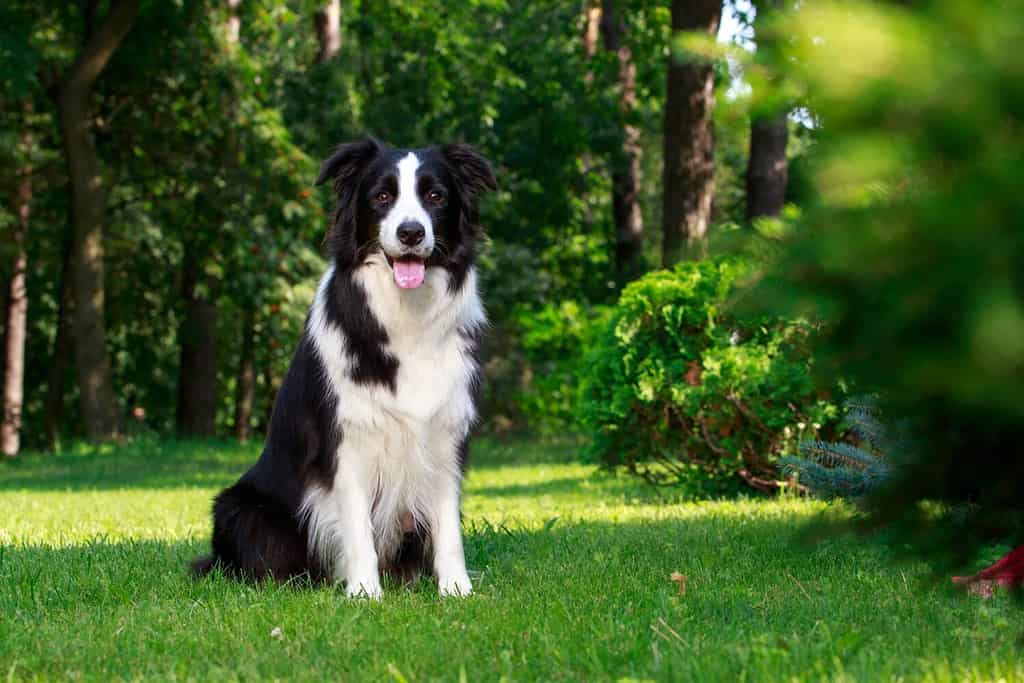
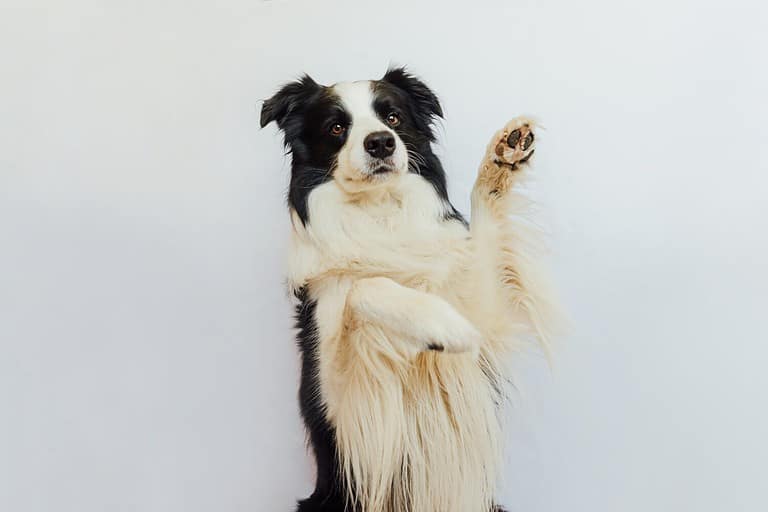
Molly, similar to this border collie, was left in the wilderness for a week.
©Olga Aniven/Shutterstock.com
Newton refused to give up. He and his family set up a fundraiser to save Molly. Within a short time, $6,300 had been pledged, enough to pay for three hours of search time.
On April 1, 2026, Newton, a veterinary nurse, along with search and rescue volunteers, and Newton’s dog, Bingo, set off to search for Molly. Within one hour, using thermal imaging equipment, Molly was located near the waterfall where Johnston was rescued.
“We struck jackpot within about an hour,” Newton said. “As we made our way up the river, we could see the dog in the thermal and then we could visually see it.”
Molly was not seen at the waterfall during Newton’s previous attempt to find her. It is still unclear whether Molly fell or hiked down to Johnston’s last known location.
Molly was in good condition when found. Hours later, she and Johnston were happily reunited.
Some Dogs Refuse to Move from the Last Place Their Owners Left Them
It was not by choice that Molly was left behind in the wilderness. However, she may have experienced feelings similar to those of abandoned dogs, which could explain why Molly did not stray far from where her owner fell.
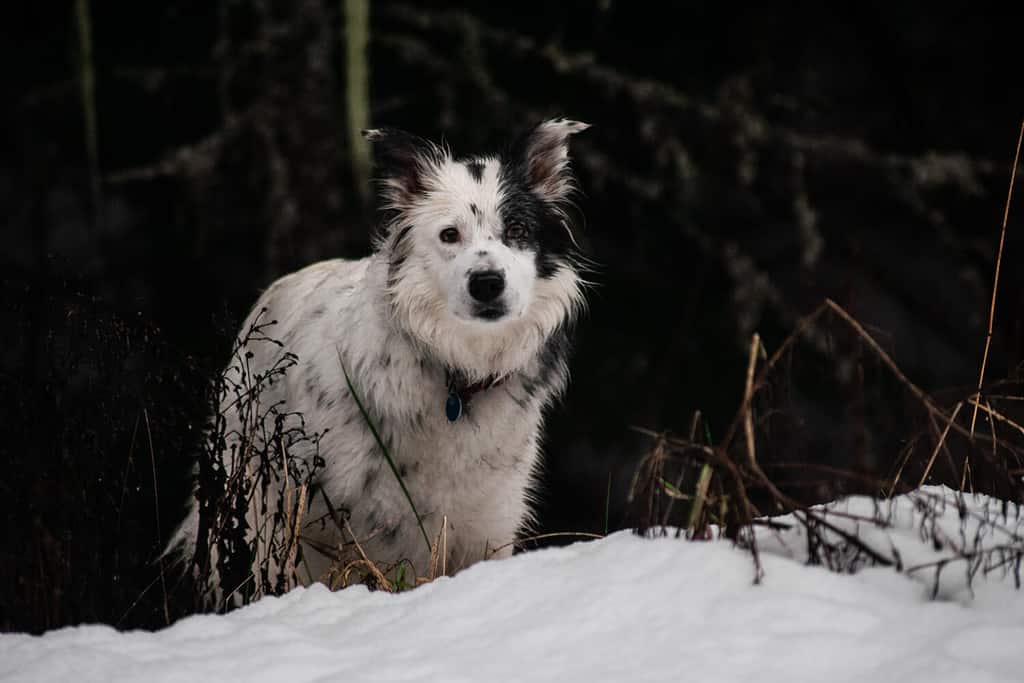
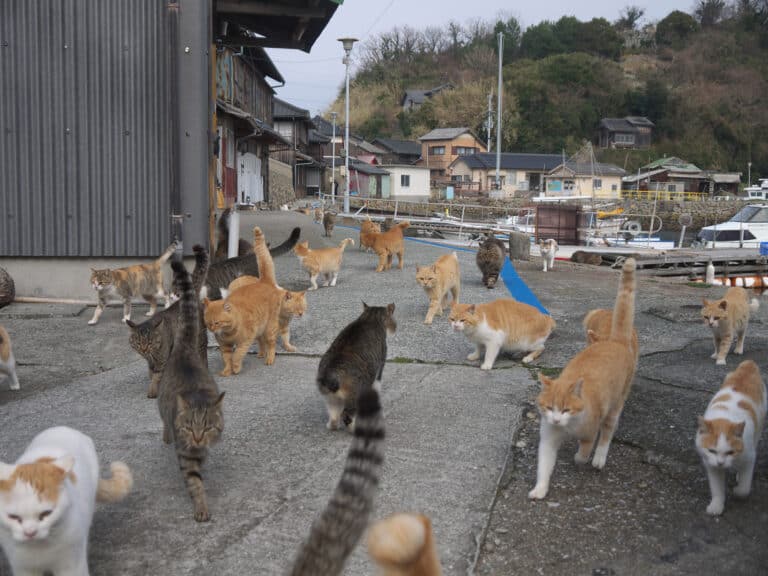
Dogs may not travel far from where they are abandoned.
©ForeverNaturalPhotography/Shutterstock.com
Abandoned dogs do not necessarily realize at first that they have been left behind. There is hope that owners will come back. This confusion causes many to stay near the location where they were abandoned, hoping for a reunion with their beloved human.
Dogs thrive on routine. When that routine is shattered, they cling to what they know. In many instances, the scent of their owner is where they were left. This can lead to dogs remaining in the area where they were abandoned. While this was a positive outcome for Molly, it can be detrimental to other dogs, who may refuse to leave to find water, food, or shelter and ultimately perish.
Dogs Have Been Known to Run from Rescuers
Molly was very happy to be rescued. Because of this, she did not run away as some lost dogs have been known to do, making rescue efforts relatively easy.
“She knew what we were up to, I think,” Newton explained to the AP. “She behaved real well. She didn’t run away and she was pleased to be rescued.”
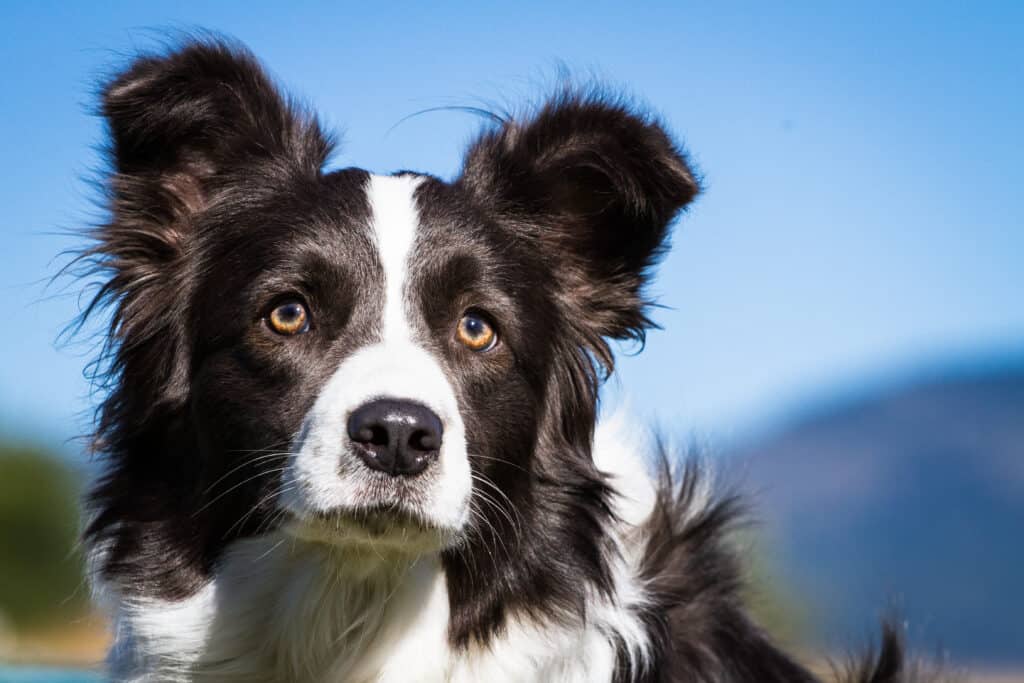
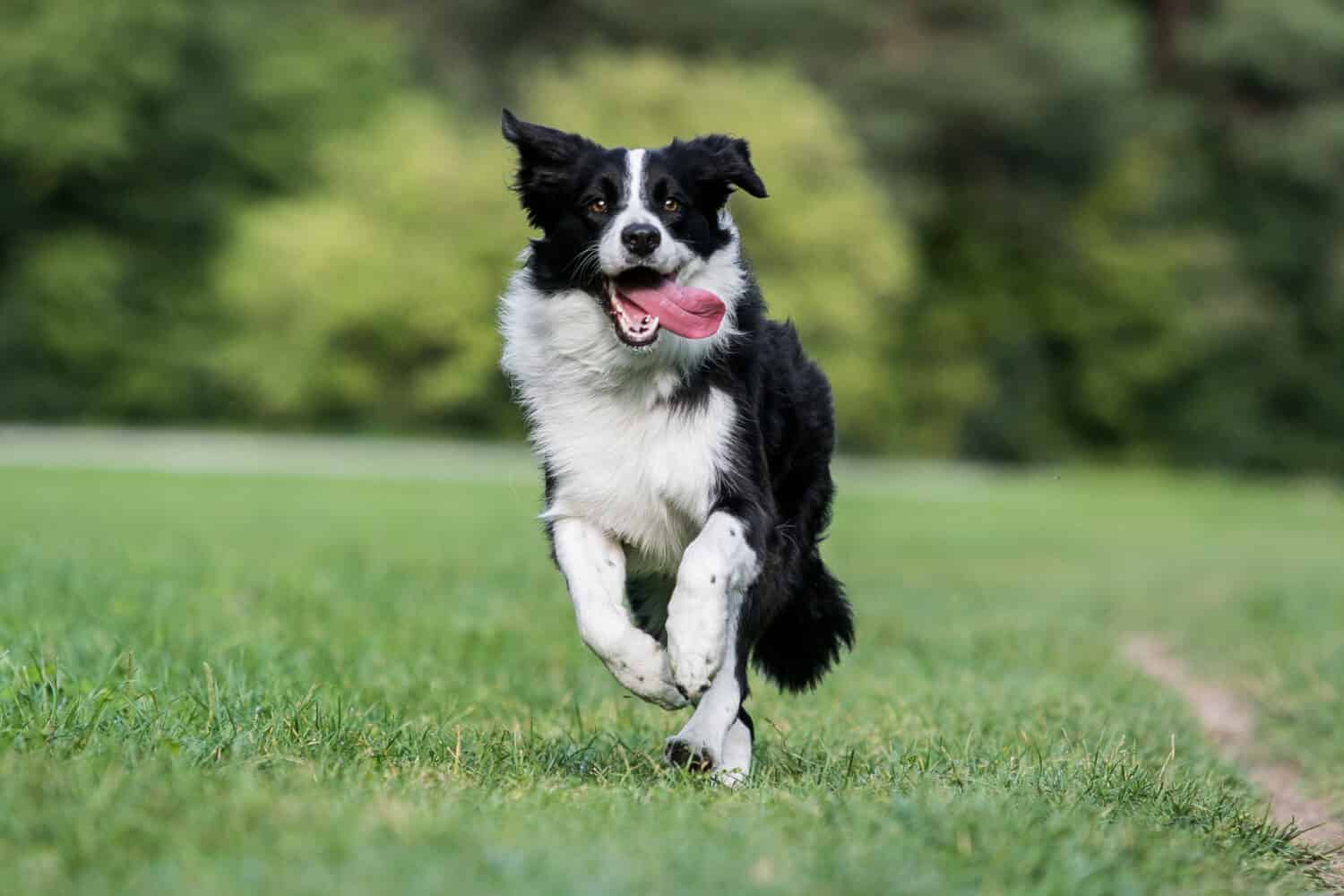
Scared dogs in fight-or-flight mode may run from rescuers.
©Lobstrosity/Shutterstock.com
Unfortunately, this is not how all lost dogs behave. Instead, some lost dogs choose to run. This is again related to the disruption of their normal routine, which can lead to anxiety and fear in some dogs.
Lost dogs no longer have the safety of their “pack,” which leads to psychological distress as they try to survive in the wilderness. This causes dogs to go into survival mode, during which many may forget the simple commands they learned.
Instead of viewing rescuers positively, lost dogs may see them as a threat. Therefore, different trapping methods used over several weeks may be necessary to save a dog and safely return it to its owner.