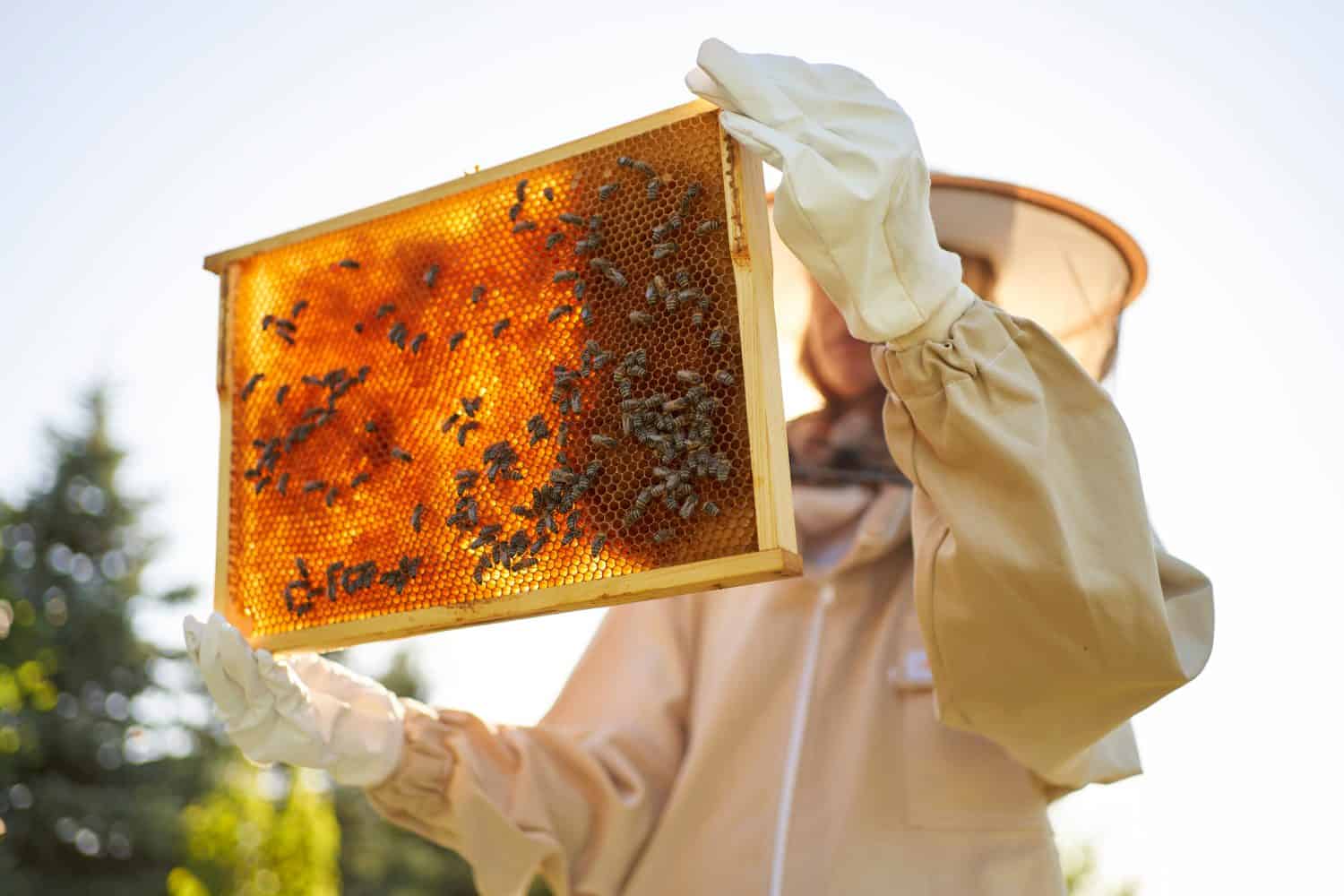

Beekeeping has grown in popularity in recent years, and for good reason. Honeybees are fascinating creatures that not only provide sweet, golden honey but also play a crucial role in pollination and healthy ecosystems. Whether you’re interested in harvesting honey, supporting pollinators, or simply learning a rewarding new hobby, beekeeping can be an exciting journey. We will cover what experts say about beekeeping, beekeeping mentors, equipment needed for beekeeping, land needed for beekeeping, the cost of beekeeping, and the benefits of beekeeping.
What Does an Expert Say About Beekeeping?
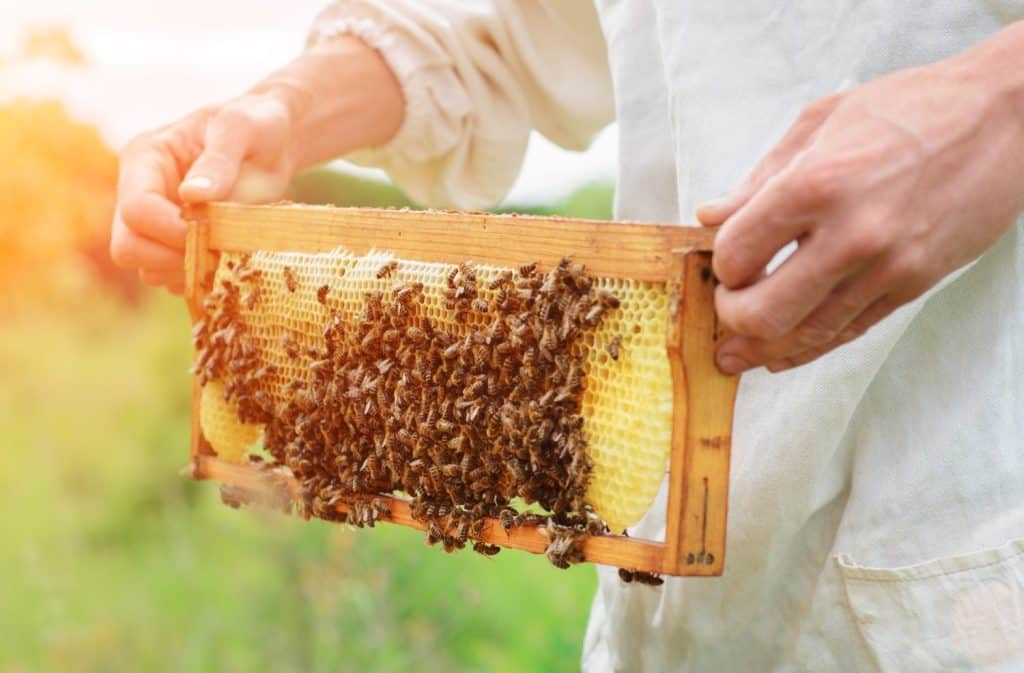
Learn everything you can about bees and beekeeping before you start.
©kosolovskyy/Shutterstock.com
To learn more about getting into beekeeping, we turned to Jennifer Lytle of Bee-Licious Honey. Bee-Licious Honey is in the Pacific Northwest, and not only do they sell different honey varieties, but they also provide educational materials for people interested in keeping bees.
“We are adamant about pollinator and honey education and have also written a Honey Tasting Guide for both adults and kids’ parties with several educational pieces and trivia to go along with it,” says Lytle.
When asked where to start the beekeeping journey, Lytle says that the best place to begin is education. In her case, she joined a local beekeepers’ association, took classes, read books, and watched videos on YouTube.
“But nothing beats learning from people who’ve done it before, especially when it comes to seasonal timing and troubleshooting,” she says.
Beekeeping Mentors
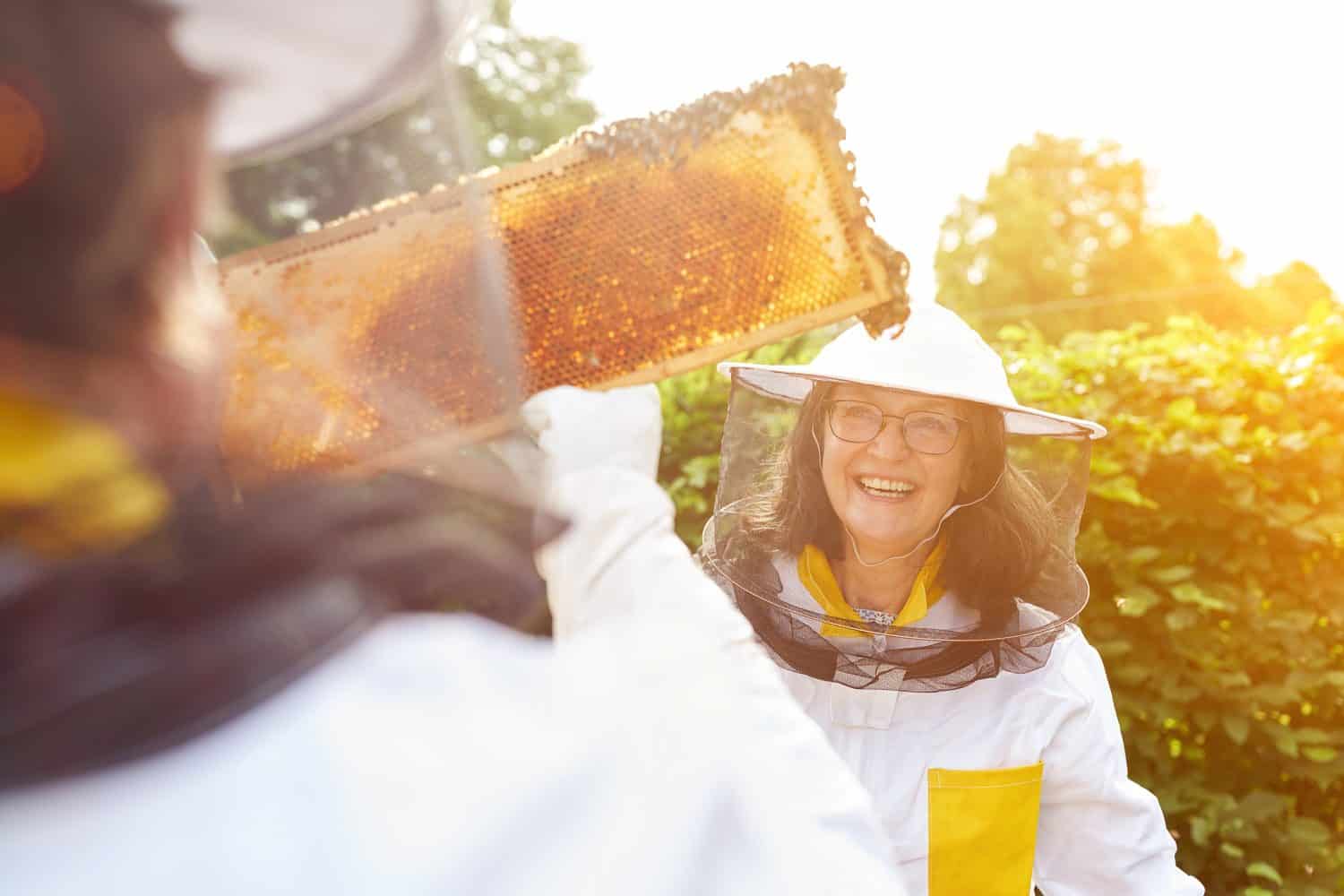
Working with a mentor can provide guidance and confidence when you begin beekeeping.
©Robert Kneschke/Shutterstock.com
Books, videos, and classes are excellent resources, but nothing compares to hands-on guidance. This is why a mentor is important. Watching an experienced beekeeper open a hive, use a smoker properly, or identify a queen in a busy colony is invaluable. These skills are much easier to understand when demonstrated in real time, rather than just read about. There are several benefits a mentor offers.
- Real-world experience – Bees don’t always follow the textbook (or even the YouTube videos). A mentor can show you how to recognize subtle signs of hive health or distress.
- Confidence building – Opening a hive for the first time can feel intimidating. With a mentor by your side, you’ll feel more comfortable handling bees safely.
- Immediate troubleshooting – When something goes wrong, such as unexpected bee behavior, swarming, or pests, a mentor can help you identify the issue and find a solution quickly.
- Seasonal advice – Beekeeping tasks shift with the seasons. A mentor can remind you what to do and when, so you don’t miss important steps.
Working with a mentor also connects you to the larger beekeeping community. Many mentors are active in local beekeeping associations, which can provide opportunities for workshops, shared equipment, and support when challenges arise.
How to Find a Mentor
- Join a local beekeeping club – Most have mentorship programs or members willing to help newcomers.
- Ask at a local farm supply store – They often know beekeepers in the area.
- Take a beekeeping class – Instructors are often open to mentoring or can connect you with others.
- Online forums and social media groups – This can be a way to connect, though in-person guidance is usually most helpful.
Beekeeping is a journey, and while you can walk it alone, it’s much easier and more enjoyable with someone to guide the way. A mentor can help you avoid beginner mistakes, gain confidence, and build a stronger connection to both your bees and your community. If you’re serious about getting into beekeeping, finding a mentor may be the single most important step you take.
Equipment Needed for Beekeeping
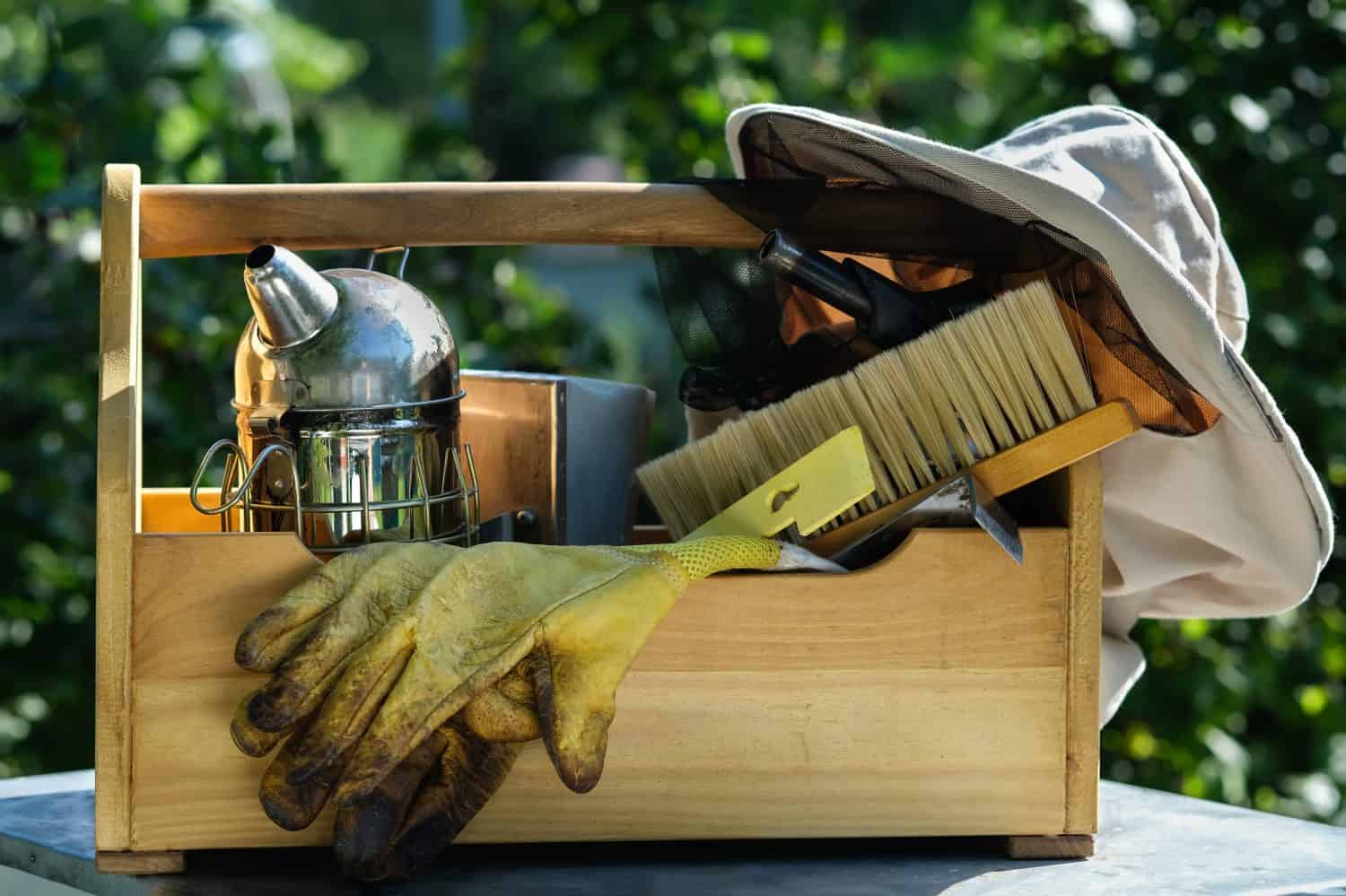
Beekeeping requires some specific tools and equipment to keep you and the bees safe.
©kosolovskyy/Shutterstock.com
As with any hobby, there is a lot of equipment that can be purchased to set you up for your beekeeping. At minimum, you need a hive (boxes, frames, and foundation), protective gear (veil, gloves, and a bee jacket or suit), a smoker to calm the bees, as well as a hive tool to help pull the sticky frames out of the hive box, and a brush to gently brush bees off of the frames. Over time, can add feeders, mite treatment tools, and honey extraction equipment.
These basic items form the backbone of a safe and successful beekeeping endeavor.
- Hive Components – Your hive is your bees’ home. A standard hive consists of boxes (also called supers), frames (where bees build comb), and foundation (a sheet of beeswax or plastic that helps guide comb building).
- Protective Gear – A veil is essential to protect your face, while gloves and a bee jacket or full suit keep stings to a minimum. Many beekeepers eventually choose lighter gear or work barehanded, but starting with full protection helps build confidence.
- Smoker – This simple tool uses cool smoke to calm the bees, masking alarm pheromones so they are less defensive during inspections.
- Hive Tool – A small but indispensable steel lever used to pry apart sticky hive boxes, scrape propolis, and lift frames.
- Bee Brush – Soft bristles gently move bees off the comb or equipment without harming them.
As you become more comfortable with beekeeping, you may want to expand your toolkit. Here are a few useful additions to consider.
- Feeders – Used to provide sugar water to colonies when nectar sources are scarce, especially in early spring or late fall.
- Mite Monitoring & Treatment Tools – Varroa mites are one of the biggest challenges in modern beekeeping. Tools such as sugar shake jars, sticky boards, or vaporization equipment help monitor and treat infestations.
- Queen Marking & Handling Tools – Tiny cages, marking pens, and clips make it easier to identify, protect, or move your queen.
- Honey Extraction Equipment – When the time comes to harvest honey, you’ll need an extractor (a centrifuge that spins honey out of combs), uncapping tools (knives or forks to open sealed combs), and filters. Since extractors can be pricey, many local beekeeper associations lend or share this equipment.
- Storage Containers – Food-grade buckets, jars, and bottling tools help you safely store and share your honey.
Land Needed for Beekeeping
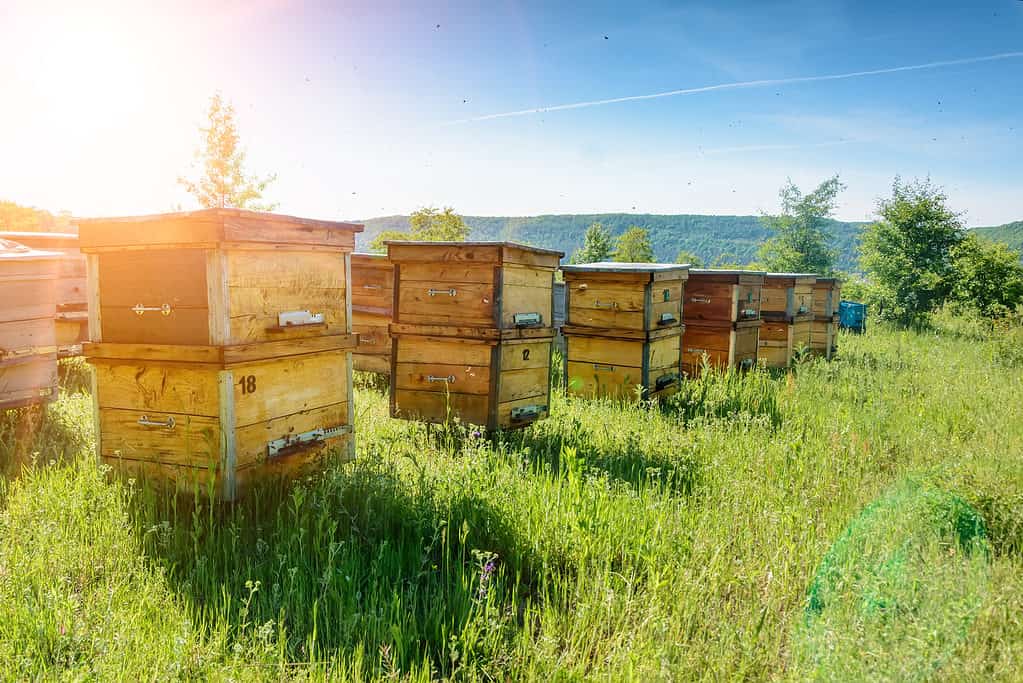
You can have hives on a small amount of land. Be sure to see what is legal in your area.
©kosolovskyy/Shutterstock.com
Beekeeping regulations vary by state, county, and city, so research the local laws before getting started. Once you know what’s required in your area, the next step is deciding where to place your hives. Sometimes the location of the hives is outlined in the laws as well.
“You don’t need acres; our hives sit right in both our front and backyard,” Lytle says. “Bees typically forage in a 2–3 mile radius, so the real key is what’s around you: flowering plants, trees, and clean water sources.”
The Costs of Beekeeping
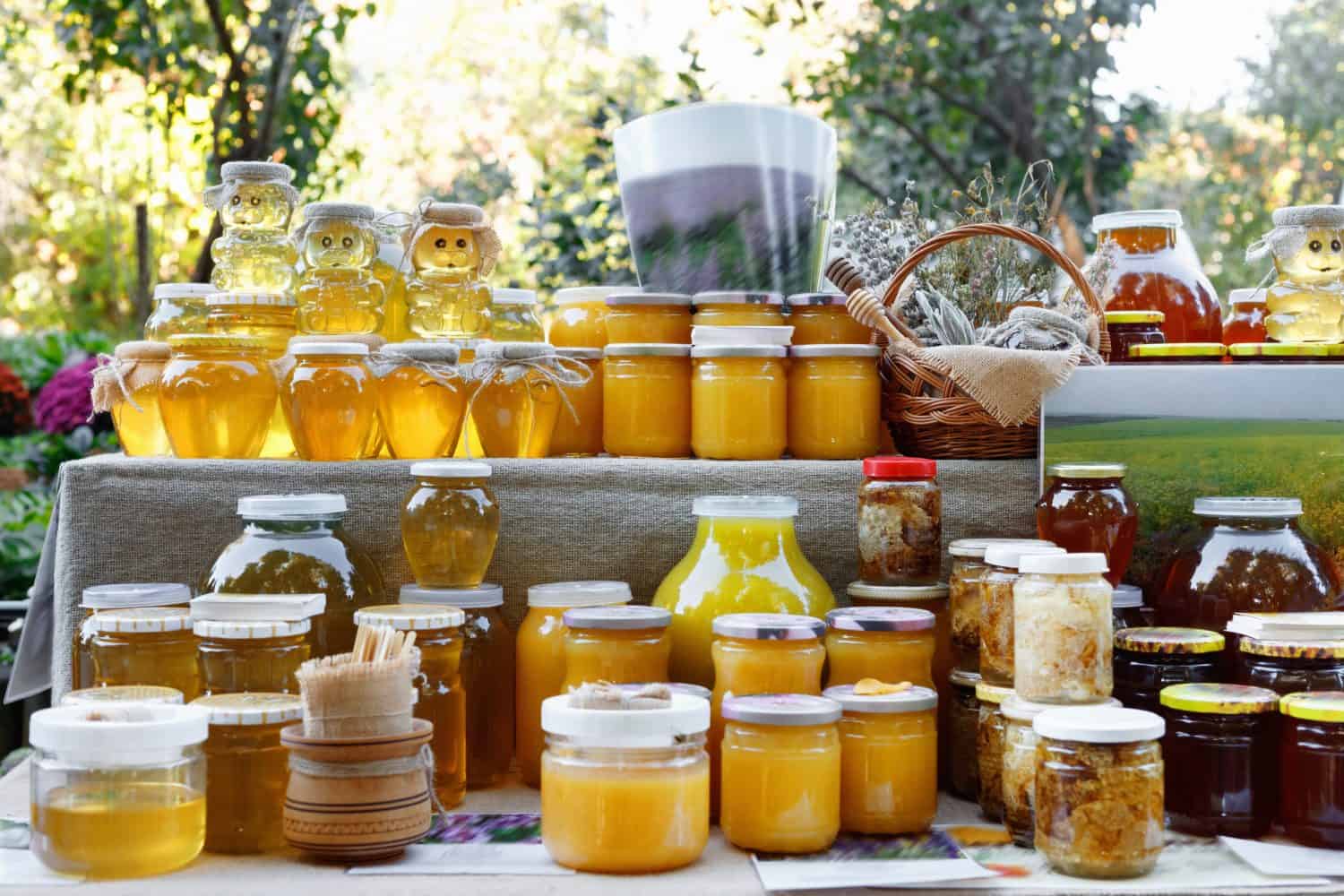
You can sell honey at local farmers’ markets, through community groups, or directly to people.
©Lora liu/Shutterstock.com
Beekeeping can be an expensive endeavor. One hive with equipment and bees usually costs around $300 to $500. Protective gear adds another $100 to $200.
“There are ongoing expenses like feeding sugar syrup in early spring, mite treatments, and replacing equipment as it wears out. We always tell new beekeepers to expect to invest more than they’ll earn in honey the first couple of years,” Lytle says. “Many times, you can also find used hives and equipment from Craigslist or fellow members of your beekeepers association.”
In the first couple of years of beekeeping, you may experience significant hive losses. Recent surveys from 2024–2025 report that U.S. beekeepers lost between 55% and 62% of their colonies in a single year, due to factors like pests, disease, and weather. Losses are common even for experienced beekeepers, and they are a normal part of the learning process.
There’s nothing like watching your bees pollinate the garden or harvesting honey you know came from the flowers in your own neighborhood.
Jennifer Lytle of Bee-Licious Honey
In the beginning, most keepers are still learning how to recognize signs of trouble, manage pests like varroa mites, and prepare their hives for seasonal changes. Mistakes happen, maybe you feed too late in the fall, miss a sign of illness, or underestimate how harsh your local winters can be. These missteps are part of gaining experience.
The important thing to remember is that each loss teaches you something valuable. You’ll learn to read your bees more closely, manage hives more proactively, and anticipate seasonal needs with greater accuracy. Over time, your survival rates improve, and your confidence grows. That’s also why many experts recommend starting with at least two hives. If one doesn’t make it, you still have a thriving colony to learn from, and you can compare their progress side by side. Losing bees is disappointing, but it isn’t the end of the journey; instead, it’s part of it. With persistence, education, and support from mentors or local clubs, new beekeepers move past those first challenges and find greater success in the seasons ahead.
So, besides the financial costs of keeping bees, there is an emotional cost as well. “Beekeeping is rewarding, but it’s not ‘set it and forget it,'” Lytle says. “On the bright side, it’s also deeply fulfilling. There’s nothing like watching your bees pollinate the garden or harvesting honey you know came from the flowers in your own neighborhood.”
Benefits of Beekeeping
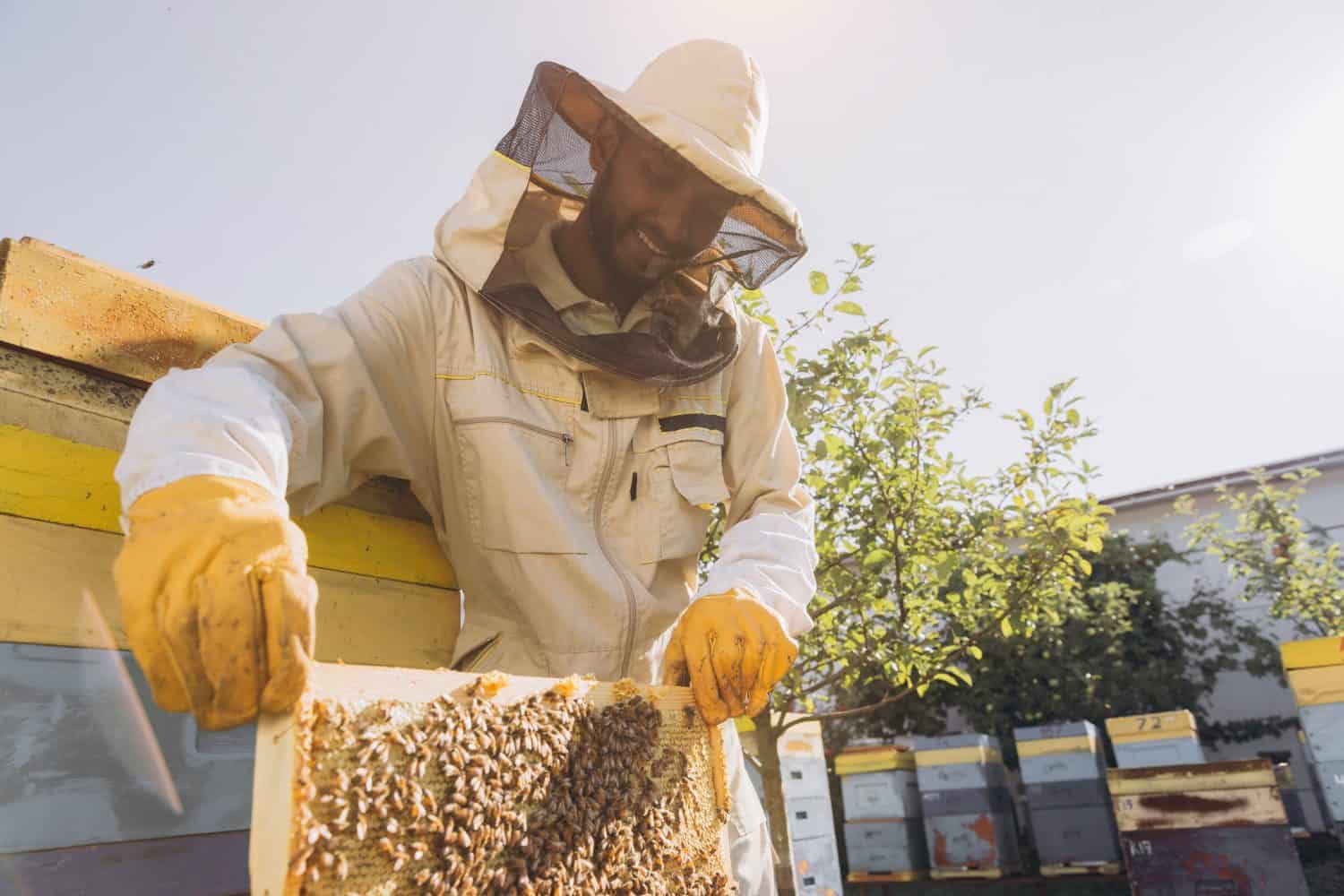
The act of caring for bees provides a sense of responsibility, accomplishment, and fulfillment.
©Anatoliy Cherkas/Shutterstock.com
Beekeeping comes with a wide range of benefits that go far beyond a jar of honey (but that is a pretty good benefit). One of the most rewarding aspects is enjoying fresh, local honey straight from your own hive, which is tastier and more natural than what’s typically found on store shelves. Bees also produce other valuable resources like beeswax, propolis, and pollen, which can be used to make candles, skincare products, or even natural remedies. Beyond these products, beekeeping plays an important role in supporting pollinator populations, which are essential for healthy ecosystems and food production. Many beekeepers also notice a direct benefit in their own gardens, where fruit trees, vegetables, and flowers thrive thanks to improved pollination.
Beekeeping is also deeply educational, offering hands-on lessons in biology, ecology, and agriculture that are fascinating for adults and engaging for children. For many, working with bees becomes a grounding practice that strengthens their connection to nature and the rhythms of the seasons.
Engaging in beekeeping can also provide significant health benefits. The act of maintaining hives and working with bees encourages physical activity, which can improve overall fitness and well-being. This outdoor work promotes cardiovascular health and can reduce stress levels, fostering a sense of peace and mindfulness.
Moreover, honey itself is known for its health properties. Raw honey is rich in antioxidants, can help soothe sore throats, and may even assist in wound healing due to its natural antibacterial properties. Additionally, pollen collected by bees is a nutrient-rich superfood, offering a range of vitamins, minerals, and proteins that can boost energy levels and support immune function.
Beekeeping can also serve as a therapeutic practice. Many beekeepers report a sense of calm and fulfillment from working with bees, which can alleviate symptoms of anxiety and depression. The rhythmic buzzing of bees and the focus required in hive management can provide a meditative experience, fostering mental clarity and emotional well-being.
With experience, beekeeping can even open up opportunities for supplemental income through selling honey, beeswax goods, or starter colonies. Finally, it creates a sense of community, whether through local beekeeping associations, workshops, or simply sharing honey with neighbors, while also contributing to broader environmental stewardship by raising awareness about the importance of pollinators.
Conclusion
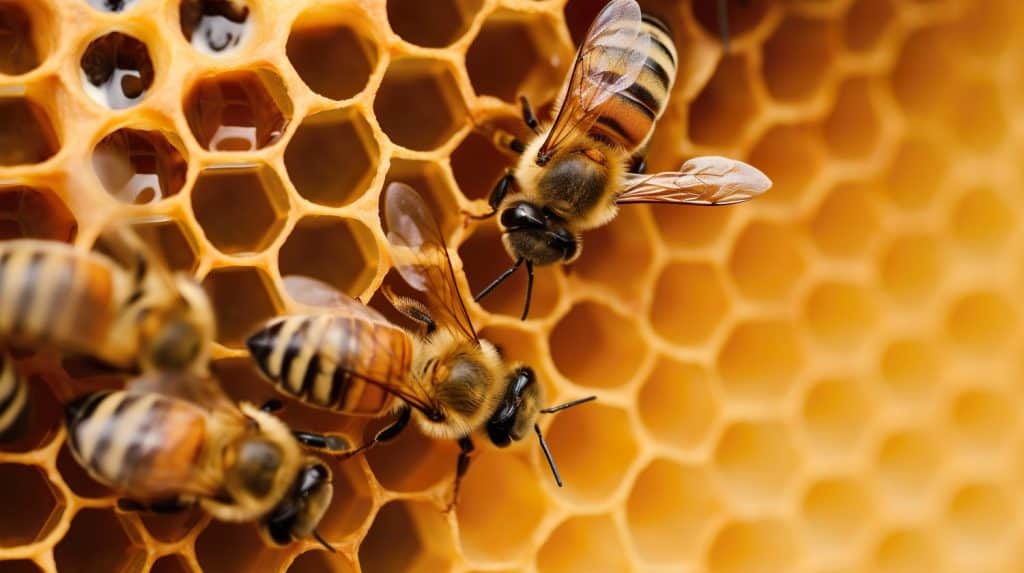
Beekeeping enhances your life in ways you might not have expected.
©Tools Konten/Shutterstock.com
Whether you’re interested in harvesting honey, supporting pollinators, or simply learning a rewarding new hobby, beekeeping can be an exciting journey. The knowledge and skills gained through beekeeping not only enhance your connection to nature but also contribute significantly to the health of ecosystems. By caring for bees, you are playing a vital role in the environment, ensuring the continuation of essential pollination services that support biodiversity and food production.
As you embark on this journey, remember that education and community support are crucial. Seek out mentors, engage with local beekeeping associations, and immerse yourself in the wealth of resources available. While the path of beekeeping may come with its challenges and emotional costs, the rewards, both personal and environmental, are profound. From the joy of harvesting your own honey to the satisfaction of fostering thriving bee colonies, you’ll find that beekeeping enriches your life in ways you may not have anticipated. Embrace the journey, learn from both successes and setbacks, and enjoy all the incredible benefits that come with being a beekeeper.