
Asian elephants (Elephas maximus) are incredibly majestic and intelligent animals. Known as the largest land animal in Asia, Asian elephants used to be found across South and Southeast Asia. However, habitat loss and conflict with humans have devastated Asian elephant populations. As Jen Fields, the Director of Communications for the Columbus Zoo and Aquarium, explains, “Asian elephants are listed as Endangered by the International Union for Conservation of Nature (IUCN), with fewer than 50,000 remaining in their native range.”
The Columbus Zoo has been heavily involved in elephant conservation efforts in Asia and successful breeding efforts in North America, culminating in the birth of a precious new addition: a baby Asian elephant named Rita Jean. Read on to learn more about this adorable elephant, how she got her name, and why elephant conservation is more important than ever.
The Difference Between Asian and African Elephants
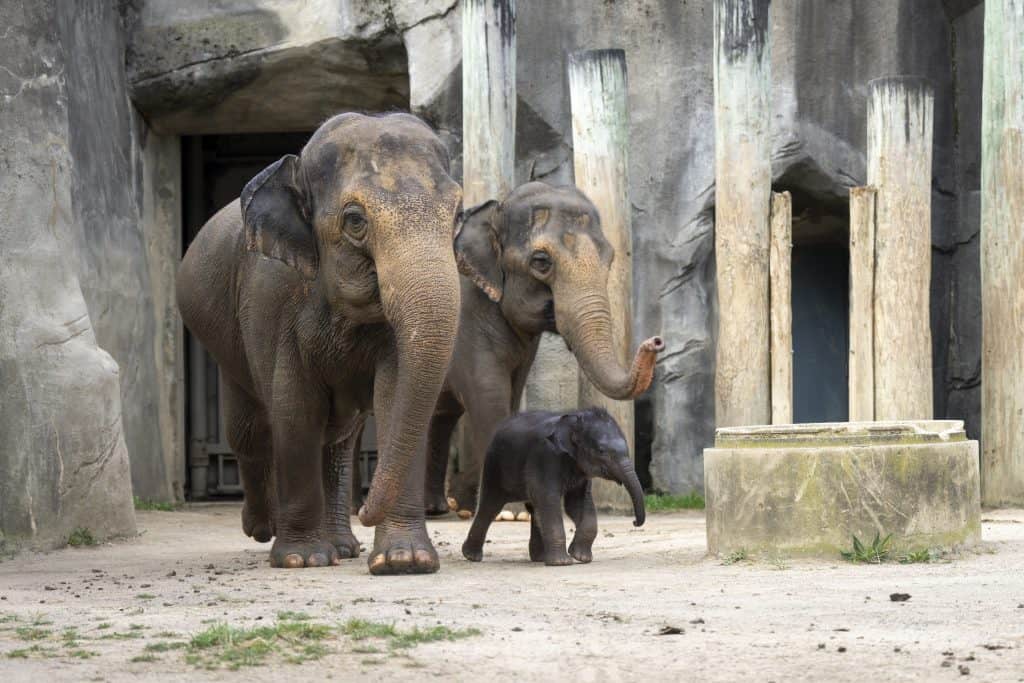
The Columbus Zoo is dedicated to Asian elephant conservation but does not currently house African elephants. Some people may not realize there are differences between Asian and African elephants, but there are actually quite a few distinctions.
“African and Asian elephants are two distinct species. African elephants are generally larger, with ears shaped somewhat like the African continent. Both male and female African elephants typically have tusks, while in Asian elephants, usually only males have tusks. Some Asian females may develop small ones called ‘tushes,'” Fields says.
She also notes that conservation status differs, with Asian elephants classified as endangered. The IUCN Red List has changed over the years, with African elephants first listed as threatened. However, given severe declines in population levels, the IUCN updated African forest elephants to “critically endangered” and African savanna elephants to “endangered.”
Welcoming Rita Jean
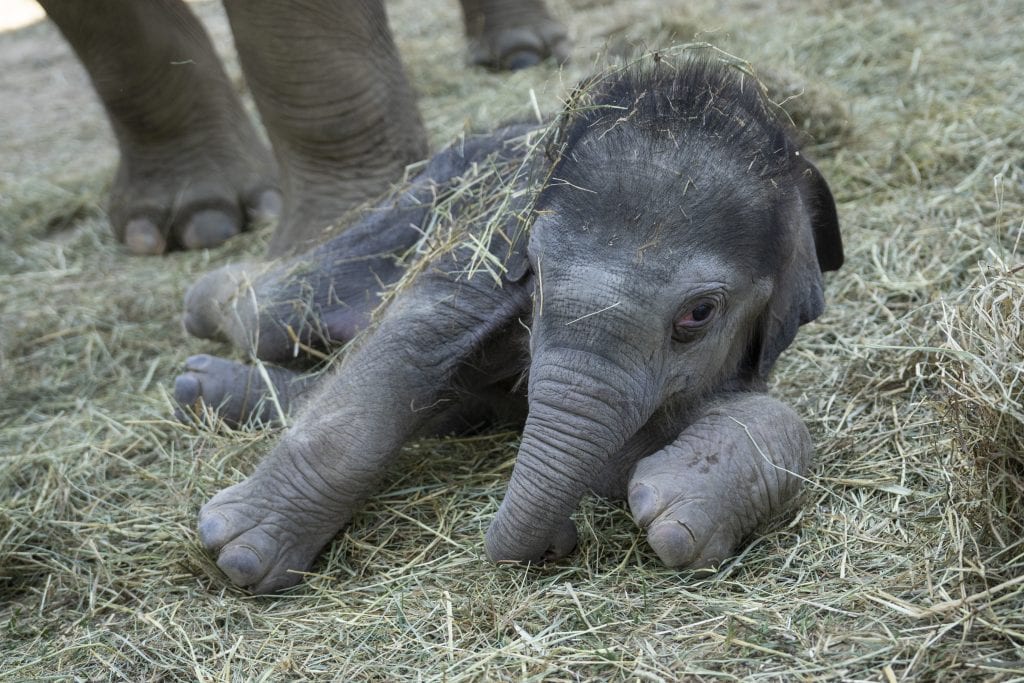
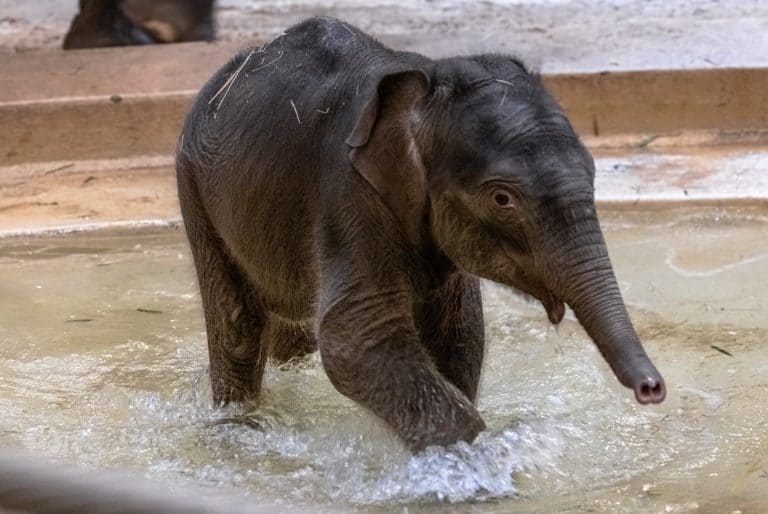
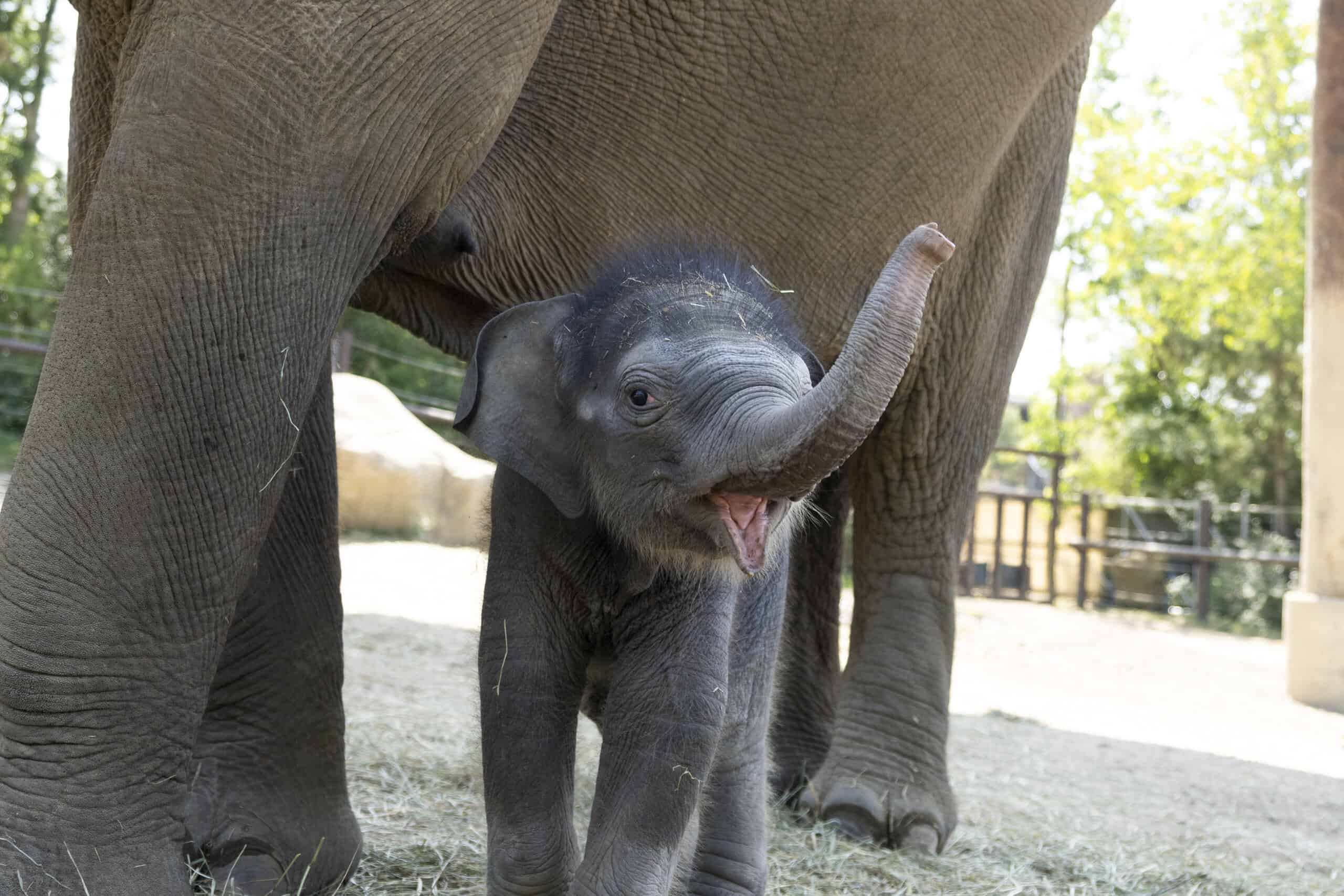
When she was born, Rita Jean already weighed an impressive 215 pounds!
©Grahm S. Jones, Columbus Zoo and Aquarium
Prior to Rita Jean’s birth, the Columbus Zoo housed five other elephant residents: two males named Johnson and Frankie, and three females named Phoebe, Rudy, and Sundara.
Sundara, nicknamed Sunny, is Rita Jean’s mother. She gave birth to Rita Jean, who weighed 215 pounds, on July 23. Rita Jean has grown substantially since, weighing 317 pounds by September 8.
Rita Jean wasn’t introduced to the public until August 4. But this was an intentional decision. “We waited to introduce her publicly to give her time to bond with her mom. That was followed by introductions with her Aunt Rudy,” Fields says.
Rita Jean is growing and gaining confidence every day. She’s gradually exploring farther from her mother, and her personality is shining through: playful, curious, and increasingly outgoing.
Jen Fields, Director of Communications for the Columbus Zoo and Aquarium
Introducing Rita Jean to the Elephant Herd
Typically, elephants hold strong social bonds with each other. A new elephant may disrupt those bonds, or it may take time for the younger elephant to build trust. Despite how adorable Rita Jean is, introducing a new elephant to a herd, even a calf, may cause stress or anxiety with existing herd members. Slow, careful integration is key, often involving the use of barriers or controlled contact to ensure the safety and comfort of all elephants. “Integrating a new elephant into a herd can be both challenging and rewarding,” Fields says.
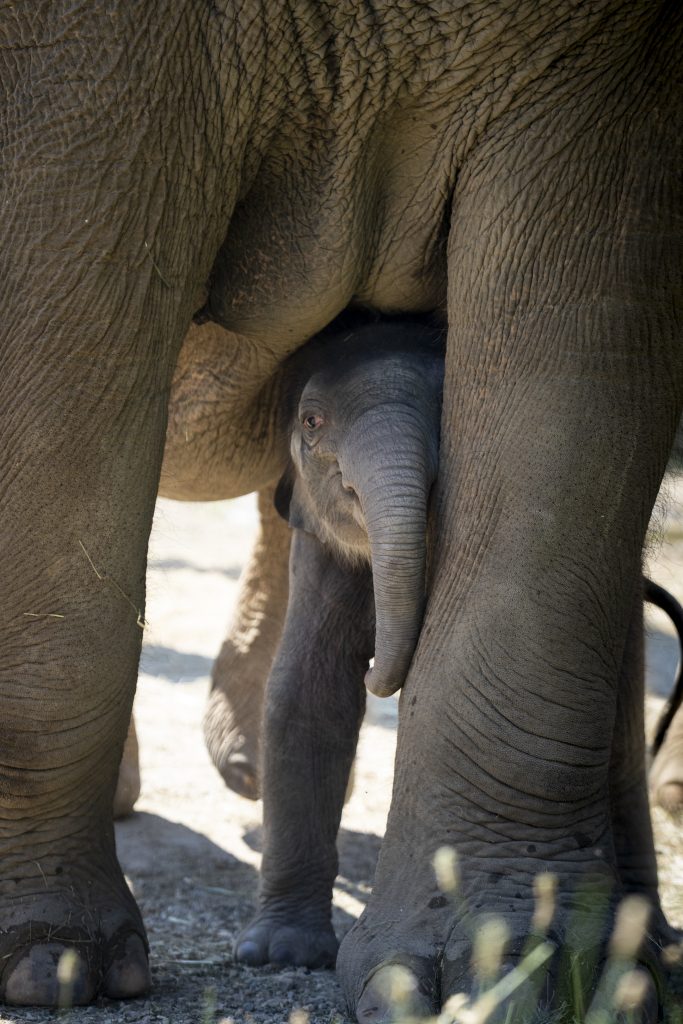
Most elephant calves usually nurse from their mother for two or three years.
©Grahm S. Jones, Columbus Zoo and Aquarium
“The elephant care team has already begun introducing Rita Jean to other members of the herd, and everything is going well so far,” Fields explains. “The biggest adjustment will likely be with Frankie, since this is the first calf he has ever been around. Like many young elephants, he’s playful and curious. Because she’s so much smaller than him, he’s learning how to gently interact with her.”
So far, Rita Jean has been spending most of her time with Sundara, Rudy, Frankie, and Phoebe. As it turns out, Phoebe is also pregnant, so the Columbus Zoo will be expecting another calf sometime this fall.
Why Rita Jean?
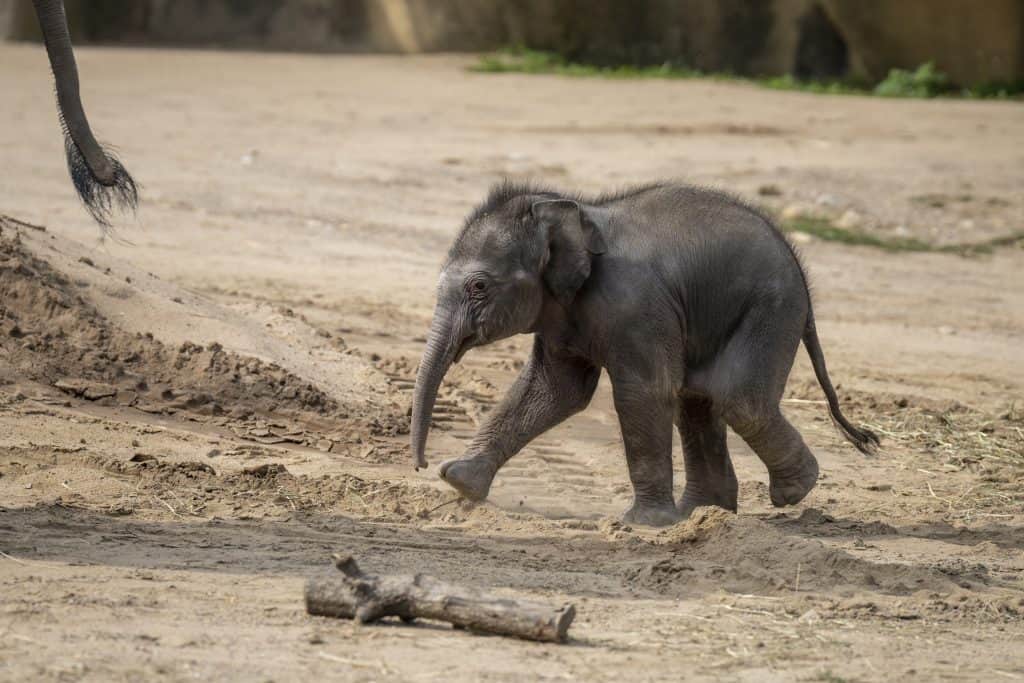
Zoo workers have been pleasantly surprised at how adventurous and bright Rita Jean is.
©Grahm S. Jones, Columbus Zoo and Aquarium
At just two months old, Rita Jean has already been making her mark on the Columbus Zoo and capturing the hearts of visitors from across the country. The elephant care team has explained that Rita Jean is bright and inquisitive. “Rita Jean is growing and gaining confidence every day. She’s gradually exploring farther from her mother, and her personality is shining through: playful, curious, and increasingly outgoing,” Fields says.
To those who named her, these personality traits are unsurprising. Rita Jean’s personality mirrors the very woman she was named after: Rita Jean Wolfe, a brilliant and compassionate woman whose family had been benefactors of the Columbus Zoo since its founding. In fact, the Wolfe family pushed for a zoo to be established in Columbus in the first place.
“The Wolfe family’s legacy has been deeply intertwined with the Columbus Zoo’s history for more than a century,” Fields says. In 1926, the Wolfe family helped fund the Columbus Zoo’s first-ever animal habitat, which housed reindeer the following year.
“Rita Jean Wolfe embodied the same qualities we see in our elephants: strength, resilience, and boundless compassion,” Fields says. “Now, her legacy will be carried forward by one very special elephant calf and the rest of our Asian elephant herd at the Columbus Zoo.”
Future Asian Elephant Conservation Efforts
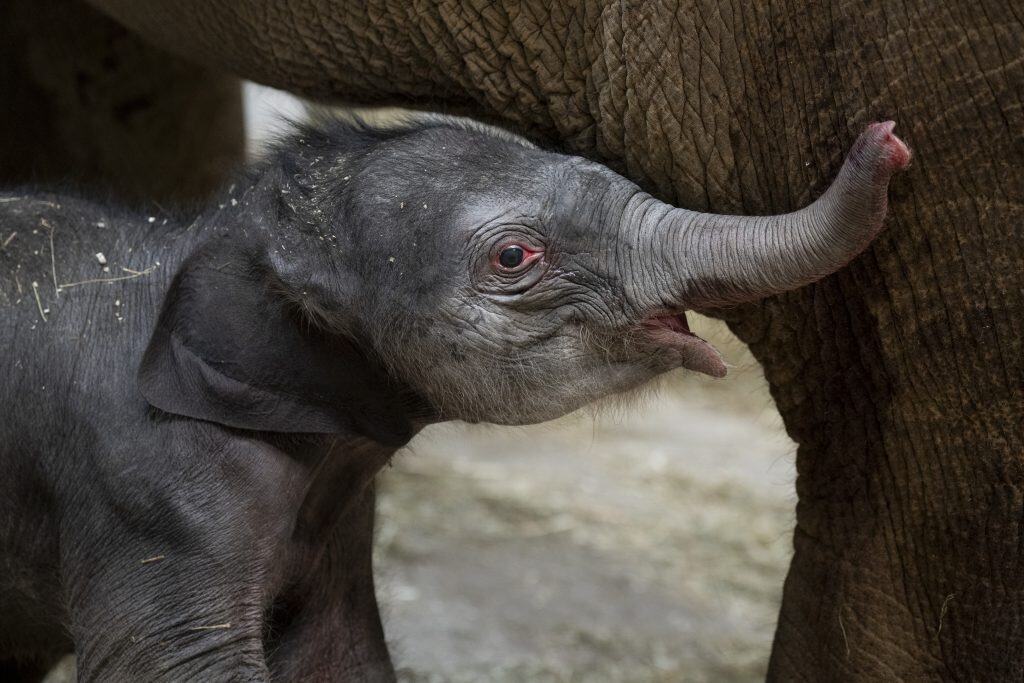
Rita Jean’s birth brings hope that conservation and breeding efforts can improve the future for Asian elephants.
©Grahm S. Jones, Columbus Zoo and Aquarium
Across the globe, elephant populations are in a drastic free-fall. Elephant habitats are destroyed as human cities spread out. Migratory elephants may find it difficult to follow the same routes. Habitat destruction also contributes to a loss of food. But the threats against elephants extend farther than that. Both African elephants and male Asian elephants are frequently poached for their ivory tusks. In 2018, one study published in PLOS One found that Asian elephants are increasingly poached for meat and skin, which is used in jewelry, furniture, and even medicine.
Columbus Zoo Initiatives
Because of the declining population, Fields says, “Rita Jean’s recent birth is a joyful milestone for the Zoo and an important addition to the collective work of accredited zoos to safeguard the future of this species.”
In addition to Rita Jean’s birth and Phoebe’s upcoming birth, the Columbus Zoo contributes to conservation efforts in numerous ways.
“The Columbus Zoo leads the Association of Zoos and Aquariums’ Saving Animals From Extinction (AZA SAFE: Asian Elephant) Program, plays a pivotal role in combating the deadly EEHV virus through its diagnostic lab and national advisory group, and is a long-time supporter of the International Elephant Foundation,” Fields says. “More recently, the Columbus Zoo co-founded the Center for Species Survival for Asian Elephant (CSS Asian Elephant) with the Wildlife Trust of India and IUCN, the first CSS hub dedicated to a single species.”
The goal of the Columbus Zoo’s CSS Asian Elephant initiative is to bring together global experts to collaborate on solutions to the most urgent threats facing elephant species. Through workshops, training, community engagement opportunities, and even an emergency response fund, CSS Asian Elephant aims to create a more sustainable future for Asian elephants.