
With National Snake Day falling on July 16, we’ve decided to discuss snakes and their wildest yet most unknown abilities. From gliding through the air to playing dead (complete with a fake stench), some snakes have truly bizarre adaptations. Here are some of the most unexpected snake behaviors and what they reveal about evolutionary creativity.
1. Gliding or ‘Flying’

The ornate flying snake is one that seemingly glides or “flies” through the air.
©beejung/Shutterstock.com
Did you know that some snakes are capable of gliding through the air? That’s right—some snakes, known as flying snakes, can glide through the air to escape predators or hunt prey.
“Gliding snakes (also referred to as flying snakes) are arboreal snakes that spend the majority of their lives in the canopies of trees,” Dr. Allison Sacerdote-Velat, PhD, Curator of Biology and Herpetology and VP of Conservation Research at Peggy Notebaert Nature Museum, says. “They glide by launching or swinging their bodies off of tree branches, and have evolved the ability to spread their ribs wide, creating a concave shape to their bodies. This concave body shape acts like a parachute, enabling them to slow their descent.”
Sacerdote-Velat adds that the snakes undulate their bodies to achieve greater stability while gliding.
“They use gliding to move from tree to tree without descending one trunk, crossing the ground, and climbing another,” she further explains. “This time- and energy-saving movement helps them quickly escape avian predators or pursue prey.”
2. ‘Seeing’ Heat

Some snakes have “pit” organs in their heads that allow them to detect infrared radiation.
©MaeMatilda/Shutterstock.com
Another fascinating fact is that some snakes can actually ‘see’ heat through a process called infrared sensing. According to a study published in the National Library of Medicine, snakes use this sensory system to detect infrared radiation. They generate a ‘thermal image’ of predators and prey using specialized ‘pit’ organs on their heads. This helps them detect warm-blooded prey from a distance as well as avoid nearby predators.
3. Faking Death
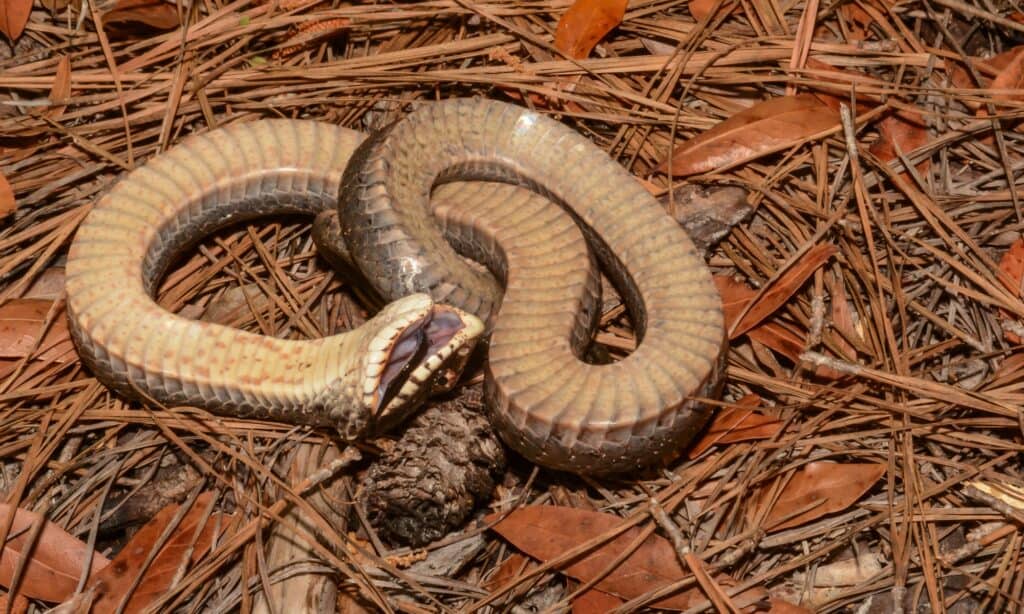
The eastern hognose snake often plays dead to avoid threats.
©iStock.com/JasonOndreicka
Like some other animals, certain snakes play dead when threatened.
“Death-feigning has evolved in many species of animals, including opossums and beetles, but hognose snakes are well-known for this behavior,” Sacerdote-Velat says. “It is part of several defensive behavioral displays that they use to deter predators.”
According to Sacerdote-Velat, the snake will often flip over as if dead, even emitting a foul odor. Sometimes, it will stick out its tongue to enhance the illusion. While it might seem like a silly display, this behavior can be life-saving for the snake.
4. Producing Offspring Without Male Fertilization
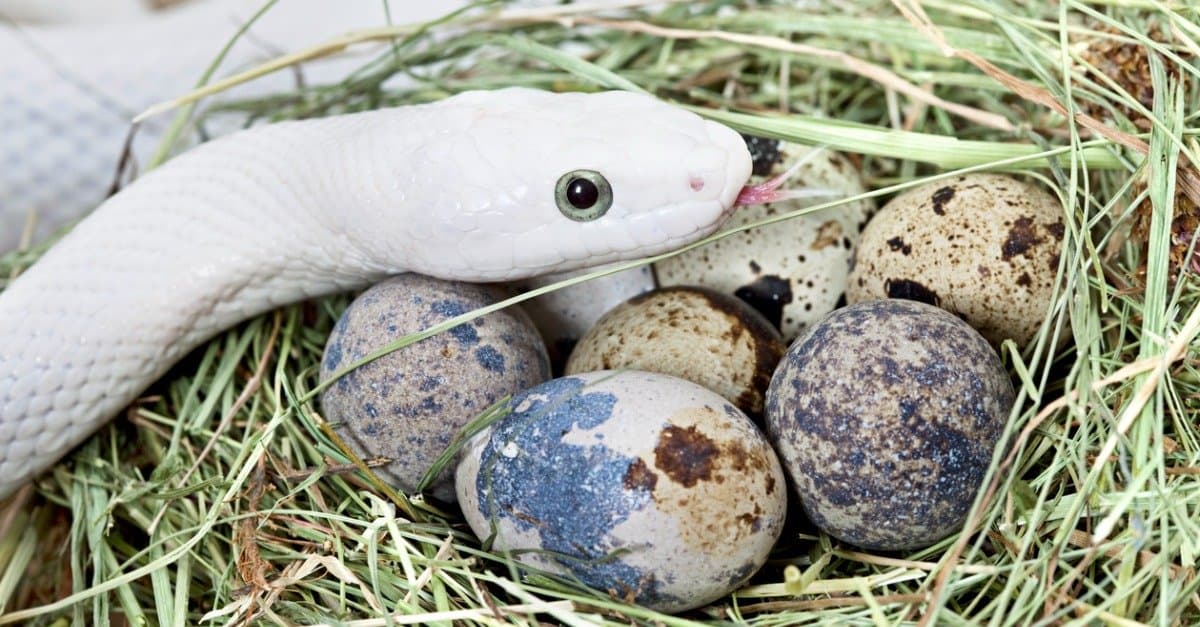
Some female snakes are capable of producing offspring without males.
©iStock.com/alkir
Almost 10 years ago, The Guardian released an article about a female yellow-bellied water snake that was able to reproduce on her own, without a male counterpart. The process is referred to as parthenogenesis, a form of asexual reproduction. In this case, the female can produce an embryo without fertilization by male sperm.
Parthenogenesis is more common in aphids, bees, wasps, and ants. However, some vertebrates like certain sharks, lizards, birds, and, of course, snakes can do it, too.
5. Putting on Defensive Displays
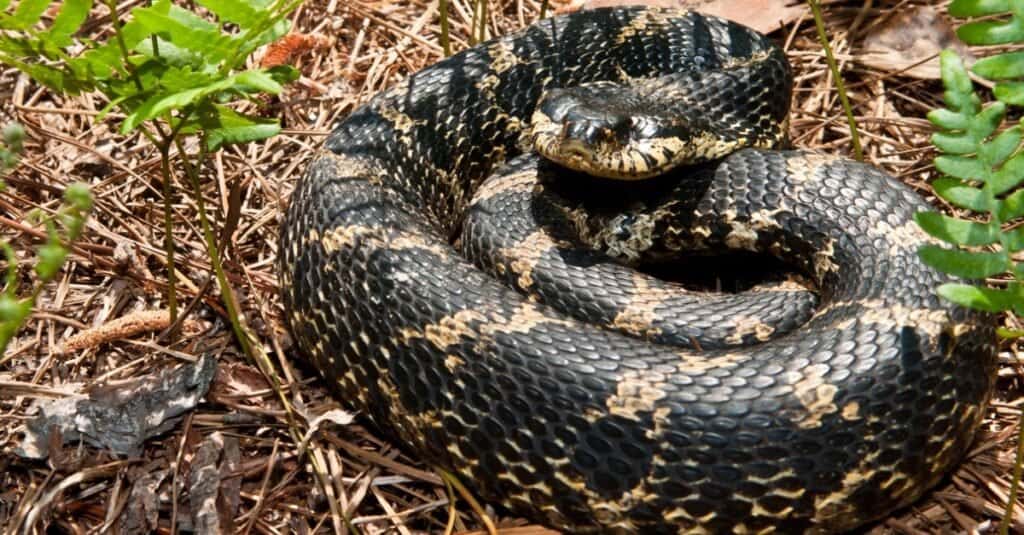
Hognose snakes are quite the actors.
©iStock.com/JasonOndreicka
In addition to playing dead, some snakes can also mimic more dangerous species to deter predators. One example is the hognose snake.
“Hognose snakes are also referred to as ‘puff adders,’” Sacerdote-Velat says. “While they are not adders, they can flatten out their head and part of the neck, giving the appearance of a larger venomous species. They will strike at the ground as part of this display.”
If this display doesn’t work, they usually resort to playing dead.
6. Cloacal Popping
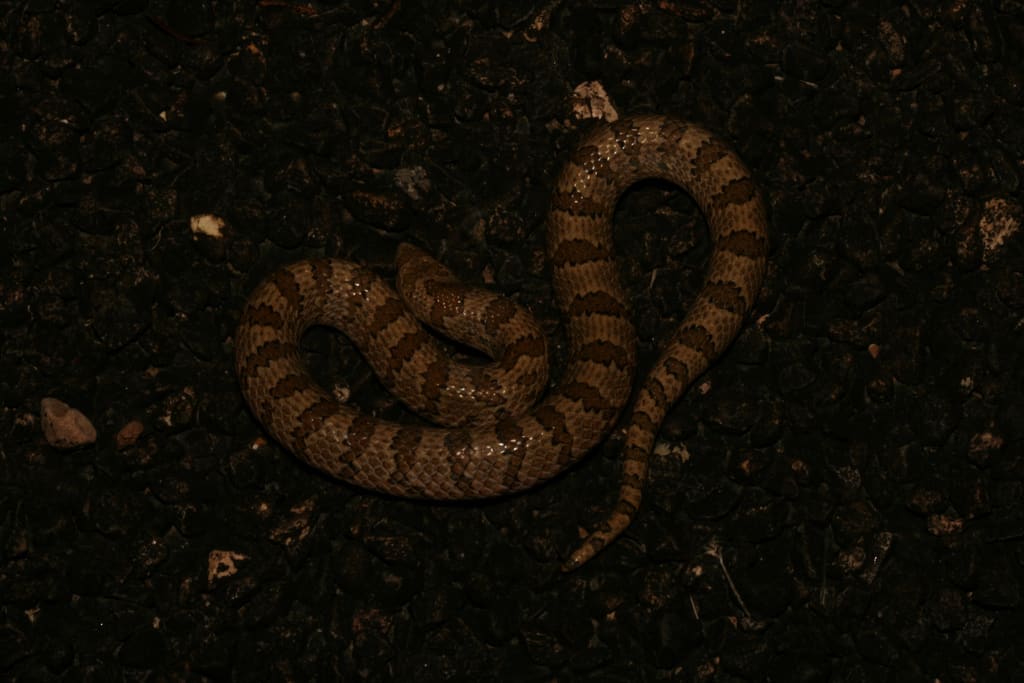
The western hook-nosed snake is known for its powerful farts.
Cloacal popping is another fascinating (and perhaps humorous) defense mechanism. Essentially, it refers to a snake’s ability to produce a loud fart as a warning. That’s right: instead of hissing or rattling, some North American burrowing snakes produce powerful farts to scare away predators. These sounds can be heard by other animals from up to two meters away. They resemble human flatulence, though higher-pitched, and often occur in rapid succession. Basically, these snakes can fart on command by contracting their cloacal sphincter and forcing air out. If that’s not one of the wildest snake abilities, it’s hard to imagine what is.