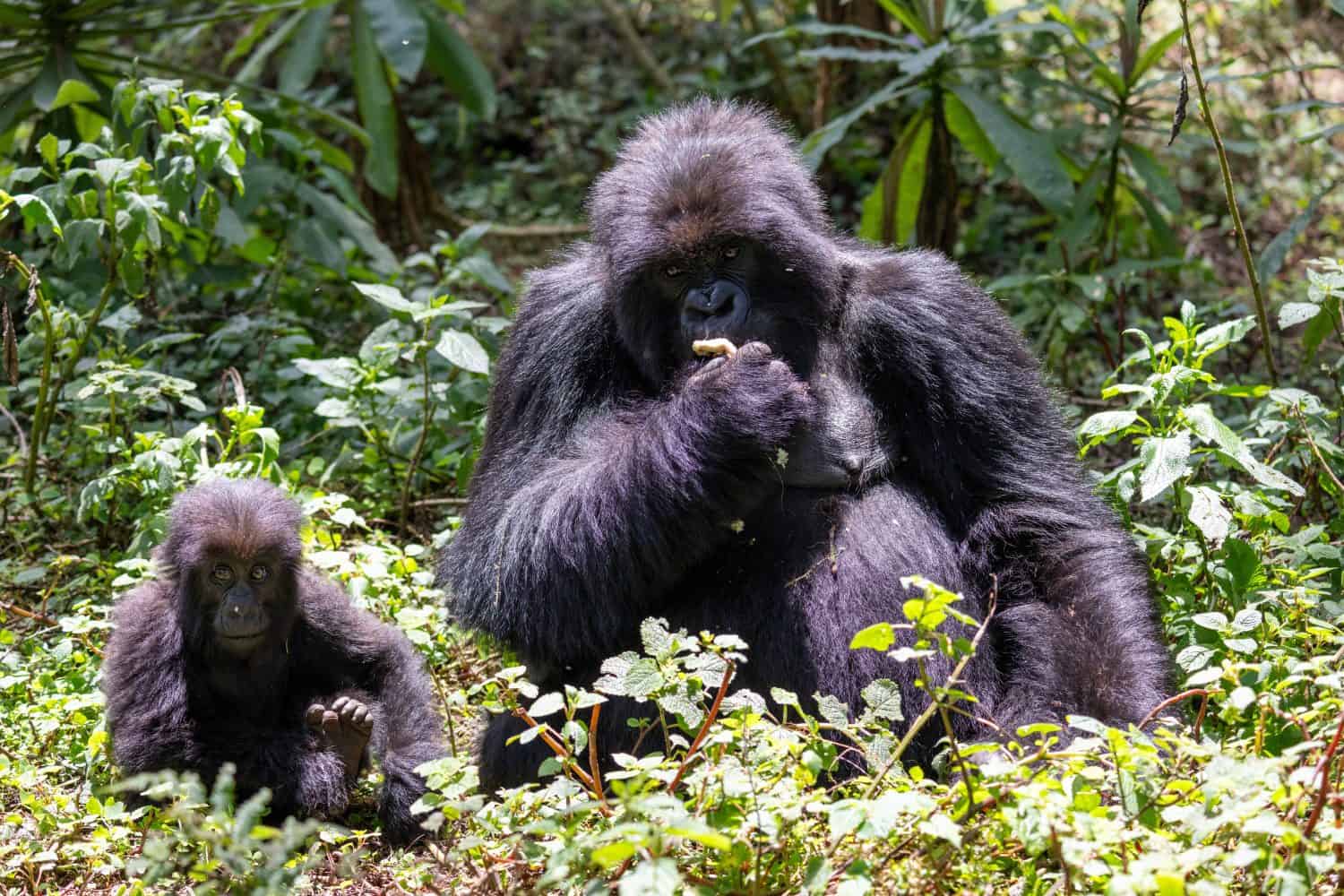

Quick Take
- Scientists can now collect DNA from mountain gorillas without ever seeing one, and the source of that DNA is stranger than you would expect. How eDNA is collected →
- A single water sample can identify mammals, birds, and amphibians all at once, yet there is a hidden flaw in the data that could send conservationists chasing ghosts. The hidden flaw explained →
- Rwanda's eDNA program launched with one goal, then quietly shifted to something far more urgent for endangered species. Why tracking priorities shifted →
- Mountain gorillas once faced near-certain extinction, and what reversed that trajectory may surprise you. Now, eDNA represents the next chapter in their story. Gorilla recovery and what's next →
Rwanda is home to 26 different primate species. From apes to monkeys and even gorillas, each has its own unique habitat and conservation needs. To better meet these needs, Rwanda is using wild DNA to find hidden primates, specifically those that are endangered. The process provides information not only about the primates but also about other species living within the habitat, all without ever coming into contact with a wild animal.
eDNA is Being Used to Track Endangered Primates in Rwanda
Traditionally, obtaining high-quality DNA from wild animals often requires locating animals directly or collecting biological samples from areas they have recently been. This is time-consuming and could potentially be distressing for the animals.
Researchers have now developed another method for collecting DNA from primates. The process is done via eDNA, a technology that both saves time and significantly reduces stress on the species being studied.
Rwanda is home to several endangered primate species. Two in particular—the golden monkey and the mountain gorilla—have a safe sanctuary in Volcanoes National Park. However, tracking these primates has proven difficult. Thanks to the national park’s terrain and the ease with which the species can hide, gathering DNA information can be challenging at best.

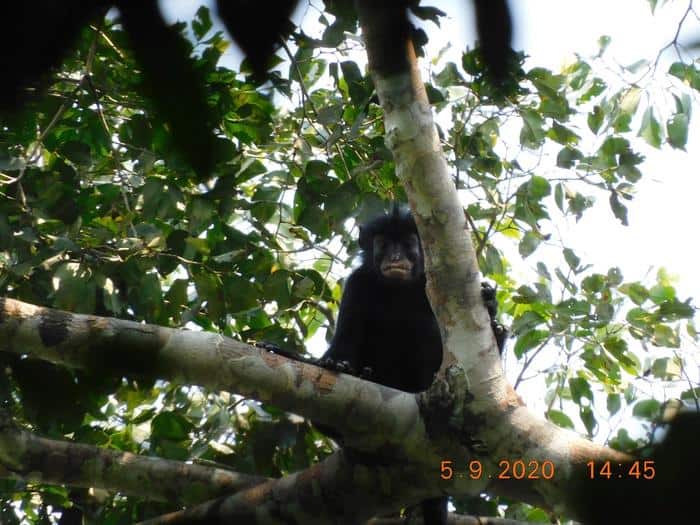
Endangered species, such as golden monkeys, can be better tracked using eDNA.
©Tony Campbell/Shutterstock.com
The African Wildlife Foundation, in conjunction with the Rwandan government, first introduced eDNA for conservation reasons. The goal was to compile a list of all the species in the country.
However, the goal has shifted slightly. Now, instead of just creating a list of species, those that are endangered can be better monitored, according to Deogratias Tuyisingize, a researcher with the Dian Fossey Gorilla Fund involved with the project. This is all done with a simple DNA collection method that never involves coming into contact with an animal.
“With one sample, you can detect multiple species, mammals, birds, amphibians and many others,” Tuyisingize told the Associated Press. “We can see how species are colonizing these sites over time.”
Understanding where species are moving within an ecosystem can help conservationists and rangers in national parks better protect them. Everything from stopping the spread of invasive species to improved patrols against poachers can be done with the assistance of eDNA.
What eDNA Technology Is
The technology researchers use to track golden monkeys, mountain gorillas, and other species is called environmental DNA (eDNA). It represents a significant advancement in tracking endangered species. This is especially true in places like Volcanoes National Park, where the terrain is steep and there are multiple places for species to hide.

eDNA allows DNA to be collected from a habitat without disturbing wild animals.
©Marchu Studio/Shutterstock.com
eDNA is DNA that animals shed within their habitats. Some of the most common sources of DNA include:
- Feces
- Hair
- Mucus
- Skin cells
- Carcasses
These materials can be found in water, soil, air, and other environments to determine if a species is present.
Advantages and Disadvantages of Using eDNA
One of the major benefits of collecting eDNA is that the process is non-invasive. Animals are not stressed by having their DNA collected directly from their bodies. Additionally, collecting and analyzing eDNA is a fairly inexpensive process. Furthermore, the procedure can identify other species in the habitat that may not have been previously known.

While there are advantages to eDNA, such as not stressing animals, there are limitations.
©H_Ko/Shutterstock.com
There are some limitations to using only eDNA. The main limitation is that while eDNA can show a species has been present in the environment, it cannot determine when the species was there.
Why is it Important to Track Endangered Primates in Rwanda?
Significant effort has gone into saving endangered primates in Rwanda. Therefore, tracking them to keep population data up to date could be reason enough to use eDNA. However, this is only one of the reasons tracking endangered primates is so important.
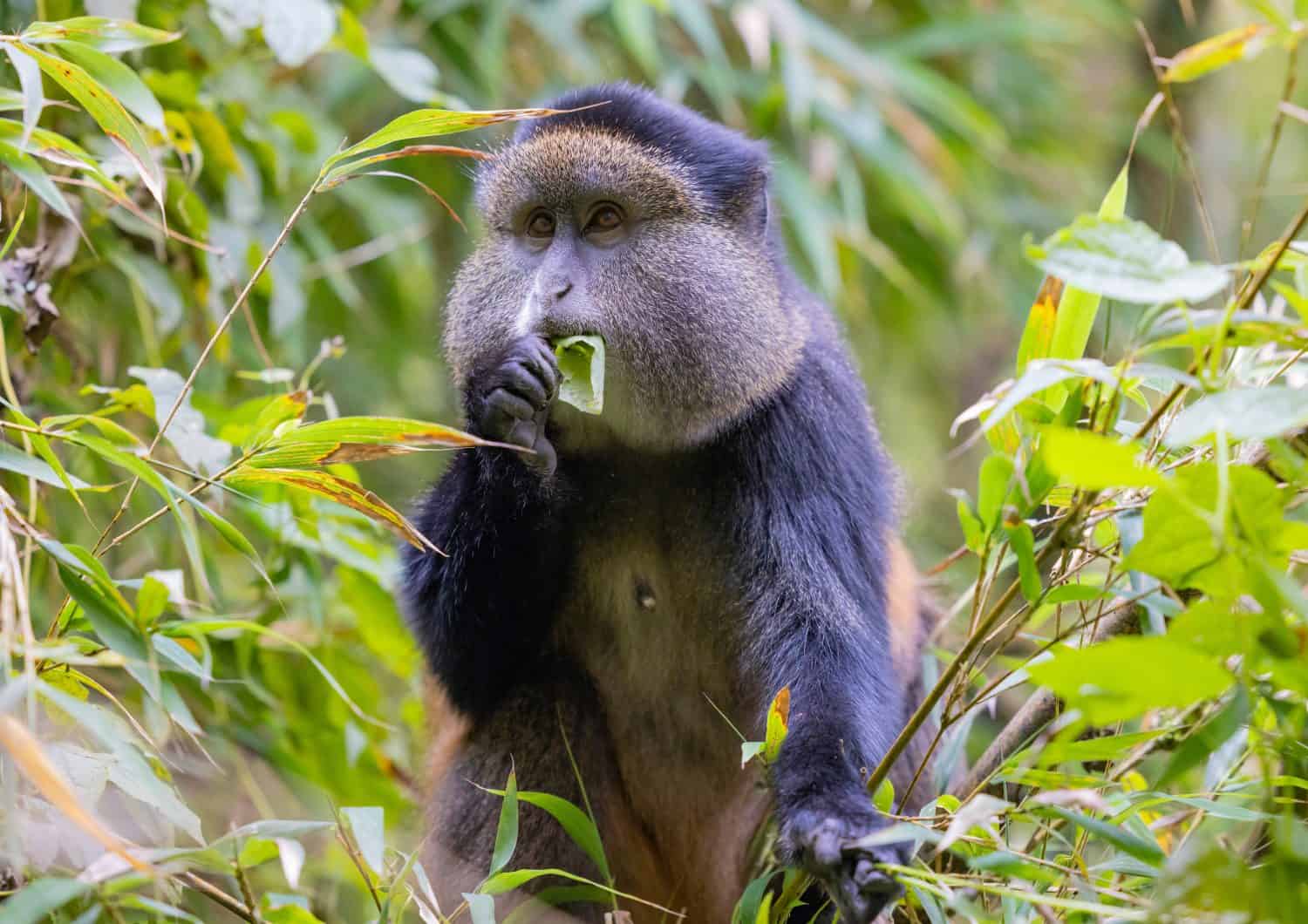
Tracking endangered primates, such as the golden monkey, can help to better protect them and their habitats.
©Hyserb/Shutterstock.com
Some of the reasons tracking endangered primates in Rwanda is necessary are as follows:
- Illegal poaching can be tracked
- Snares can be removed before harming wildlife
- Stress from human encroachment can be witnessed in real time
- Habitat restoration and preservation can be addressed
As endangered primates are tracked, researchers also receive information about the overall health of the ecosystem the animals live in, how policy decisions are positively or negatively impacting the species, and how the primate tourism industry is affecting the species and their habitats. Tracking provides a wealth of information. Now that eDNA allows this to be done without disturbing monkeys or gorillas, it is even more advantageous.
What Led Primates to Become Endangered in Rwanda
Primates such as golden monkeys and mountain gorillas have been targeted in Rwanda for decades. While conservation efforts in Volcanoes National Park have led to a slow recovery of their populations, the species are still endangered.
Golden monkeys and mountain gorillas in particular have faced both environmental and human-induced pressures. Some of the pressures that have led to these primates becoming endangered species include:
- Habitat loss
- Habitat fragmentation
- Human-primate conflicts leading to the trapping and killing of primates
- Poaching
- Illegal trade
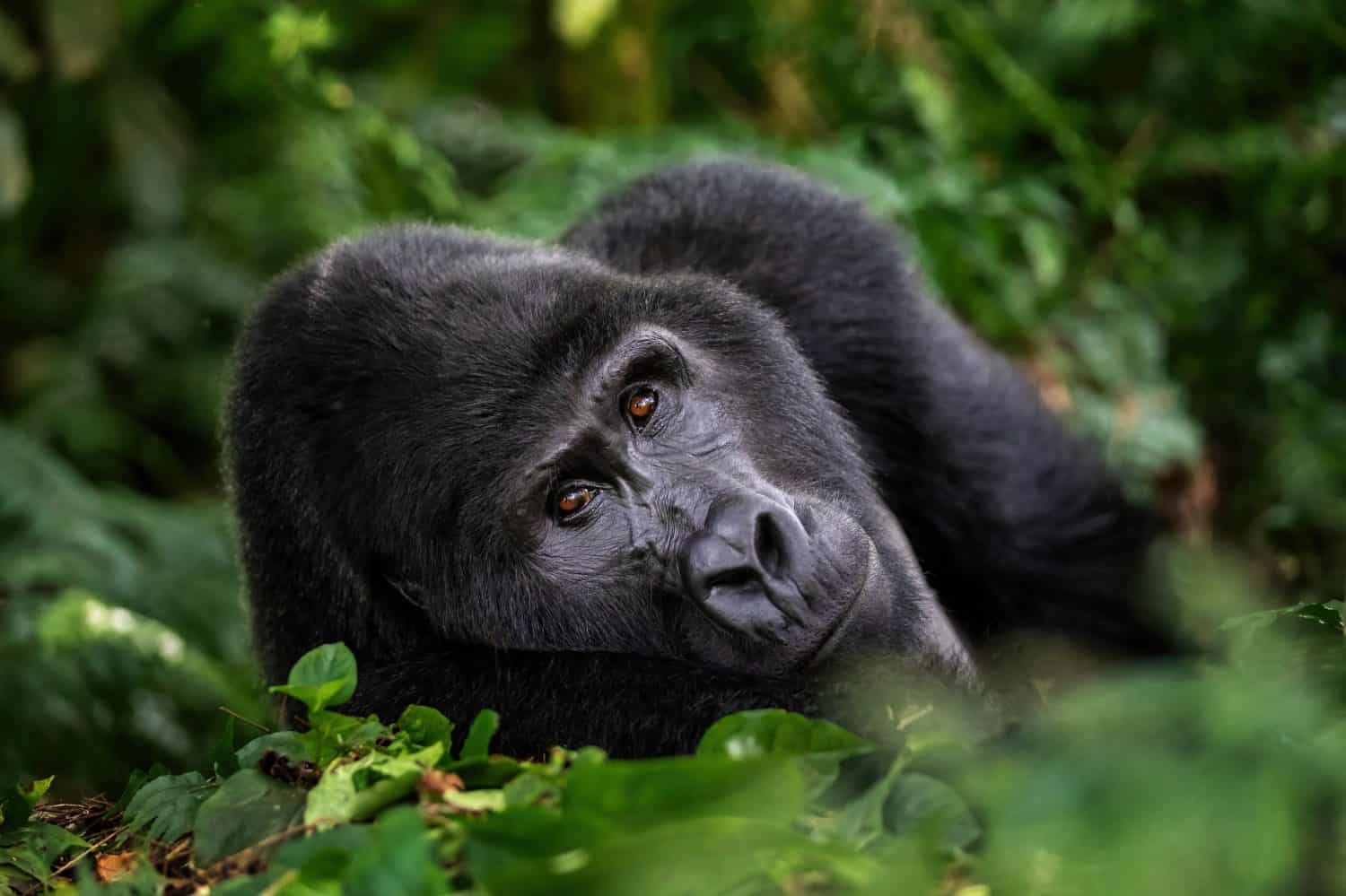
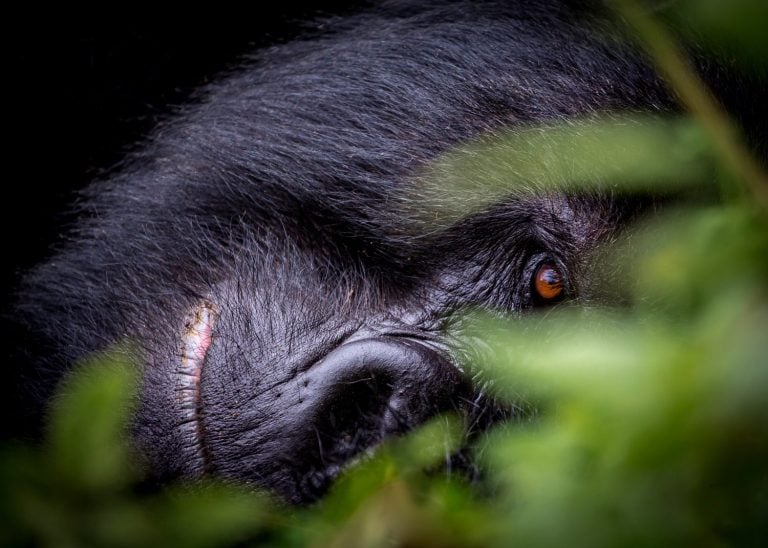
Mountain gorillas have become endangered due to poaching, illegal trade, and habitat loss.
©Jane Rix/Shutterstock.com
The current population of golden monkeys in Rwanda is unknown. However, it is believed that the global population is between 3,000 and 4,000.
Conservation efforts in Volcanoes National Park have played a major role in increasing the mountain gorilla population. With a global population of approximately 400 in the 1980s, the number has grown to approximately 1,000 today. Of that total, 604 reside in the national park.
While there is still a long way to go to ensure a future for golden monkeys, mountain gorillas, and other endangered primates in Rwanda, conservation efforts have made a difference. Now, with the implementation of eDNA, understanding where these species live will further aid efforts to protect and save them from extinction—an outcome that seemed almost inevitable a few decades ago.