
Quick Take
- The very traits that make parrots irresistible as pets are pushing them toward extinction, and most owners have little idea how direct that connection really is. See why desirability drives extinction →
- Poachers capture far more parrots than they could ever sell, and understanding the reason why exposes just how brutal the journey from jungle to pet store really is. Explore the deadly journey →
- The illegal parrot trade operates at a scale that makes national bans and international treaties look almost powerless, and this piece examines why enforcement keeps failing. See the scale of trafficking →
- Some parrot species sell for more than a used car, which explains why one particular country waited until 2025 to make trafficking them a criminal offense. See the high-value species →
World Parrot Day is a fitting time to zoom in on the current state of parrot populations in the wild and understand key factors threatening these amazing birds.
The Current Reality for Parrot Populations
According to the IOC World Bird List, there are more than 400 species of parrots found around the world, from snow-capped mountains to tropical rainforests. In fact, every continent except Antarctica has wild parrots living somewhere in its landscapes.
The greatest diversity of parrots anywhere on earth is found in South America and Australasia, with South America home to instantly recognizable species like macaws, amazons, and conures. The Australasian region (which includes Australia, New Zealand, and the Pacific Islands) is another area with diverse parrot populations, including cockatoos and lorikeets. Islands are also hotbeds for parrot populations, with each island often having its own unique species, like the Puerto Rican amazon and the black parrot of Madagascar.
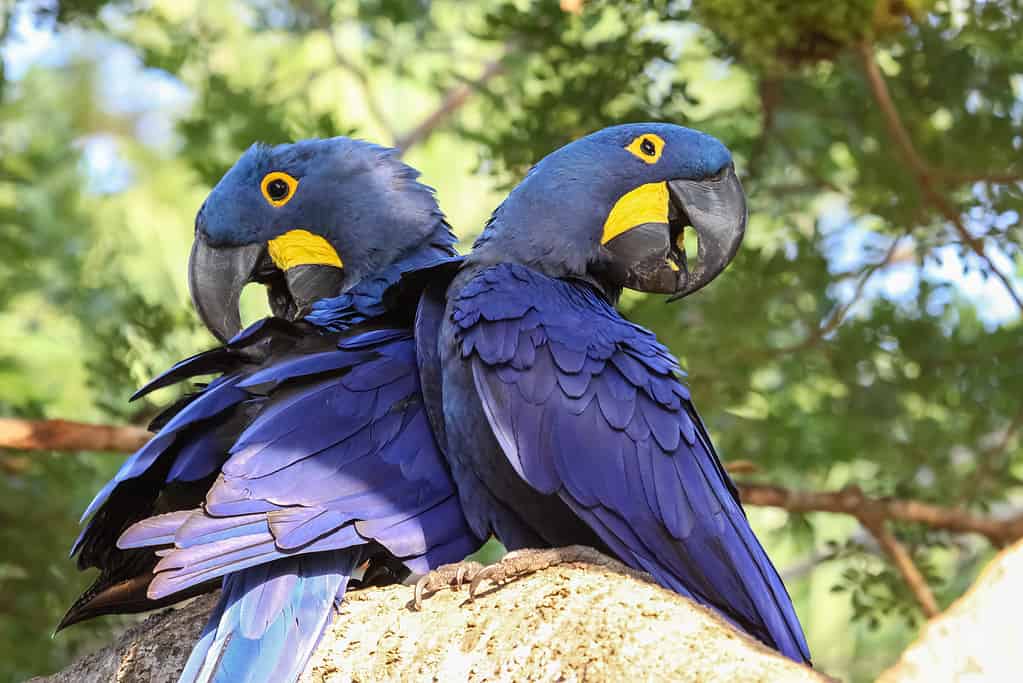
The hyacinth macaw is one of the most-trafficked parrot species.
©Uwe-Bergwitz/iStock via Getty Images
While parrot species may look very different from one another, they all share a common challenge: threats to their native populations, including habitat loss, disease, invasive species, and climate change.
But one threat poses a greater risk than most others: poachers. Capturing wild parrots is a lucrative business thanks to a booming demand for parrots as pets. Researchers note the illegal wildlife trade is the fourth-largest black market industry in the world.
Why Are Parrots Targeted by Poachers?
It’s their popularity as human companions that threatens wild parrot populations the most. According to the World Parrot Trust, nearly one in three species is globally threatened with extinction. The IUCN Wild Parrot Specialist Group notes that nearly one-third of 410 parrot species are threatened with extinction, and all but four are listed on the global Convention on International Trade in Endangered Species of Wild Fauna and Flora (CITES).
Parrots, by their very nature, are attractive as human companions. These birds are beautiful, charismatic, and intelligent. They’re also highly social creatures and live a long time, with larger species having an average lifespan of 50 to 80 years. Some macaws living in captivity have even been known to live for more than 100 years.
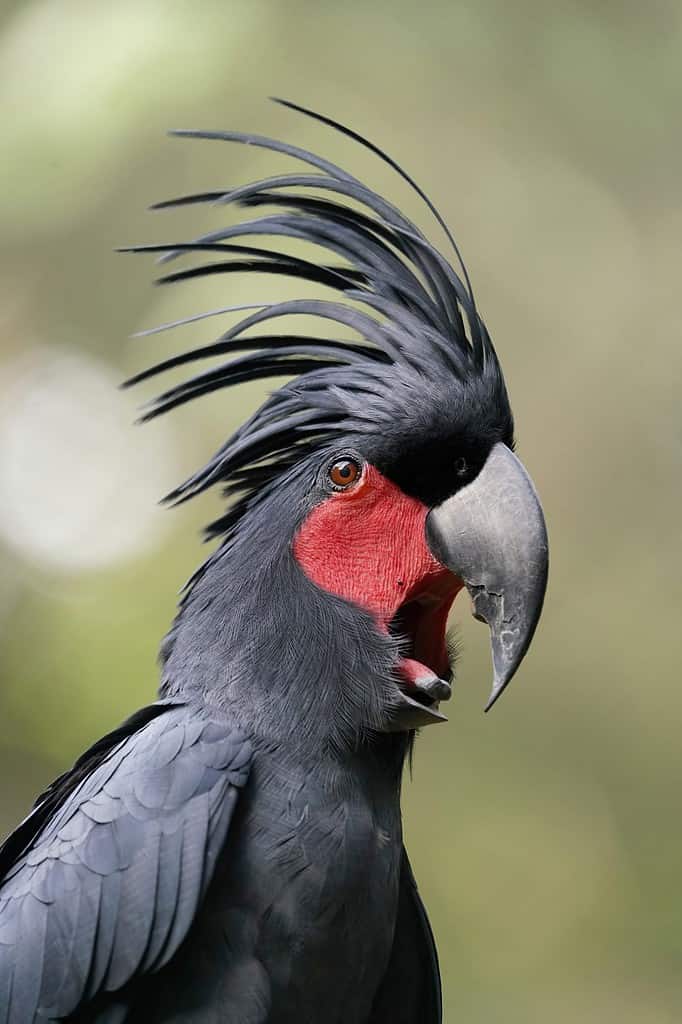
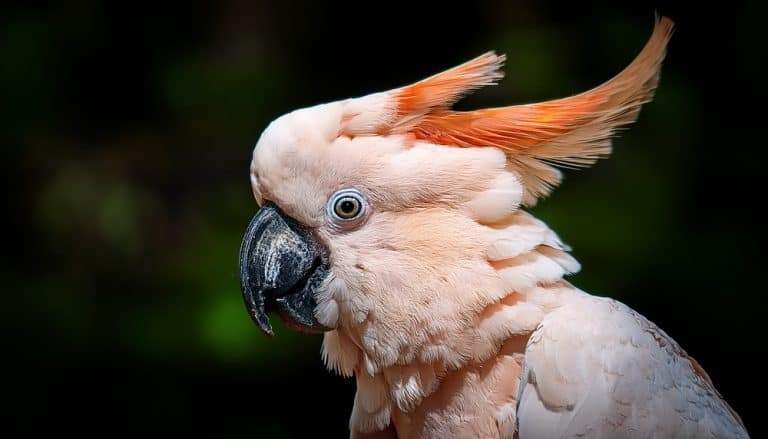
Cockatoos are another parrot species often targeted in the illegal wildlife trade.
©DLeng/Shutterstock.com
It’s easy to see why parrots are so coveted, and there is a booming market for them as pets. While a legal pet trade exists to satisfy this demand, profits are greater for poachers who eliminate the costs associated with following the rules.
BirdLife International estimates the global illegal wildlife trade generates between $7 and $23 billion annually, and that one of every four bird and mammal species is impacted. Certain parrot species sell for $1,000 or more, making the risk more than worth it.
The Global Trafficking Network is Immense
While organizations like CITES and national laws ban the unauthorized trade in wild parrots, these measures are not enough to stop the illegal parrot pet trade. The volume is simply too high and spans the entire globe. Latin America, Africa, and Asia are the starting points for illegally smuggling parrots to foreign destinations, with the United States being one of the most popular.
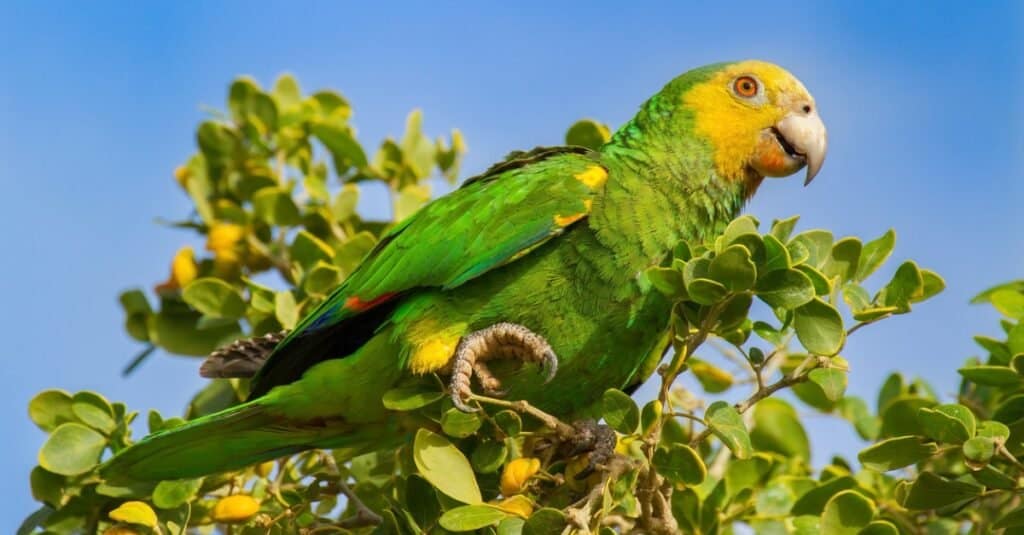
There are 35 species of Amazon parrots.
©iStock.com/Ben-Schonewille
According to BirdLife International, a study of pet markets in Bolivia found that 94 percent of the more than 22,000 individual parrots from 31 different species were wild-caught and illegally traded each year. The same study noted that trappers in Mexico capture up to nearly 79,000 wild parrots annually.
Africa is also a hotbed of the illegal parrot trade. In 2024, more than 17,000 African grey parrots poached from the wild were tracked through a single airport in the country’s Tshopo province. In Asia, more than 6,500 illegally traded birds were seized from a single truck on the island of Sumatra.
It’s Also Deadly
Parrots caught up in the world’s illegal trafficking networks don’t fare well. Approximately 77 percent of the 65,000 to 78,500 birds captured in Mexico’s forests die in transit each year. Researchers studying Nicaragua’s illegal parrot trade note that the mortality rate during shipping is so high that poachers capture four times as many parrots as they need to offset the loss.
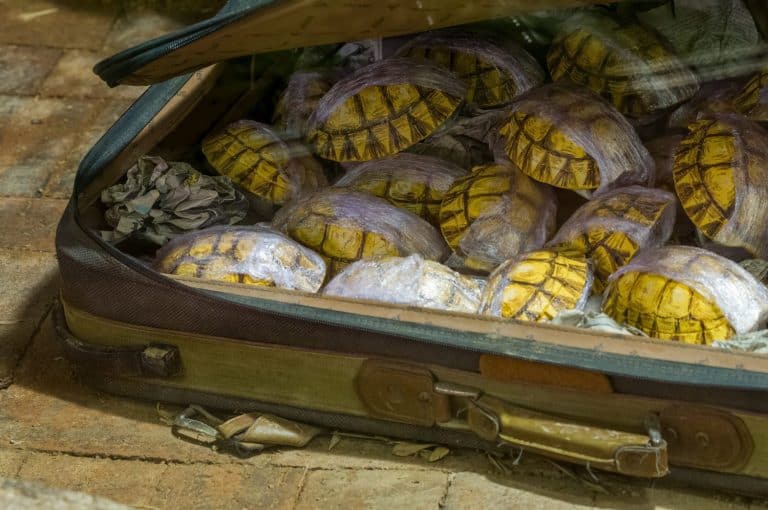
For the birds in the poachers’ sights, conditions are bleak. Poachers often use glue-covered branches to trap parrots, then stuff large numbers into small crates for transportation. In other cases, traffickers force parrots into tubes and pack them inside domestic luggage.
The Species Most at Risk
The parrot species most at risk from the illegal wildlife trade include:
African Grey Parrot
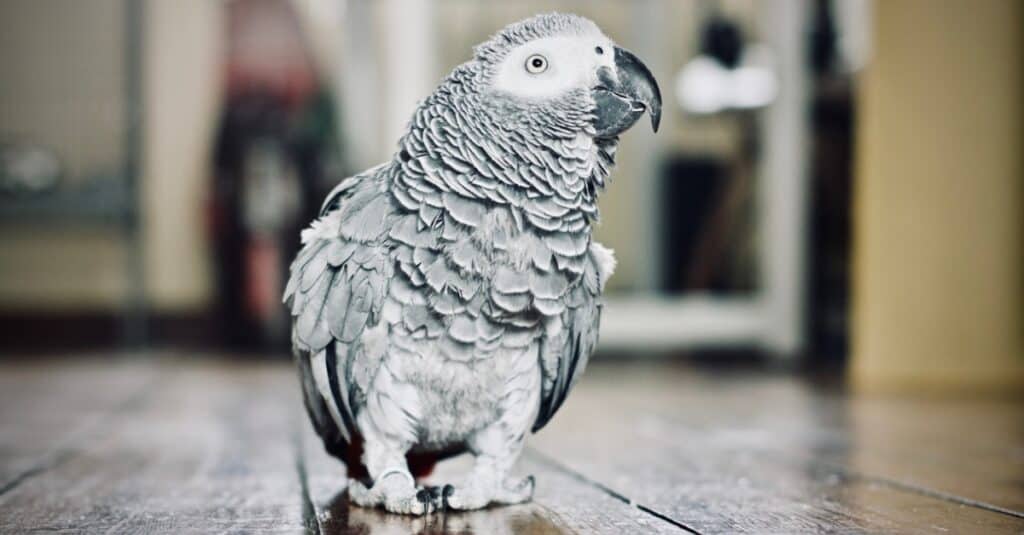
The African grey parrot can learn around 1,000 words, making it a very popular pet.
©iStock.com/Adrian Black
Thanks to their intelligence and personalities, African greys top the list of most-wanted parrots for traffickers. The species is listed as endangered on the IUCN Red List. Up to 66 percent of captured grey parrots die before ever entering the illegal trade network. More than half of the world’s African grey parrot population lives in the Democratic Republic of Congo. The country finally implemented a law on July 31, 2025, making grey parrot trafficking a criminal offense.
Yellow-Crested Cockatoo
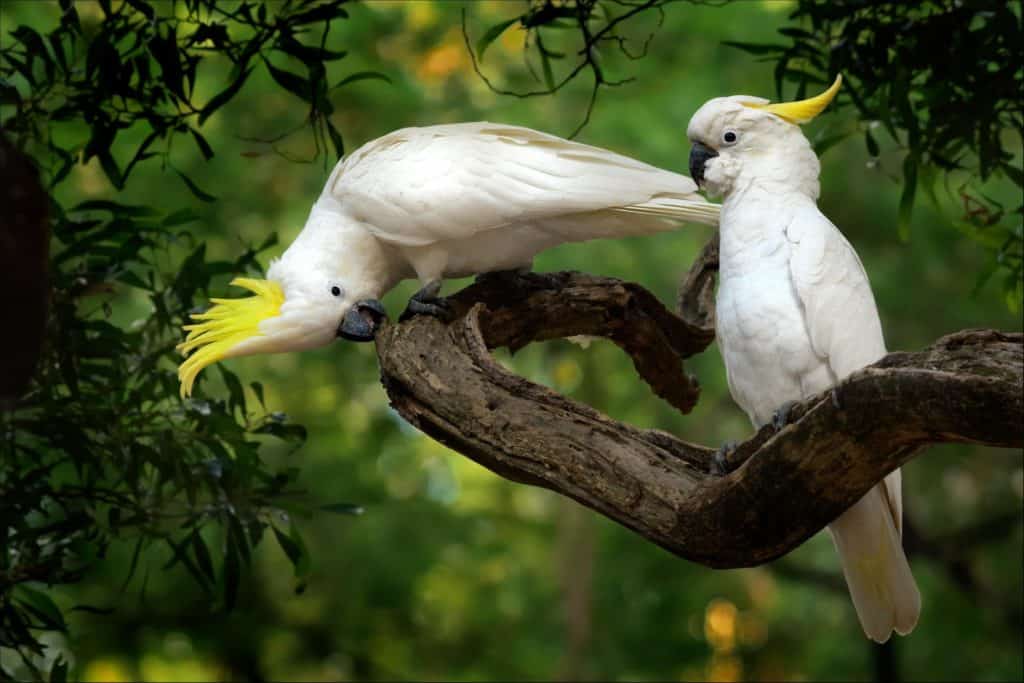
Yellow-crested cockatoo populations in the wild are critically endangered.
©iStock.com/phototrip
Yellow-crested cockatoo populations in the wild are estimated to be between 1,200 and 2,000. Fueled by a social-media frenzy for the colorful bird, the illegal trade is thriving. The bird is listed on the IUCN Red List as critically endangered. The governments of Indonesia and the Philippines have pledged support to curb the trend.
Macaws
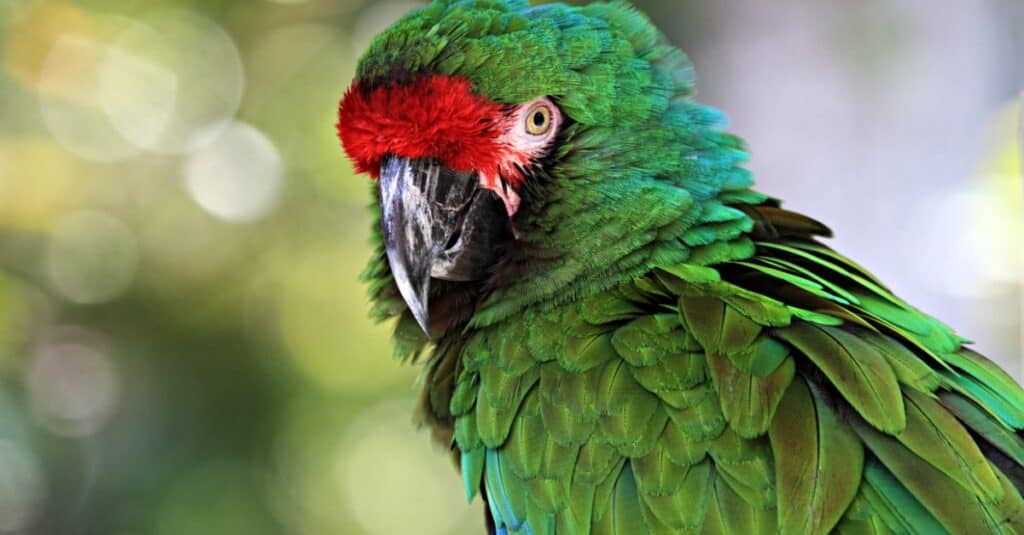
The great green macaw is listed as critically endangered by the IUCN.
©iStock.com/Eva2k0
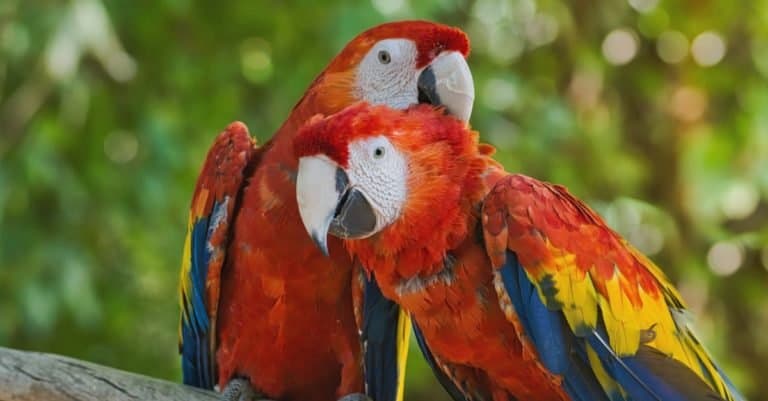
Several species of these large, colorful birds, including hyacinth, great green, scarlet, and military, are among the most sought-after parrot species by poachers. The IUCN Red List considers the hyacinth and military species vulnerable, and the great green critically endangered. The scarlet macaw is listed as ‘Least Concern’ globally, but is considered threatened or endangered in several regions.
Yellow-Naped Amazon
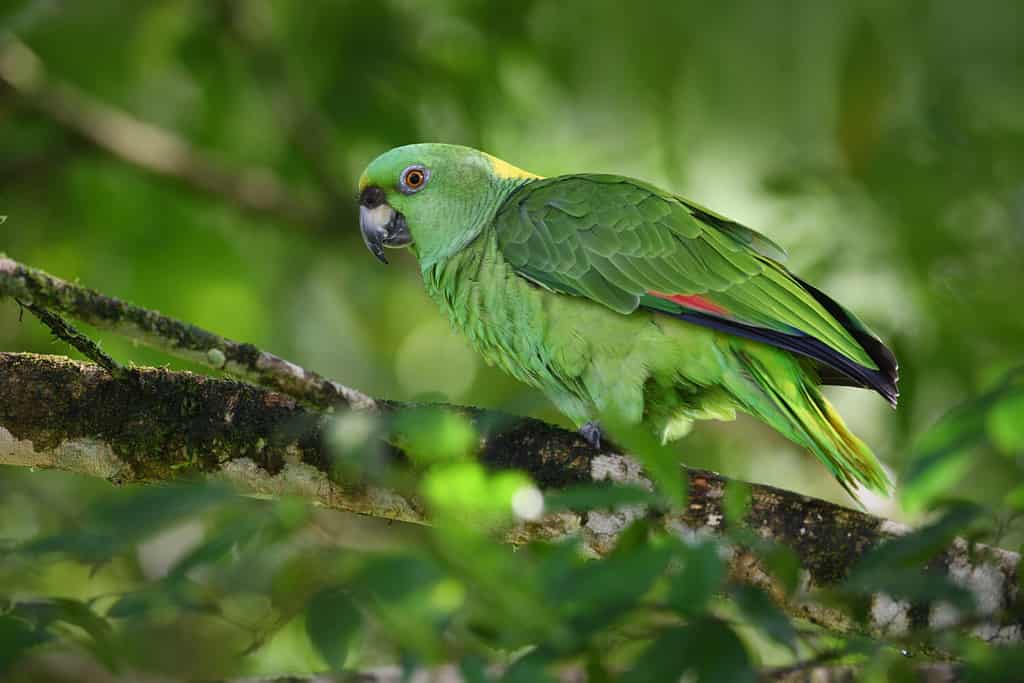
The yellow-naped Amazon parrot is another species heavily targeted by traffickers.
©petrdd/Shutterstock.com
Appearance, personality, and mimicking ability drive demand for the yellow-naped amazon parrot. It’s estimated that more than 90 percent of wild nests are poached, with most chicks dying in transit.
Sanctuaries and Organizations Helping Parrots
Groups around the world are working to curb the illegal parrot trade. These include, among others, the World Parrot Trust, BirdLife International, the IUCN Wild Parrot Specialist Group, One Earth Conservation, and the International Alliance for the Protection of Parrots.
In the U.S., many sanctuaries are helping rescue and rehabilitate parrots brought to the country to be sold as pets. Foster Parrots is the largest avian rescue organization in the Northeastern United States. The Oasis Sanctuary in Arizona provides permanent lifetime care for rescued parrots. Serenity Park Sanctuary in California pairs abandoned and owner-surrendered parrots with military combat veterans who care for the birds. The Sarasota Parrot Conservatory in Florida offers a parrot-assisted therapy program to help trauma survivors heal.