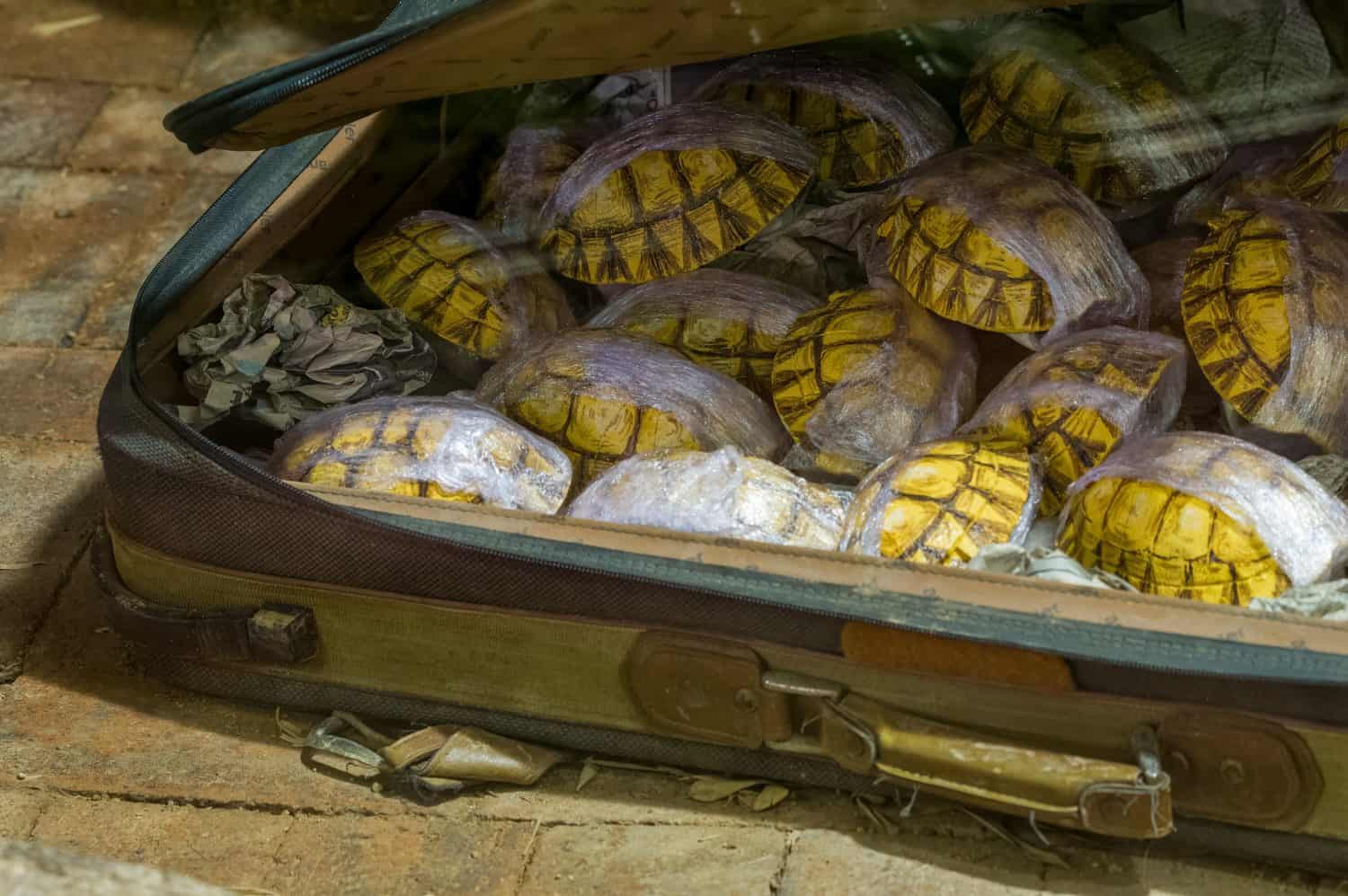

Quick Take
- 709 animals were included in the seizure, but the rescue itself became a life-or-death battle that no one was prepared for. See the emergency rescue →
- Authorities thought they were inspecting a suspicious shipment, completely unaware of what was actually inside. Read about the discovery →
- This airport has now been at the center of three wildlife trafficking incidents in a year, and experts think they know exactly why. Explore the pattern at Ezeiza →
It’s estimated that at least one million plants and animals are trafficked each day. The black market is a lucrative business. Illegal animal trades are conducted with no laws other than those they break, and wildlife suffers all the more for it.
The most recent wildlife trafficking bust resulted in the seizure of more than 700 marine animals. These animals were trafficked from Kenya and would have become pets or bred for trade had they not been intercepted. Their survival is due to several of Argentina’s wildlife rehabilitation groups and conservationists.
When wildlife traffickers are caught, rescues like the International Fund for Animal Welfare and the rehabilitation group Fundación Temaikèn step up.
A Harrowing 28-Hour Rescue
When the unusual shipment arrived at Ezeiza International Airport in Argentina, authorities suspected something wasn’t right. But what they didn’t anticipate were 709 marine species bound for Buenos Aires. The shipment was so massive that it required help from Argentina’s Environmental Control Brigade, customs officials, the agricultural health agency, and the International Fund for Animal Welfare (IFAW).
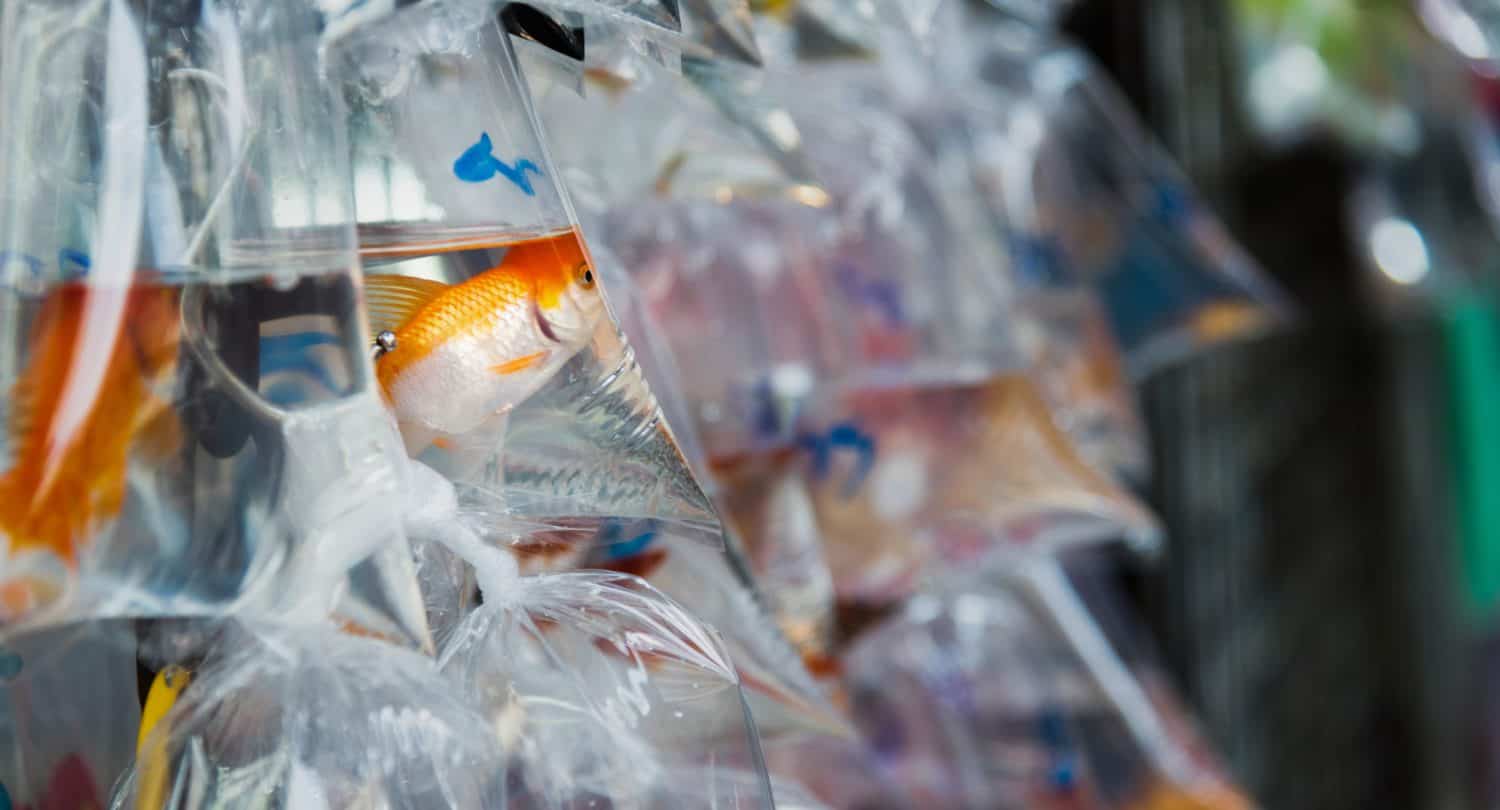
Exotic fish are often sold on the black market because they’re easily transported in plastic bags.
©hxdbzxy/Shutterstock.com
Each animal — of which there were 709, total — was enclosed in a plastic bag. Authorities estimated they had been sealed for a total of 120 hours during the trip to Argentina. Tragically, many of them were in shock or dead on arrival due to the hostile travel conditions.
After a more thorough inspection, it was determined that the shipment contained at least 102 different marine species. Rapid rehabilitation was needed for many of them, which required emergency aquatic tanks. Fundación Temaikèn was called in to help handle the setup and transition of the shipment’s vulnerable species. From start to finish, the unplanned rescue took more than 28 hours.
Exotic and Rare Species Were Trafficked
Many of the marine animals found in the illegal shipment are exotic species, including lionfish, pufferfish, surgeonfish, and butterflyfish. These tropical species are challenging to care for in any environment that’s not the wild. After being packaged in plastic bags with little acclimation, dirty water, and no food, their chances of survival dropped significantly.
Other tropical animals, including starfish, octopuses, and crabs, were also found in the shipment. Ten emergency tanks were required to house the marine life that survived. With support from veterinarians, the teams worked tirelessly to equip the tanks with heating, water-conditioning, and filtration systems.
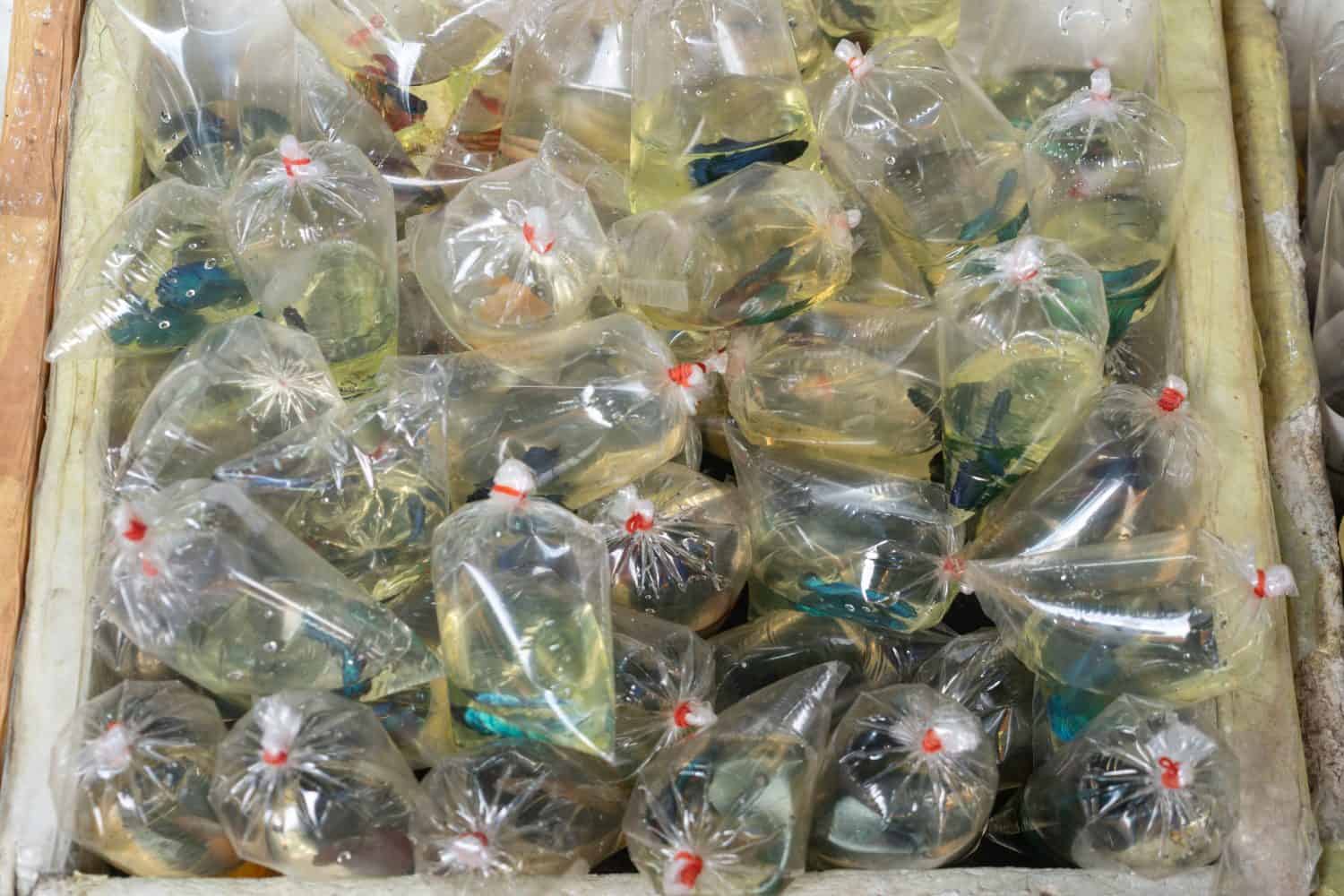
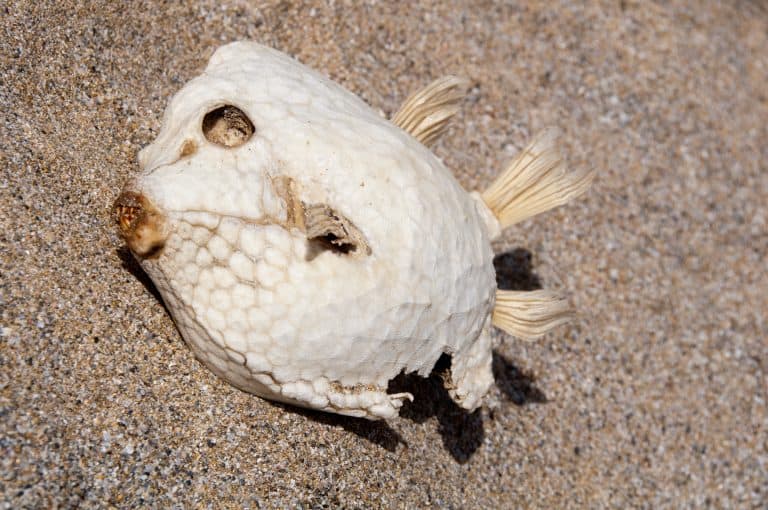
With no water filtration systems, many of the marine species trafficked were dead on arrival.
©Puripatch Lokakalin/Shutterstock.com
Cristian Gillet, wildlife director at Fundación Temaikèn, gave a statement following the tense rescue. “Many of these animals were extracted from reef ecosystems and arrived at the limit of survival, after spending days inside transport bags and boxes before the rescue could be carried out,” she said. The team had to prioritize the weakest animals first, but only after weeding through those that had not made it. A slow-drip acclimation process was required to save many of the vulnerable species.
Christian Plowman of IFAW gave an additional statement, emphasizing the severity of the crime and the wildlife lives that were lost. “This is an industrialized crime. Moving 709 animals comprising 102 species across international cargo routes, packed in bags for 120 hours of transit, is not something done casually. It requires coordination along every link of the chain,” she said. Conservation groups and animal lovers are now echoing this statement, calling for justice. However, Argentina is no stranger to wildlife trafficking attempts.
This Is Not the First Major Wildlife Seizure in Argentina
Sadly, this is the third wildlife trafficking incident in the last year to come through the gates of Ezeiza International Airport. Experts believe this is an established wildlife trafficking route, likely due to ease of access. Although the marine life came from Kenya, they belonged to many tropical habitats, none of which include Argentine waters.
Thankfully, Fundación Temaikèn was equipped to handle a marine life rescue of this scale. Unfortunately, this is not the case at every trafficking stop. Wildlife trafficking reduces the native populations of many species, encourages illegal overfishing, and decimates ecosystems. If the animals reach their destinations, many don’t survive. The ones that do become pests in a non-native habitat. Argentina’s latest wildlife seizure represents the lives of countless animals that are lost to trafficking every day.