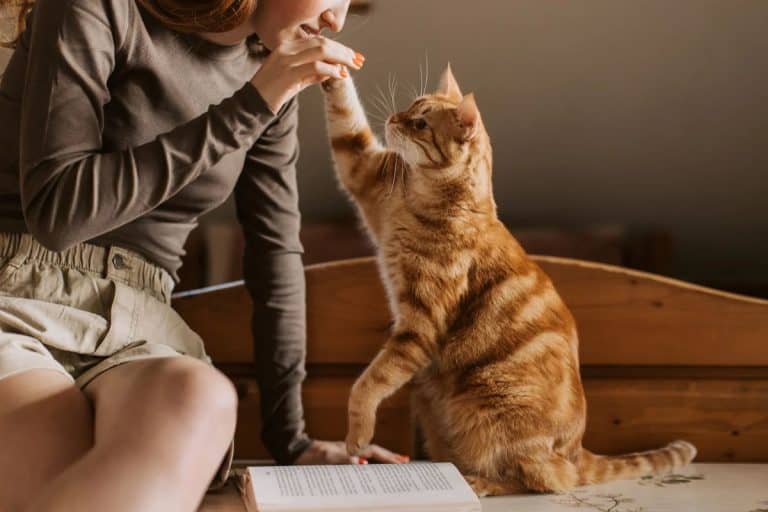

Have you ever wondered what your pet is thinking when it stares at you intently, paws at you, or paces restlessly? Did you ever wish it could understand you when you’re telling it you’ll be back soon, not leaving forever? Whether the household includes an energetic dog, a curious cat, or a chattering bird, more people are discovering ways to “talk” with their pets that once seemed impossible through recordable button training.
What Are Pet Communication Buttons?
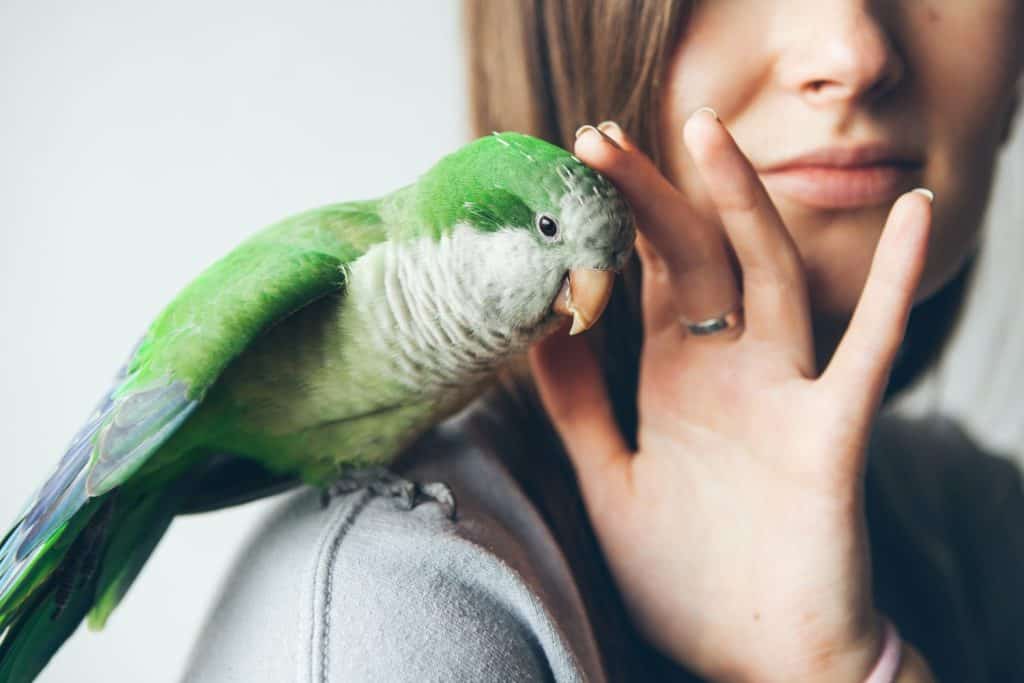
Animals can learn more words than you may think.
©Veera/Shutterstock.com
Pet communication buttons are durable plastic push-buttons with built-in microphones and speakers. When the owner records a word or short phrase, the sound is stored and played back when the button is pressed. Owners place the buttons within the pet’s reach and then train the pet to associate each button with a specific action. Some animals learn dozens of words. One of the most remarkable examples online is “Bunny,” a Sheepadoodle who knows over 50 words and has millions of followers on social media.
Why People Try Button Training

Button training can help keep a pet sharp and engaged.
©Eric Isselee/Shutterstock.com
Most owners begin button training because they want to improve communication and reduce frustration on both sides. Animals often rely on body language or vocal sounds that can be easy to misread. A dog that whines might be bored, anxious, or simply asking to go outside. A cat’s meow could mean anything from hunger to curiosity to irritation.
When pets learn to use buttons to express basic needs—“food,” “outside,” “play”—owners report fewer misunderstandings, calmer routines, and stronger bonds. Many get excited when their humans respond correctly. Sound, movement, and attention from humans also help pets feel accepted and connected to their social group, whether it’s a pack, colony, or flock. Pets can also become restless or destructive without mental stimulation. Learning new patterns and word associations helps keep them sharp and engaged.
The Flip Side

Some pets become overly enthusiastic, so you might regret button-training them.
©Budimir Jevtic/Shutterstock.com
Some owners end up regretting button training, though. A pet can become overly enthusiastic, pressing buttons repeatedly or randomly just to interact. They might ask for treats or to go outside nonstop. And sometimes they fixate on one favorite button and just press it for everything. Yes, it can be funny at first, but when the novelty wears off, it can test a human’s patience. To keep the experience positive, owners need to set limits and maintain consistency in training. It also helps to limit the number of buttons and ensure the animal has mastered the most important ones before introducing additional options.
Price and What to Look For

Button training kits vary in price and complexity.
©Billion Photos/Shutterstock.com
Kits vary in price and complexity. Basic starter sets cost about $20 and include a few recordable buttons. More advanced models can exceed $100 and may include features like adjustable volume, custom playback options, or Bluetooth integration. Most buttons use standard batteries, such as LR44 or AAA. Battery life can range from a few months to a couple of years, depending on frequency of use.
Button Training Process

The owner must model how the buttons work during the training process.
©Luis Carlos Torres/Shutterstock.com
Button training should happen in a calm, familiar space where the animal feels safe. Loud noises or other distractions can interrupt focus. Sessions should stay short—five to ten minutes is plenty at first. Here are three basic steps to follow:
Step 1: Teach the Button Press: Start by building a positive association with the button. Place a treat or favorite item underneath to encourage the pet to touch or press it. Reward every successful press with praise or a clicker sound and a treat. Gradually remove the lure underneath once the animal understands the action, continuing to reward the press itself.
Step 2: Introduce Meaning: After your friend reliably presses the button, assign a programmed sound to it and place it in a relevant spot—like putting an “outside” button near the door. Each time your animal presses it, immediately follow through with the corresponding action, such as opening the door, to reinforce the connection between the sound and the outcome.
Step 3: Model and Practice: Demonstrate the behavior by pressing the buttons yourself to show how they work. Use the buttons consistently for daily needs or activities so the meanings stick. Keep sessions short, fun, and consistent to maintain motivation and prevent frustration as they learn to communicate.
Not all animals will learn at the same pace — or even at all. Some may show little interest, while others may learn a few words and stop there. It will be less frustrating if the owner sees the process itself as an enjoyable bonding experience, without preconceived expectations of how fluent the pet will become.
How Dogs, Cats, and Birds Learn Differently
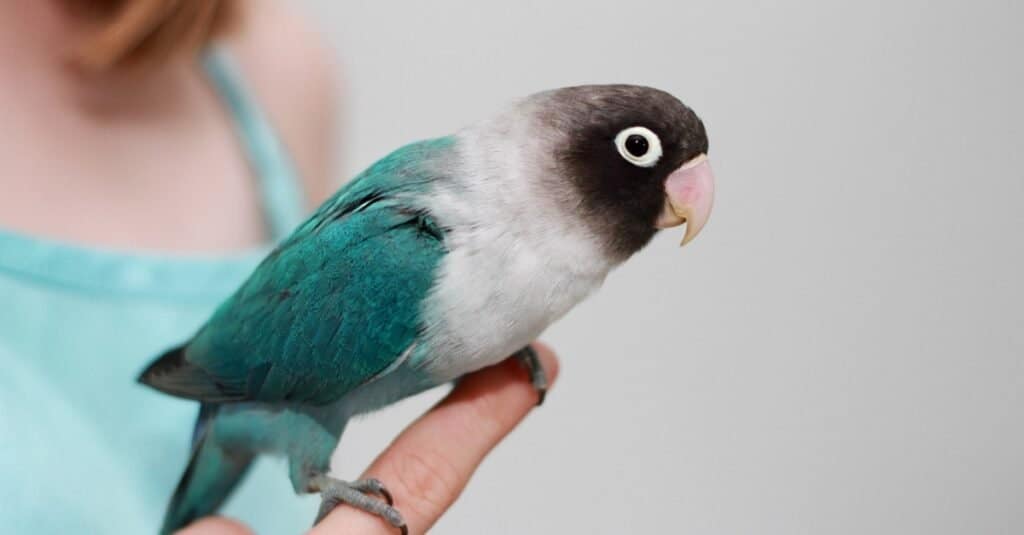
Birds may press buttons and vocalize at the same time.
©JCM Photos/Shutterstock.com
Not all species respond to training in the same way. Each has its own style and motivation.
Dogs are often the quickest learners because they are naturally social and eager to please. They thrive on routine and enjoy having tasks to perform. Many learn their first button within a week or two, especially when paired with high-value rewards. Dogs often use their paws or noses to press and quickly learn to connect actions with outcomes.
Cats are independent by nature and less inclined to perform for approval. Training sessions should be brief, low-pressure, and tied to something the cat values, such as food or playtime. Marking buttons with familiar scents may help attract interest. Cats can learn, but they will do so at their own pace and only if they find it worthwhile.
Birds are natural mimics who learn through sound. Many birds begin to press buttons and vocalize at the same time, reinforcing the connection. Because of their size, some species may need larger or more responsive buttons to press comfortably with their beaks.
Matching Methods to Motivation

Understanding what motivates each animal is key to success.
©Svetlana Rey/Shutterstock.com
Understanding what motivates each animal is key to success. Dogs crave clear structure and approval. Cats respond best to independence and respect for their boundaries. Birds require engagement through voice, repetition, and variety.
Reward small successes immediately, and resist the urge to move too quickly. Two or three well-understood words are better than a dozen that cause confusion. Expanding too fast can dilute meaning and lead to random pressing. The process should always feel playful, not pressured.
Does the Pet Really Understand?

A button labeled “love” might simply mean the animal wants attention, not a philosophical declaration.
©Julia Zavalishina/Shutterstock.com
Humans have an enormous tendency to anthropomorphize animals and project meaning onto what they do that may not accurately reflect what’s going on in their brains. So what do animal researchers say?
According to a 2024 study from the University of California, San Diego, dogs trained with soundboard buttons can comprehend specific words and produce contextually appropriate responses, and some can even use simple two-word combinations. Still, experts emphasize that this isn’t the same as human language fluency. The animals appear to recognize certain words or commands and use buttons meaningfully, but they don’t show evidence of full sentence-building, abstract grammar, or generalization across contexts as humans do.
Owners should resist the temptation to interpret every press as a complex thought. A button labeled “love” might simply mean the animal wants attention, not a philosophical declaration. YouTube videos that seem to show a dog experiencing an existential crisis greatly overestimate the cognitive abilities of dogs.
Sharing Meaning
Button training is an inventive way to connect with pets and explore how they think. But it doesn’t replace paying attention to the natural ways animals communicate all the time. Tail wags, ear position, vocal tone, and movement still reveal more than any button can. Technology should enhance the relationship, not dominate it. Using buttons also reminds us to listen carefully, whether pets are communicating in our language or their own.