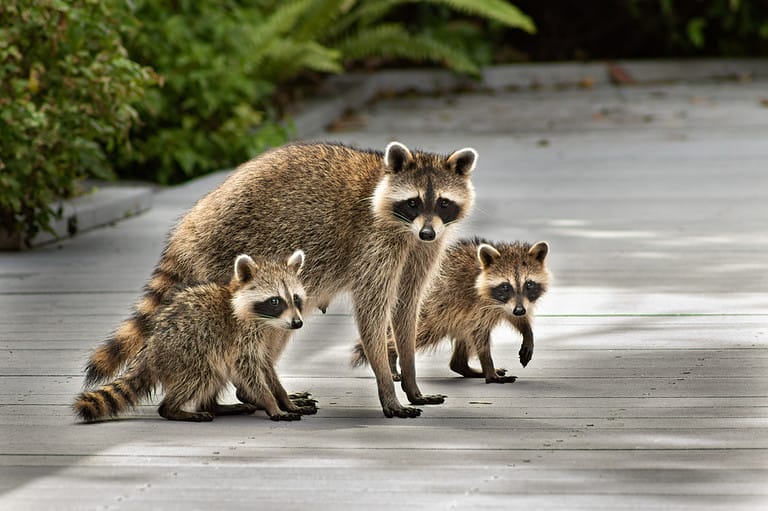

As our understanding of human intelligence has increased, so has our appreciation of animal intelligence, including that of our pets. With our big brains, cooperative living, and advanced technology, we like to think that we are by far the most intelligent species on the planet. However, ‘intelligence’ as a concept is not straightforward to define. The cognitive abilities of non-human animals are being studied more now than ever before. Increasingly, we are realizing that animal intelligence may be different from human intelligence and manifest itself in different ways. So, here we will focus on intelligence in pets in terms of scientific studies and trainability – our pets’ ability to learn in domestic situations. That said, the ranking is not set in stone. Take a look and see if you agree with who the smartypants of the pet world really are.
1. African Grey Parrots
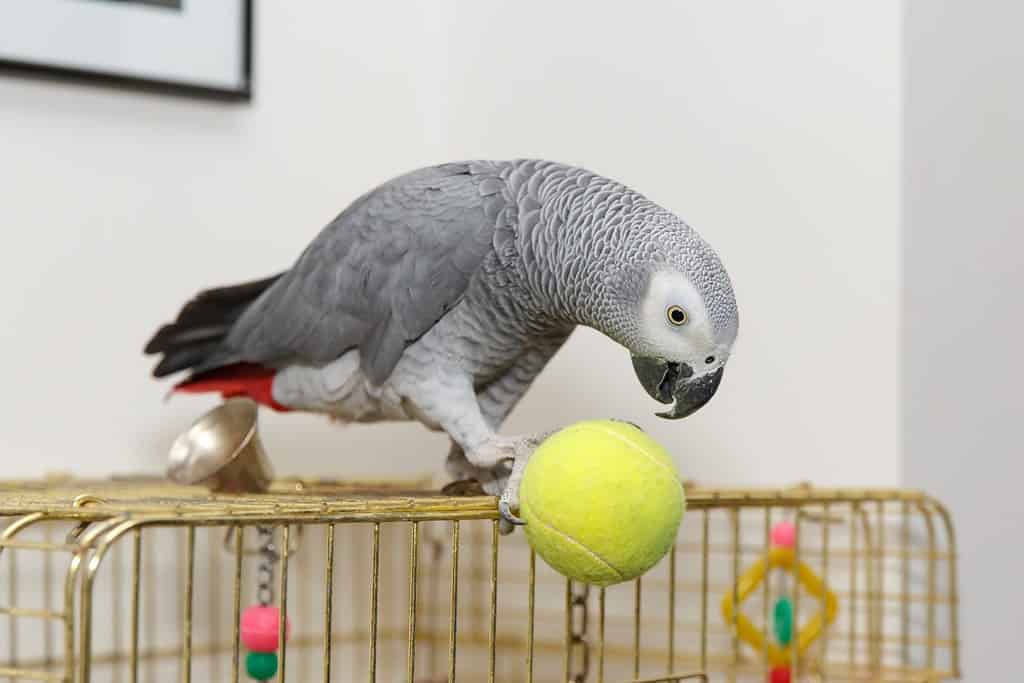
African grey parrots outperformed children in intelligence tests.
©GaevoyB/Shutterstock.com
Forget being a ‘bird brain,’ African grey parrots have outperformed human children in tests of visual memory. Researchers hid tiny colored pom-poms under cups, and then asked the subjects to point out the cup that matched a particular pom-pom. The participant had to track up to four different colored pom-poms, with the positions of the cups being swapped. The results were astounding. Griffin, the African great parrot, outperformed the children across all levels. Amazingly, he also outperformed or was at least equal to 21 Harvard undergraduates in most of the trials. That included students studying engineering and pre-med courses. This experiment focused on the visual working memory system, which is just one aspect of human intelligence. This parrot smashed it!
2. Pigs

Pigs have the capacity for complex learning.
©michelmond/iStock via Getty Images
Domestic pigs (Sus scrofa domesticus), especially the miniature variants, have become more popular as pets in recent years. This means that the pig-human relationship is changing, and we are even more interested in this animal’s intelligence. Some domestic pigs have always approached humans seeking contact and responded well to human handlers. Pigs are able to recognize familiar things and have good problem-solving abilities. A study has shown that pigs will persist longer than dogs when presented with a difficult task. They have even been taught to play simple video games involving moving a joystick! This suggests that pigs have the capacity for complex learning, including discrimination and reversal learning (the ability to change behavior to obtain a reward when reward rules change).
3. Border Collie

Border Collies understand complex verbal and visual commands
©xkunclova/Shutterstock.com
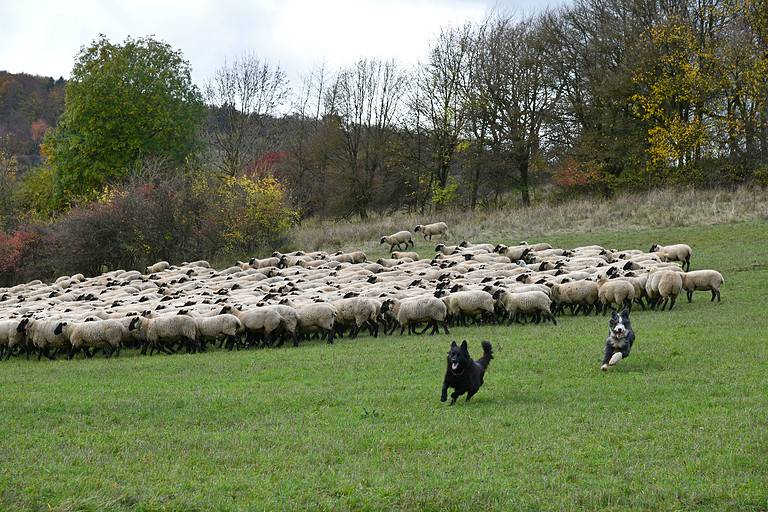
Most dogs can be trained to follow basic commands, but there is a lot of variation in canine intelligence and trainability. If you want a dog that will respond to training quickly and retain the information, a border collie is the breed for you. This herding breed was developed to herd sheep in remote areas of England and Scotland. This meant that they spent some time working away from their owner and had to make their own sensible decisions. For this, a certain level of intelligence is vital. Closer to their handler, these guys need to understand complex verbal and visual commands and act on them immediately. They can remember up to 12 new verbal commands a week! What’s more, they can retain that information for months. Of course, some border collies are more intelligent than others, and farmers in the UK will pay over £3,000 for a pup from a proven successful working line. Get yourself one of these, and you will have a genius dog!
4. Abyssinian Cats

The Abyssinians are one of the oldest cat breeds in the world.
©iStock.com/anobis
If you would prefer a cat as a pet, the Abyssinian breed has a reputation as the most intelligent and the easiest to train. This is an ancient breed that can trace its ancestry back to Ancient Egypt and the age of the pharaohs. They have had a long time to learn to live with humans! What’s more, their inquisitive and problem-solving nature is often interpreted as intelligence.
They are active, playful cats who love human company and want to play interactive games with you. Thanks to their intelligence levels, they can be taught tricks and commands and will learn to walk on a leash with a harness. Abyssinians will soon learn to come when called and move on to finger targeting, shaking hands, high-fiving, and spinning. They respond best to positive reinforcement training, so get some tasty treats at the ready!
5. Rats and Mice
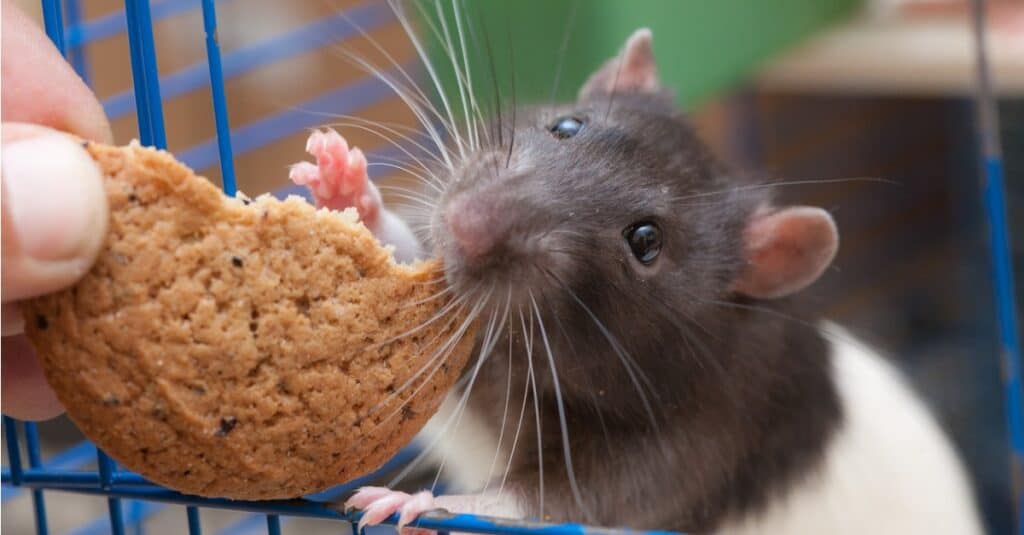
Rats may be able to count.
©iStock.com/Argument
Rats and mice are often overlooked in any pet rankings. Nevertheless, enthusiastic owners of these rodent pets frequently praise their intelligence. They are very quick to adapt to and exploit new environments, and that takes brain power. In tests of their spatial learning and memory using mazes, they were skilled at remembering spatial information, which is vital for their foraging behavior. They also learned to associate stimuli with a particular location. There is even some evidence that rats can count up to three. In logic tests, they responded as well as chimpanzees.
Pet rats bond with a particular human, which explains why they are much-loved pets in some households. Using positive reinforcement, owners have taught them to paw shake using a verbal command. They can also be trained to come when you call their name and stand up on their back feet. More advanced training involves jumping through hoops!
6. Horses
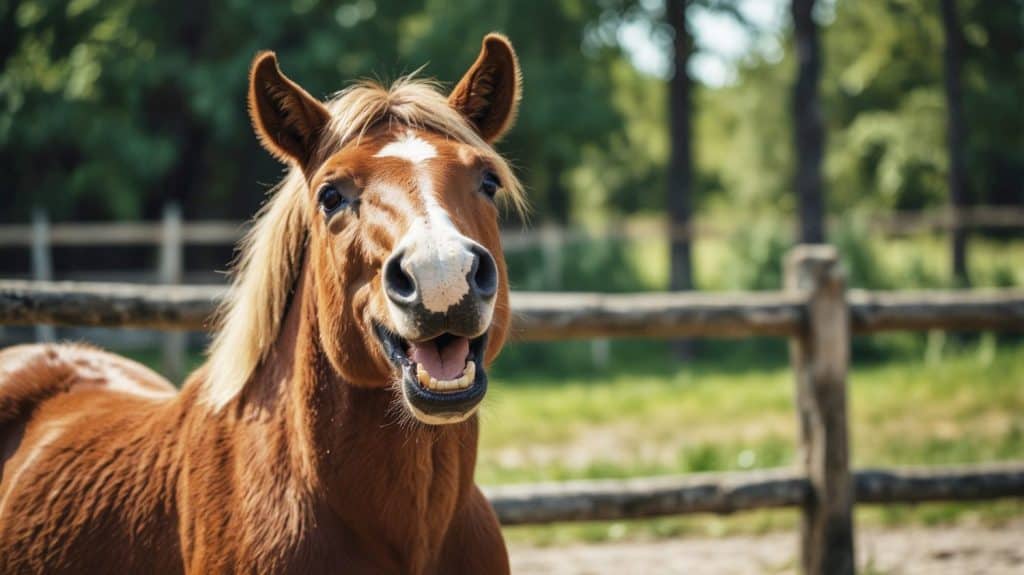
Horses are very goal-directed
©Sajedul Islam Alif/Shutterstock.com
Horses were first domesticated as early as 2,000 BCE when they were used for transport. Whilst horses are still useful to humans, many are now much-loved pets and are used solely for recreational riding. Horses can be trained to race, pull carriages, and perform intricate movements as in dressage competitions. This requires intelligence. However, we are now learning that horses may be even more intelligent than we have given them credit for.
Equine scientists developed a task where horses had to touch a piece of card with their nose to get a treat. Later on, the horses were not given a treat if they touched the card when the ‘stop’ light was on, but did get a treat if the light was off. Initially, the horses struggled with this task and simply randomly touched the card, whether the light was on or off. However, the researchers then introduced a penalty. If the horses touched the card if the light was on, they were given a ten-second time out during which they were unable to play the game or receive a reward. Suddenly, the horse made fewer errors! The researchers concluded that the horses were not failing to complete the task at all. Rather, they found a way to play the game without having to pay much attention – they had found a loophole. This shows a high level of cognitive processing and indicates that horses are very goal-directed.
7. Monitor Lizards
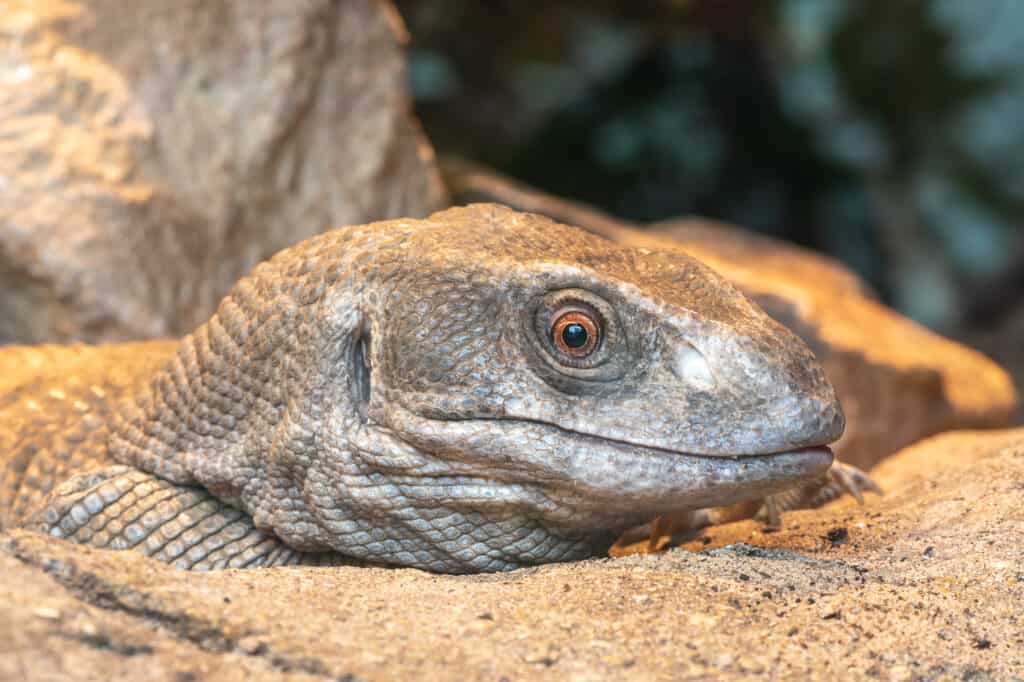
Monitor lizards are reputed to be the most intelligent of all the lizards.
©iStock.com/Tom Meaker
The Varanidae lizards, commonly called monitor lizards, vary in both size and appearance. Most of them have a heavy body and a long tail. Many people enjoy having monitor lizards as pets, but they are a big commitment and are not suitable for beginners. Some of the most popular are the Savannah monitors and the Nile monitors.
Varanids are reputed to be the most intelligent of all the lizards. The most highly developed part of their brain, the telencephalon, takes up a larger proportion of their relative brain size in comparison to other lizards. They are curious, perceptive, and have an apparent ability to recognize different humans. Experiments carried out on rock monitor lizards (V. albigularis) suggest that they may be able to count to six! Scientists have suggested that in the wild, these lizards had to respond to challenges, and so they developed higher cognitive abilities. Experiments have shown that they are capable of problem-solving, rapid learning, and reversal learning. Black-throated monitors have solved food-based puzzles, and several other species can remember how to solve a particular puzzle a year after they first encountered it.
8. Rabbits

Rabbits can be taught to do tricks.
©Opat Suvi/Shutterstock.com
Rabbits can do so much more than stare out from a hutch. In the wild, they are great engineers, digging complex tunnels and finding food half a mile away. They have impressive problem-solving skills and can be trained to do tricks. Some can do high-fives, and others can understand human words or hand signals. They can also work out puzzle toys. To get your attention, pet rabbits will thump the cage or rattle their toys. In the wild, they can remember complex pathways to find their way home. Pet rabbits can recognize human companions, probably by voice and scent. They can also be litter trained, taught to use cat flaps, and to fetch objects!
If all of that does not convince you of rabbits’ intelligence, take a look at a rabbit agility competition. Rabbits are trained to jump hurdles, cross ramps, and run through tunnels. Training is completed using positive reinforcement with healthy treats. However, rabbits also respond well to clicker training. You may even be able to replace the treat with the clicker, just as you would for a dog.
9. Ferrets

Ferrets make good pets.
©Couperfield/Shutterstock.com
Ferrets (Mustela putorius furo) have become more popular as pets in recent years, but they remain relatively uncommon, with only about 0.1% of American households owning ferrets as of 2024. Their appeal is often attributed to their cheeky character and inquisitive nature. For years, they have been misunderstood, but now people appreciate their playful nature.
It may surprise you to learn that ferrets are domesticated animals. They are descended from wild European and Steppe polecats. There are even paintings of animals thought to be ferrets in Egyptian tombs. In the wild, they live in groups, and this requires a level of intelligence for cooperation. They are also foragers, so they are constantly assessing their environment.
Ferrets, just like dogs, can be taught tricks using treats or a clicker. With consistency, you can teach them to sit up, turn around, roll over, sit on your shoulder, and even walk on a leash! They will also come to you when called. However, bear in mind that a ferret’s priority will always be to explore! Therefore, trying to teach them a new trick in an unfamiliar area is unlikely to succeed, as they will be more interested in exploring the new environment.
10. Monkeys
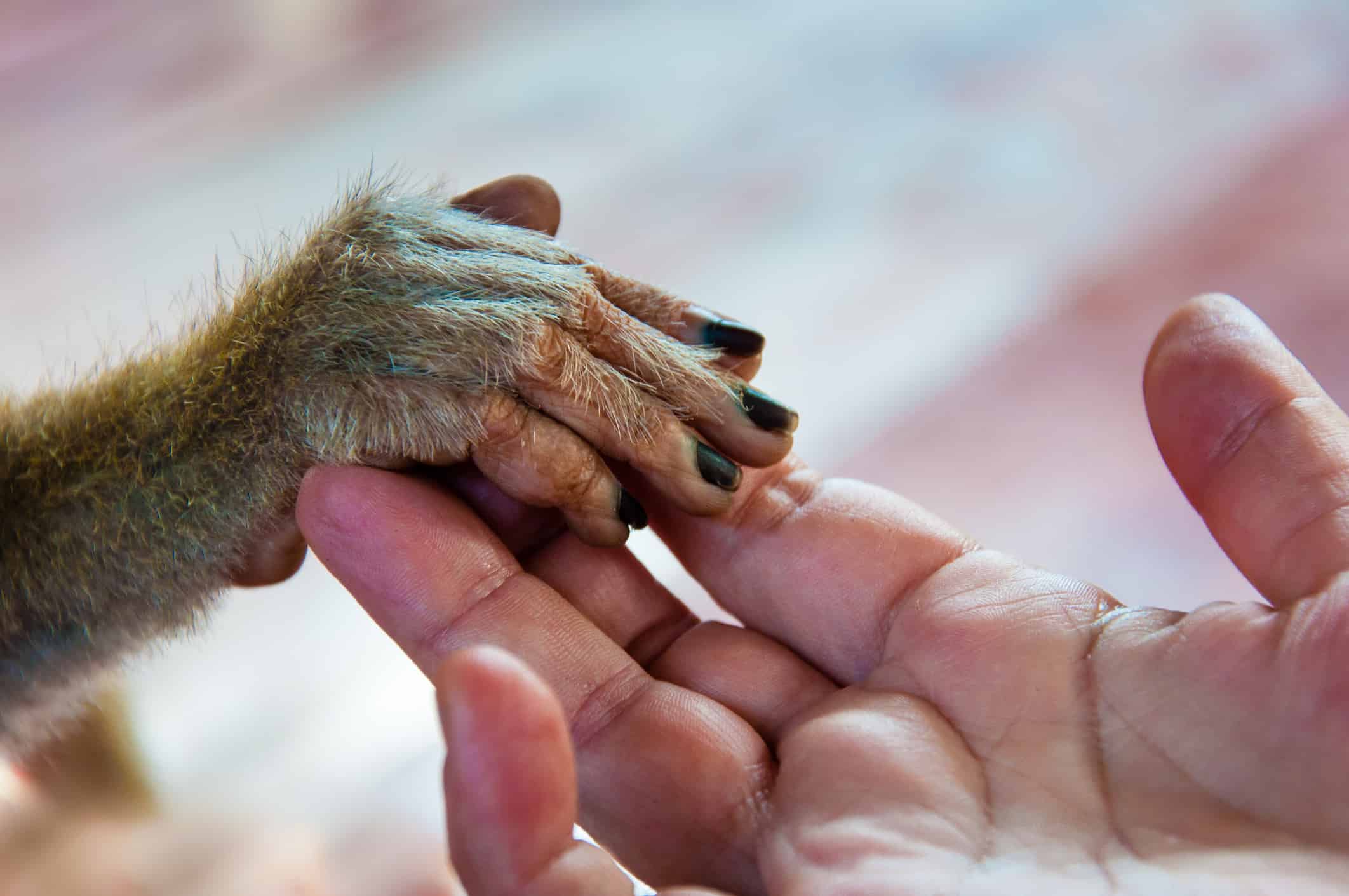
Monkeys are capable of complex deliberation.
©stanciuc/iStock via Getty Images
The demand for exotic pets in the US and many other Western countries has increased. Recent estimates indicate that there are around 15,000 pet primates in the country right now, and many of them are monkeys. Marmosets, lemurs, capuchins, and squirrel monkeys are sold most often. But many people question whether they make good pets and whether keeping these animals as domestic pets is ethical. This is partly because they may be even more intelligent than we thought. Their high intelligence is one of the reasons why training a monkey is not actually that easy. It requires a lot of effort to build a relationship with them. That said, they have been successfully trained as pickpockets by criminals in India and Thailand.
Recent research has revealed that monkeys are capable of complex deliberation and careful decision-making. When solving a problem, they weigh up factors such as costs, consequences, and constraints. The researchers even found that the solutions reached by monkeys closely matched those arrived at by efficient computer algorithms.