
Quick Take
- A single organism barely bigger than a red blood cell spread across 4,400 square kilometers, and humans on the beach felt its effects too. See how dolphins died →
- The South Australia algal bloom has tapered off, yet dolphins are still washing ashore in 2026, and scientists think they know why. Meet the alga →
- The specific alga behind the outbreak had barely been studied before, but genetic sequencing revealed its identity. Explore the human effects →
- The conditions that ignited the bloom were no accident. A precise coincidence of events made Australia's coast a perfect trap. See the conditions behind the bloom →
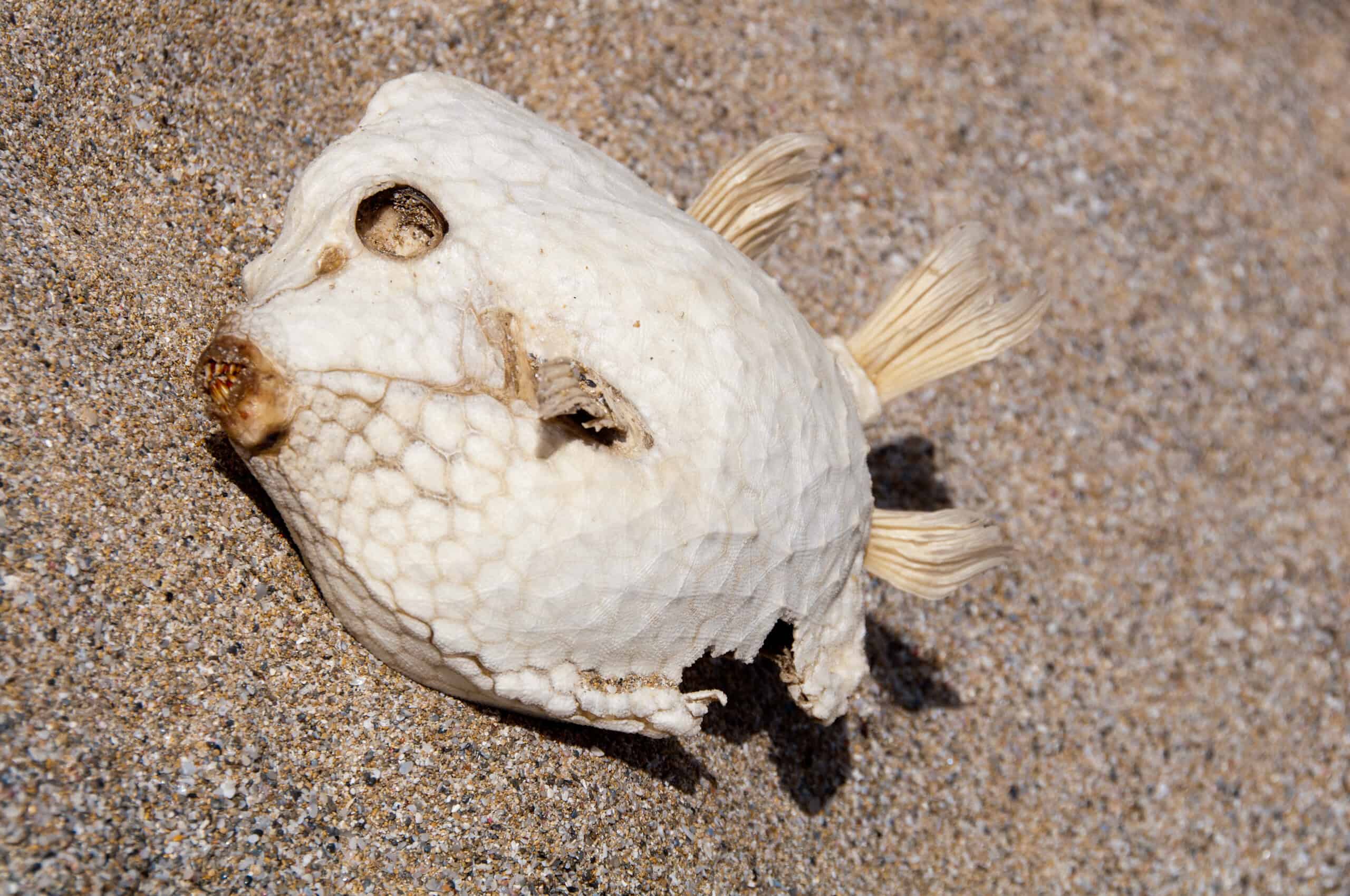
In March of 2025, yellow foam began to wash up on South Australian coasts. Along with it came masses of dead fish and invertebrates, leaving beaches littered with dead shrimp, crabs, pufferfish, seahorses, and bluefins, among many other species. An iNaturalist record of citizen science data tallied the marine mortality from January 2025 onward at 122,712 observations of 823 species. Two species of dolphins ─ common dolphins (Delphinus delphis) and bottlenose dolphins (Tursiops truncatus) ─ which frequent warm Australian waters, were found washed up.
In addition to the dead marine life, surfers and other beachgoers complained of coughs, sore throats, and burning eyes from breathing in the sea spray.
The Culprit
The culprit was an alga in the scientific genus Karenia that spread to more than 4,400 square kilometers, according to the Australian Museum. Water samples sent to biologists at the University of Technology in Sydney proved to be teeming with minuscule algae, each individual just 20 microns in diameter, less than the width of a human hair. Karenia sp. has caused fish kills in New Zealand and provoked respiratory problems in humans, according to a study in the New Zealand Journal of Marine and Freshwater Research.
Algae are part of the phytoplankton (microscopic floating plants) that form the base of the food chain in ocean ecosystems. A study in Continental Shelf Research, for example, found that the plankton along the Australian coast nourishes the zooplankton (microscopic floating animals) that in turn nourish a large population of blue whales. Marine algae also play important roles in converting carbon dioxide to oxygen, and are thus responsible for roughly half of the oxygen in our atmosphere, according to a NOAA article. But when algae get too concentrated, they form harmful algal blooms (HABs) that can hurt ocean animals.
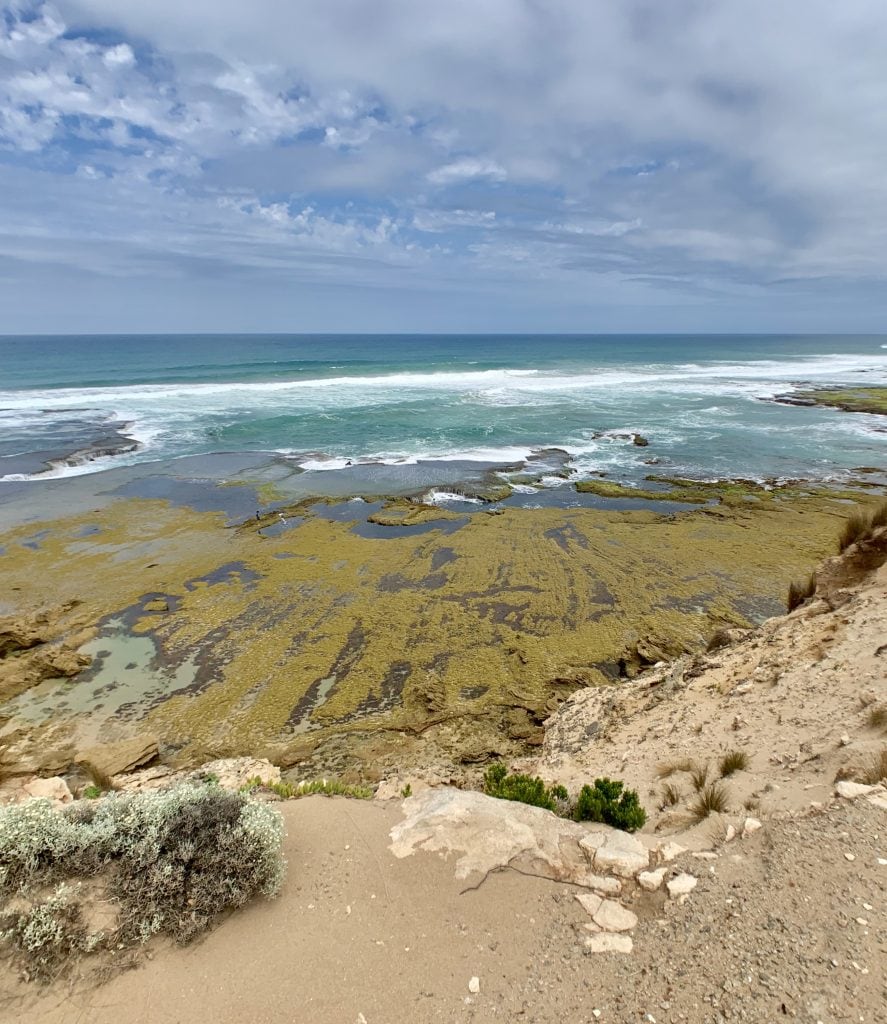
Algae are a regular, important part of Australia’s coastal ecosystems, but if one species gets overly concentrated, it can create toxic conditions.
Algae produce poisonous chemicals, including neurotoxins that can damage the brain tissue of vertebrate animals such as fish and dolphins. The toxins can also damage the specialized breathing structures—gills—on which aquatic animals rely for oxygen exchange. Fisheries biologists found that, under laboratory conditions, the Karenia spp. algae killed fish gill cells after just 3.5 hours of exposure, according to a University of Technology Sydney news story.
More broadly, as algae multiply and then die en masse, their decomposition by bacteria depletes ocean oxygen, affecting myriad species, as reported in a 2023 study published in Plants.
Effects on Dolphins
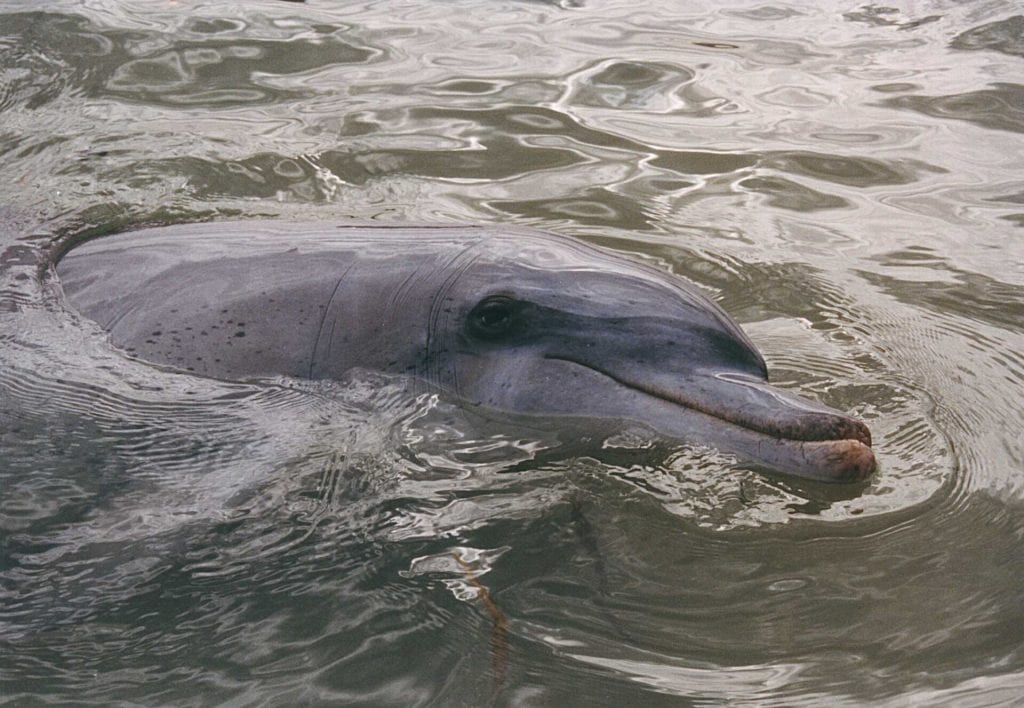
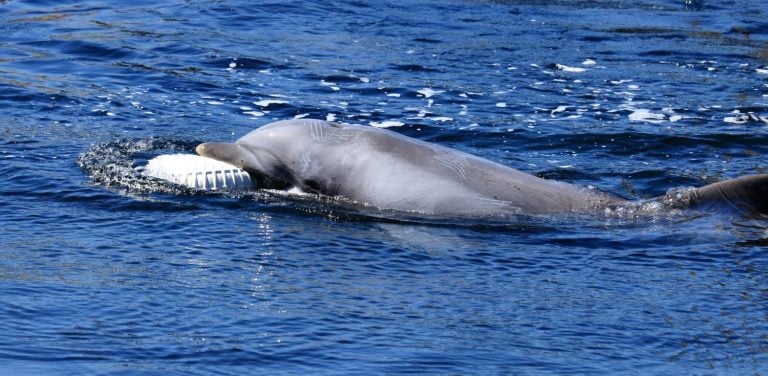
Dolphins that are sick or injured may approach shore, such as this bottlenose dolphin in Australia
At least 70 dolphins washed up on South Australian beaches in 2025. Even as the algal bloom tapered off earlier this year, dolphins continued to perish, with at least 20 more deaths reported across South Australia by mid-July 2026.
In an Instagram post, The Conservation Council of South Australia recently announced that the die-off hasn’t abated. Experts are working to determine the cause of death. “Whales and dolphins strand for a number of reasons including sickness, injury, disorientation, or if a dependent calf has been separated from its mother,” explains a webpage of the National Parks and Wildlife Service of Australia.
So far, it appears that these dolphins have not been injured—which is typically a leading cause of death—but have instead stranded due to starvation. Postmortems of stranded dolphins have uncovered weight loss and, in some cases, lung infections.
Dolphins are predators that work in social groups to round up prey, with fish, squid, and crustaceans composing the majority of their diet. A leading hypothesis about the ongoing dolphin deaths is that the algal blooms decimated their prey base and, even as the outbreak subsides, the prey population requires time to recover.
“Climate change creates the perfect conditions for toxic algal blooms to thrive—depleting dolphin food sources and leading to starvation,” explains the Conservation Council.
Climate Concerns
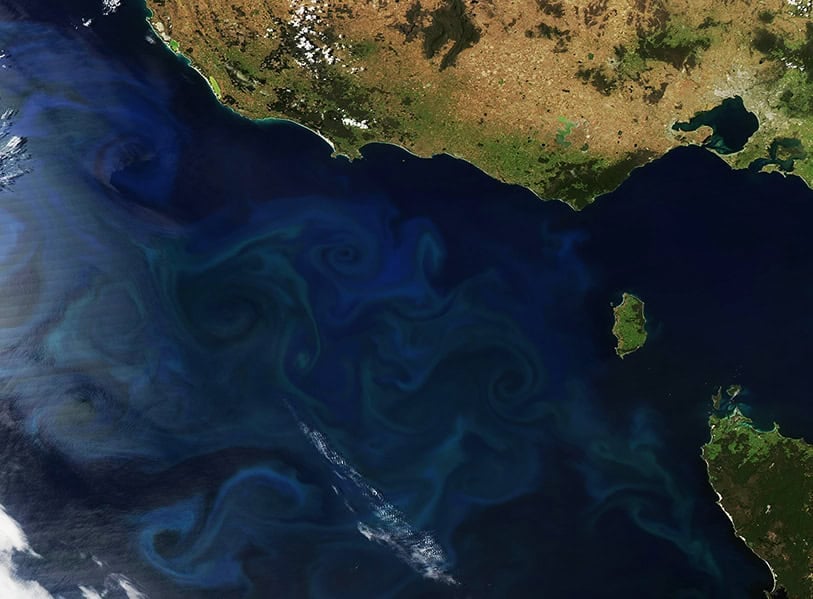
The swirls of algal blooms forming off the coast of Australia were visible from space in December, 2024.
©MODIS Land Rapid Response Team, NASA GSFC, non-commercial use – Original / License
The 2025 blooms resulted from a confluence of factors that created ideal conditions for the growth of Karenia algae. In September 2024, a marine heatwave pushed ocean temperatures to about 2.5C warmer than usual. At the same time, cold-water upwelling brought nutrient-rich waters to the surface. Off Australia’s southern coast, an 800-kilometer system known as the Bonney Coast upwelling draws nutrients from the ocean depths to the surface, then transports them on eastward currents. These nutrients, originating from dead organisms that have sunk to the ocean floor, include nitrogen and phosphorus, which are essential for cellular processes.
Algae thrive on the upwelling nutrients, while warm temperatures raise their metabolic rates, fueling growth. The most prevalent algae in the deadly South Australian mix was identified, through genetic sequencing, as Karenia cristata. This little-known species responded to changes in temperature and nutrients by growing rapidly, allowing it to dominate the bloom. K. cristata, according to the study in Nature Ecology & Evolution, represents “an emerging international threat with unknown consequences given changing ocean conditions.”
As climate change continues to raise ocean temperatures, harmful algal blooms are expected to become increasingly frequent.