
Quick Take
- Guard bees at hive entrances eject drunk foragers, sometimes to death in extreme cases, to protect the colony.
- In lab studies, ethanol causes dose-dependent changes in movement, grooming, and flying with recovery depending on dose and time.
- Bees encounter low ethanol concentrations naturally in fermenting nectar and fruits, especially when the heat increases fermentation.
- Read on to discover if guard bees wait for drunk bees to sober up or judge them by their current behavior.
Are drunk bees a thing? According to this Instagram post, it’s actually possible for bees to be bounced at the hive entrance if they’re too drunk and disorderly. While it sounds unbelievable or like we’re anthropomorphizing bees, this fact actually lines up with what beekeepers report as well as what researchers know about how honey bees behave when they’ve had ethanol.
It’s possible for bees to find and drink alcohol in the wild. When nectar or fruit sugars ferment, and a forager returns home acting strangely, the colony has good reasons to treat that bee as a potential problem. Just like a bouncer outside a club, guard bees are responsible for turning away (or even killing) a drunk and disorderly bee.
This article explains how bees get drunk, what it means for them, how the hive copes with it, and why this behavior is ultimately unacceptable if bees want to survive.
What Getting Drunk Means If You’re a Bee
Drunkenness occurs in bees that consume a sugar source with enough ethanol in it to noticeably change their behavior. And drunkenness in bees is actually more common than you think.
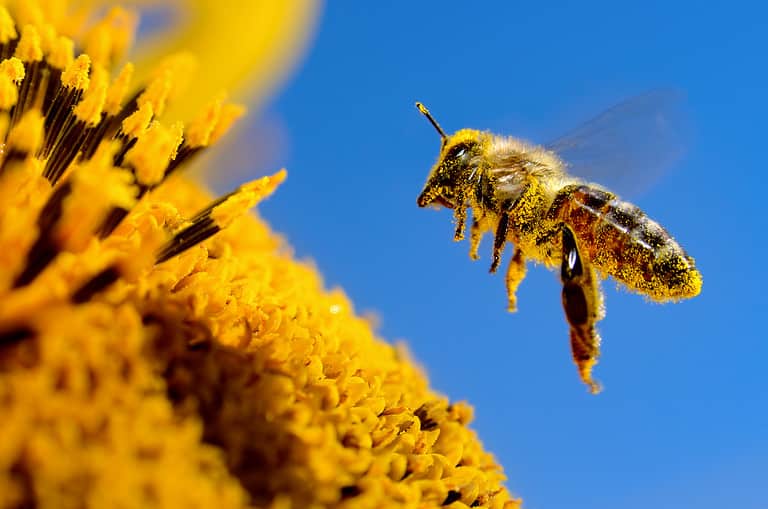
Bees can and indeed do get drunk if nectar ferments for long enough.
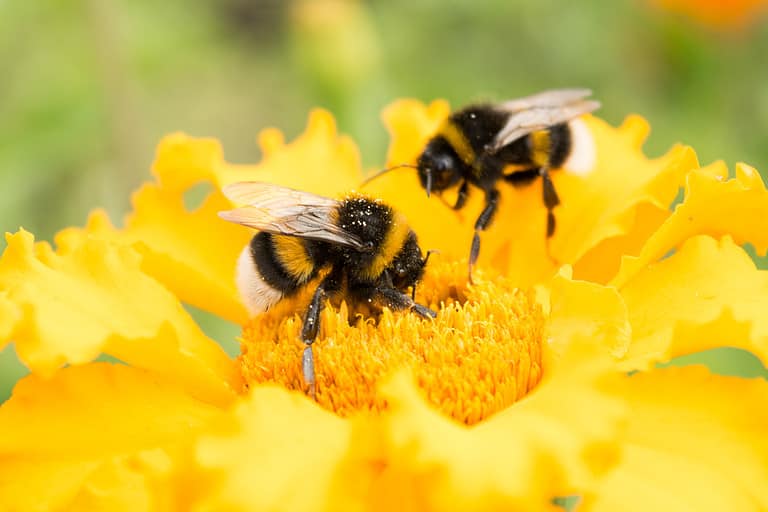
©Tools Konten/Shutterstock.com
In an Ohio State University news release about honey bees fed with ethanol solutions, it’s described that intoxicated bees can lose basic control and functioning. When a bee can’t coordinate its legs or other key functions, it becomes an issue that the entire colony can’t withstand.
Researchers have measured dose-dependent ethanol impacts on a bee’s normal movement and coordination in lab settings. A widely cited behavioral paper found that ethanol changed how much time bees spent walking, grooming, flying, and even how often they ended up upside down. Their recovery depended on the size of the dose and the time, much like drunkenness in people.
How Bees Find Alcohol in the First Place
Most nectar isn’t boozy, so how do bees get drunk? Ethanol is actually a normal byproduct of fermentation, and fermentation can happen under the right conditions. Bees actually find these conditions more in certain environments or locations, and seasonal temperatures can affect nectar fermentation, too.
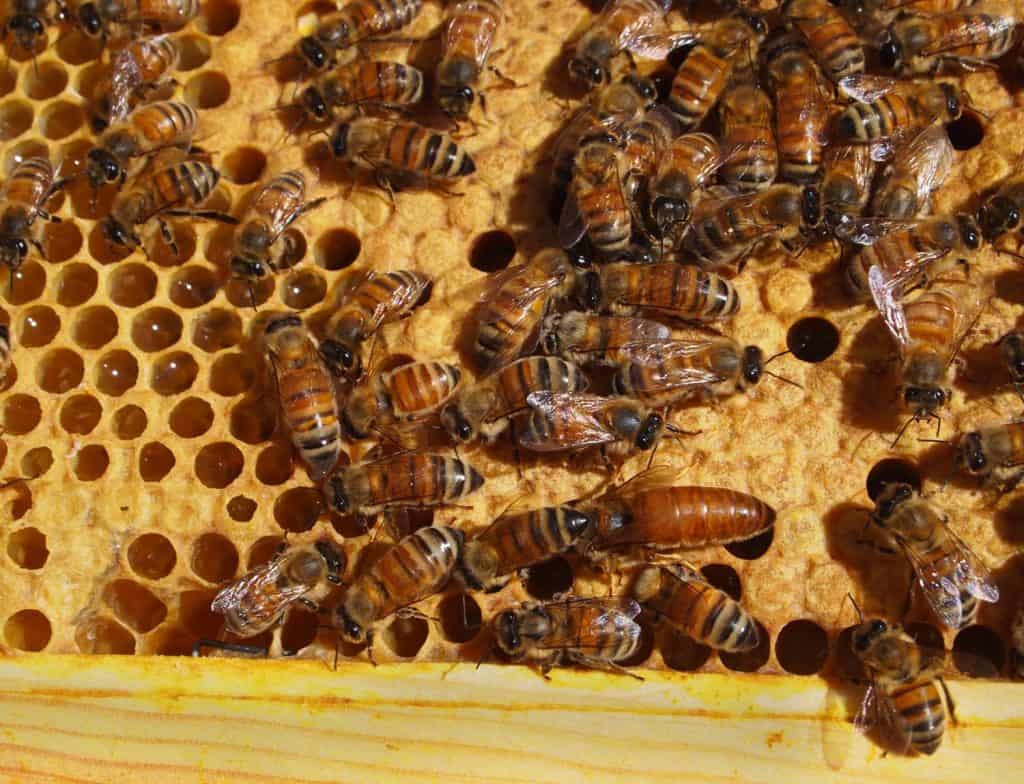
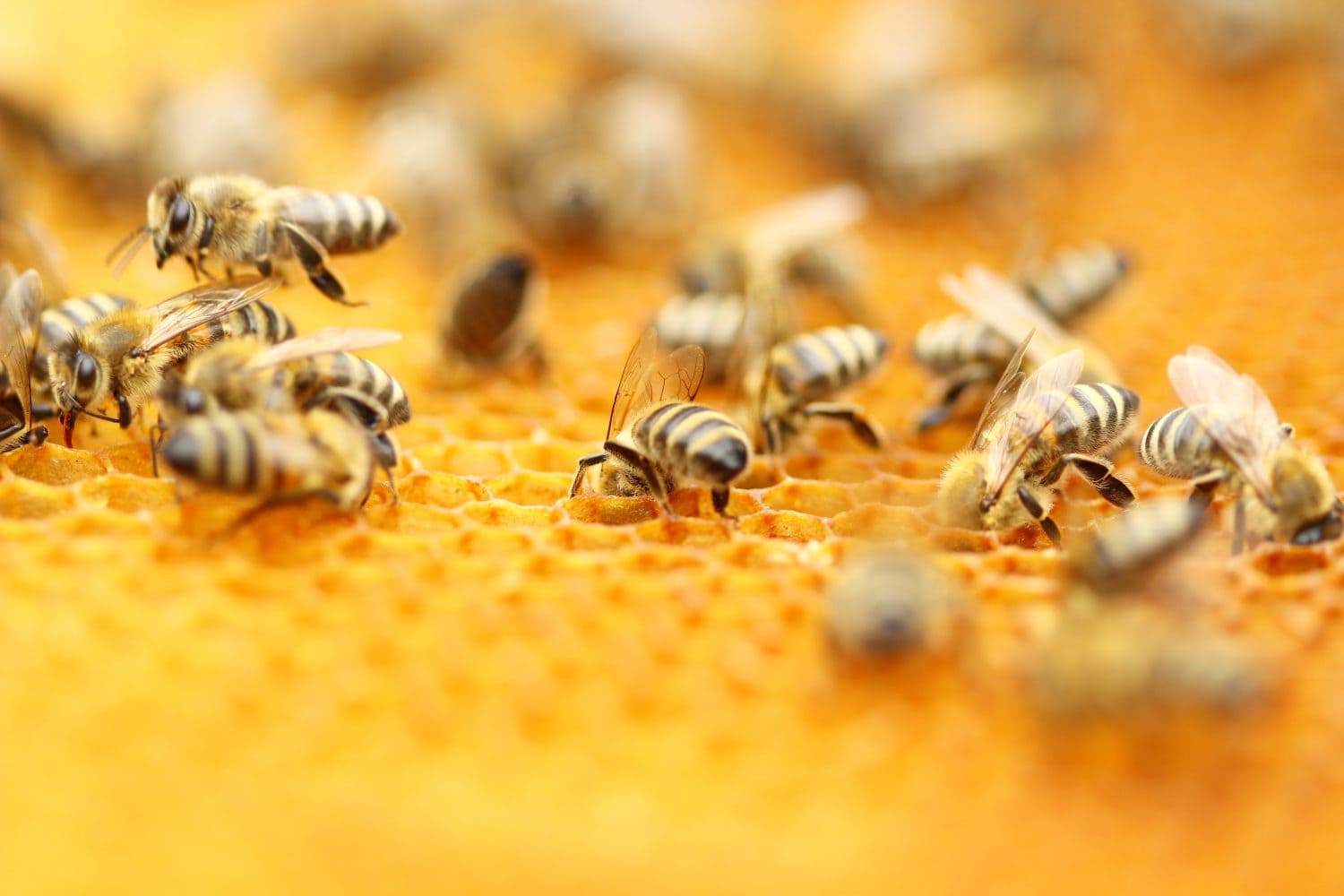
Guard bees are built to protect their hive, and a drunk bee is a threat to the entire hive.
©duckeesue/Shutterstock.com
A newer research paper found in the journal Ecotoxicology stated that low ethanol concentrations can occur naturally, especially in fermenting fruits and flower nectar. This is exactly the kind of material pollinators may encounter during foraging, making ethanol an environmental reality that bees sometimes have to deal with.
When it’s hot and nectar is left sitting, or when sugars are especially abundant, depending on the type of nectar involved, fermentation opportunities increase. But why is getting drunk such a bad thing in a hive, so much so that drunk bees can be turned away from their own home?
Why Do Hives Turn Drunk Bees Away?
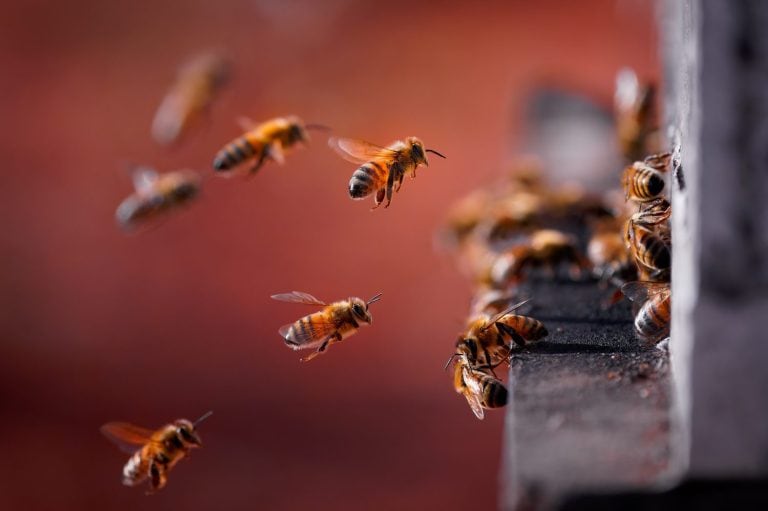
At the entrance to any hive, guard bees stand in protection of the entire colony. They’re assessing safety from every angle, not just by keeping out wasps or robbing bees. Their job is broader than just keeping out wasps or robbing bees; guards will react aggressively when something seems wrong.
Modern beekeeping observations see this behavior, making it noticeable enough for humans to become a part of it. When intoxicated foragers return to the hive, they may be pushed away or attacked by the guard bees, even to the point of death in extreme situations.

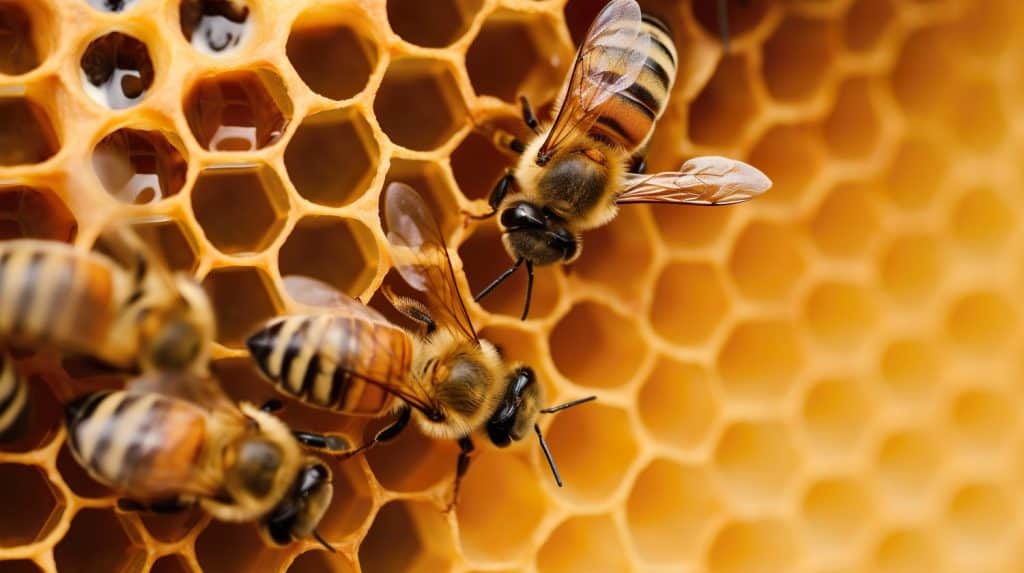
Fermented nectar is how bees get drunk, and they can develop individual tolerances to it.
©Martin Pelanek/Shutterstock.com
Honey bees around Australia’s Parliament House are central to this story. Many of these drunk bees are being observed, and they are turned away for colony protection. Keeping fermented nectar out of the hive is a must, so it doesn’t cause bigger issues for stored food. Contamination can be devastating for any hive, especially one with impressive honey stores.
Other Reasons Drunk Bees Are Banned From the Hive
When a single drunk bee brings home fermented nectar, it can cause the entire nectar or honey supply to spoil, resulting in harm to the whole colony. But that’s only one reason why guard bees keep drunk bees from entering the hive.
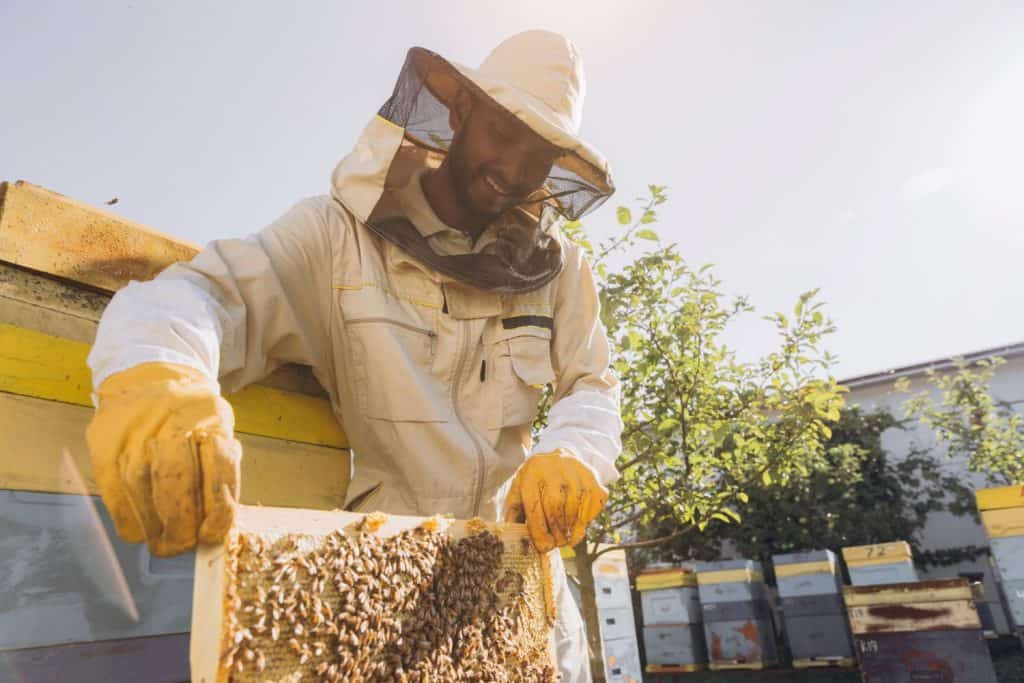
Beekeepers observe drunk bees in their profession, which means their behavior is noticeably different.
©Anatoliy Cherkas/Shutterstock.com
A drunk forager bee, if allowed into the hive while intoxicated, is more likely to:
- wander into the wrong hive and trigger fights
- fail to communicate normally
- become a target for predators and then draw that predator to the entrance area
- spread whatever it picked up while stumbling around, including diseases
There is also strong evidence that colonies do not hesitate to remove or eject individuals that are low-quality or potentially risky to the entire hive. For example, a 2024 paper in Behavioral Ecology and Sociobiology describes honey bee workers evaluating and evicting drone bees of low quality, framing that kind of behavior as part of the bees’ social immunity. While not all drones are drunk foragers, it is clear that the colony doesn’t tolerate certain bees when they become a threat.
Scientific Data Behind Bees and Alcohol
Despite their public shaming when rejected at the entrance to their hive, honey bees aren’t completely harmed or impaired by small amounts of ethanol. Researchers have been studying bees partly because they can tolerate low levels, only showing clear, measurable behavioral changes as alcohol doses rise.
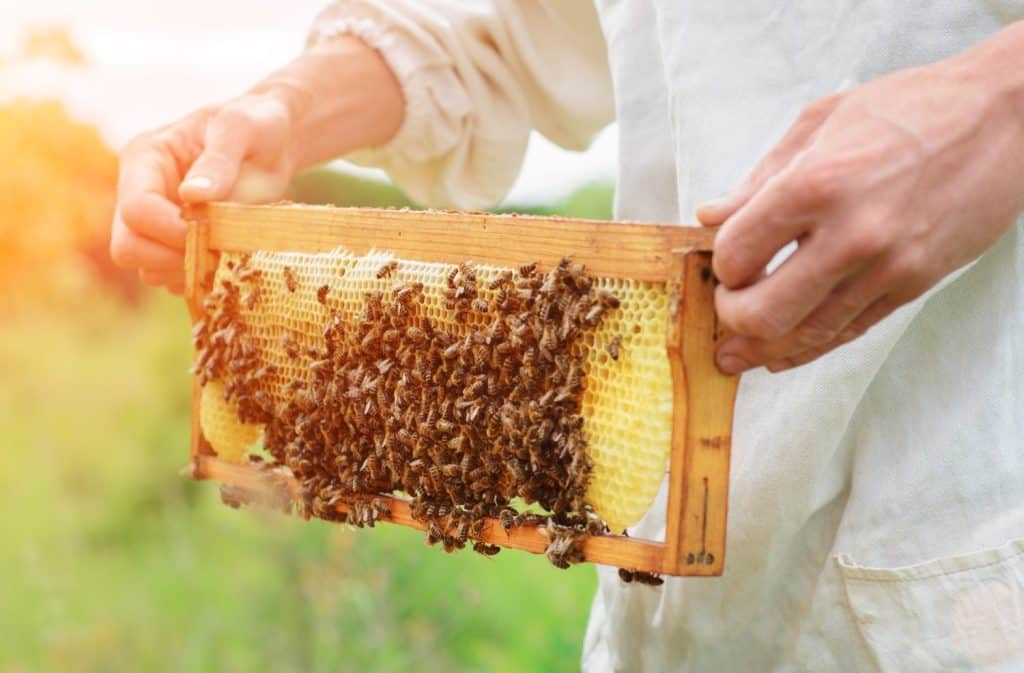
Bees can’t handle much ethanol, as it causes stress and impaired behavior in them.
©kosolovskyy/Shutterstock.com
In multiple studies, ethanol appears to impair a bee’s locomotion, learning, communication, and foraging decisions. There is also evidence of tolerance developing with repeated exposure, just like in people. Ultimately, bees have enough ecological contact with ethanol that their bodies and behaviors respond in repeatable ways, building tolerances as exposure increases.
However, at higher concentrations, ethanol becomes a stressor in a bee’s tiny body. One study on bee brain tissue concluded that intoxication at concentrations at or above 5% ethanol caused impaired behavior and learning alongside extremely high stress levels.
Do Guard Bees Wait for Drunk Bees to Sober Up?
Are bees allowed back in their hive once they’ve sobered up? The answer isn’t entirely clear and may depend on the specific hive. However, beekeepers observe this scenario playing out in the hives around Australia’s Parliament House. But is this because guard bees are actively waiting and timing how long it takes for their fellow bee to sober up?
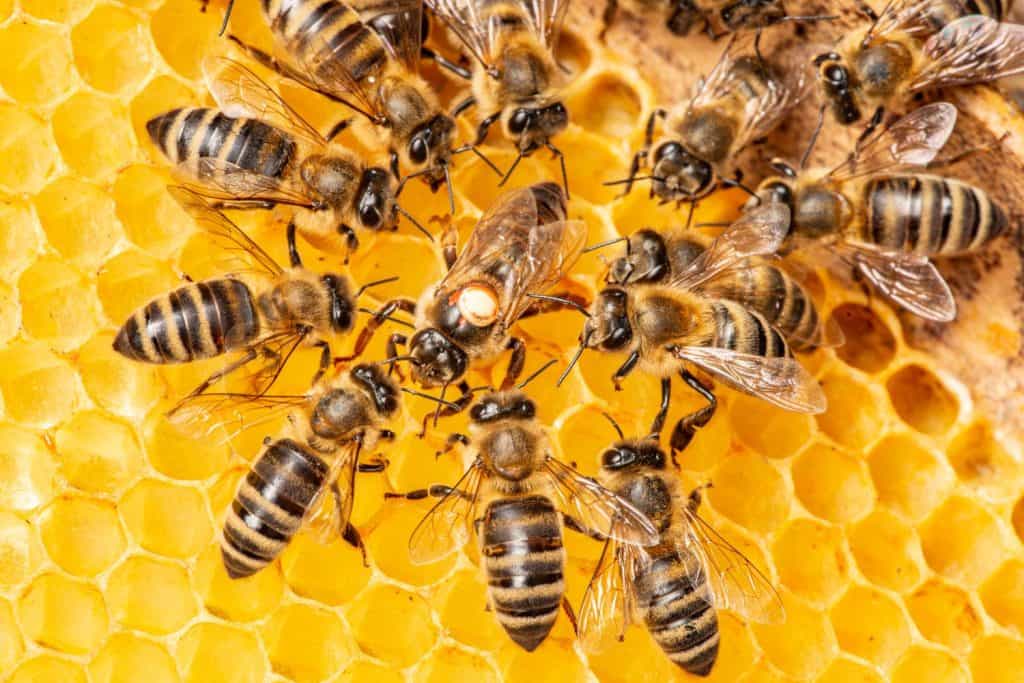
If a bee manages to sober up, it may be allowed back into the hive.
©Kuttelvaserova Stuchelova/Shutterstock.com
Not quite. What’s likely happening is that these guards respond to cues they’re already tuned to, including when a bee is behaving abnormally. If the bee’s behavior returns to normal after the ethanol is metabolized, the guard bees sense this and typically allow the bee back into the hive. However, if a bee is damaged beyond repair, its behavior will not change, and the hive likely won’t accept it again.
Bees and Hive Culture: Why Drunk Bees Are Not Acceptable
Honey bees behave in this way for good reason, evicting any bee that may damage the hive or their overall way of life. Guard bees are responsible for protecting the hive, capable of making fast decisions based on how other individuals are functioning.
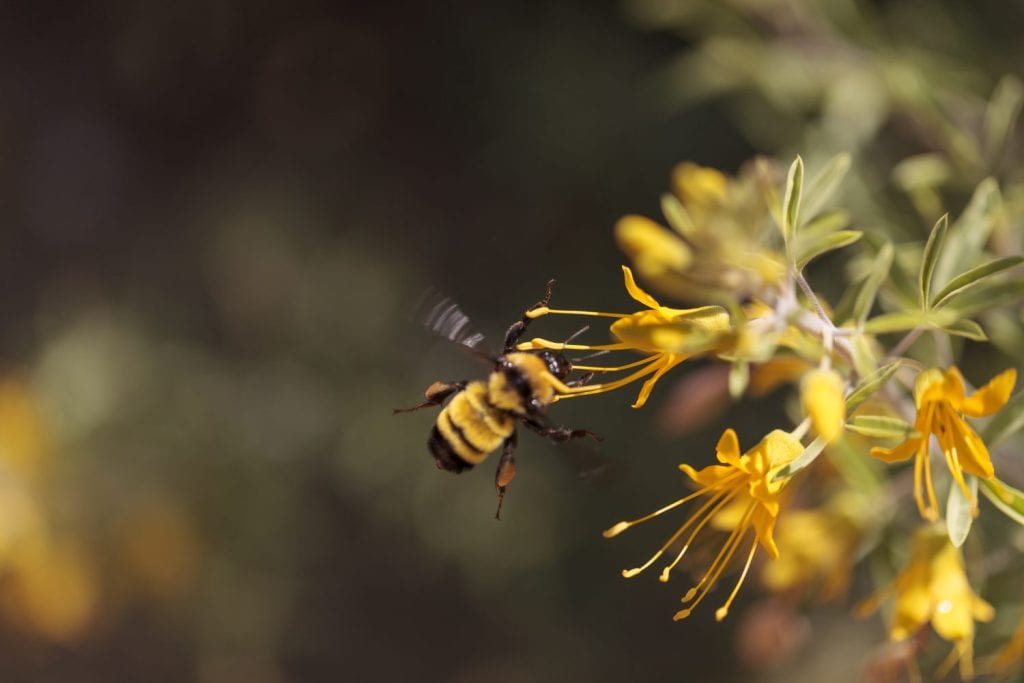
Remember that bees have extremely intricate social systems, which is why they will not tolerate disruptions to their hive.
©SunflowerMomma/Shutterstock.com
Drunk bees being turned away at the hive entrance is a phenomenon observed by beekeepers, making it a fascinating parallel to embarrassing human behavior on a much smaller scale. But like most humans dealing with an intoxicated, disruptive person, the hive isn’t being mean when they turn away their fellow bee. It’s being practical and making decisions for the betterment of all involved.