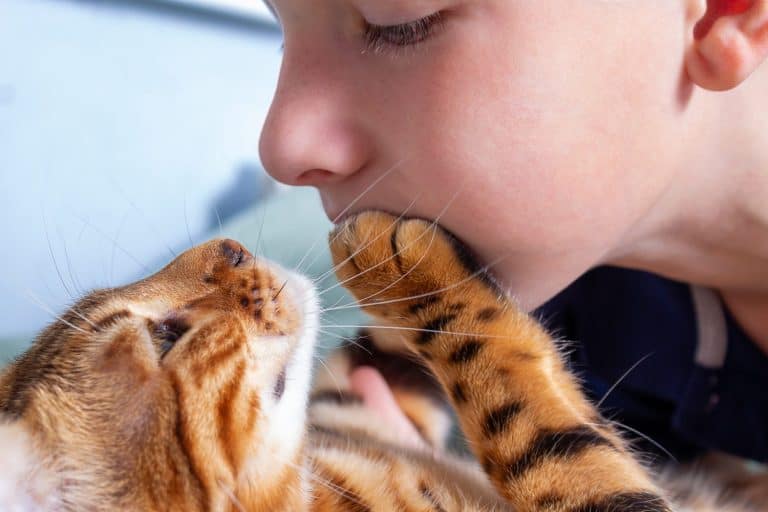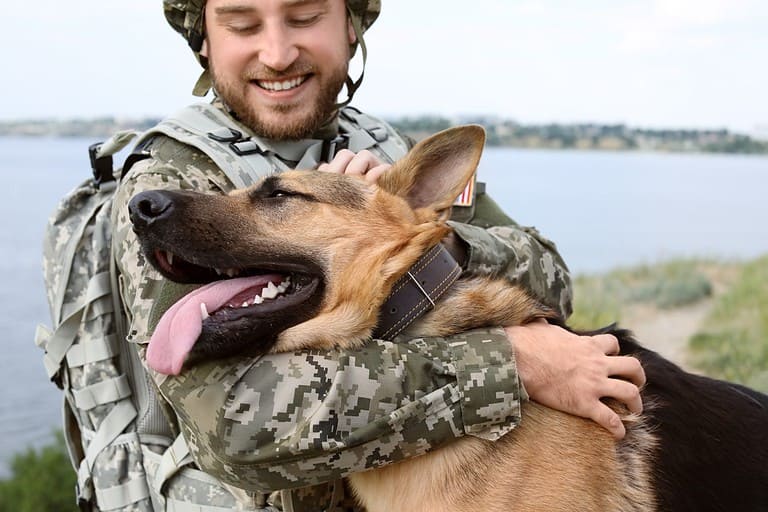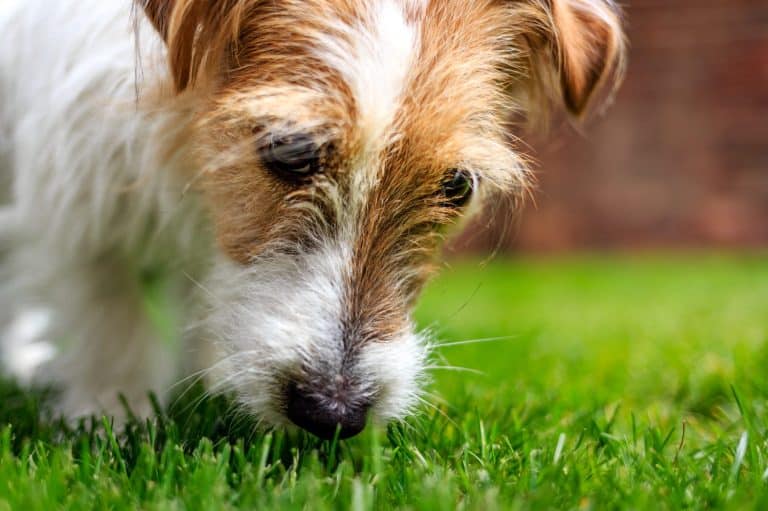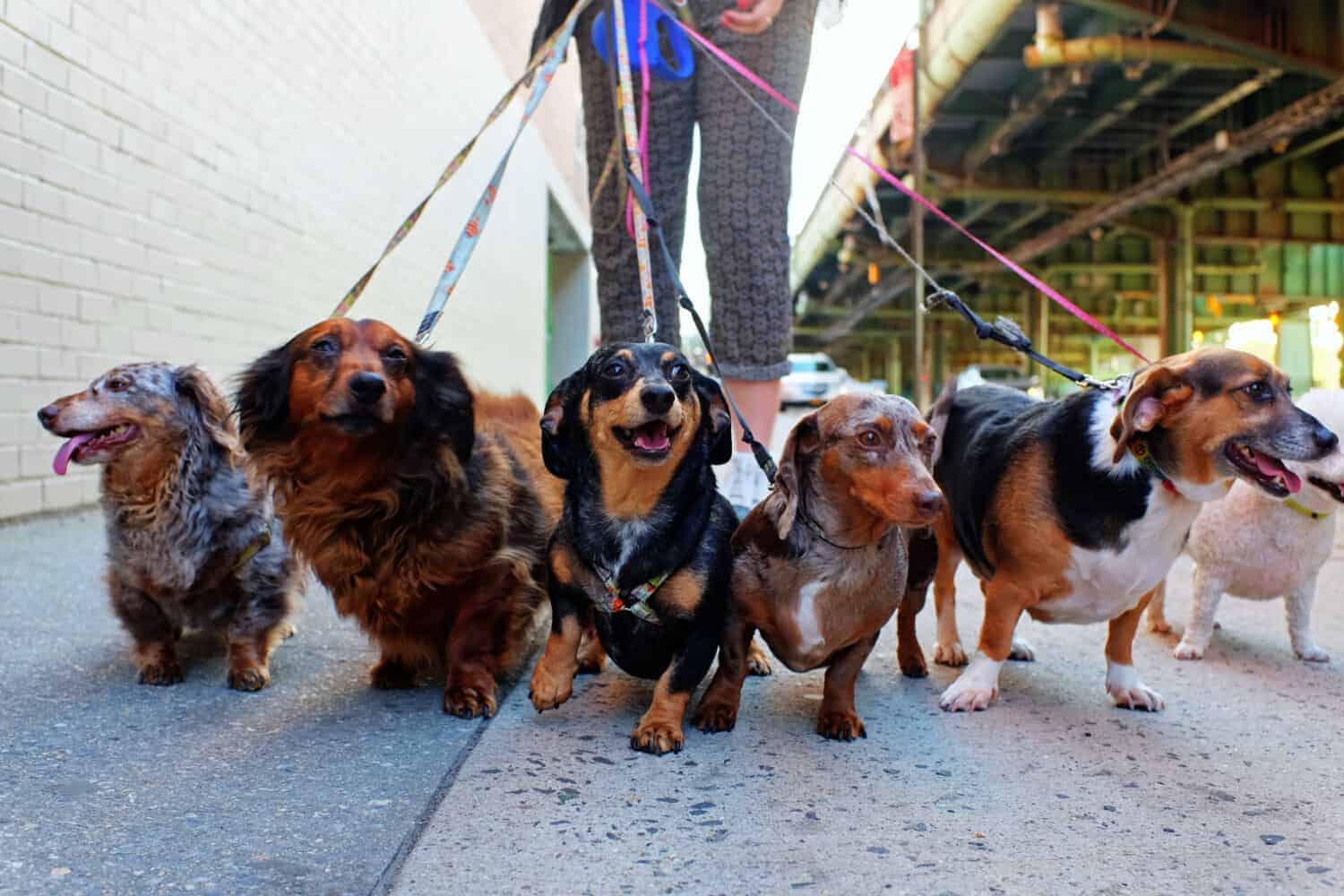

Today (September 8) marks National Dog Walker Appreciation Day, a moment to recognize the people who keep tails wagging and households running smoothly. Dog walkers are often invisible to the wider world, but for pet owners (and our pups!), they’re lifelines. They brave rain, snow, and sweltering heat, manage reactive or anxious dogs, and ensure that while we’re at work or on vacation, our four-legged family members still get exercise, enrichment, and love.
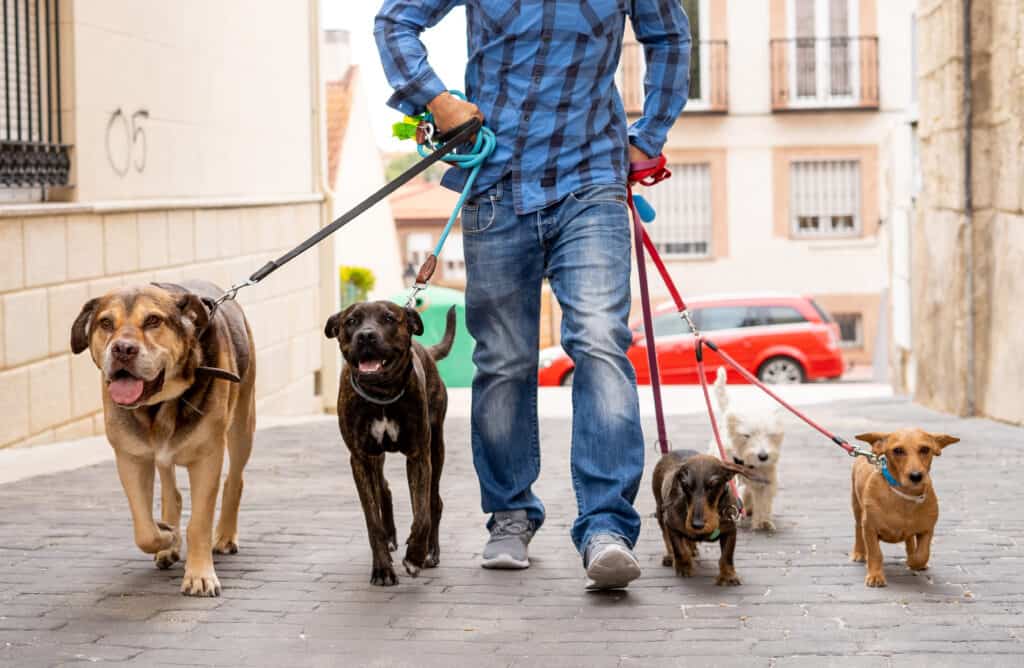
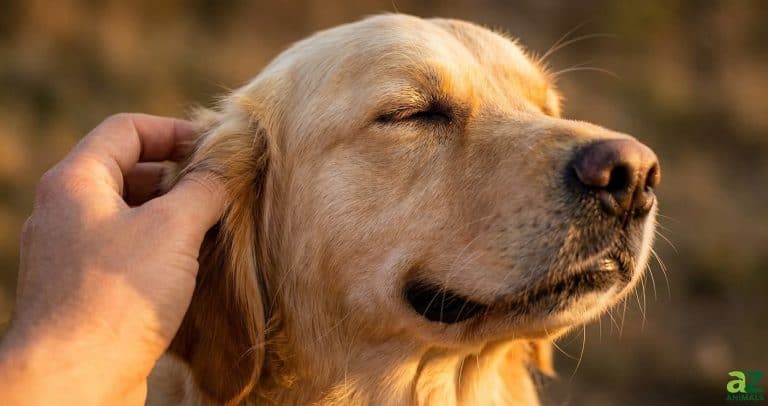
September 8 marks National Dog Walker Appreciation Day, a chance to celebrate the people who keep tails wagging and paws moving.
©SB Arts Media/Shutterstock.com
Few people understand the art of dog walking better than Ivan Petersel (CPDT-KA), a former Manhattan dog walker who now works as a certified trainer in New Jersey, where he’s known as the “dog sensei” at Dog Virtuoso. Looking back on his years navigating Wall Street streets with leashes in hand, Ivan is quick to note that this job is anything but a casual stroll.
Ivan didn’t set out to be a dog walker. Years ago, he was working on a writing project on the West Coast when the funding suddenly fell through. He returned to Brooklyn with no income and was temporarily crashing on a friend’s couch.
“I knew I wanted to build something meaningful, and dogs felt like the natural way,” he recalls. “I printed cheap business cards, but I wasn’t just handing them out to everyone. I specifically targeted wealthy people walking their own dogs in the middle of winter on Wall Street — people who clearly could afford a dog walker but weren’t.”
What he heard from those potential clients was nearly identical: their dogs were too reactive or aggressive, and no dog walker would take them on. Instead of backing off, Ivan leaned in. “That’s when I realized this was an opportunity. Walking dogs that lunge became my specialty. This was years before I became a certified dog trainer. It was tough, but it’s what really set me apart.”
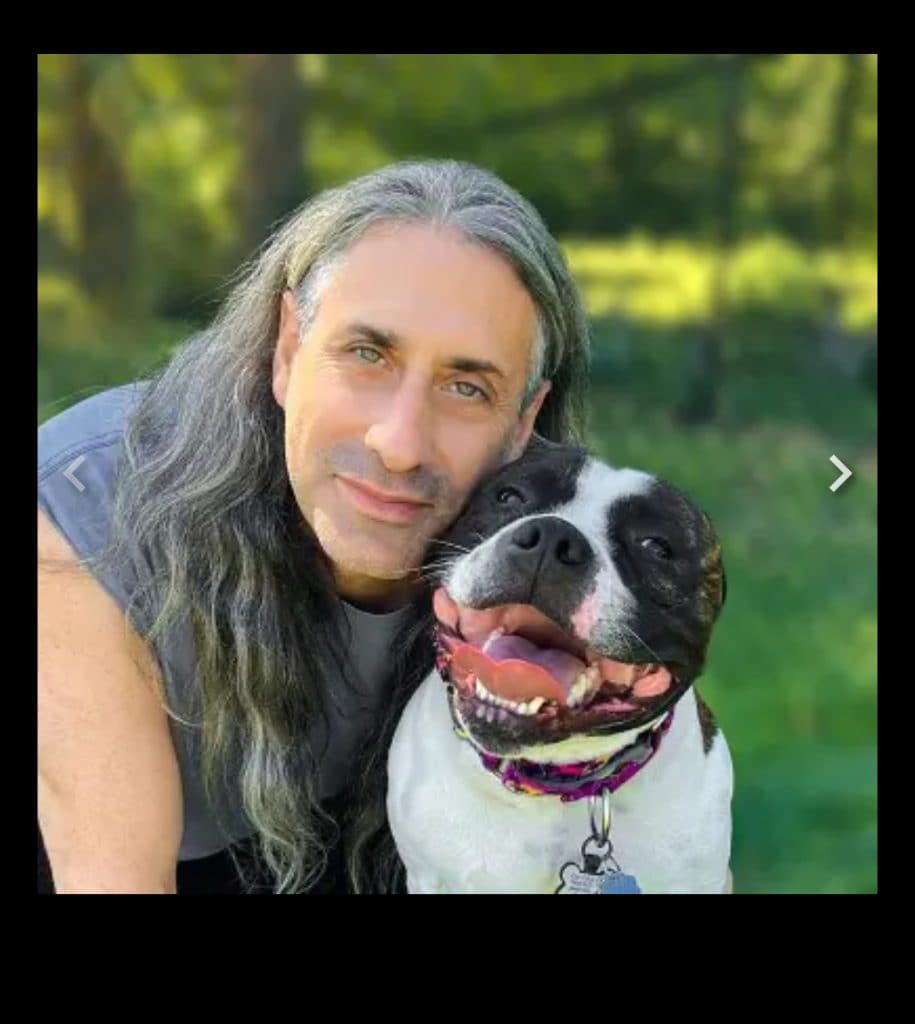
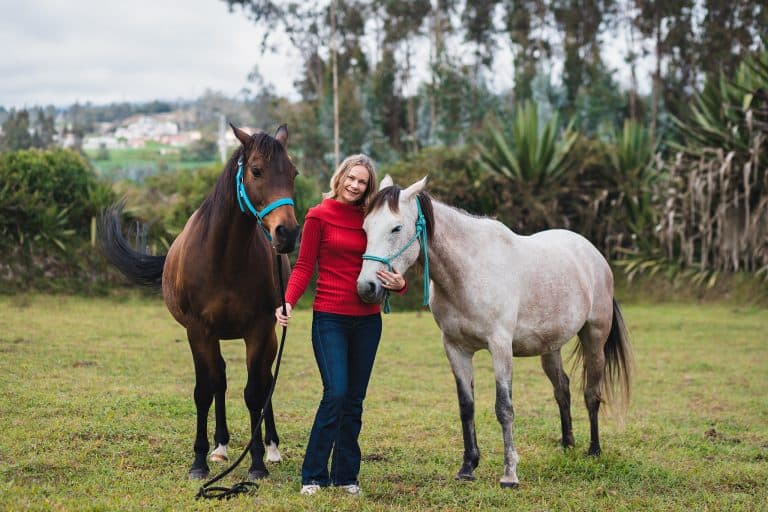
Ivan Petersel, former Manhattan dog walker and now certified trainer (and “dog sensei”) at Dog Virtuoso, shows how trust and calm communication build lasting bonds.
©Ivan Petersel
Unlike some New York walkers managing packs of eight or 10, Ivan capped his groups at three, usually because the dogs he handled needed focused attention.
To outsiders, dog walking looks straightforward: pick up the leash, loop the block, return the dog home. But Ivan laughs at that assumption.
“A typical day looks like what most people would imagine, but there’s always an unpredictable element when you’re working with dogs,” he says. “One might suddenly get sick, or something unexpected might happen on the street. A dog could step on glass or grab a chicken bone, for example.”
Dog walkers have to think on their feet, and even the smallest moments matter. “For me, the walk shouldn’t be about excitement; it’s about balance and structure. If a dog is pulling me out of the doorway, that same energy is going to carry us down the building stairs and straight into the street.”
For dog walkers, preparedness is key, such as having the right leash, plenty of waste bags, knowing emergency routes, and sometimes recommending better equipment to clients. And then there’s the human factor — neighbors who want to pet the dogs or strangers whose own pups “just want to say hi.” Managing those interactions while maintaining calm for the dogs is part of the craft.
For Ivan, the most rewarding part of walking wasn’t racking up steps, it was seeing transformations.
“Some dogs are under-socialized and unsure around others, while some are over-socialized, pulling and jumping toward every dog they see. I’ve seen both types transform,” he says. “There’s something about the power of a pack — walking together, moving in rhythm — that helps override anxieties or overexcitement. The rhythm of the walk is healing. Watching a dog gain confidence and flow in that rhythm is incredibly fulfilling.”
A typical day looks like what most people would imagine, but there’s always an unpredictable element when you’re working with dogs.
Ivan Petersel (CPDT-KA), the “dog sensei” at Dog Virtuoso.
One of Ivan’s standout memories involves a Rottweiler mix feared by his building neighbors. “Everyone in the building was nervous around him, and other dogs weren’t allowed near him. I knew, though, that with the right dog, it would be ok,” Ivan tells us. “Over the course of about three weeks, I gradually introduced a little Boston terrier to him — not just on walks, but even in the Rottweiler’s apartment. We started with parallel walks, giving them space, and slowly allowed them to get closer. Eventually, they were playing off-leash, and that Boston terrier became one of the few dogs the Rottweiler truly accepted as a friend. It was amazing to see that kind of trust and bond form through careful, patient work.”
Those are the dog walker breakthroughs that no one else sees.
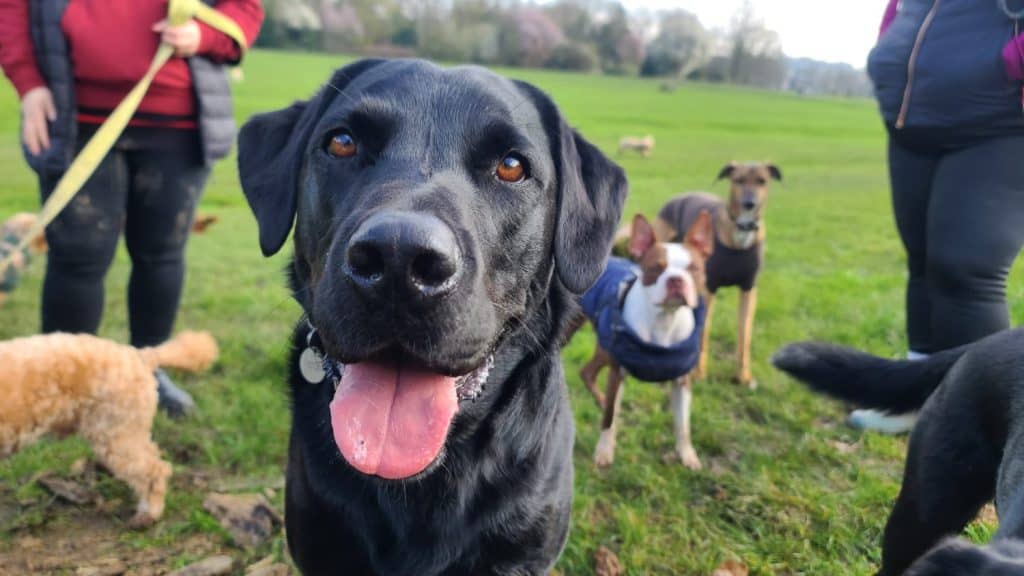
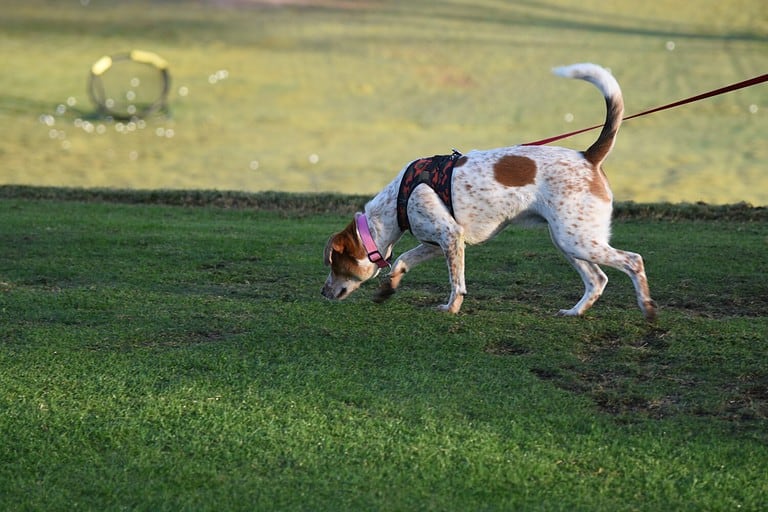
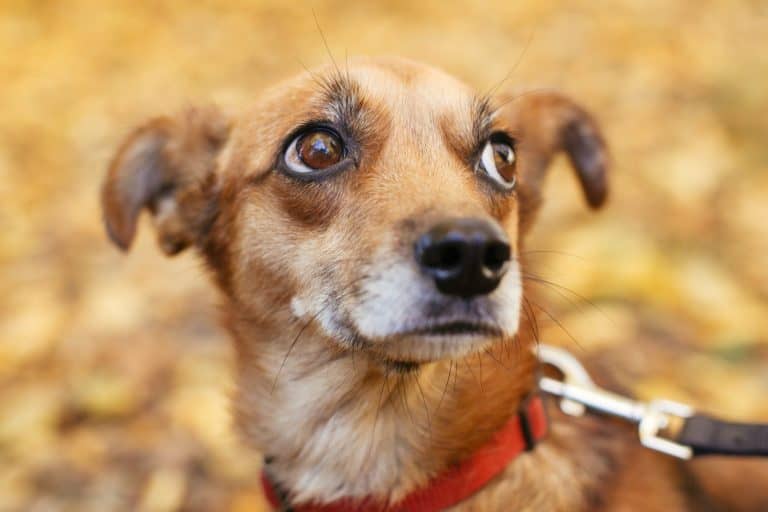
Breakthroughs happen on the leash: nervous dogs find confidence, excitable pups learn calm, and tails wag a little freer.
©Adree1985/Shutterstock.com
But breakthroughs don’t come without challenges. For Ivan, reactive dogs demanded split-second timing.
“Even something as simple as getting in and out of elevators can become unpredictable when you encounter dogs you weren’t expecting,” he explains. “Timing is everything; you often have just a fraction of a second to intervene before a dog escalates. For dogs that were bite risks, we always used muzzles. Managing that energy and keeping everyone safe requires skill and presence.”
Landing those first clients was also tough. “Everyone wanted references, and at first, it felt impossible,” admits Ivan. “But once I proved myself with one dog, it became easier. Walking a scary-looking dog confidently became my best advertisement.”
One of the biggest misconceptions about dog walking, Ivan stresses, is that it’s not simply for people who love dogs. This work isn’t about making kissy noises or handing out cookies. It’s about understanding dogs, reading their behavior, and managing unpredictable situations.
“Interestingly, many dogs would often walk better with me than they did with their own owners, which speaks to how much structure, confidence, and rhythm matter,” says Ivan.
That includes handling off-leash greetings gone wrong, preventing fights, or even safely breaking them up if necessary. It also means treating it as any other real business. “You need insurance, and it’s highly recommended to join a reputable organization or association for dog walkers or sitters to stay informed and supported,” Ivan advises.
Building trust was two-fold: first with the dogs, then with their owners.
“When it comes to building trust with dogs, I focus on simply sharing space with them. I don’t bribe them with treats or try to manipulate them; I let them explore naturally — sniff, jump, or interact as they choose. I’m observing and learning their personalities in real time, which makes building trust with the dogs relatively straightforward,” explains Ivan. ” Gaining the owners’ trust, on the other hand, is more nuanced. They want to see references, real-world photos, and proof that you can handle dogs in different situations … Showing that preparedness builds confidence and trust with owners.”
“Importantly, my approach is all about listening to dogs; it’s not about being the ‘alpha,’ Ivan adds. “If anything, it’s about being their coach and cheerleader and bringing out the best in them. I do a lot of work with service dogs, and that same philosophy applies everywhere.”
Sometimes, the proof of success is in the walk itself. “Many dogs were attentive to me because I know how to establish clear communication,” Ivan shares. “When dog owners see this, it builds rapport.”
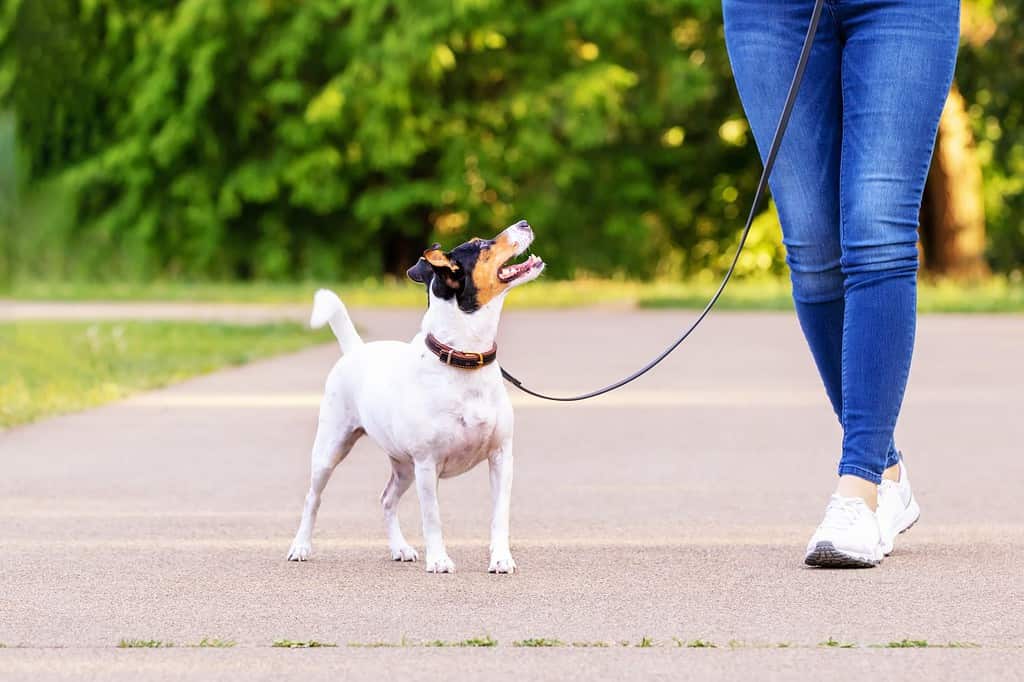
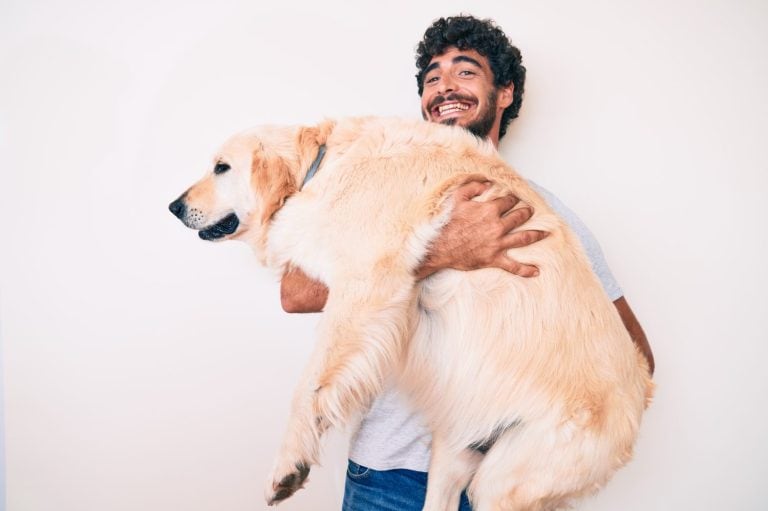
From surprise detours to sidewalk chicken bones, professional dog walkers know how to handle the unexpected.
©Meriluxa/Shutterstock.com
Asked what advice he’d give to someone considering the profession, Ivan doesn’t mince words.
“My advice is to take it seriously. There are far too many college students and casual dog lovers who don’t truly understand how dogs experience the world or how to properly educate and manage them.
Without that knowledge, the work can be dangerous, like when a dog needs to stop immediately on a sidewalk or in another unpredictable situation. You can’t train dogs in the moment you need training.”
He also emphasizes the business side: “Get insurance, join an association, and show clients you’re committed to doing the work responsibly. Many people assume anyone can be a dog walker, but that’s not true.”
And finally, match your energy to your clients. “Not every dog loves going on walks, or for the whole walk to be a ‘walk.’ Some dogs like to run, some like to do parkour. Make sure you’re taking on dogs where your energy matches the clients’ needs.”
So why does a day like September 8 matter? Ivan puts it simply:
“It’s amazing that there is a day to appreciate dog walkers. You can’t fake it — this work isn’t for people who just love dogs; it’s for people who truly understand them.”
And in our opinion, those people deserve to be recognized.