
Quick Take
- Rehoming can be the kindest choice when a pet’s needs or your family’s safety and stability can’t be met.
- Many issues improve with training, vet care, behavior help, and better routines.
- If rehoming is needed, finding a new appropriate home for your pet yourself is often a better choice than returning the animal to a shelter.
Adopting a rescue pet is usually talked about as a “forever” promise, and for many families, it truly is. But sometimes real life doesn’t match the happily-ever-after we imagined. A dog’s anxiety worsens, a cat stresses out a child, or money and time run out. When that happens, people can feel trapped between guilt and burnout. This article explores when rehoming a rescue pet can be the kindest choice—and how to handle it with honesty, planning, and compassion.
To add perspective to this conversation, we interviewed Ryan Howard, CEO and Founder of Getbuddy.com, a free AI-powered pet adoption platform featuring more than 270,000 adoptable animals across 1,000+ shelters and rescues nationwide.
Howard’s interest in improving the adoption system is personal. After adopting two dogs back to back—one for himself and one for his mother—he was surprised by how complicated and overwhelming the process felt, submitting ten applications for one dog, another half dozen for the other, and answering what seemed like endless questions. That experience led him to launch GetBuddy with the goal of helping shelters and adopters find stronger matches and reduce post-adoption surrenders.

Ryan Howard, CEO & Founder of GetBuddy.com
Unsustainable Situations
As much as we want to try to make every adoption work, in some situations, that just isn’t realistic. Howard points out, “To adopt a pet is to bring a new family member into your home; therefore, surrendering a pet is less than ideal. That said, there are times when it may make the best sense to rehome a pet. Examples of this would be when the pet doesn’t get along or is showing signs of aggression towards a family member (for example, when you bring a newborn baby home) or when allergies manifest that make living with the pet unsustainable.”
Other examples are related to the animal itself. For instance, a rescue animal may require more training, structure, experience, or a calmer living situation than the adopter can realistically provide. A high-energy breed may struggle in a small apartment. A stressed cat may not be able to handle a chaotic family life. Even with the best intentions, certain placements simply are not sustainable.

Some owners become overwhelmed by a highly energetic dog that requires more care than they can provide.
©PROMA1/Shutterstock.com
Sometimes the owner’s circumstances change. A job loss may make veterinary care unaffordable. A shift change may leave the pet crated all day. A death in the family can disrupt emotional stability. An adopter may relocate and leave the animal with relatives who are unprepared for the responsibility. Family structures can shift as well—an adult child moves home with a baby, a grandparent moves in, or a remarriage creates a blended family. These changes can create concerns about safety with a reactive pet or take up so much time that the animal’s needs are neglected. This doesn’t mean someone failed; they mean life evolved in ways that affect the pet’s placement.
Prevention Starts at Placement
The most important factor in preventing a failed adoption is to make a good placement for the pet in the first place. We asked Howard how rescue organizations screen applicants. He says, “Rescues ask a variety of questions, including background, employment, how long an individual is away from the home, experience with specific pet breeds, and personal references to ensure that pets are being placed into homes with responsible owners.”
But from the other side, it’s important for anyone considering adopting a pet to do their homework and approach the process with realistic expectations. Howard gave us this list of important things to take into account before taking the plunge:
Lifelong Care Costs: “This is the number one reason for surrenders. Things like food, grooming, preventative care, and of course, vet bills, should be considered upfront.”
Lifestyle Match: “You may love the lovable look of a dog, but is it right for your lifestyle? From age and personality to activity level, living space, and family dynamic, this is one of the most preventable fixes to keep animals in a loving home.”
Time commitment: “Puppies, for example, require consistent routines and housebreaking, training, and socialization. Adult dogs will continue to need someone home every day for feeding, walking, socialization, etc.”

Puppies require time, compassion, and consistency to master basic skills like housebreaking.
©iStock.com/lolostock
Warning Signs in a Pet Adoption
There is always an adjustment period after adoption, and some early stress is normal as routines take shape. But if weeks or months pass and your household still feels tense or fearful, that may signal more than a rough transition. In pets, warning signs can include escalating aggression, repeated biting, severe separation anxiety that does not improve with training, constant hiding, refusal to eat, destructive behavior, over-grooming, weight loss, pacing, panting, or an inability to settle unless you are right beside them. These behaviors often point to deep anxiety or fear, particularly in animals from traumatic backgrounds.
If you have already pursued veterinary care, medication when appropriate, and consistent behavior work, yet your pet still appears chronically stressed, it may be time to consider whether your home can truly meet their needs—or whether a quieter, more experienced, or differently structured environment would allow them to finally relax and thrive.
There are also signs within the household. If family members feel unsafe, if constant vigilance replaces normal routines, or if resentment and exhaustion build and create relationship problems between family members, the stress may be too high for everyone involved. Chronic tension—rather than a short learning curve—often indicates that the situation needs intervention. Recognizing these patterns early allows families to seek help, but if honest effort does not lead to improvement, it may be necessary to reconsider whether the current home is truly the right fit.
Rehoming is the kindest choice when a pet’s physical, emotional, or safety needs can’t be met despite honest effort, and staying would mean ongoing stress, harm, or neglect.
Ryan Howard, CEO and Founder of Getbuddy.com

Sometimes a rescue pet’s needs and behavior create unbearable stress in important human relationships.
©gorodenkoff/iStock via Getty Images
Trying Help First: Training, Support, and Creative Solutions
Before considering rehoming, it’s wise to seek targeted support. Many behavioral issues improve with proper guidance and consistency. Howard recommends considering hiring a trainer, not just for the pet, but for the owner.
“In many cases, owners can exacerbate a pet’s bad behavior. For example, leash reactivity,” he says. “When an owner knows how to respond and handle the dog correctly, negative behaviors like this one can generally be solved within days. professional guidance with predictable routines, structure, and enrichment often helps a struggling pet settle into the home more successfully.”

A trainer can show you areas where you might be unintentionally reinforcing undesirable behaviors from your pet.
©iStock.com/mellangatang
How to Rehome Responsibly and Ethically
If you reach the point where rehoming feels necessary, how you do it matters. “Ideally, owners will attempt to place the pet with a new home/family directly, as opposed to dumping the pet at a random shelter,” Howard says.
The most responsible first step is usually to reach back out to the original rescue or shelter. Many have contracts requiring returns, or will help you network safely. They can post accurate descriptions, share medical records, and screen new adopters. You can also talk with your vet, trusted trainers, or local rescues about reputable rehoming groups. Avoid posting “free to good home” ads without any screening. Pets given away with no questions asked are at higher risk of ending up in unsafe situations. Sharing your pet’s real personality, quirks, and needs helps potential adopters decide if they can truly offer a stable, permanent home.
And don’t assume that a stubborn or mischievous animal is automatically unadoptable. Some adopters are specifically drawn to pets with strong personalities or special challenges. In fact, when owners are honest about a pet’s quirks and behavioral needs, they sometimes find committed, experienced adopters who feel uniquely equipped to handle them. This can even be because they are themselves trainers or have had previous pets with similar issues.
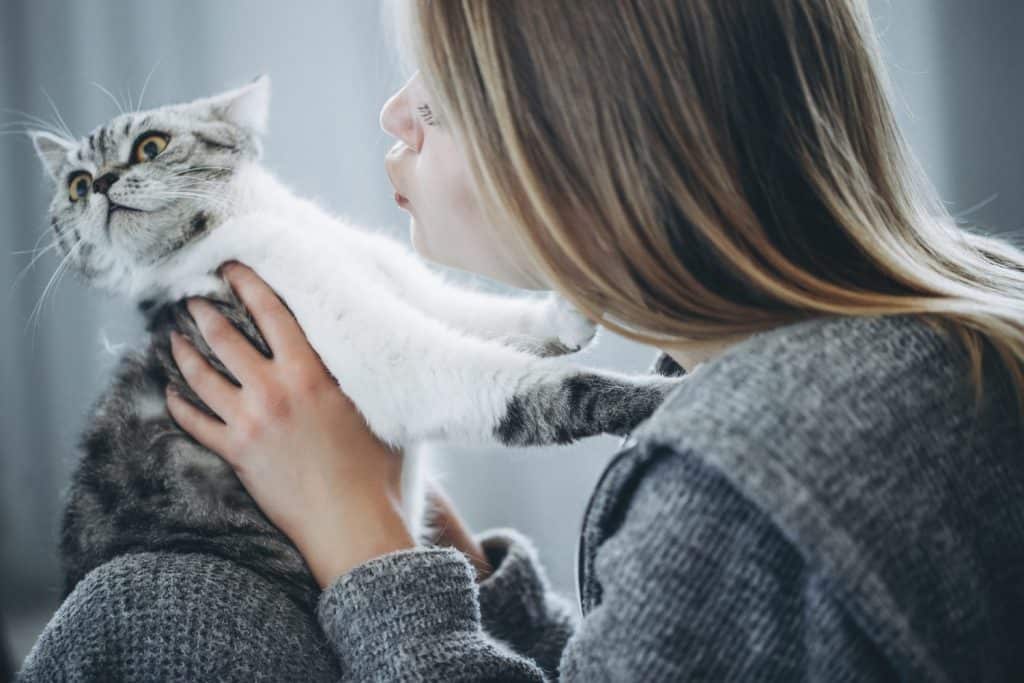
Be frank about your pet’s personality and behavioral quirks when searching for a new home.
©Nina Buday/Shutterstock.com
Why Direct Rehoming Is Often Better Than Surrender
When you can safely place an animal directly into a new, well-matched home, you may spare them a stressful shelter stay. Many shelters are already full, noisy, and overwhelming, especially for sensitive dogs and cats. Going from a quiet home back into a kennel can undo months of progress. Direct rehoming, guided by a rescue or platform that verifies adopters, allows you to choose a family that understands the pet’s history and is genuinely prepared. You can provide their favorite bed, toys, and routine details to ease the change. Saying goodbye hurts. But knowing exactly where your pet is going can offer real peace of mind. And of course, you’re relieving pressure on already overwhelmed shelters, freeing them up to place other animals.
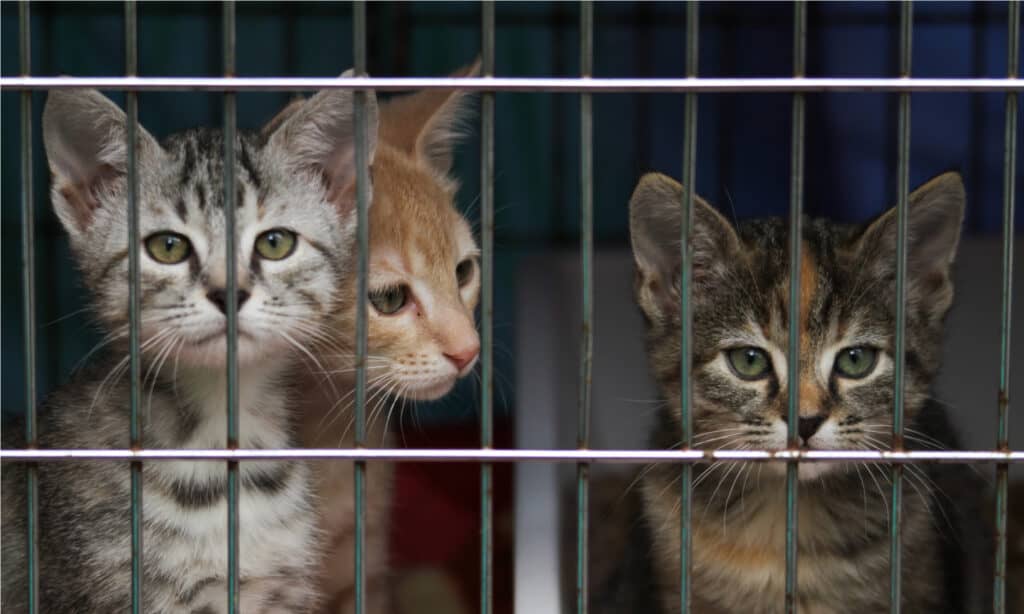
Rehoming directly saves your pet from going back to a stressful, noisy shelter situation.
©Giordano66/Shutterstock.com
When Rehoming Is the Kindest Choice
It’s counterproductive to feel excessive guilt about rehoming your pet if the adoption genuinely is not a good match. “Rehoming is the kindest choice when a pet’s physical, emotional, or safety needs can’t be met despite honest effort, and staying would mean ongoing stress, harm, or neglect,” Howard notes. “It’s ethical when it’s done thoughtfully, with transparency, and results in a home where the animal can truly thrive.”
Whether or not the failed adoption was preventable, owners can move forward knowing they did the most responsible, kind, and caring thing they could for their pet, given their options and resources. And they can learn from the experience and share their knowledge with others to prevent repeats and increase the chances of good matches in the future.
Choosing Compassion Over Guilt
Loving animals means wanting what’s truly best for them, even when that means letting go. If you’ve done your best with training, vet care, and support, but your rescue pet is still unsafe, deeply unhappy, or beyond what your family can realistically handle, thoughtful rehoming can be an act of courage, not failure. By planning carefully, working with reputable rescues and professionals, and being honest about your pet’s needs, you can help them land in a home where they can finally relax and thrive. At the same time, you’ll protect your own well-being and make room for a healthier future for everyone involved.