
Quick Take
- A three-legged, one-eyed lion developed a hunting technique so foreign to his species that experts had to check their footage twice to believe it. See the footage →
- Wildlife experts predicted Jacob would become fully dependent on his pride, but every part of that prediction turned out to be wrong. Read Jacob's survival story →
- Jacob hunts prey that healthy lions almost never touch, and researchers think it reveals something unsettling about the future of the species. Explore expert reactions →
- Jacob has crossed a crocodile-filled channel 20 times on three legs, and nobody can fully explain why. Discover Jacob's channel crossings →
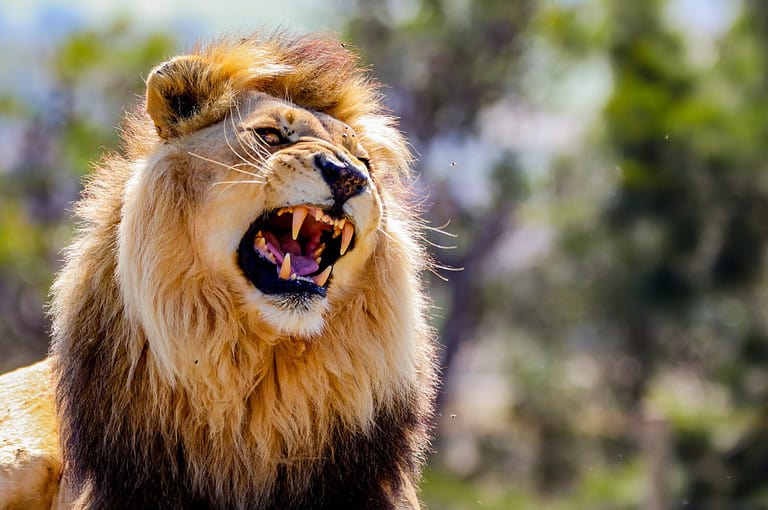
In the vast grasslands of Uganda’s Queen Elizabeth National Park, a lion named Jacob has challenged everything science thought it knew about survival and adaptation among big cats. Disabled by poaching and a brutal encounter with a buffalo, Jacob has not only endured but reinvented how a lion hunts and lives.
Continue reading
A Lion Against All Odds
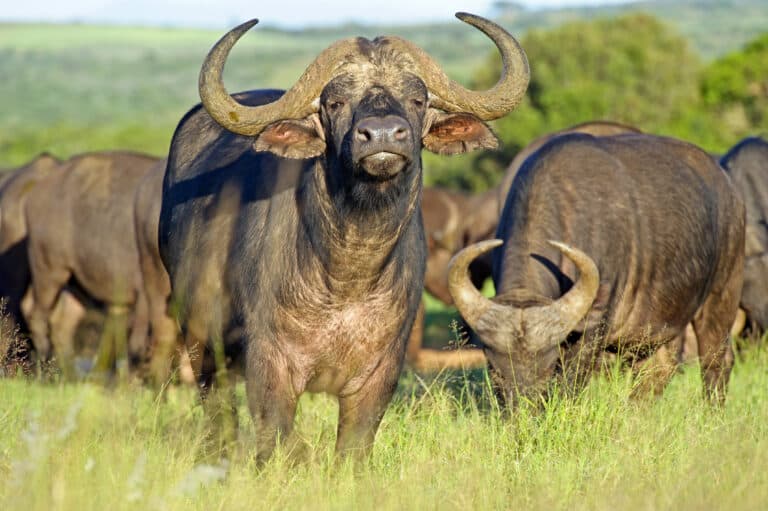
Jacob, now 11 years old, first came into the global spotlight after swimming 1.5 kilometers across a crocodile-infested river with his brother Tibu, a feat rarely, if ever, recorded for lions. But his story began under much darker circumstances. In 2020, Jacob was caught in a poacher’s snare, losing his left hind leg. Not long after, a buffalo severely injured him, leaving Jacob blind in one eye.
©ArtMediaFactory/Shutterstock.com
Most wildlife experts expected Jacob’s days to be numbered. Severely handicapped lions, they agreed, usually turn to scavenging, preying on livestock, or are forced to depend on the support of an entire pride, if they survive at all. Jacob, however, seemed to break every rule. Outside observers and researchers alike questioned how he managed to persist, with only the companionship of his brother for support.
An Unlikely Hunter Revealed
The full story of Jacob’s survival would remain a mystery until thermal drone footage and night cameras captured his revolutionary new hunting behavior. According to Alexander Braczkowski of the Kyambura Lion Monitoring Project, who has tracked Jacob since 2017, the evidence was staggering: instead of giving in to his fate, Jacob refused to surrender.
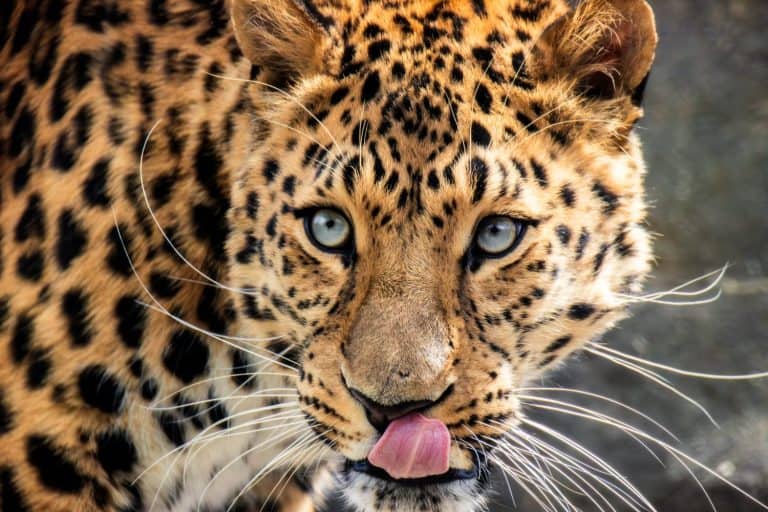
Unlike healthy lions, Jacob could no longer sprint after or overpower the large, swift antelopes and buffalo that typically make up their prey. Instead, he adopted an ambush strategy reminiscent of the much more elusive leopard. The thermal images revealed Jacob lying in dense vegetation, ready to pounce from very short distances, or even digging out hidden prey, tactics never before recorded in an adult lion.
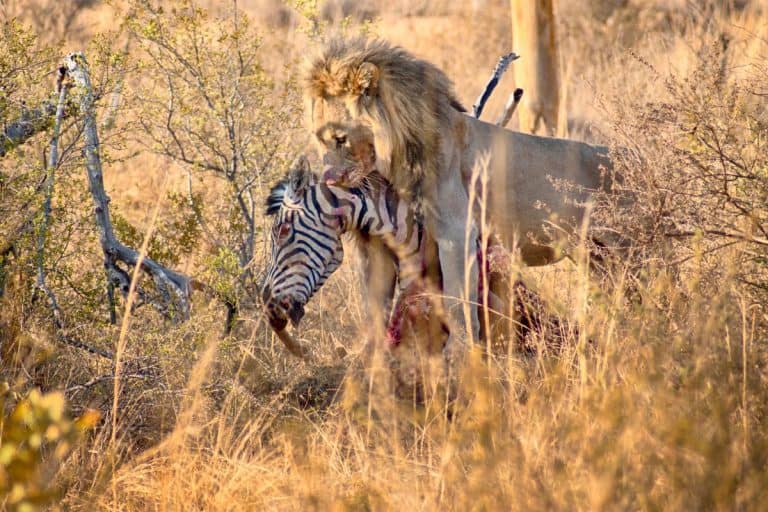
He also shifted the type of animals he hunted. Night-vision cameras operated by Daniel Snyders and the Kyambura Lion Project caught Jacob and his brother targeting bushpigs, large animals weighing up to 440 pounds, species rarely hunted by lions. Sometimes Jacob hunted alone; other times, Tibu was by his side.
“Jacob has no chance in a pursuit hunt,” Braczkowski explains. “The fact that he chooses such specific prey shows he’s changed his diet completely. He takes huge risks. He behaves more like a leopard now. But given his condition, it’s his only option, and it works.”
©Brian Stuart Nel/Shutterstock.com
Expert Reactions and the Search for Parallels
As cameras documented Jacob’s improvisations, experts in lion conservation were left astonished. Andrew Loveridge of Panthera, a global wild cat conservation group, noted that lions losing limbs to snares is heartbreakingly common in Africa. Craig Packer of the University of Minnesota has suggested that regional adaptations could emerge when environmental pressures are high. Yet, researchers have never observed other lions in Queen Elizabeth National Park adopting Jacob’s leopard-like techniques.
George Schaller, a renowned field biologist, underscores how unusual Jacob’s survival is. While some East African lions are known to climb trees, these so-called ‘tree lions’ still hunt in the traditional lion fashion. Those with only three legs, commonly referred to as ‘tripod lions’, almost always rely on the support of their group to eat. Jacob and Tibu’s isolated partnership breaks this pattern completely.
Crossing Rivers and Shifting the Future
Even with one eye and only three good legs, Jacob continues to challenge expectations. Over the past two years, he has crossed the Kazinga Channel as many as 20 times, a daunting journey for any lion, let alone an injured one. Researchers tracking his movements found that he covers an average of 1.73 kilometers per day, a remarkable distance given his disabilities. Some speculate this behavior signals dwindling prey or a search for mates, but no one can be certain.
What stands out most, however, is the possibility that Jacob’s unique hunting style could become more widespread. In a region facing relentless threats from habitat loss, climate change, and expanding human development, behavioral innovations like Jacob’s may one day influence how other lions adapt to survive.
To Alexander Braczkowski, Jacob has become both symbolically and genetically valuable, a testament to the resilience of his species. George Schaller adds simply, “He’s a real fighter.” Jacob’s tale offers a rare glimpse into the creative side of evolution, where desperate circumstances drive an animal to try what no one else dares, and sometimes, it’s the difference between life and death.