
Quick Take
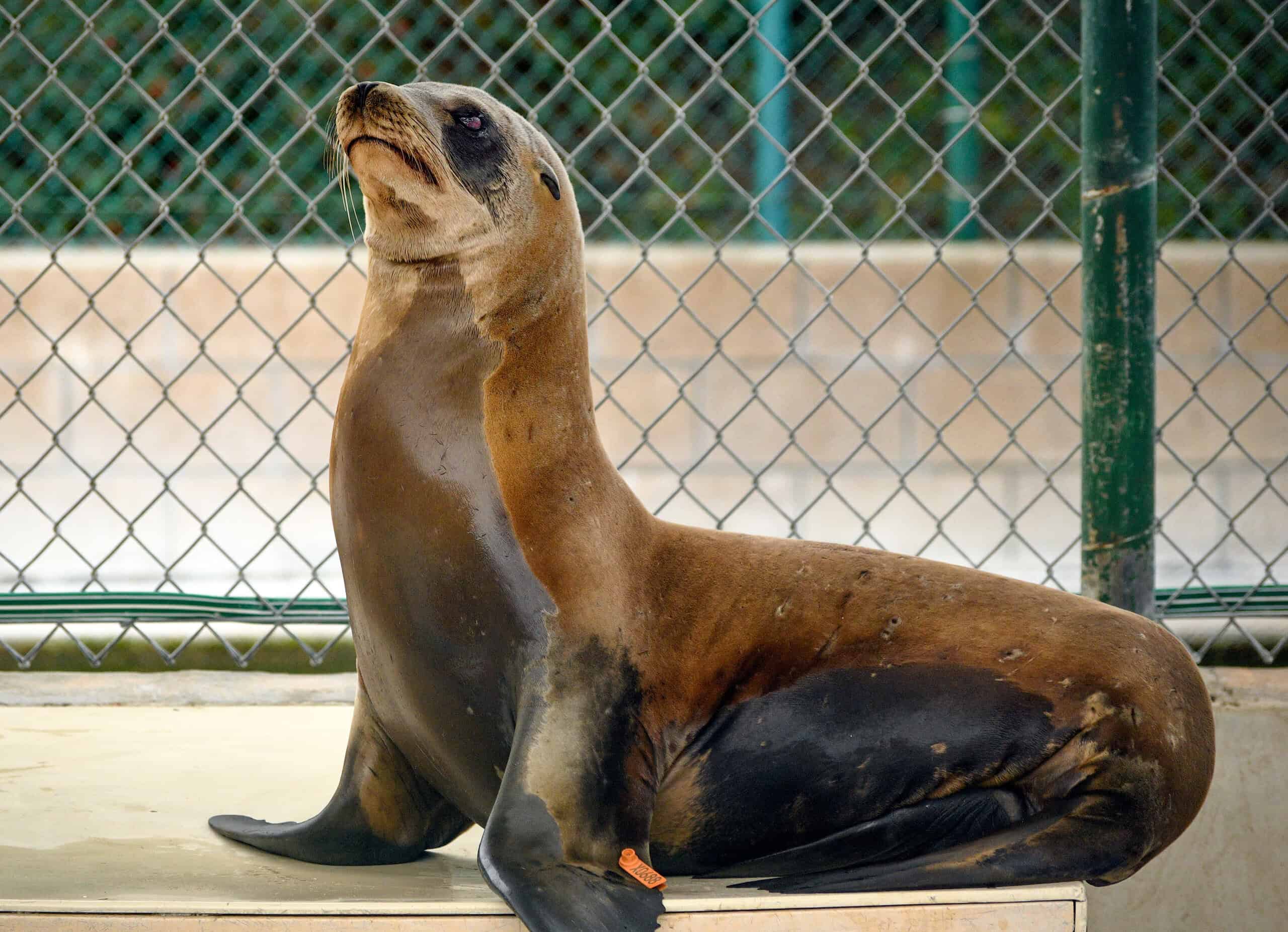
- Rocky the California Sea Lion survives gunshot wound, ruptured eye, and malnutrition before release back to the ocean.
- Bitsy the Shih Tzu puppy, at 4 pounds on rescue, recovers with therapy dogs and finds a forever home.
- Nosey the African Elephant arrives at The Sanctuary in 2017 after decades on the road, gaining autonomy and social bonds.
- Read on to discover the moment Nosey first trusted caregivers and how sanctuary life unfolds today.
Every year on December 10, advocates around the world observe International Animal Rights Day, a reminder that animals (whether they’re elephants who spent decades performing, abandoned pets fighting their way back to life, or marine mammals navigating an increasingly human-impacted ocean) deserve safety, support, and compassion.
Some rescue stories resonate so deeply that they remind us exactly why this day matters. Today, we’re sharing three of them: a young sea lion who survived unthinkable harm, a small dog who found love after near-starvation, and an elephant who finally stepped into freedom after nearly three decades of performing. Together, their journeys show what’s possible when we choose empathy and action.
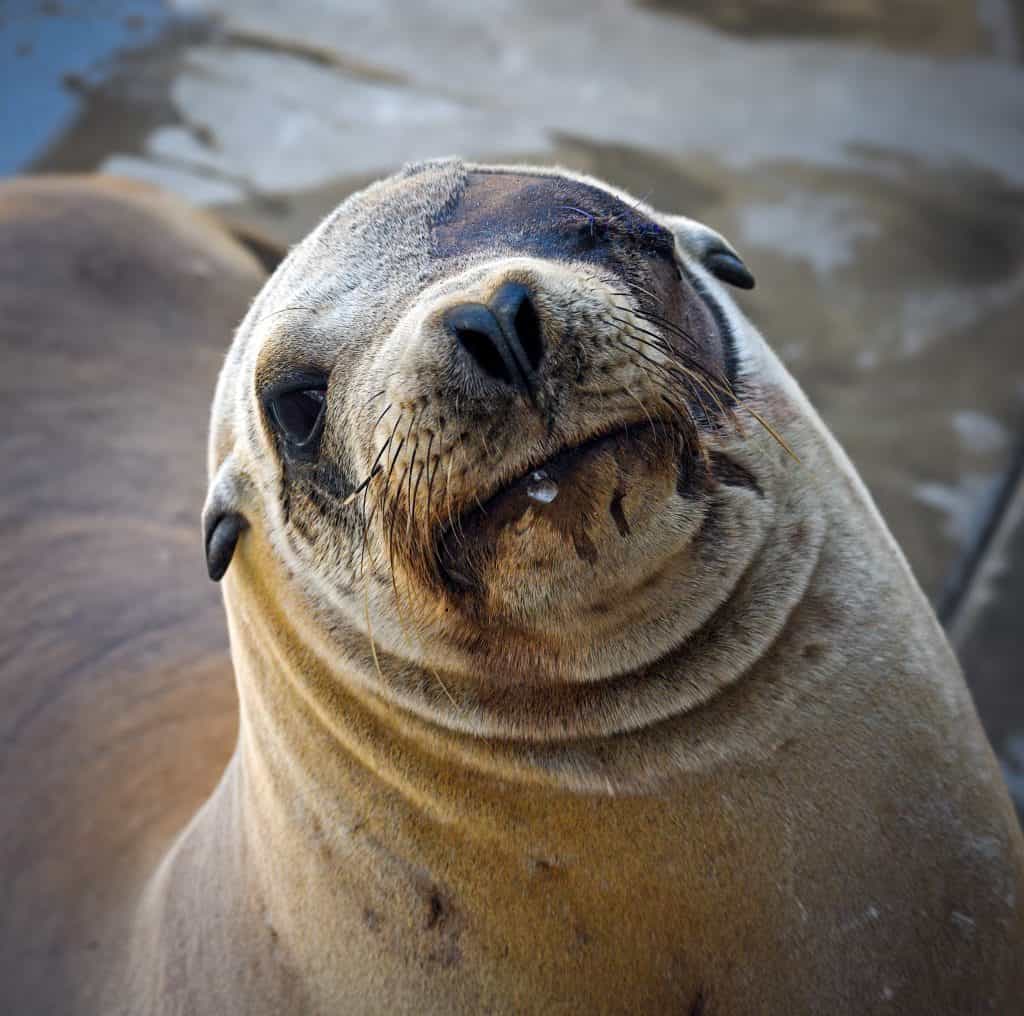
If you weren’t already passionate about Animal Rights Day, Rocky and his fellow survivors will tug at your heartstrings.
©Kate Johns / Marine Mammal Care Center Los Angeles – Original / License
Rocky the California Sea Lion
Along the beaches of Southern California, a juvenile sea lion named Rocky was spotted alone in Malibu. He was disoriented, underweight, and clearly in distress. And his journey quickly revealed the best and worst of what humans are capable of.
For over 30 years, Marine Mammal Care Center Los Angeles (MMCC) has been at the center of local marine mammal rescue efforts. As CEO John Warner explains, “It is the only year-round organization authorized by the National Oceanic and Atmospheric Administration (NOAA) dedicated to the rescue, rehabilitation, and release of sick and injured marine mammals in Los Angeles County. Since 1992, MMCC has treated over 10,000 patients suffering from malnutrition, entanglement, domoic acid poisoning, and other human and environmental threats.”
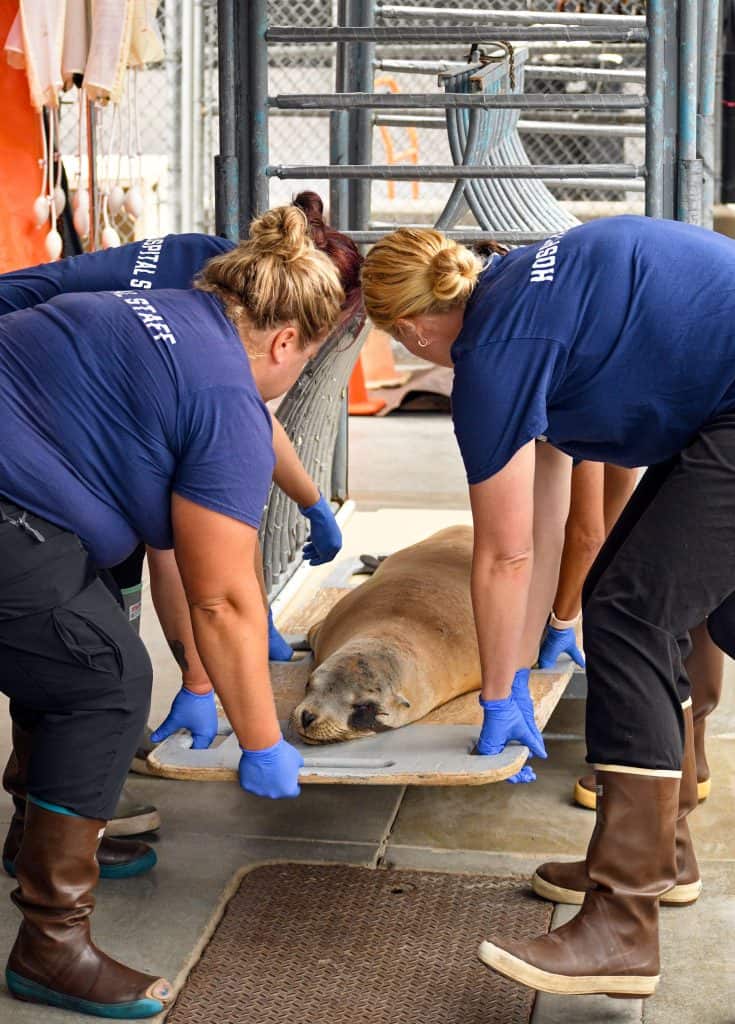
During intake, the MMCC staff discovered Rocky’s ruptured eye and multiple wounds.
©Marine Mammal Care Center Los Angeles
And their work extends beyond rescue. “By addressing the urgent needs of stranded animals and sharing their stories with the public,” says Warner, “MMCC connects people to the ocean and empowers them to take action for a more sustainable future.”
Rocky entered MMCC’s care after a call from a concerned beachgoer. “Rocky was rescued by our partners at California Wildlife Center (CWC) based in Malibu,” Warner says. “They received a call from a member of the public reporting a young sea lion that appeared to be acting strangely … Nothing specific was known about his condition until he was rescued and assessed.”
When Rocky arrived on August 26, the extent of his trauma became clear. “In addition to being malnourished, Rocky had an obvious injury to his left eye as well as several small lacerations on his abdomen and a puncture wound on one of his hind flippers,” Warner recounts. Then came the discovery that changed everything: “During his intake exam, our veterinary experts confirmed that Rocky’s eye had ruptured, and X-rays revealed a bullet in his head.”
He had also swallowed a fishhook. “It may have been regurgitated or dissolved,” Warner notes after follow-up imaging showed it was gone.
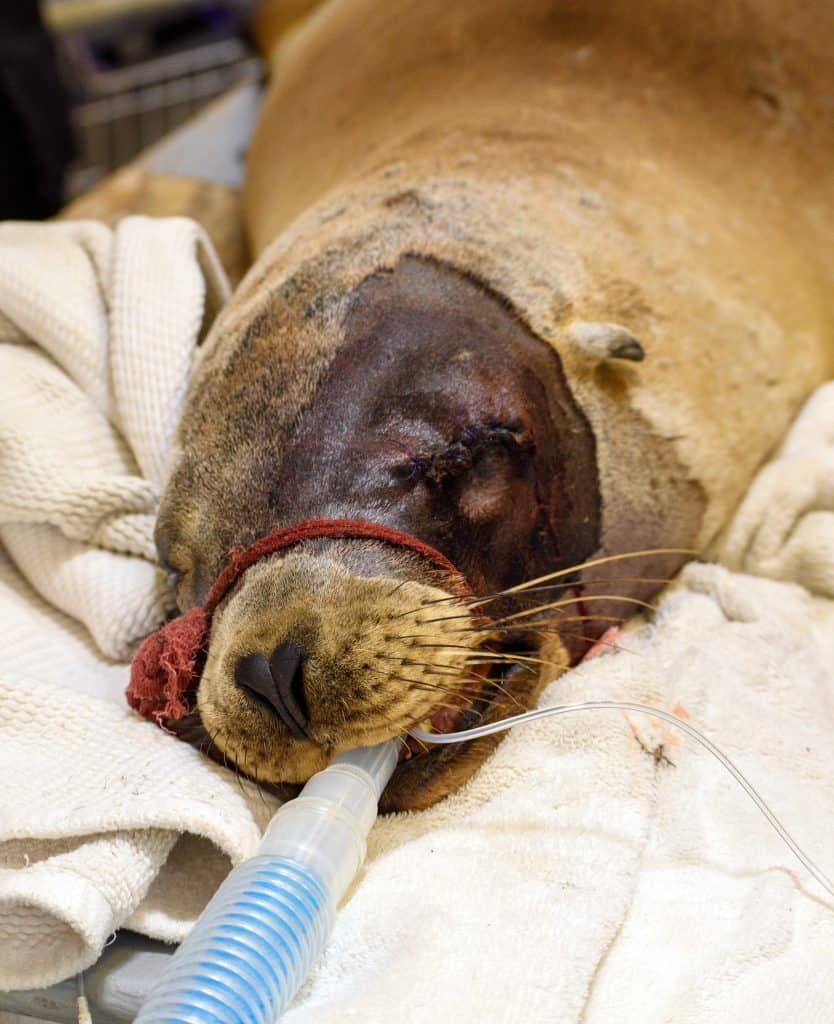
When Rocky arrived, the extent of his suffering became heartbreakingly clear.
©Marine Mammal Care Center Los Angeles
The team moved quickly. “Rocky was given pain medications and antibiotics to make him more comfortable and minimize the likelihood of infection,” Warner says. Hydration came next, followed by careful feeding. “Soon after being admitted to the hospital, Rocky began eating, so it was straightforward to administer his medications in fish,” Warner adds.
Removing his ruptured eye became essential. “In Rocky’s case, his eye was infected and ruptured due to his gunshot wound, and it was also a source of pain,” Warner explains. The surgery also carried risks, such as excessive bleeding, infection, or complications related to anesthesia. Thankfully, the surgery lasted less than an hour, and Rocky recovered well.
From there, he stunned his caregivers. “Rocky was a resilient and stoic patient from the start,” Warner says. His appetite returned quickly, helping him stabilize and gain strength.
The team monitored him closely to determine whether he could be released. “We assessed his ability to navigate his environment on land and in the water, and he had no issues despite only having one eye,” Warner says. Once he began catching live fish, they knew he was ready.
On October 8, 2025, Rocky was returned to the ocean. “Since he had multiple human-caused injuries, our team made the decision to release him offshore from a boat instead of from the beach,” Warner explains. “The team was thrilled when he jumped right into the water as soon as his crate door was opened!”
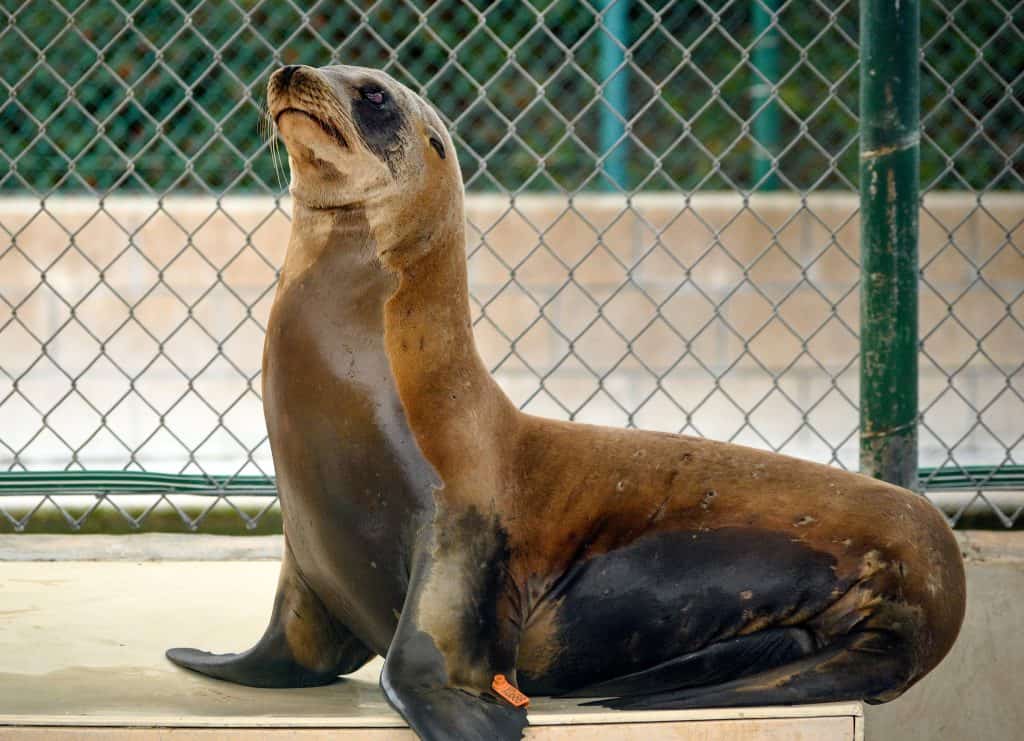
Thanks to compassionate veterinary care, Rocky began his long path to healing.
©Marine Mammal Care Center Los Angeles
Rocky’s recovery meant everything to those who cared for him. “Rocky made a big impression on everyone at MMCC,” Warner shares. “His successful recovery after everything he went through was celebrated by all of us.”
But Warner is also clear about the deeper meaning. “Rocky’s journey is a powerful reminder that wildlife protection isn’t an abstract idea. It’s a moral responsibility that plays out one animal, one crisis, one human decision at a time.”
His message is simple: “Every life is worth fighting for.”
Rocky’s journey is a powerful reminder that wildlife protection isn’t an abstract idea. It’s a moral responsibility that plays out one animal, one crisis, one human decision at a time.
John Warner, CEO of Marine Mammal Care Center Los Angeles
Bitsy the Shih Tzu Puppy
If Rocky’s story is about resilience in the face of violence, Bitsy’s is a testament to the power of gentleness — to the way love can coax a broken animal back into life.
The Trio Animal Foundation first learned about Bitsy when she was brought in by the Chicago Police, and nothing could have prepared the organization’s founder, Sue Naiden, for the sight. “When I met Bitsy, she was soaked in urine, blinded by matted fur that covered her eyes, emaciated, and unable to stand on her own,” she explains. “Bitsy was listless and near death.”
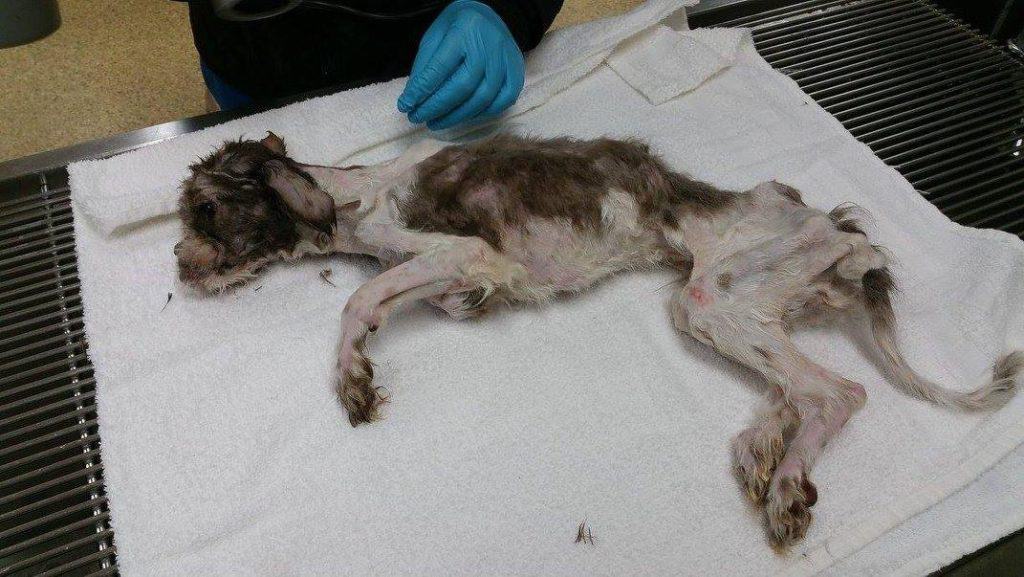
Moments after rescue, Bitsy was too weak to even lift her head.
©The Trio Animal Foundation
Bitsy weighed just four pounds, barely a quarter of what a Shih Tzu her age should weigh. “She needed emergency medical care if she were to survive,” Naiden says. The TAF team spotted the full extent of the neglect once they shaved away Bitsy’s matted coat. “Bitsy had been starved, and her core temperature was dangerously low. Warming blankets were used, and it took hours to raise her temperature.”
She was so weak she couldn’t stand. “She had complete muscle atrophy and her body was shutting down,” explains Naiden. Placing a catheter was nearly impossible, and the team wasn’t sure she could even eat. “Since Bitsy’s system was so compromised, her medical team was unsure if she could take in food orally,” Naiden says.
But she was able to eat. “Luckily, her body accepted the food,” Naiden tells us. “She was allowed to eat eight tablespoons of prescription canned dog food over the next 24 hours.”
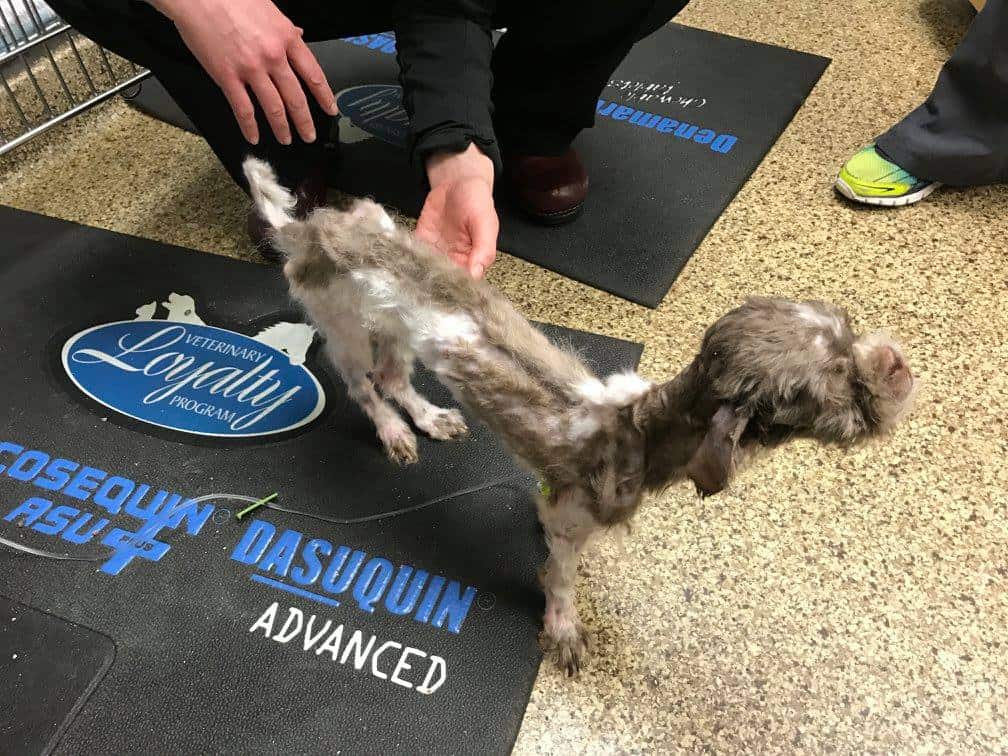
At just a quarter of her healthy weight, Bitsy was shutting down both physically and emotionally.
©The Trio Animal Foundation
Her small victories were slow but steady. “As the days went on, she was able to stand if one of her medical team held on to her waist and stabilized her body.” But despite these milestones, it took weeks of physical therapy and weight gain before Bitsy could walk on her own. And during that time, something important happened: she made friends.
Trio’s therapy dogs — Miller, Antler, Hazel Grace, and Bentley — became Bitsy’s constant companions. “We used our therapy dogs to earn Bitsy’s trust and motivate her to move around and challenge herself,” shares Naiden. She bonded most deeply with the smallest two. “She quickly bonded with our two littlest therapy dogs, Hazel Grace and Bentley,” says Naiden. “These two played an integral part in Bitsy’s recovery over the next eight weeks. Her personality blossomed, and she was the happiest little dog.”
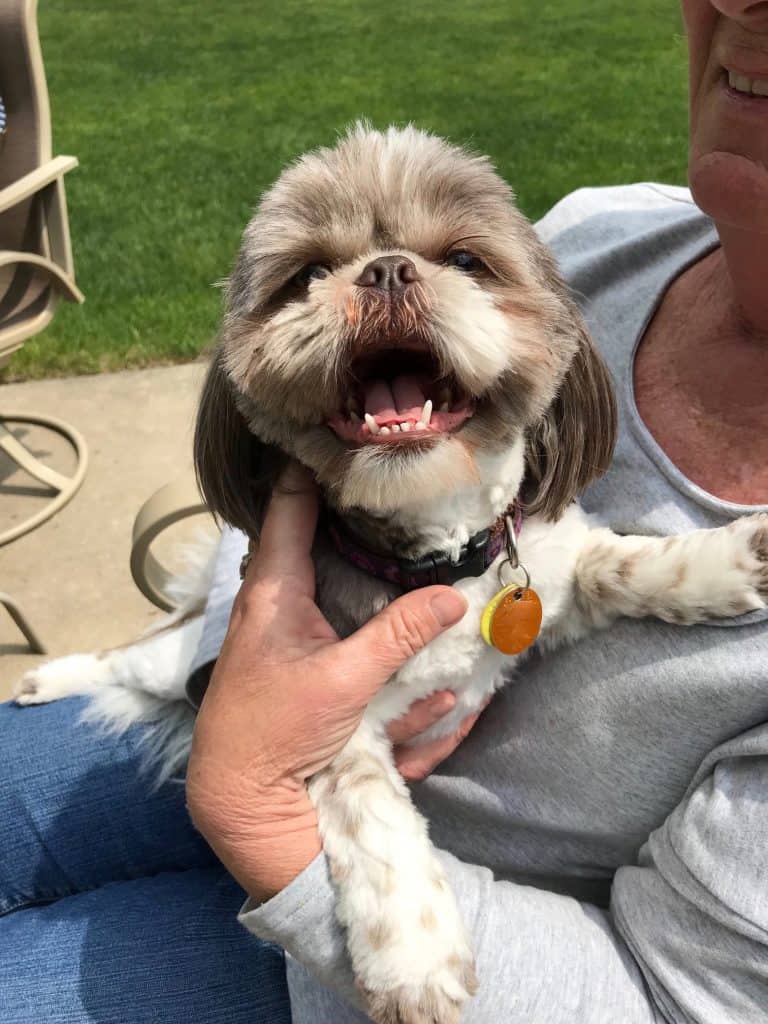
Today, Bitsy is safe, loved, and thriving!
©The Trio Animal Foundation
Naiden remembers the emotional shutdown in Bitsy’s early days. “She looked to have lost the will to live and was waiting to die. Humanity had been cruel to her, and she expected the worst.”
But the connection changed everything. “It wasn’t until she bonded with the therapy dogs that she trusted people, once more, Naiden adds.”
When Bitsy finally healed, the next step was finding her a home — one that felt like an extension of the family she’d made. As fate would have it, the therapy dogs’ grandparents had just lost their Shih Tzu. Naiden brought Bitsy to meet them.
“Once Grandpa held Bitsy in his arms, she officially found her forever home,” Naiden explains. “It was the perfect scenario. Bitsy would now have two families to love her forever.”
Nosey the African Elephant
In November 2017, after nearly three decades of traveling and performing solo, a much-watched African elephant named Nosey finally stepped into a life she had never known: one marked by safety, choice, and space to heal.
Her arrival at The Elephant Sanctuary in Tennessee followed years of public concern. As CEO Janice Zeitlin explains, “Nosey’s arrival at The Sanctuary in 2017 followed many years of concern expressed by individuals, advocates, and animal-welfare groups about her treatment while traveling and performing.”
Everything changed after an Alabama animal control officer spotted troubling signs. “Local authorities moved quickly … Nosey was seized and placed into the temporary custody of Lawrence County Animal Control,” Zeitlin says. And after a hearing, the court granted approval for Nosey to be transferred to The Sanctuary.
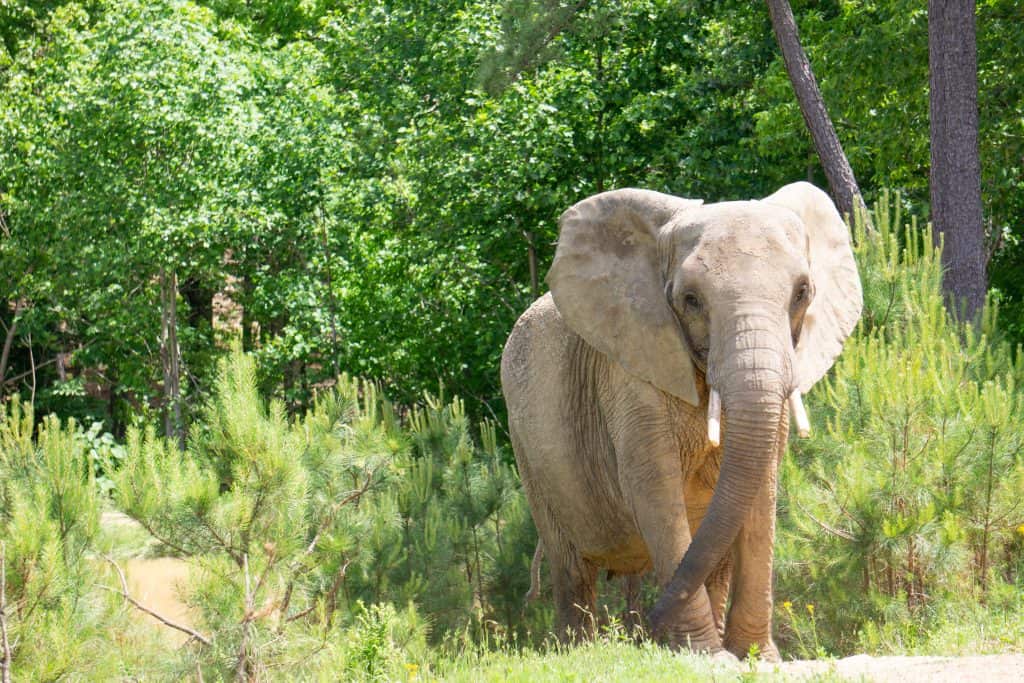
In her first days at the Sanctuary, Nosey stayed on alert, her body showing the toll of decades on the road.
©The Elephant Sanctuary in Tennessee
The team knew some of what she had endured. “Before her arrival, we were aware that Nosey had spent decades in traveling exhibitions and performances, often on the road for much of the year,” Zeitlin says. When she arrived, they focused on stability and assessment. “As with all new arrivals, she was kept separate from the other elephants while our team completed a full evaluation and developed a care plan.”
Her early days reflected her history. Elephant Caregiver Specialist Sarah Fischel remembers, “Nosey’s past experiences were evident … particularly in her hesitation to trust.” Her transition was intentionally quiet. “To help ease her transition, she was greeted by only a small number of Care Staff so as not to overwhelm her,” Fischel adds, “and she was provided hay and foods commonly preferred by the elephants here at Sanctuary.”
Nosey arrived wary and on edge. She guarded her food, tensed whenever someone moved behind her, and reacted to cameras. Her body showed years of strain — thickened skin, an uneven gait, weak muscles, and clear exhaustion.
One of the first things the team reintroduced was autonomy. “One of the first things staff did was to help Nosey understand she had choice,” Fischel explains. Through protected-contact training, “we began to build a relationship of trust with her … and she started choosing to actively participate in skin care, foot care, and other veterinary procedures.”
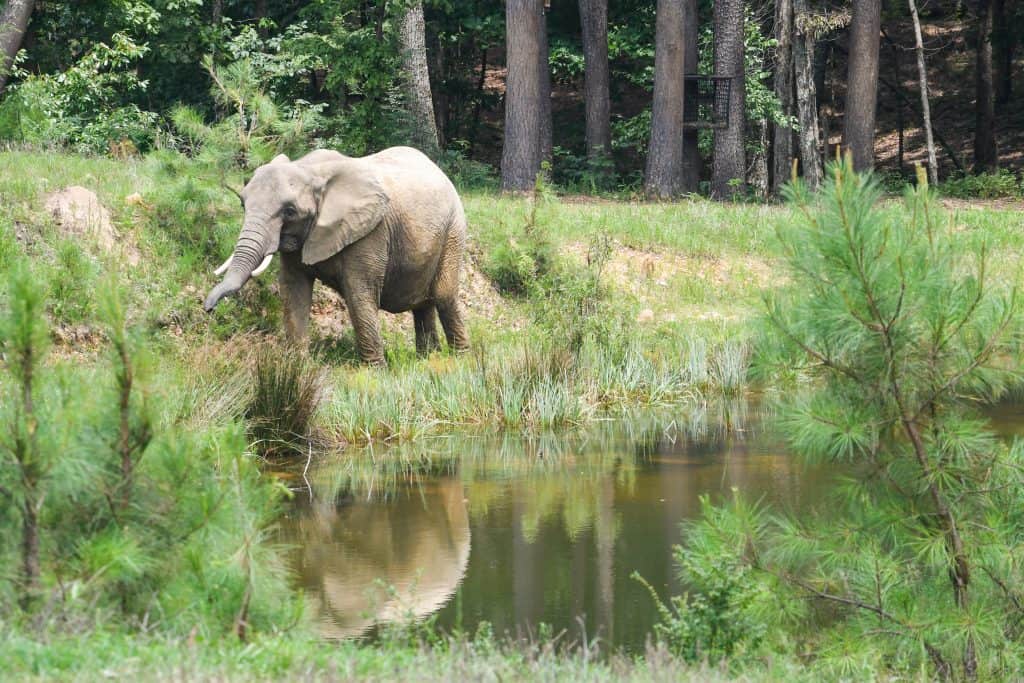
Free to simply be an elephant, Nosey explores her habitat with growing confidence and character.
©The Elephant Sanctuary in Tennessee
Just as critical was unstructured time. “We gave her space to just be an elephant and occupy her own time doing natural behaviors like unlimited grazing, browsing, mudding, dusting, debarking trees, and the space to choose areas of the habitat she preferred,” says Fischel. “It was very important to her transition to Sanctuary to allow the time without human interaction to become the elephant she is today.”
Moments of personality soon began to surface. Nosey grew increasingly eager to engage with her caregivers, revealing a softer (even silly!) side that hadn’t been visible when she first arrived. One standout moment came when she scuffed her feet, trumpeted loudly, and let out a series of rumbles — a burst of enthusiasm that showed just how big her personality truly is for such a small elephant.
With strength came exploration. “She explored with a sense of wonder, browsing from trees, taking in new scents, and showing a keen curiosity about her surroundings,” Fischel shares. “Watching her engage in natural elephant behaviors was both exciting and deeply moving.”
Now, Nosey is quite the adventurer. Fischel adds, “Nosey is, without question, the embodiment of sanctuary healing.”
Socially, Nosey has really come into her own. She gravitates toward the other elephants and builds deep, loyal connections, often stepping into a protective, herd-minded role with the ones she cares about.
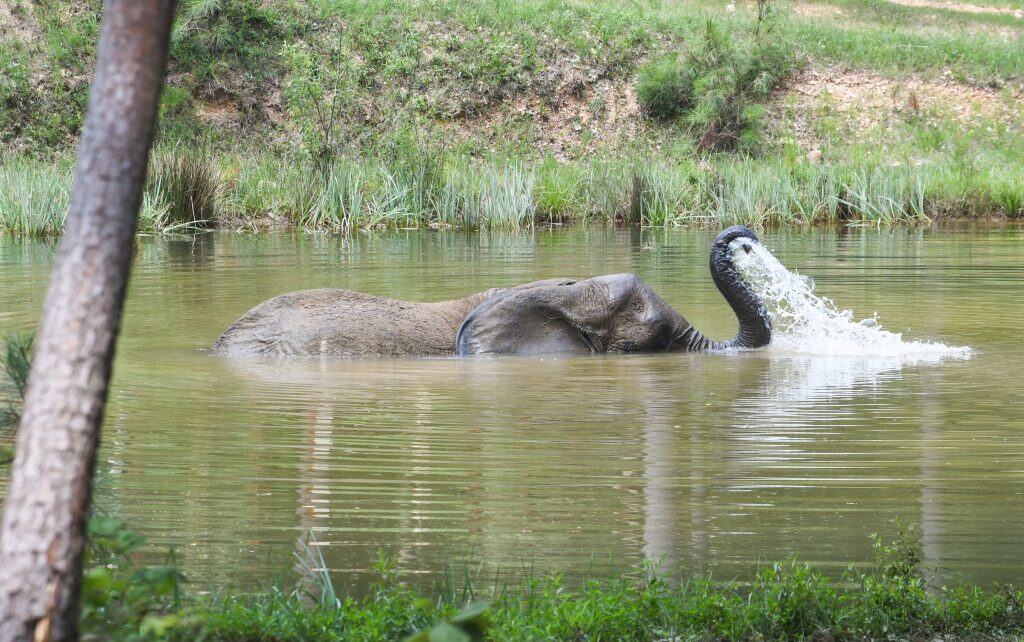
Nosey splashes through the water with curiosity and confidence, embracing sanctuary life.
©The Elephant Sanctuary in Tennessee
“I love Nosey because she has so much life in her,” says Kristy Eaker, senior manager of elephant care. “It’s amazing to see how far she has come.”
PR and Communications Manager Ashley Dehnke ties Nosey’s journey back to advocacy itself. “Nosey’s journey is a powerful reminder of why sustained advocacy matters,” she says. “For decades, she lived a life defined by constant travel, performance schedules, and limited autonomy. It took years of voices — individual citizens, local officials, veterinarians, and animal-welfare organizations — speaking up consistently on her behalf to finally create the conditions for meaningful change.”
“Progress in animal welfare rarely happens overnight,” she continues. “It happens because people stay engaged and stay informed. When Nosey finally arrived at The Sanctuary and had the space to rest, explore, be social with other elephants, and express natural behaviors, many of which she had limited opportunities to engage in for most of her life, it demonstrated what is possible when we commit to long-term change.”