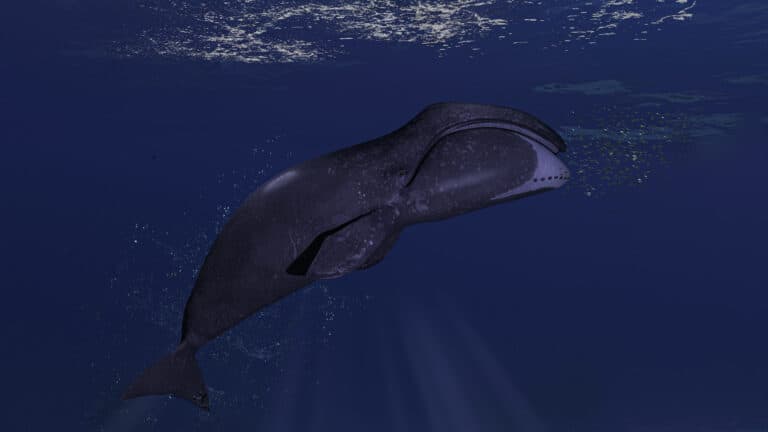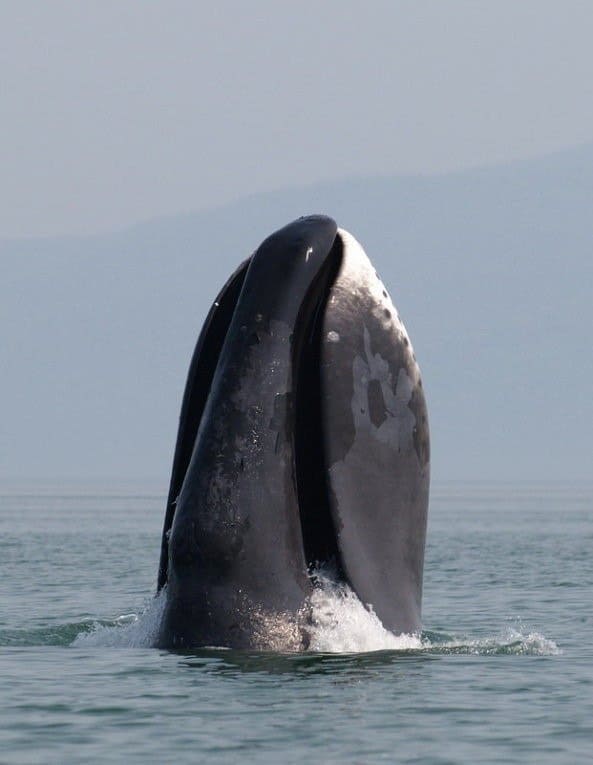

A new hazard has emerged in the shipping lanes around Alaska. Boaters are being advised to watch their speed after sightings of a bowhead whale. A collision could injure the whale and even damage boats! What could be behind this highly unusual occurrence?
Why Are Whales in Alaska Shipping Lanes?
In July 2025, a bowhead whale was spotted near Valdez, Alaska. This is further south than the whale’s usual range. They are generally regarded as an Arctic species. The whale in question is thought to be a juvenile male. Bowhead whales are known to occasionally stray from their usual home range to explore. It is possible that this individual was simply on an adventure and got lost.
An alternative explanation is that the bowhead whale population is recovering after being decimated by whaling and is now seeking food sources further afield. Sadly, if they enter busy shipping lanes, they run the risk of severe injury. Conservationists have been calling for shipping companies to reduce the speed of their vessels when traveling through areas occupied by endangered species. Interestingly, a humpback whale was seen a few weeks earlier near Willoughby Island. It had a one-foot gash behind its dorsal fin, exposing blubber. The most likely explanation is that this was caused by a vessel strike.
More About Bowhead Whales
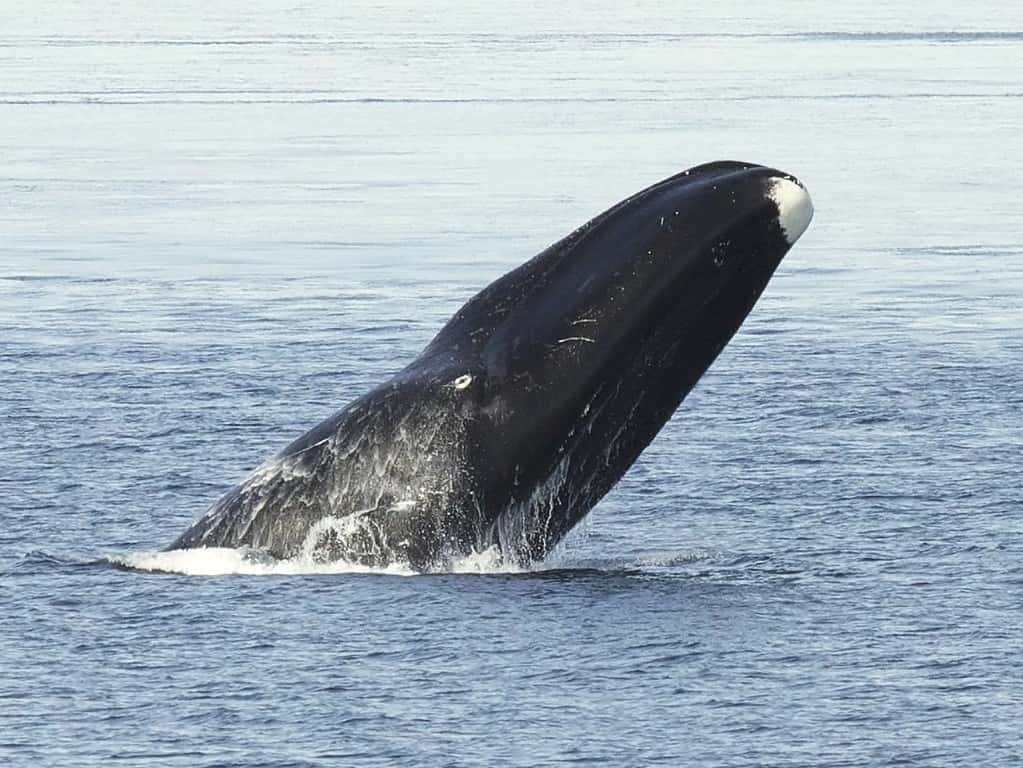
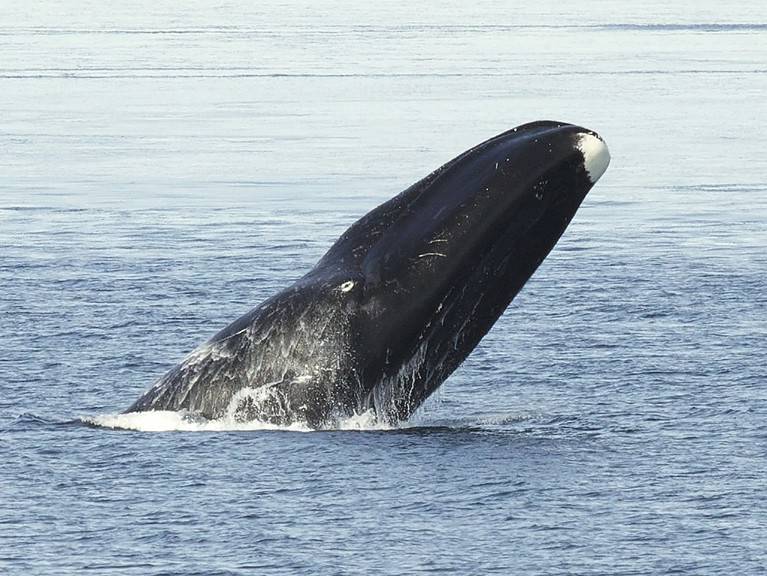
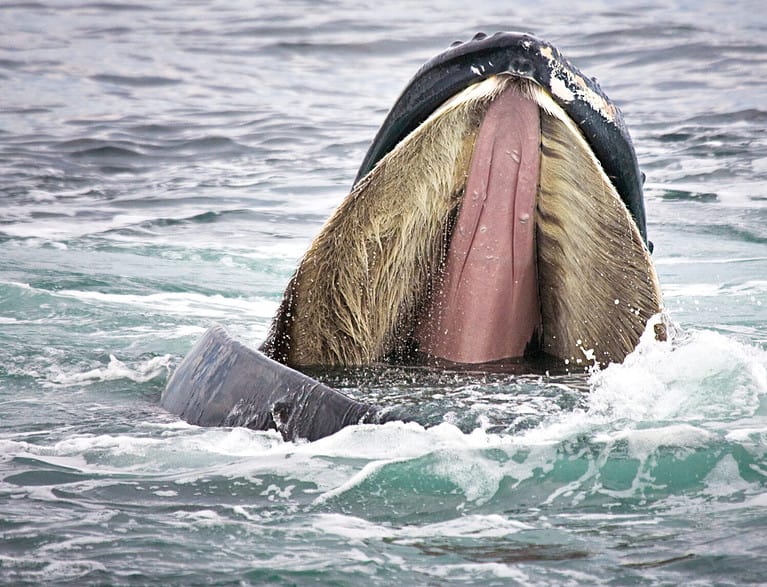
Bowhead whales are among the largest whales on the planet.
©Bering Land Bridge National Preserve, CC BY-SA 2.0, via Wikimedia Commons – Original / License
Bowhead whales (Balaena mysticetus) were once found in oceans throughout the northern hemisphere. Now, there are five geographically secluded stocks, including the Bering Sea stock. It is rare to find them below 45 degrees north latitude, as they prefer colder waters.
Bowhead whales are among the largest whales in the world, although blue whales are even bigger. They get their name from their bow-shaped mouth, as their lower jaw makes a U shape. Several live to 70 years of age, but there is evidence that they can live to over a hundred years. Subadults, like the one spotted in Alaska, tend to congregate together to migrate.
As baleen whales, they filter large quantities of seawater to remove crustacean zooplankton, epibenthic organisms, and some benthic organisms. Very few animals will attack them due to their huge size, so the main threat to their safety comes from humans. However, some bowhead whales have been found with scars from killer whale attacks.