
It’s the beginning of the rainy season in the Pantanal Matogrossense National Park, which should be good news for the animals and plants that live there. But as this fascinating YouTube clip shows, there is danger in these flooded lands. One species that can come to their rescue is the snorkeling snail. Read on to discover how this remarkable creature helps.
Dangers in the Pantanal Tropical Wetlands
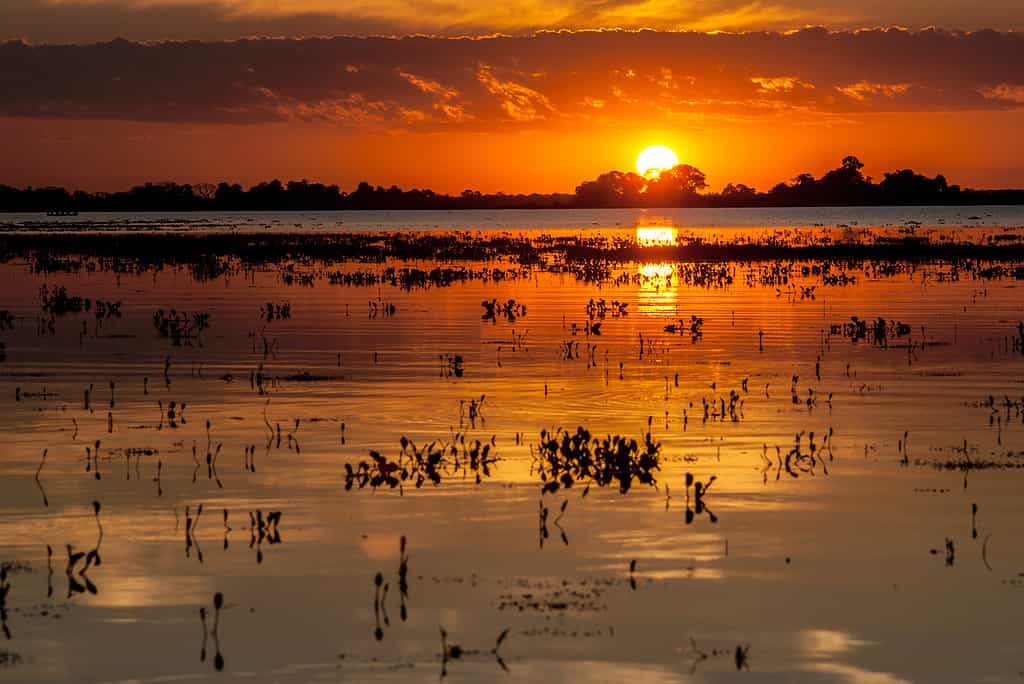
Pantanal wetlands are the largest tropical wetlands in the world.
©AlexanderDavid/iStock via Getty Images
The Pantanal Matogrossense National Park covers 523.6 square miles in the northern region of Brazil. It is part of the largest tropical wetland on the planet and is home to 141 species of amphibians and reptiles, as well as over 2,000 different species of plants and many mammals and birds. The land forms a vast, gradually sloping basin that collects runoff from the upper Andes. As the rainy season arrives, heavy rain pounds the region. Typically, all but 20 percent of the Pantanal floodplains will end up underwater, although recent droughts have reduced this extent in some years. Such a unique biological ecosystem has given rise to some equally unique animals.
When large areas of vegetation become submerged, the plants begin to rot. Tiny microorganisms break down this plant material, and as their populations explode, they consume most of the oxygen in the water. Without this oxygen, most animals simply cannot survive. The ecosystem needs a creature that can survive in low-oxygen water and feed on the decaying vegetation, safely returning nutrients to the water. This process helps oxygen levels recover. Enter the snorkeling snail!
Snorkeling Snail Saves the Day
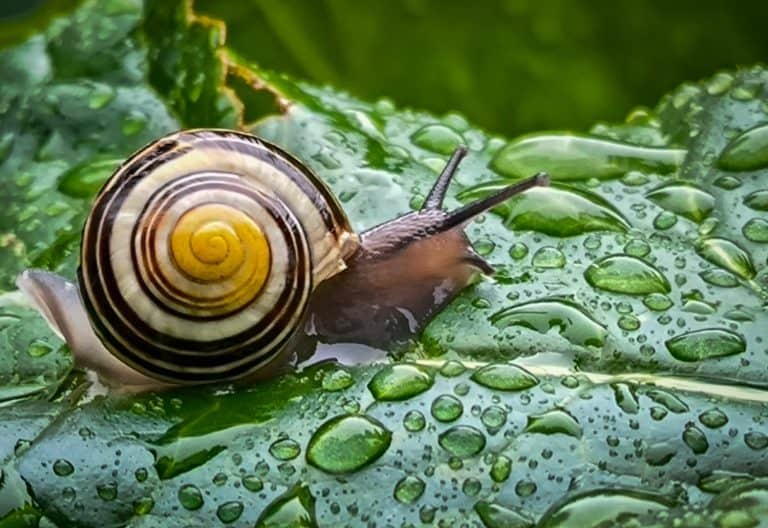
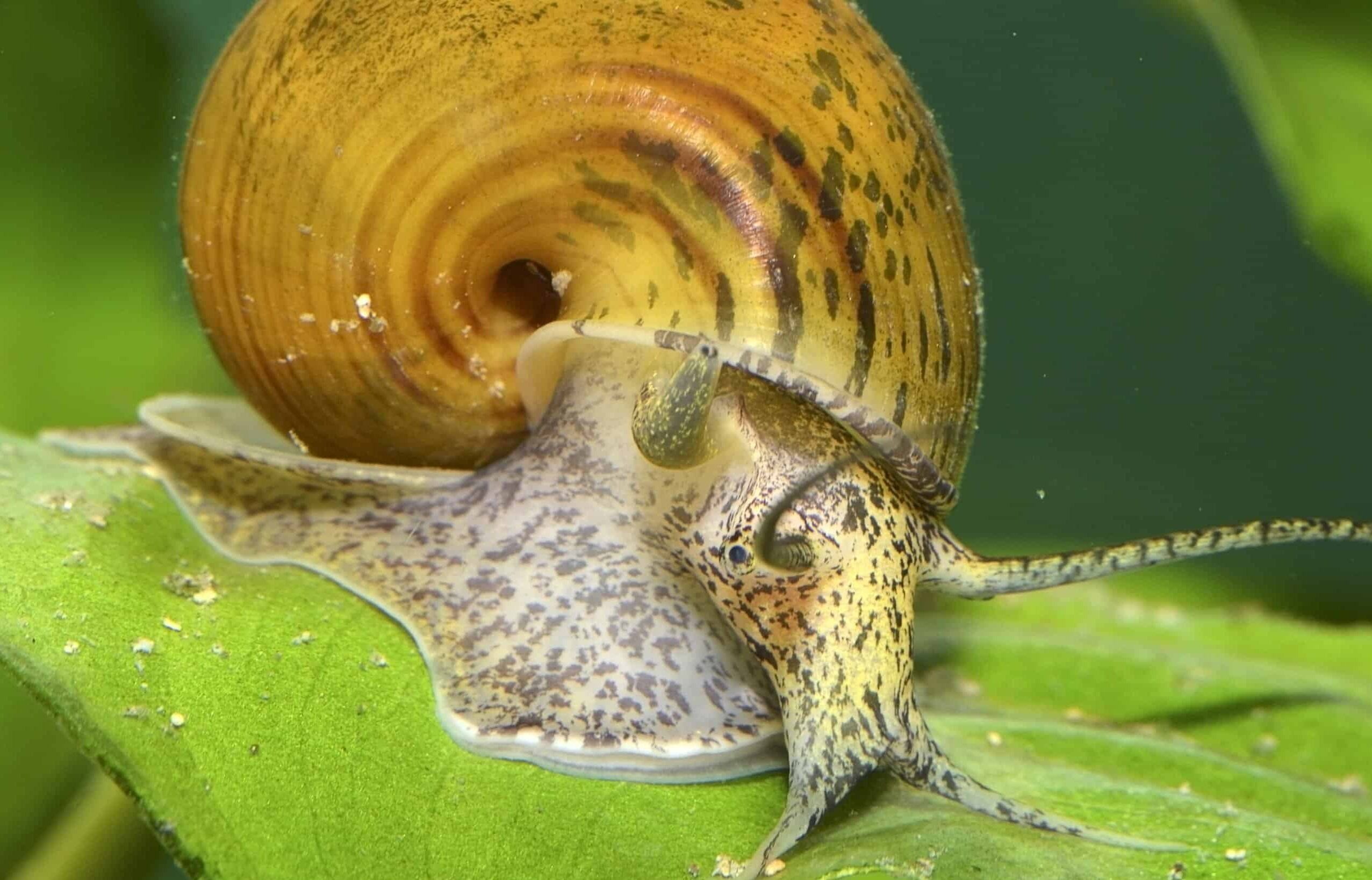
The snorkeling snail is a channeled apple snail (Pomacea canaliculata) that is found from Argentina to the Amazon Basin. It lives in freshwater areas, including lakes, wetlands, and agricultural lands. However, it is also invasive in other parts of the world. At first glance, it looks like an ordinary snail, but it has a unique adaptation. This amphibious creature possesses gills and can derive oxygen from water. However, whilst all the other aquatic creatures in the flooded Pantanal are dying off from a lack of oxygen, the apple snail is getting its snorkel out!
These snails have a siphon-like lobe that extends about three inches. They stick the tip above the water’s surface and breathe air, just like using a snorkel. Now they can get on with the important business of eating. Apple snails feed on microscopic vegetation, floating or submerged aquatic plants, detritus, and dead insects. By removing these plants, oxygen levels in the water can return to normal levels, and the other animals can thrive once more.