
The unique Mammoth Cave in Kentucky has revealed yet another of its incredible secrets. Scientists have discovered the fossils of a previously unknown species of shark. This significant finding helps researchers build a more accurate picture of marine life and how it evolved. Read on to find out more about this amazing discovery.
Fossils at Mammoth Cave
Around 325,000,000 BCE the prehistoric seas of the Mississippian Era laid down layers of limestone in the area that we now call Kentucky. Over the following millions of years, the sea receded and rainwater began to dissolve the limestone, forming the first passages of the Mammoth Cave complex.
The first humans to explore them were the Native Americans between 5,000 and 2,000 BCE. According to legend, an early settler called John Houchin was the first European to find the caves in 1790. Thanks to the discovery of saltpeter, which was used to make gunpowder, the caves were excavated and fossils began to be found. The name ‘Mammoth Cave’ was first used in 1810 in a newspaper article. Over the next two hundred years, the caves were further explored and more fossils were found—a process that continues to this day.
Significant Shark Discovery
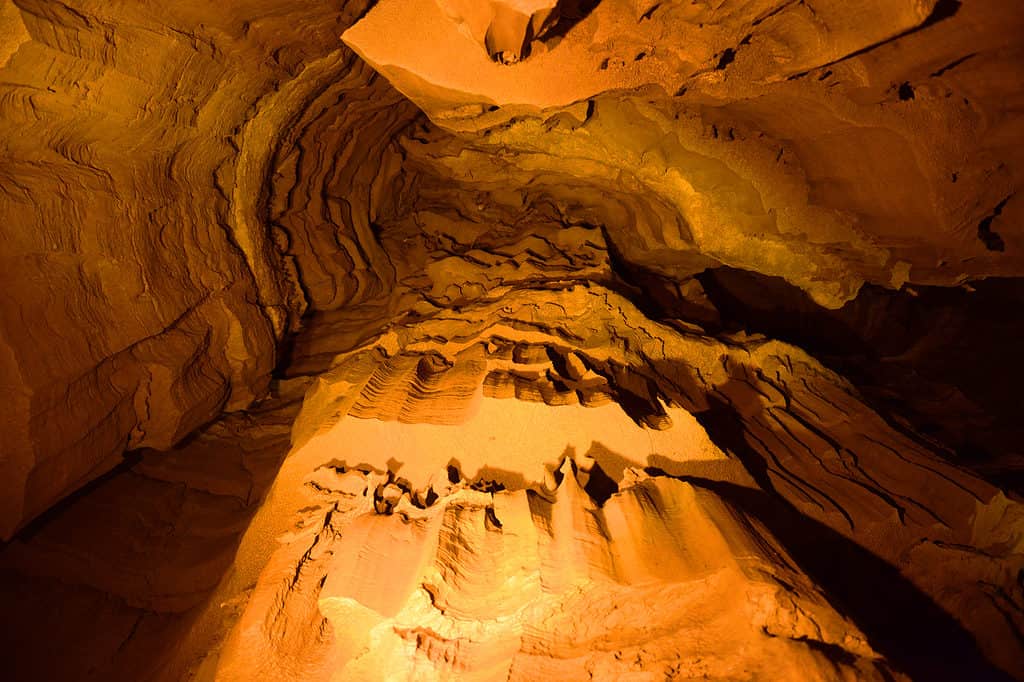
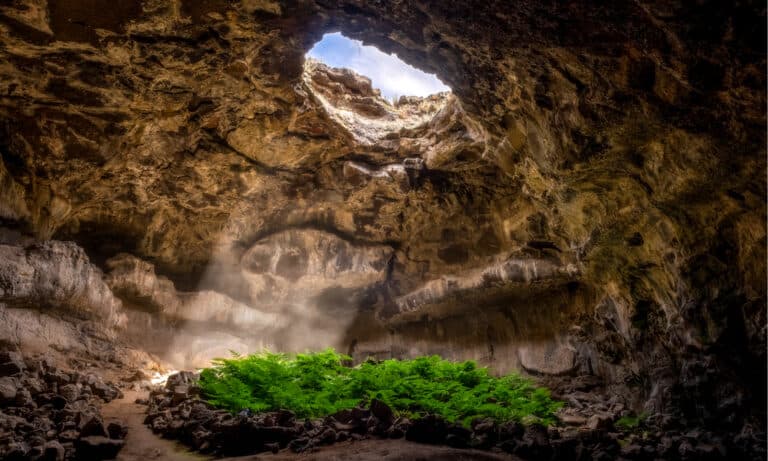
Kentucky’s Mammoth Cave contains many fossils.
©Wangkun Jia/Shutterstock.com
In July 2025, a significant fossil was discovered in the Ste. Genevieve Formation. This indicates that the shark lived approximately 340 to 335 million years ago. In a press release announcing the discovery, Park Superintendent Barclay Trimble says, “This discovery is a remarkable addition to our understanding of ancient marine life and underscores the importance of preserving and studying our natural history.”
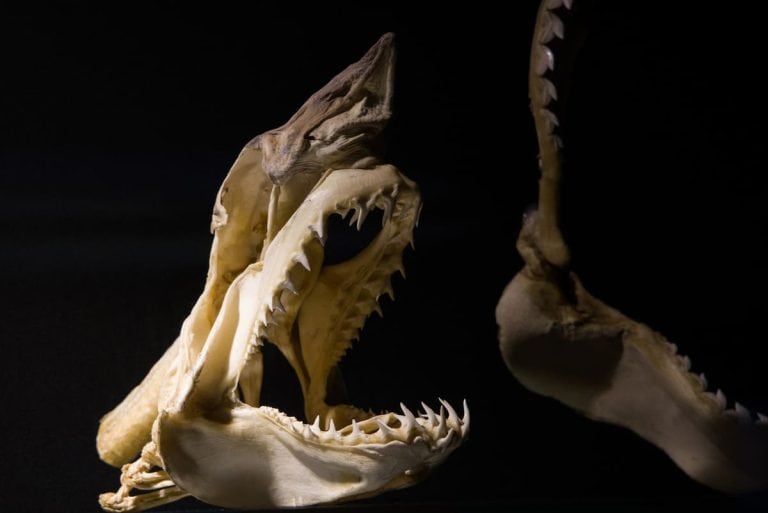
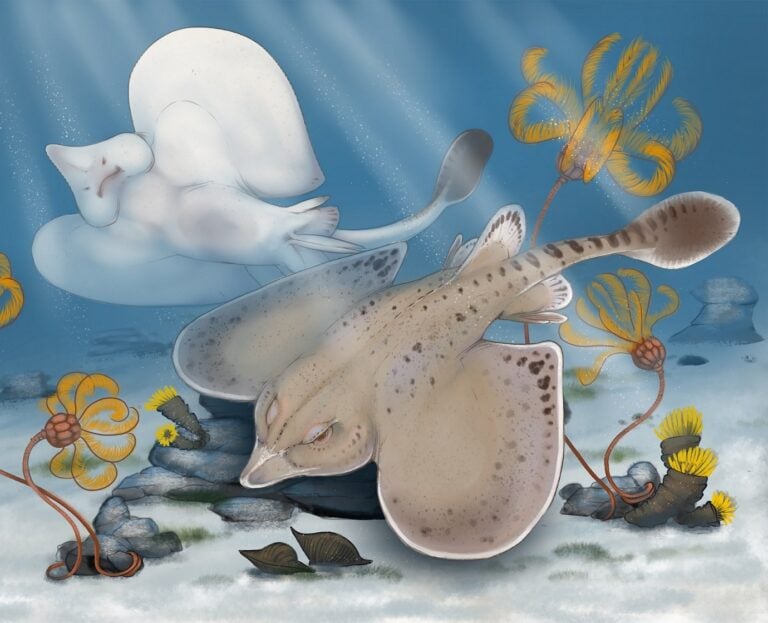
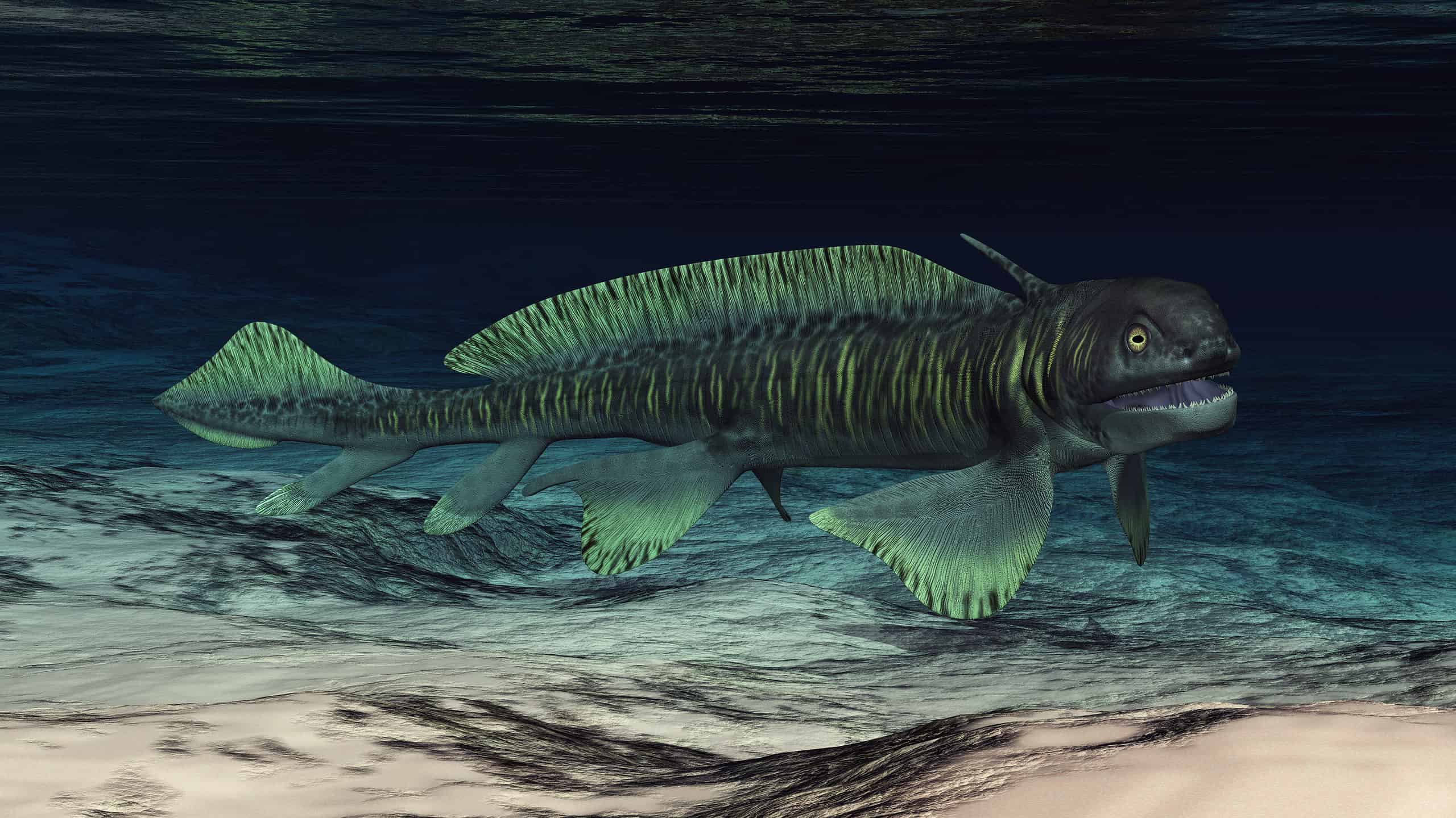
The shark has been named Macadens olsoni, and scientists can tell a lot from its fossils. In terms of size, it probably measured under a foot in length. It also has a notable tooth whorl. This is a curved row of teeth that it likely used for eating mollusks and worms. This discovery further highlights just how diverse marine life already was at this time.
Modern and Ancient Sharks
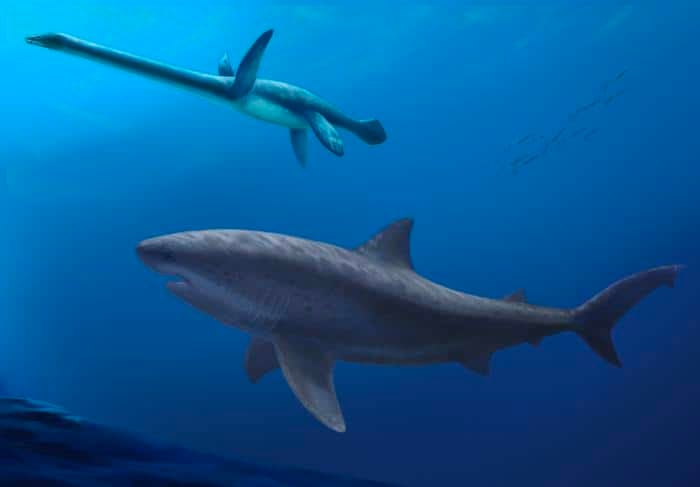
Modern sharks are a group of cartilaginous fish that range in size from just a few inches to 40 feet. The oldest shark-like jawed vertebrates discovered as fossils, such as acanthodians or “spiny sharks,” lived on Earth around 439 million years ago. Today, there are hundreds of species of sharks swimming in our oceans. The most primitive are the Hexanchiformes, which have six or seven gill slits, a single dorsal fin, an anal fin, and thorny teeth. We still have a lot to learn about shark evolution, and discoveries like this are very important.